
Tony Laureano
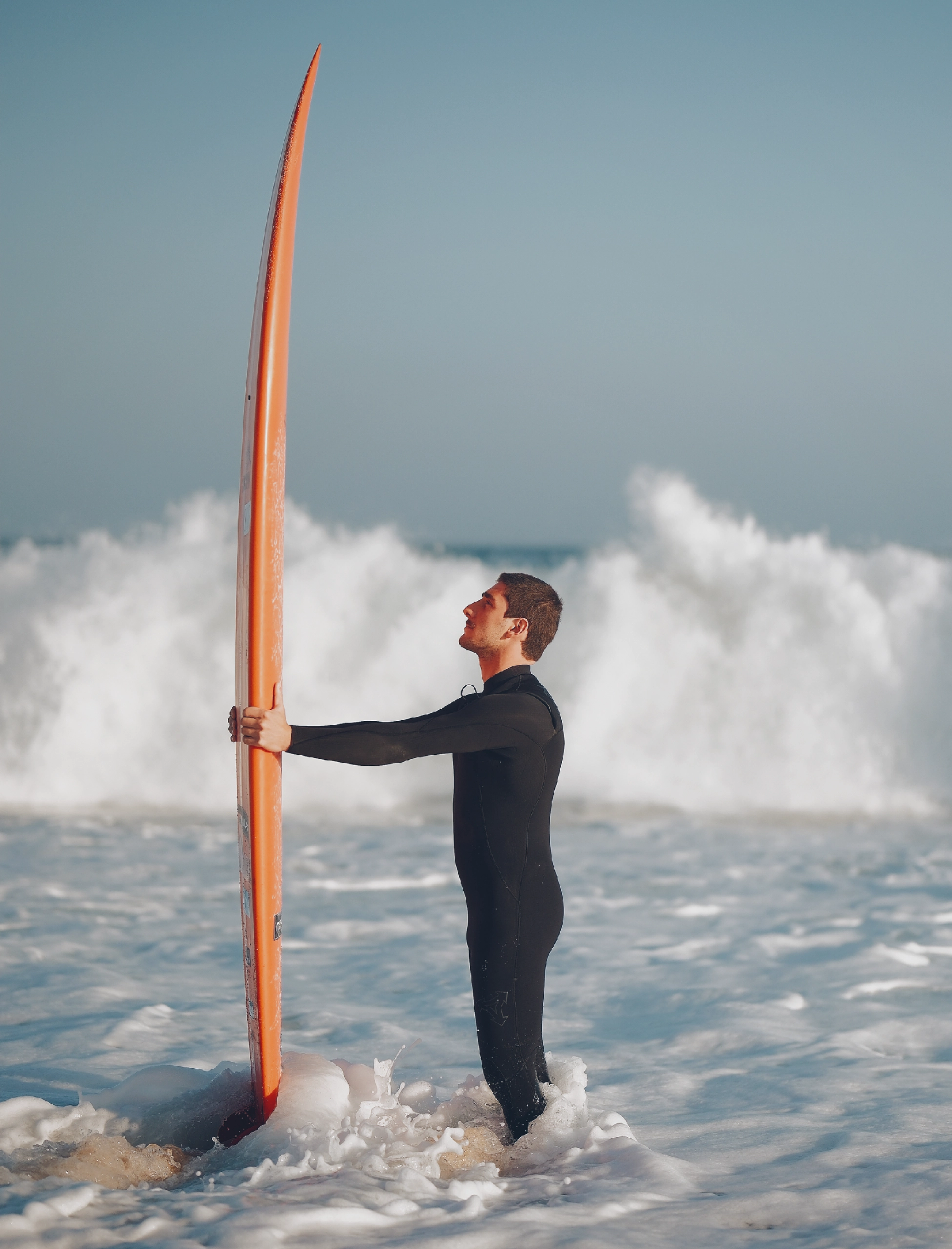
O oceano não pede licença; ergue-se em muralhas de água viva, cristas translúcidas que engolem o horizonte. O surfista, minúsculo na sua insignificância, estremece, faz-se duro, enfrenta o canhão submarino, o oceano inteiro, a história toda, um novo Adamastor. Tony Laureano avança – porque algumas verdades só se alcançam no ventre da onda, que eleva heróis e esmaga ossos como conchas frágeis –, segundos eternos, risca o mar e o céu, o mundo reduzido a uma massa descontrolada de água em fúria, mar a rosnar, coração a mil.
“A relação com a natureza é difícil de descrever para quem nunca surfou”, diz Laureano, a quem só faltam guelras. “É o sítio onde mais amo estar. Toda a minha vida depende do mar.”
Nazaré é um altar. O surfista é Ícaro, espuma das nuvens e o abismo, a busca obstinada por um instante puro. A força da natureza. A pequenez do homem.
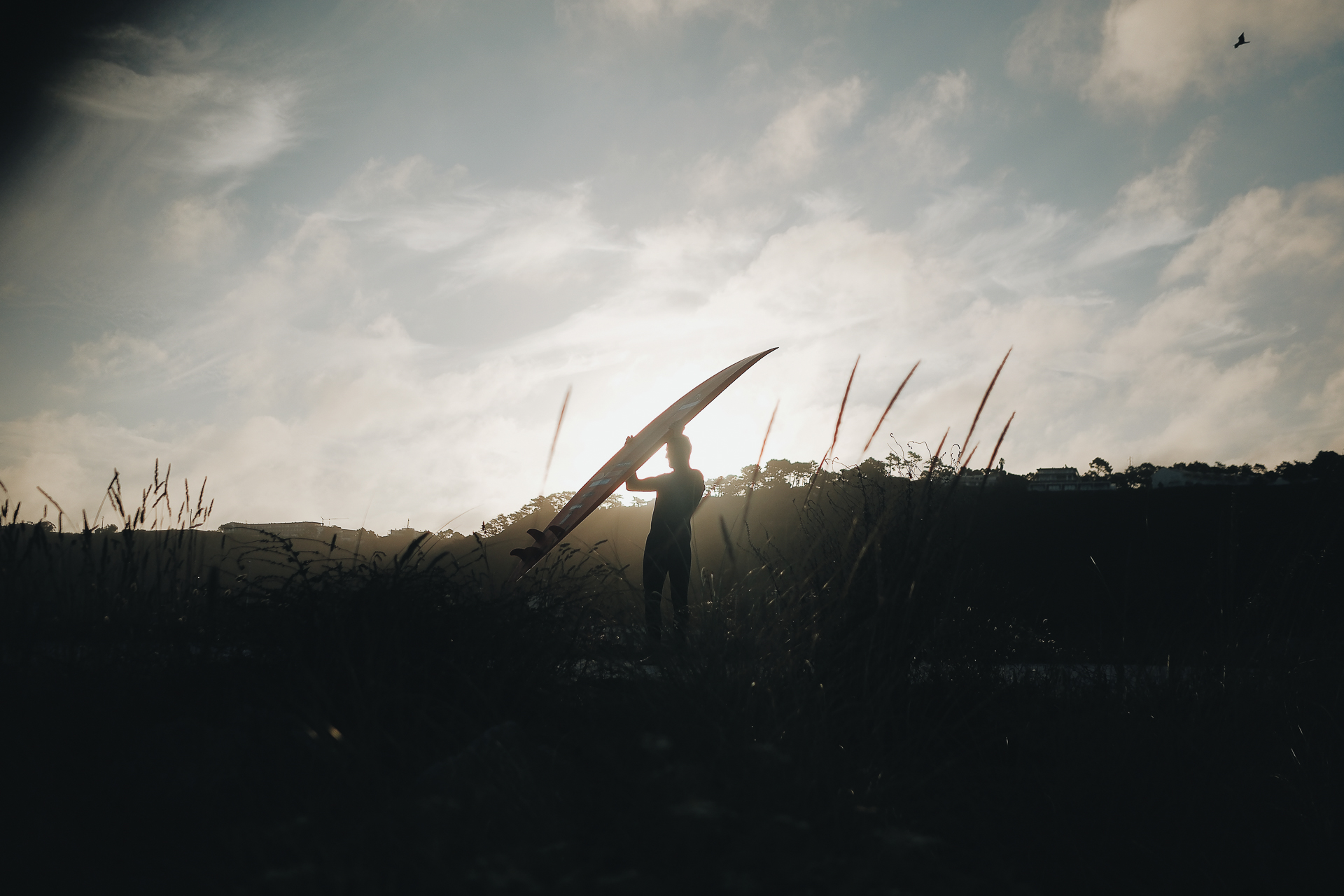
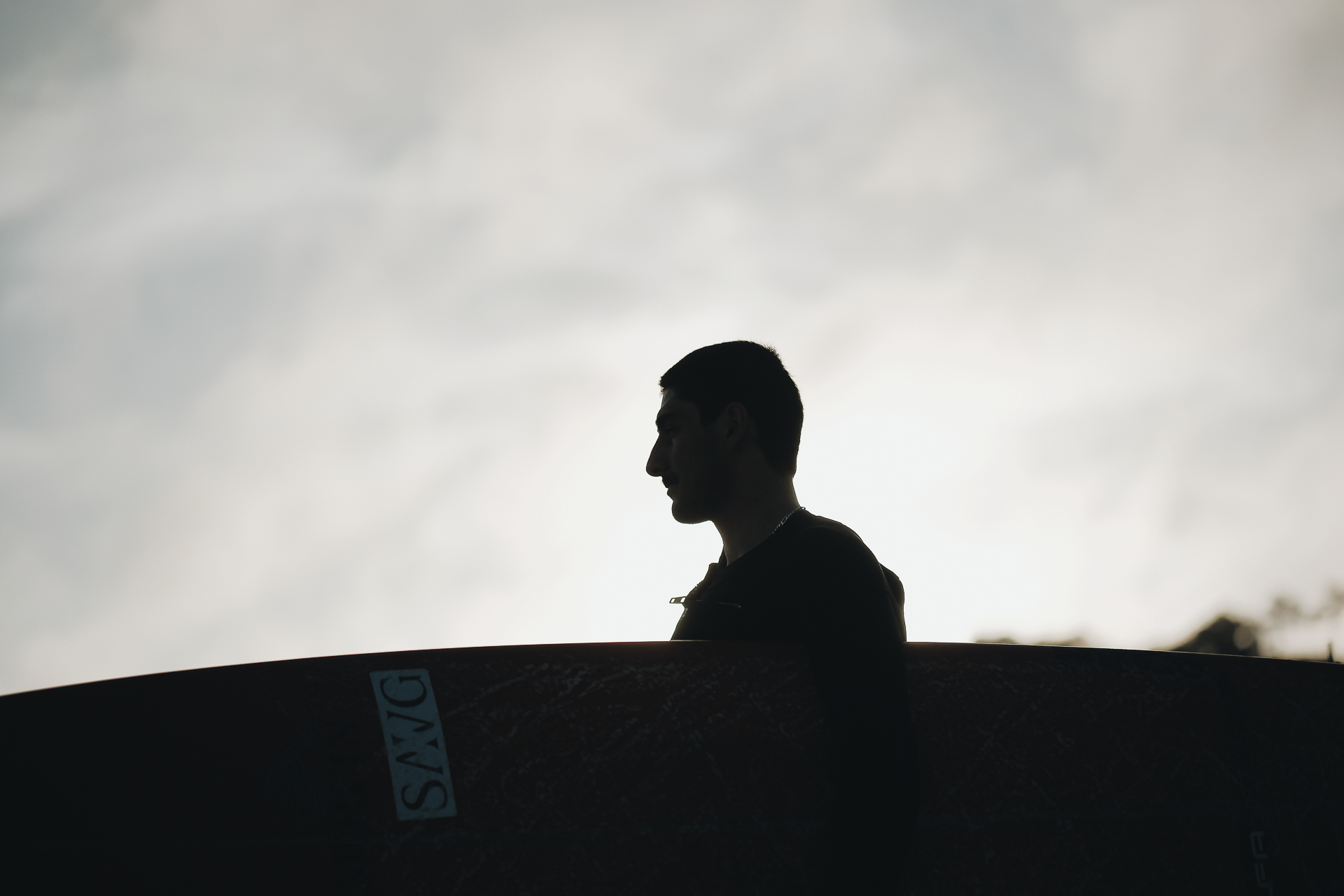
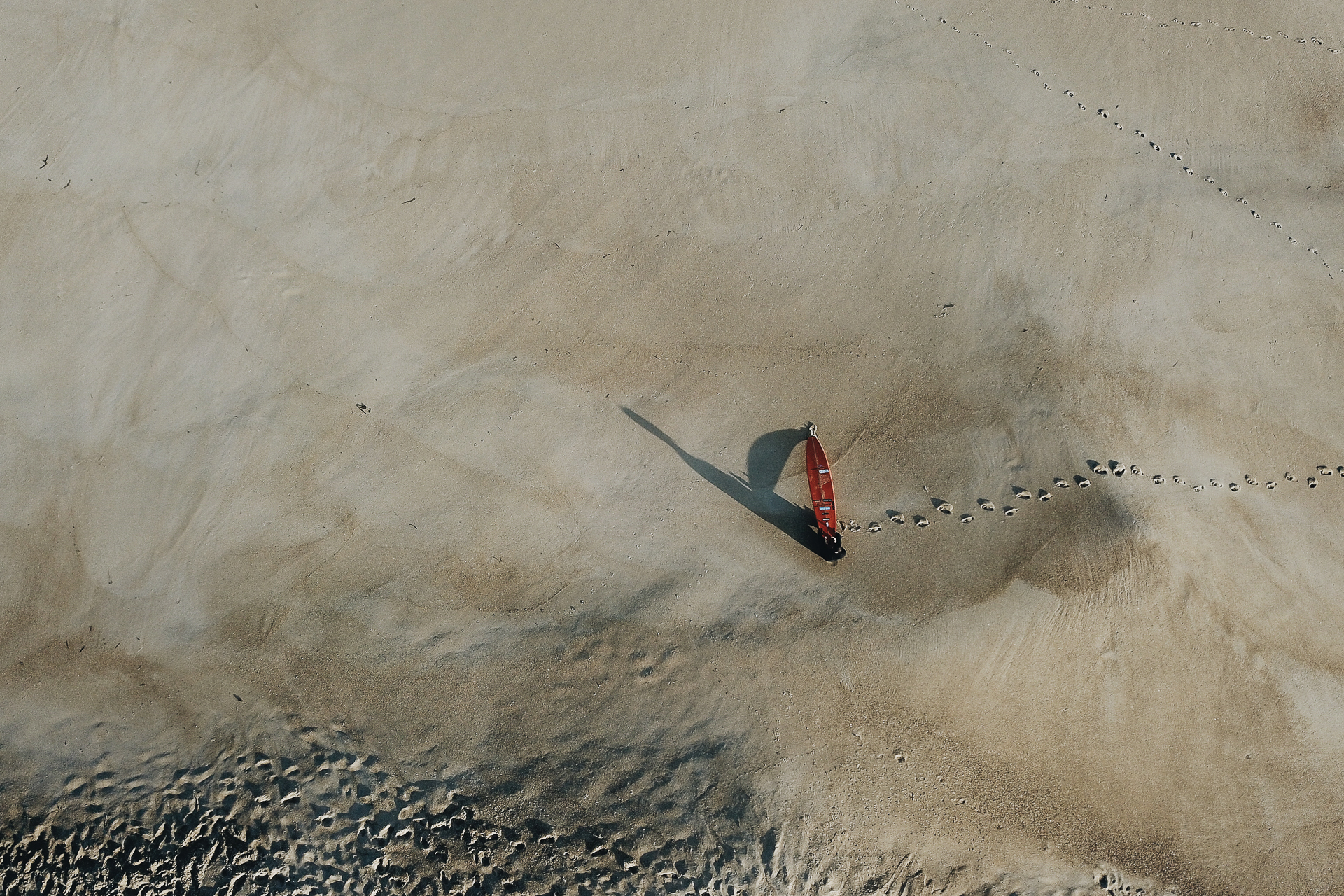
Nasceu junto ao mar (praia Grande, Sintra) e por ali cresceu, a imitar o pai, Ramon, surfista, resgatista, a trocar as ondas pequenas de espuma pelas dos grandes. “Desde que tenho dez anos que venho à Nazaré vê-los surfar e desde pequeno que o vejo preparar motas e missões para irem surfar.” Teve a sua primeira prancha aos dois anos. Hoje, aos 23, tem uma colecção de pranchas cor de laranja alinhadas no armazém Jet Resgate Portugal, apetrechado para incursões e formações de profissionais, um buggie, um jetski que é um monstro, sled e cabos de último recurso. “Um surfista de ondas grandes tem que saber pilotagem e resgate ou é um peso morto na equipa.”
Ramon empurrou-o, salvou-o, mostrou-lhe o que é ter confiança cega no parceiro. Criou-se num mar que poucos miúdos conhecem, mar com impacto. “Ficava frustrado quando tinha aulas de surf nas ondinhas de espuma.” Então, não havia coletes nem cabos de segurança (“era coragem”) e as ondas grandes eram bem mais pequenas. “Hoje em dia, seis metros é uma sessão de treino.”
A Nazaré era para o “pessoal dos 40”, para o “surf envelhecido”dos atletas que já não conseguiam manter as carreiras e a dinâmica das competições. “O Tony foi o primeiro miúdo de uma nova leva.” Tinha 18 anos. Representa a primeira geração que não veio da competição, veio direto para as ondas grandes. “Não foi um escape. Era o objetivo dele: trazer o surf de ondas pequenas para o surf de ondas grandes. Não é descer reto e sair, é começar a fazer manobras, a desenhar.”
Tony estava lá no dia 29 de Outubro de 2020, galgou o swell do século, pandemia, 20.000 pessoas ao monte no farol a vibrar com o surfista mais jovem de sempre a enfrentar o canhão da Nazaré. Continua a ser o prodígio local, um dos protagonistas de A Grande Onda da Nazaré, “onde tudo começou”, o Pancho do Verão Azul, que fica quando os outros vão e vêm, o puto da terra, sem taças nem medalhas, ele e a natureza, felicidade, medo e descargas de energia que fazem o seu corpo explodir e desligar. “Estamos num ambiente em que não conseguimos controlar nada”, diz Tony Laureano, “viciado em adrenalina” – que passa uns meses no hemisfério Sul, juntinho à Onda Punta de Lobos, em Pichilemu, no Chile, para não ficar duas estações do ano sem ligação às ondas grandes.
Do porto de abrigo ao canhão são três, quatro minutos. Tony Laureano reza, primeiro; lança uma playlist, depois. “Tu nunca vais ser alguém se não tentares/ Sabes muito bem que tens que lutar/ Não és menos que ninguém, hey, what’s up?/ Só se vive uma vez, boy, wake up.”
“Vai acontecer o que tiver que acontecer”, diz. “É um bocado a minha atitude na vida. As coisas acontecem sempre por uma razão. Se levarmos com uma onda grande em cima, é aguentar. Ela vai fazer o que quiser contigo; se tiver que te largar, vai-te largar, não há muito mais a fazer. Não conseguimos combater a natureza.”