
Rosa Pomar
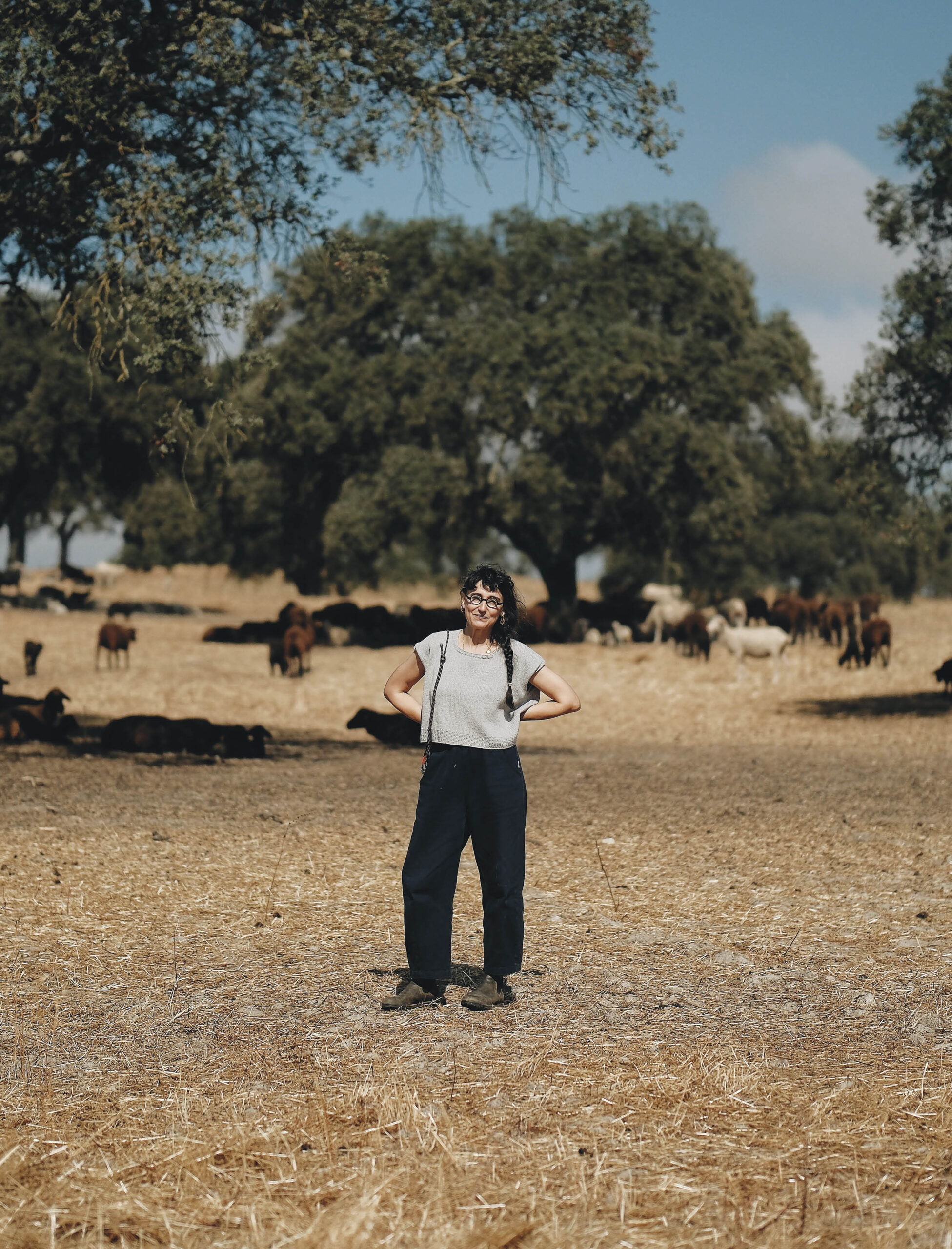
“Isto está tudo por um fio”: a lã que nos cobre e a memória da terra, a voz da paisagem e a narrativa de pastores, de montes, de neblinas tecidas no velo das ovelhas. Isto está tudo por um fio –uma história sem herdeiros enredada na lã que traz consigo os castanhos do solo, os verdes da serra, os cinzentos da pedra. Rosa Pomar é a mão que desenreda o fio num processo lento que é um ato de resistência poética, uma forma de dizer que o valor não está no que é novo e brilhante, mas no que é antigo, silencioso e verdadeiro, numa homenagem à paciência da terra e à sabedoria contida nos saber-fazeres.
Estudou História e sempre gostou de perceber como é que as coisas se transformam. Entre as mais fortes memórias de infância estão as visitas de estudo à fábrica de bolachas, à de enlatados, às linhas de transformação de coisas boas noutras coisas úteis. “Os miúdos agora não vão às fábricas…”, lamenta.
Rosa teve o privilégio de aprender a fazer malha e “essas coisas todas” numa família em que “as mulheres eram licenciadas, emancipadas, politicamente ativas”. E ainda hoje o sublinha quando se apresenta porque ainda hoje existe um “preconceito e estigma de associar esse tipo de saberes a uma vida doméstica domesticada”. “Eu aprendi essas coisas sem esse estigma.”
À medida que foi crescendo, o mundo foi mudando, a passos largos, as matérias-primas começaram a ser importadas. Queria vender malhas e percebeu que não havia fios portugueses. Nas fábricas, as pessoas davam-lhe palmadinhas nas costas e diziam:“A menina tem umas ideias um bocado esquisitas…” Achavam-na “maluca”, tentavam convencê-la a trabalhar com lãs de outros países – que a nossa não prestava, que a lã de ovelhas portuguesas pica. “A lã representa menos de um por cento das fibras têxteis usadas na indústria. Os materiais sintéticos representam 50 por cento. Ainda existe esta coisa absurda de deitarmos fora a única matéria-prima têxtil com a qual podíamos ser autossuficientes,para andarmos a vestir petróleo, que vai parar ao deserto de Atacama…”
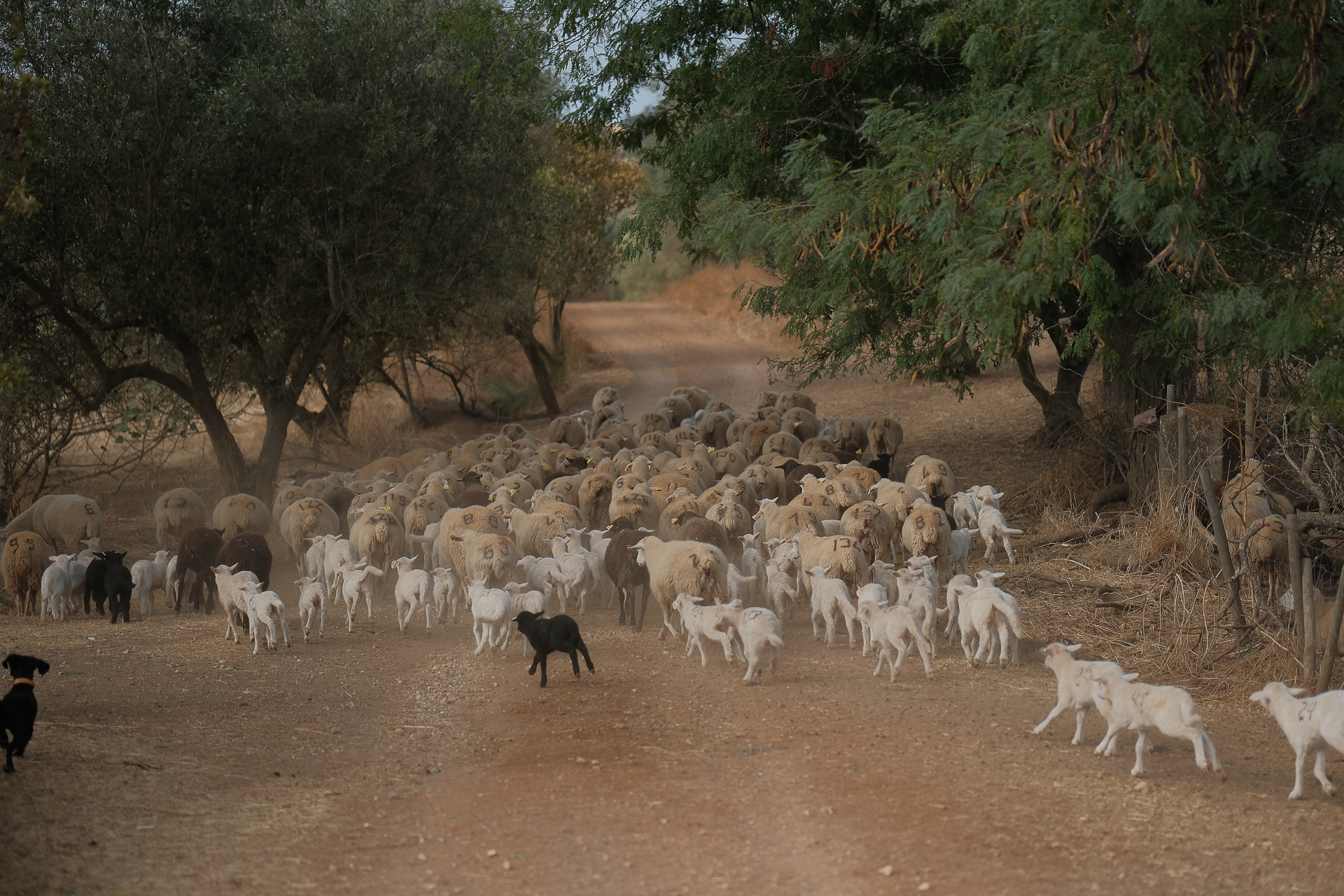
Foi a primeira pessoa a aborrecer meio mundo com isto da lã nacional selecionada proveniente de animais criados em regime extensivo, a obrigar-nos a saber as 16 raças autóctones portuguesas (um, dois, três: diga lá outra vez: Badana, Bordaleira, Campaniça, Churra, Merina, Mondegueira, Saloia, Sardinheira…), a não ignorar que “a catástrofe” da lã é a do envelhecimento da população e do despovoamento do território.
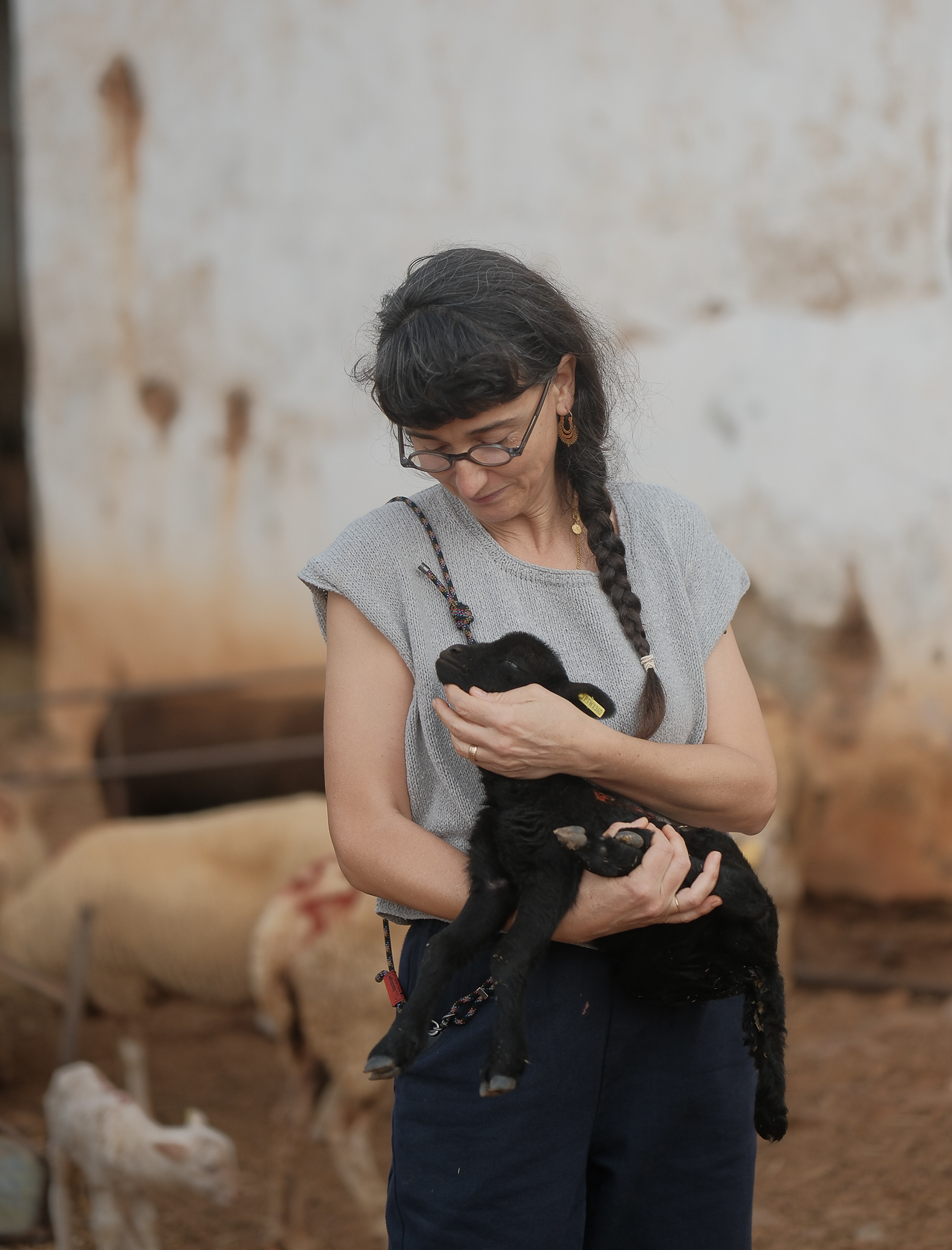
“A catástrofe é o que está a acontecer. Muitas destas raças sobrevivem porque tens meia dúzia de pastores com 70 e tal anos que não sabem viver a não ser desta maneira e que têm amor àqueles animais. Mas os filhos deles estão noutro sítio…”
“Cada vez mais ativista”, Rosa Pomar agarra pelos cornos um outro problema “muitíssimo grave” que é o inevitável encerramento do último lavadouro e que põe em causa a sobrevivência da lã em território nacional. “Estamos em vias de,pela primeira vez na história, deixarmos de ter autonomia para transformar a lã. Se agora mais de metade da nossa lã fica no campo, cem por cento vai ficar no campo. Os criadores a quem compramos têm lucro com a sua lã, os restantes têm despesa. Enquanto não tivermos medidas que estimulem e que façam uma discriminação positiva para o uso de lã, não vai aumentar a procura. Temos um ciclo vicioso de desvalorização da matéria-prima. Isto está tudo por um fio…”, conclui. “É muito provável que dentro de 20 anos muitas destas raças só existam em bancos de germoplasma...”
O atual ano de 2025 foi o tempo de sair para ver em perspectiva. No Japão, Rosa teve a prova de que o passado não é memória, mas um gesto presente, que o rústico, o melancólico e o imperfeito (wabi-sabi) têm lugar nas nossas vidas, que a lã das ovelhas portuguesas podia muito bem ser o kintsugi, uma cicatriz de ouro que repara a porcelana ancestral. “Dentro do nicho de pessoas que fazem malha há um nicho de pessoas que gostam de fazer malha com fios que sabem que são de raças autóctones ou que estão ligadas ao património de um determinado país. E os japoneses gostam dos nossos fios”, assegura a fundadora da Retrosaria.
Em Marrocos, à boleia do projeto Talleres Nomadas, recuou no tempo, cardou e fiou ao lado de mulheres berberes, afagou tapetes zanafi, provou manteiga acabada de fazer e mergulhou no chá torrões de açúcar, fotografou pessoas vestidas com as cores das portas e as portas de madeira em vias de extinção, os mil e um losangos e os incontáveis padrões de mosaico hidráulico.
“Desacelerar”, defende. Valorizar o produto local, os processos lentos e o fazer manual. “Temos de voltar a vestir a nossa paisagem.” Ser ativista nas escolhas simples do dia-a-dia. Vestir lã portuguesa. Não deixar que o fio se rompa.