
Luís Antero
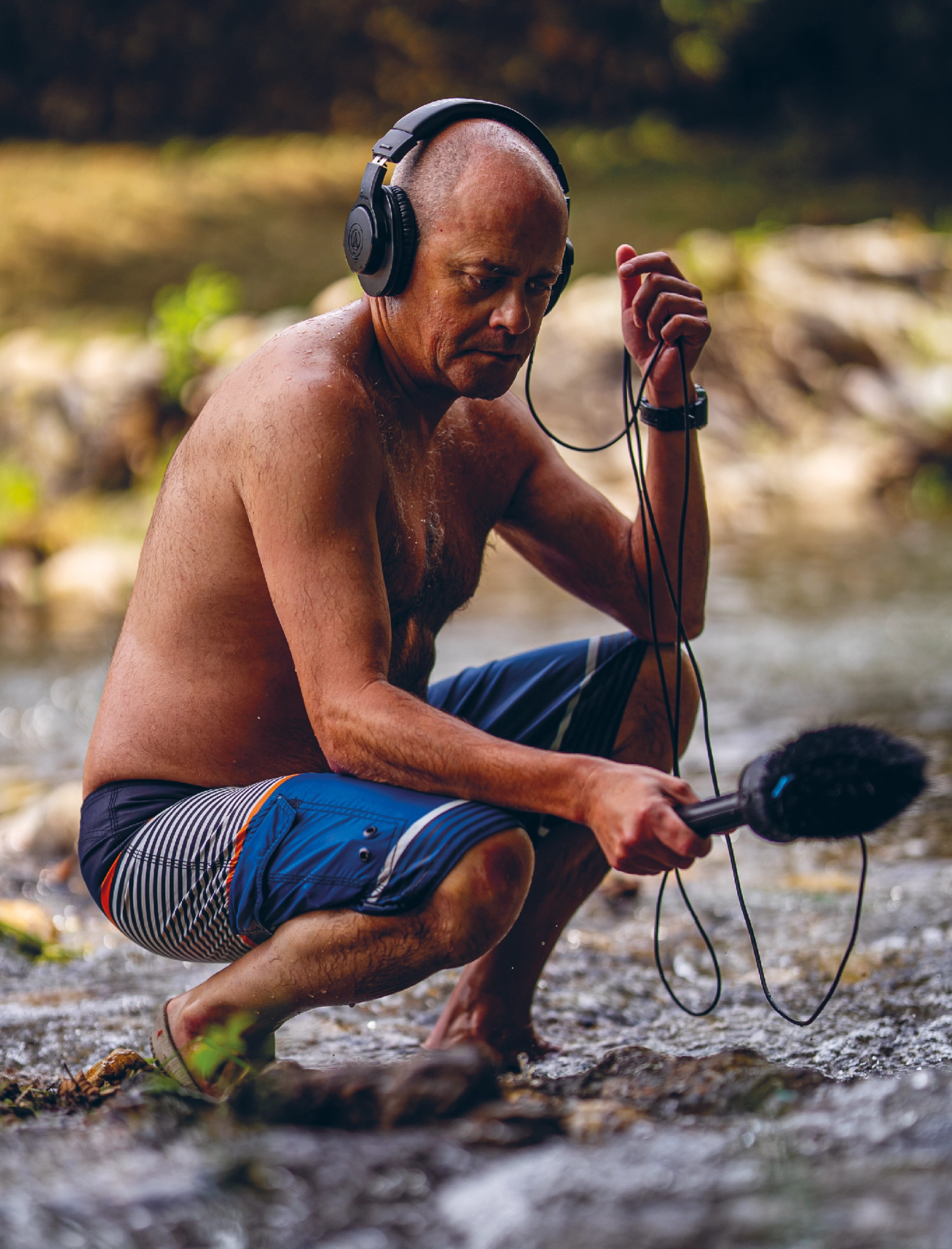
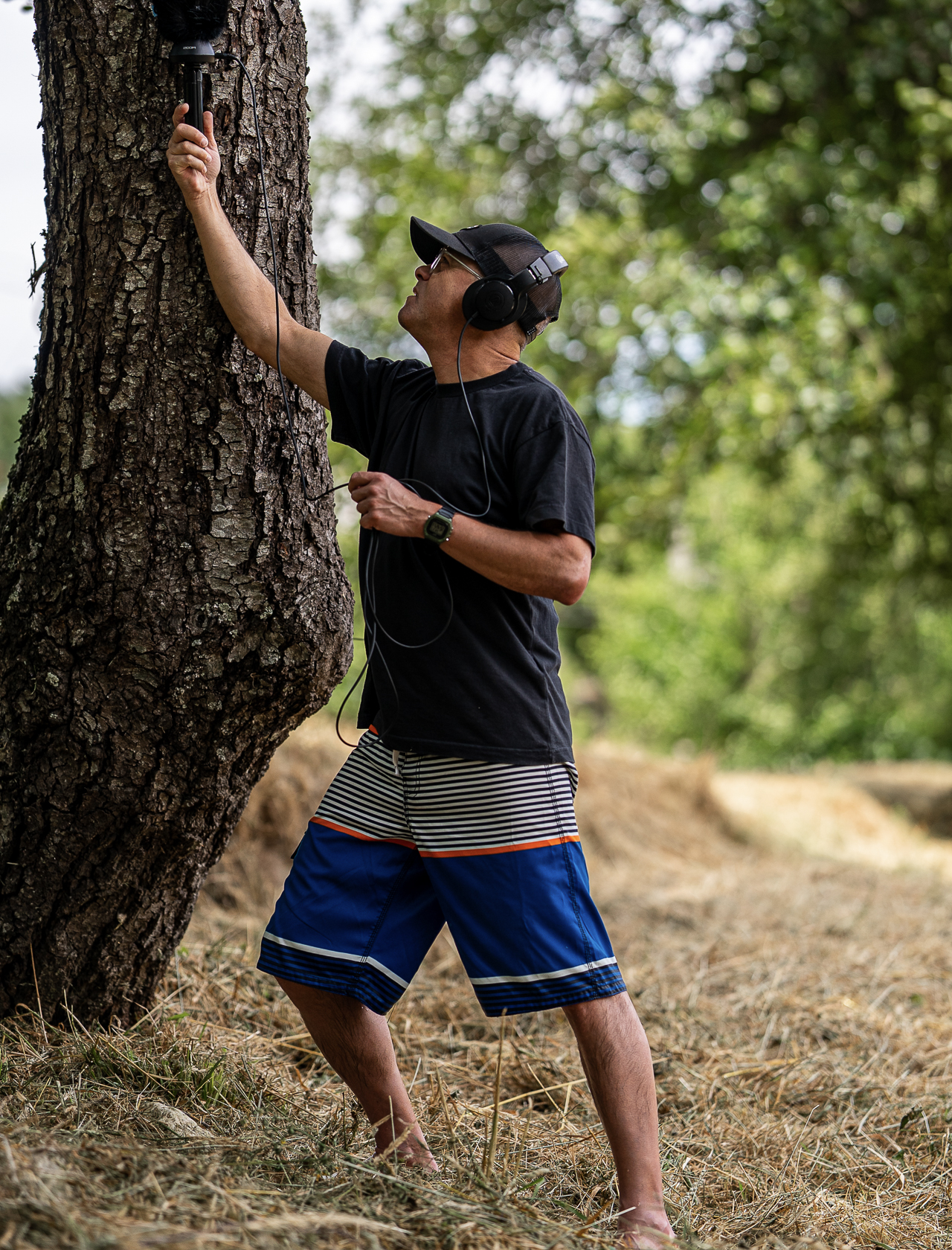
Luís Antero é um homem da escuta: grava os sons da terra como quem colhe sementes, como quem recolhe as vozes do princípio do mundo. Escuta o território, escuta as pessoas. Não chega a um sítio com ideias preconcebidas. Primeiro escuta, depois tenta devolver. “A escuta é um ato de vida. Não é apenas ouvir. Escutar implica compromisso, atenção, tempo. Quando gravo, não é para arquivar por arquivar; é para escutar, para criar, para partilhar”, explica.
Porque muitos param para ver, mas poucos param para escutar, Luís Antero tem construído um mundo à volta do som. Faz oficinas de escuta atenta e criativa – com miúdos e graúdos. Porque a escuta transforma, educa, revela. A escuta é um ato quotidiano, mas pode ser também um ato poético, ou político.
O som da sua infância foi o comboio, que marcava o tempo, fazia tremer a terra. Luís vivia junto à Linha da Beira Alta, na Quinta do Valongo, perto da Pampilhosa. Acordava com o comboio, adormecia com ele. Depois veio a água – a levada que corria pela aldeia. Água a deslizar nas caleiras, som constante. Cresceu com esses sons: o da máquina e o da natureza.
“É o som que me empurra. E o som vem de várias latitudes”, diz Luís Antero, que trabalha como técnico municipal de cultura na cidade de Oliveira do Hospital, em plena serra da Estrela. Diz que não é etnólogo sonoro nem naturalista sonoro: “Sou paisagista sonoro.” E documentarista e arquivista sonoro, porque tem a preocupação de documentar muito do que sabe que vai desaparecer. No projeto Sons do Alvoco, que criou na sua aldeia natal, Alvoco das Várzeas, e que já existe desde 2008, essa preocupação torna-se particularmente notória: “Gravo muitas pessoas. As pessoas morrem e, quando morrem, levam tudo. Se eu, por alguma razão, tiver gravado, é um contributo que dou à aldeia. É uma espécie de serviço público.”
Foi em Alvoco que tudo começou – com o lugar e com o sentimento de pertença. Luís Antero grava com pré-escuta, deixa-se entusiasmar pelo que não estava previsto. Como quando gravou Lurdes, moradora de Alvoco das Várzeas, já falecida. “Ela estava a falar sobre bruxas e lobisomens, temas muito presentes na tradição oral da aldeia. E, de repente, enquanto falava do terreirinho, das cruzes, do concílio… estávamos num daqueles dias de Verão com trovoada… E tudo aquilo se conjugou…” A edição ficou feita ali, ali mesmo. “O som surpreende. É isso que me interessa”, sintetiza.
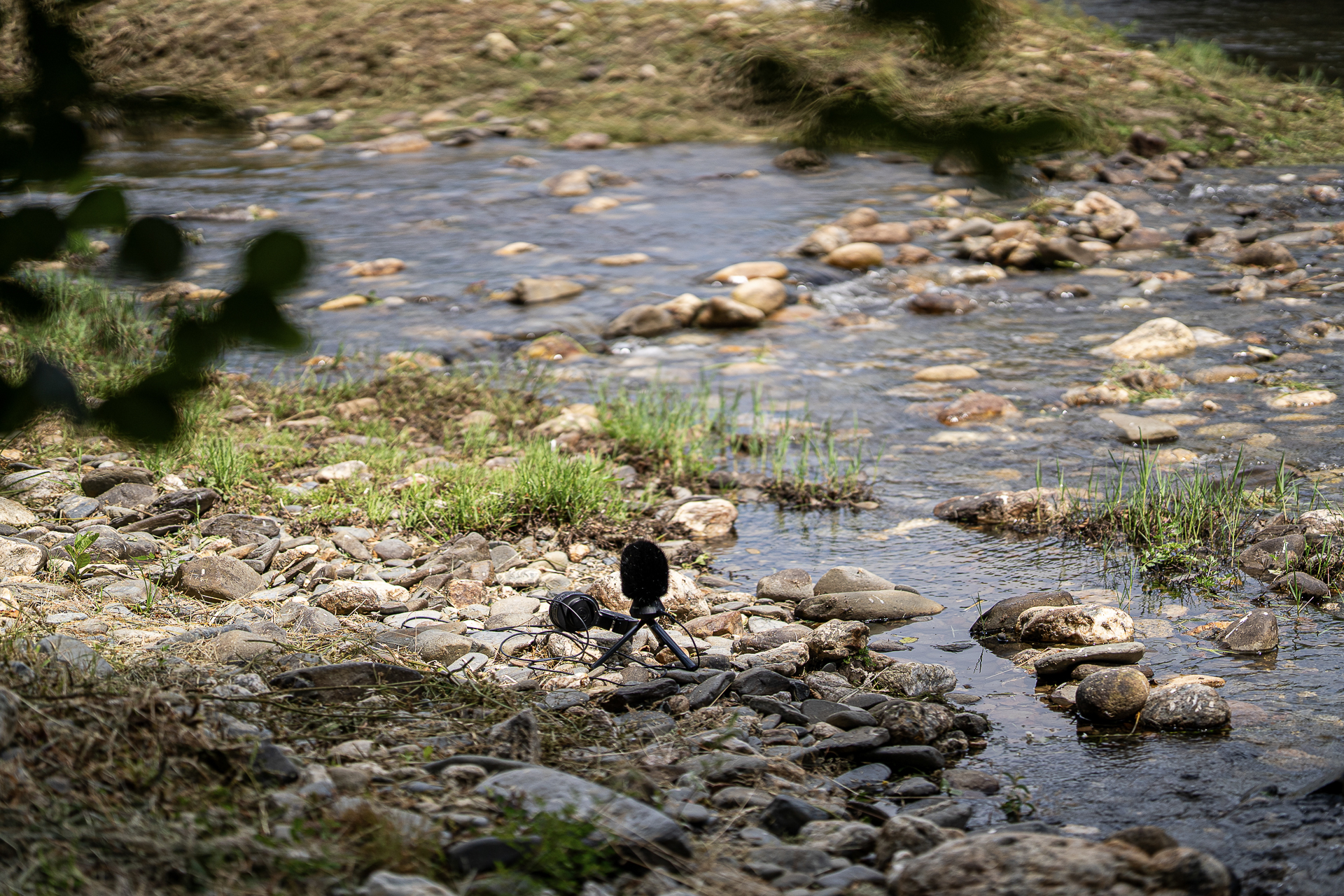
Um dos sons com que mais gosta de se surpreender é o da água e dos seus cambiantes. Gosta de gravar a poesia da água: os remoinhos, a forma como as pedras estão colocadas, a arquitetura dos espaços. “Porque ouvir o rio aqui não é o mesmo que ouvir o rio ali, noutro lugar…”, explica.
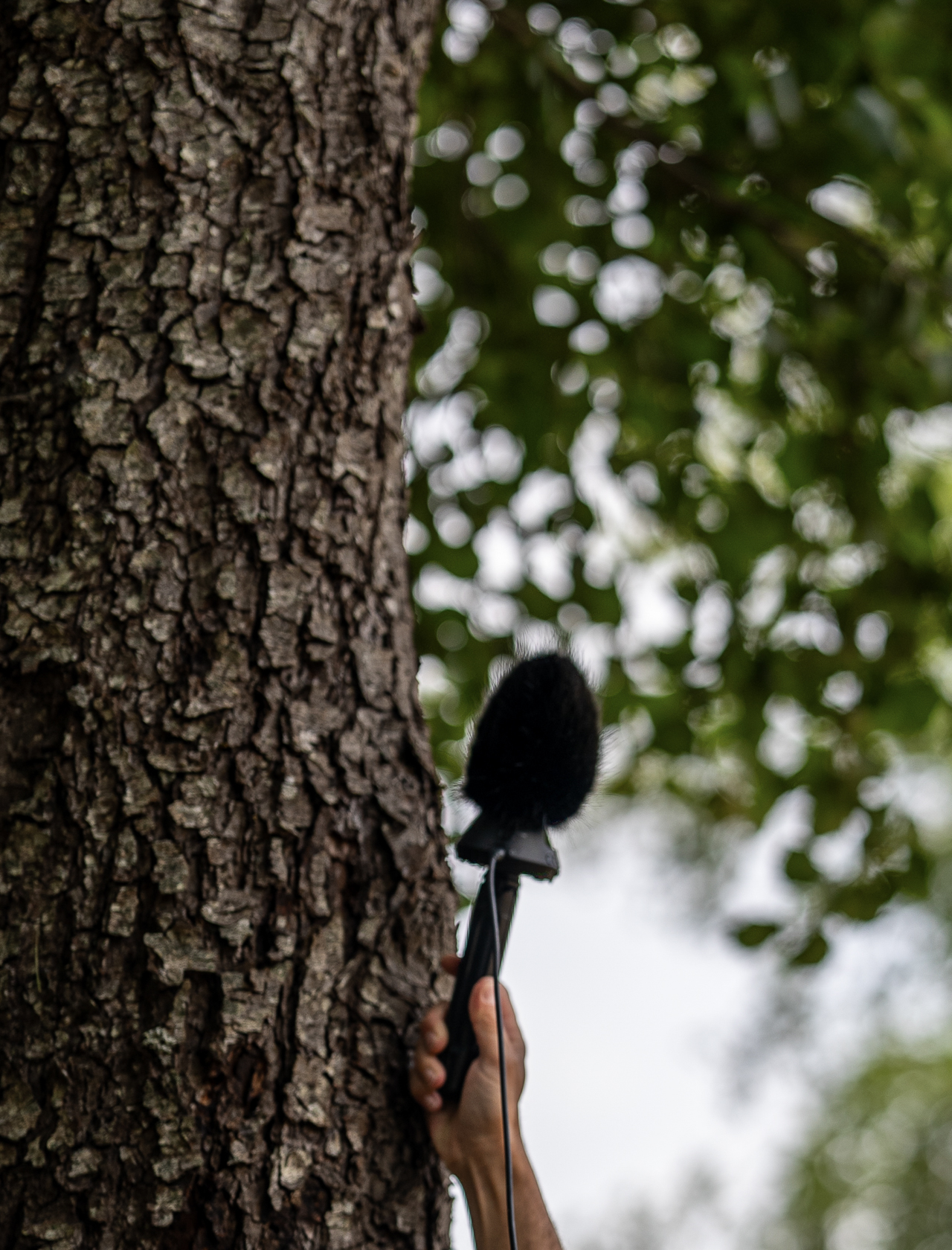
Desde 2010 tem recolhido paisagens sonoras por todo o país. Há lugares onde apenas coloca o microfone – num formigueiro, numa árvore oca – e deixa que o som aconteça. Há outros em que é preciso intervir, captar uma voz, perguntar por que estão ali. “Chamo a este trabalho um projeto artístico. Porque documento, sim. Mas também re–interpreto. Gravo, mas transformo.”
Fez muitos projetos para freguesias e municípios. Em Lugares da Memória, por exemplo, constrói arquivos sonoros em cada local. Cada lugar escolhe os seus sons. Em Almada, gravou a arte xávega e a fermentação lenta do pão. Em Paredes, os artesãos da madeira e o Santuário da Senhora do Salto. Em Góis, o peixe do rio. Em Dornes, o que resta da pesca antes da barragem. Sempre com o som da gente que vive e faz esses lugares.
Grava com ética. Manipula os sons apenas quando há uma razão para isso. “Às vezes, re–interpreto: diminuo a velocidade de uma badalada ou de um balido, e isso transforma o som numa peça electroacústica – sem adicionar nada; só escutando de outra forma. É como fazer poesia sonora. Tal como se escreve poesia com palavras, escrevo com som”, justifica.
Às vezes perguntam-lhe: o que o move? “Move-me quando alguém me escreve a dizer que uma peça minha o fez lembrar da avó ou da infância. Move-me o contacto. E move-me esta vontade de partilhar.”
Essa vontade atravessa tudo o que faz – e é inseparável da escuta. Porque a escuta é isso: é atenção, é tempo, e é também saber quando parar. Saber quando já se ouviu tudo o que havia a escutar. Ou quando é hora de escutar de novo, de outra forma.
Primitivo Luis Antero