
Alice Montanha
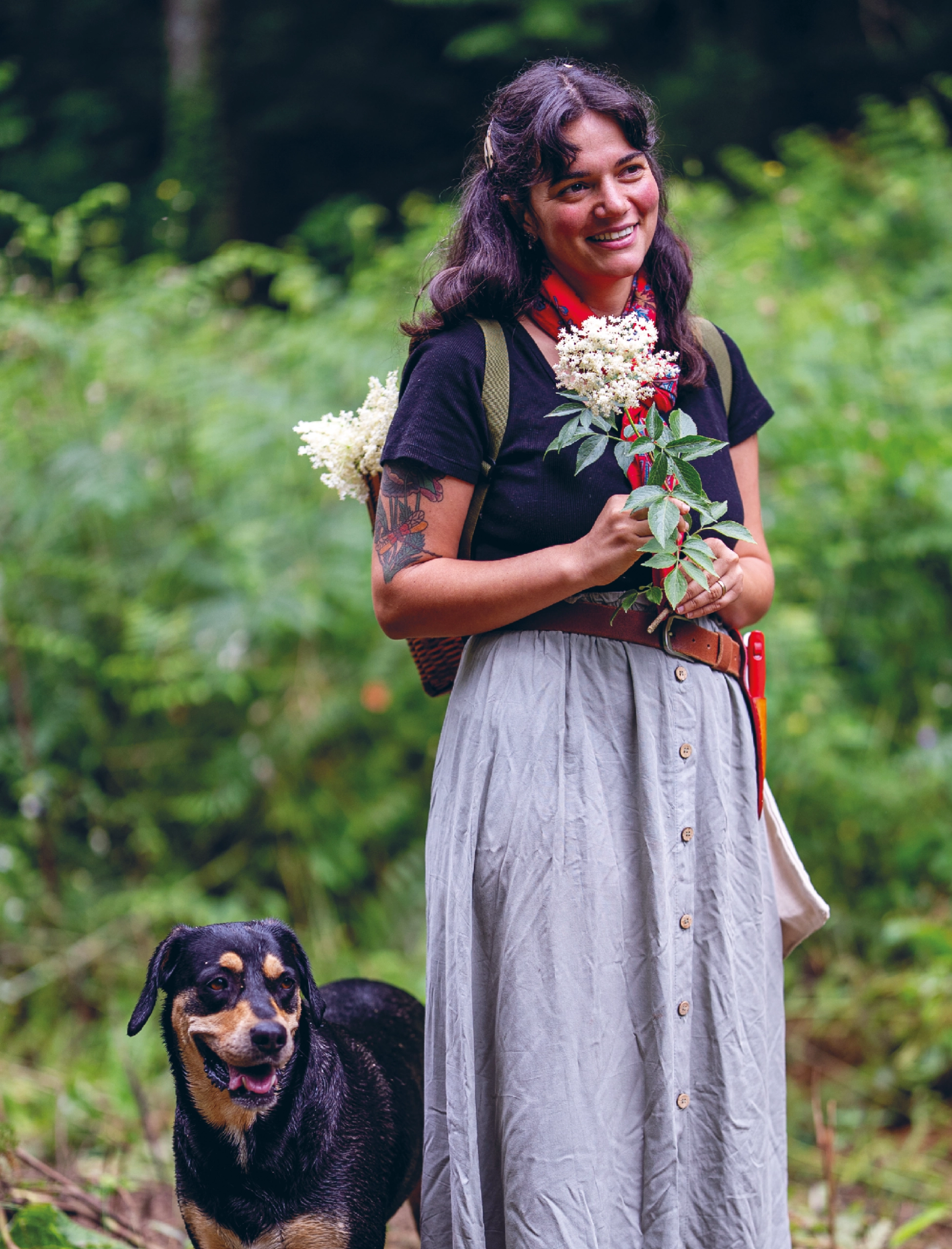
Alice plantou-se na serra como uma árvore antiga. Sabia quase tudo daquela paisagem, no Norte de Portugal, onde agora vive, rodeada de natureza, longe das estradas e do saneamento, de forma autónoma e auto-suficiente. Nasceu ali, perto do local onde escolheu viver com o marido e os filhos. Mas não se instalou sem antes correr outros rios, outras serras, outras cidades e até outros países. Experimentou muito, e tudo o que sabe vem do que tocou e do que sentiu, do que procurou, do que aprendeu. Sabe, apenas, que continua à procura, a experimentar.
Quando era pequena, dizia que queria ser médica. Dizia-o em repetição, e ainda hoje não sabe por que, aos 12 anos, mudou de bússola, e decidiu que queria ser artista. Entrou em Belas-Artes, no Porto. A arte levou-a para a contemplação e o pensamento. “No início, resistia muito à ideia de ter de justificar tudo em conceitos. Mas, depois, encontrei a minha forma de falar das coisas que me importavam, criei o meu caminho.”
No trabalho de fim de curso escolheu fazer uma peça em barro, quatro pilares, um templo a que chamou Ode à Natureza. Representava a fauna e a flora portuguesas, eram mãos de onde saíam os elementos naturais. Na sinopse descritiva da peça,escreveu: “O ser humano é o único que, destruindo tudo à sua volta, se autodestrói.” Alice ainda não tinha descoberto o herbalismo e o poder medicinal das plantas (aquele que, assume hoje em dia, mais a entusiasma e atrai) e já pensava na propensão dos homens para envenenar com produtos químicos as ervas que,depois, o vão matar.
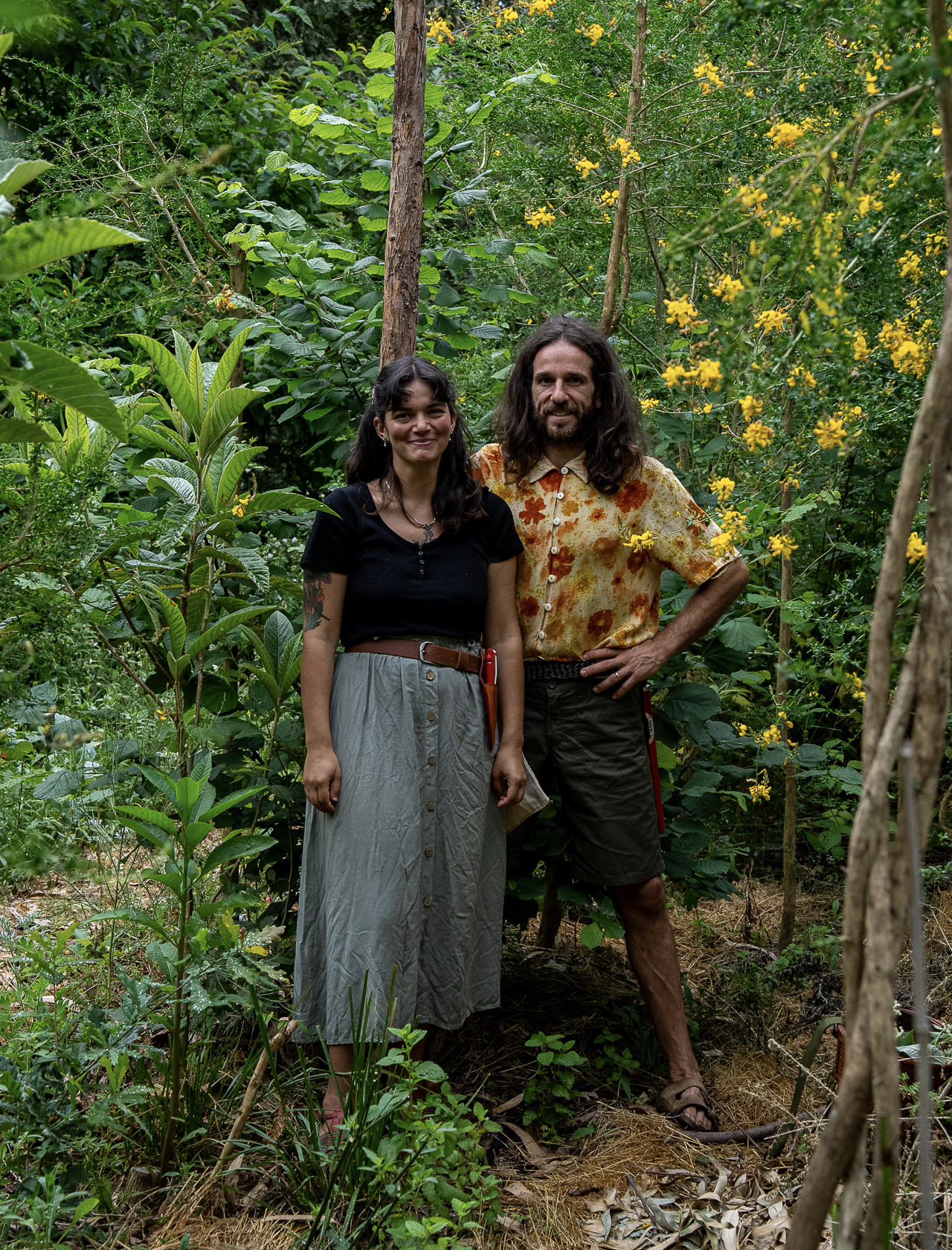
Alice e o marido, André, chamam-se Montanha. O nome não lhes chegou pela árvore genealógica. Chegou como se chega ao cimo depois da subida longa, suada, incerta. Veio com a travessia, com a renúncia, com o gesto de se desfazerem de uma história herdada para recomeçar, noutro chão, outro fôlego. Chamam-se Montanha por escolha – por fé, por símbolo, por gesto. “A montanha é firme, a montanha fica”, diz Alice. “Foi isso que sentimos quando precisámos de acreditar que era possível: viver da terra, encontrar uma casa, criar uma família.”
No filme Kagemusha, de Kurosawa, um líder diz: “A montanha não se move.” É essa firmeza que os guiou quando tudo à volta parecia frágil, improvável. O Sermão da Montanha, no livro de Mateus, fez o resto. “Lembro-me daquela passagem”, diz Alice. “Porquê preocuparmo-nos com a roupa que vestimos? Os pássaros estão muito mais bem vestidos do que nós. Porquê preocuparmo-nos com o que havemos de comer, se os animais têm sempre alimento? Nós estávamos nessa entrega: na fé de que a vida nos daria o necessário.”
Foi nessa fé que se casaram. Sem papel assinado, com alianças personalizadas. Num recanto da serra da Estrela, junto ao rio Zêzere, onde então viviam. Tiveram por testemunhas as plantas, as árvores, um ninho de abelhas e a cadela, Lobita. Casaram-se com a terra. Casaram-se com o gesto de permanecer. Depois vieram os filhos e, com eles, a decisão de continuar o nome: Aldo Montanha e Celeste Montanha. “Disseram-nos que não podia ser, que ‘Montanha’ não era nome. Mas se há Estrela, se há Mar, porque não Montanha?…”
O nome ficou. Raiz que se aprofunda, como as árvores que plantam no terreno onde vivem. Estão a construir uma agro–floresta. Têm como preocupação regenerar o solo, fecundar a terra. Alice fala com o chão nas palavras. Não como quem as pisa, mas como quem as quer interpretar. Conhece as plantas, sabe osnomes, a toxicidade, os segredos.
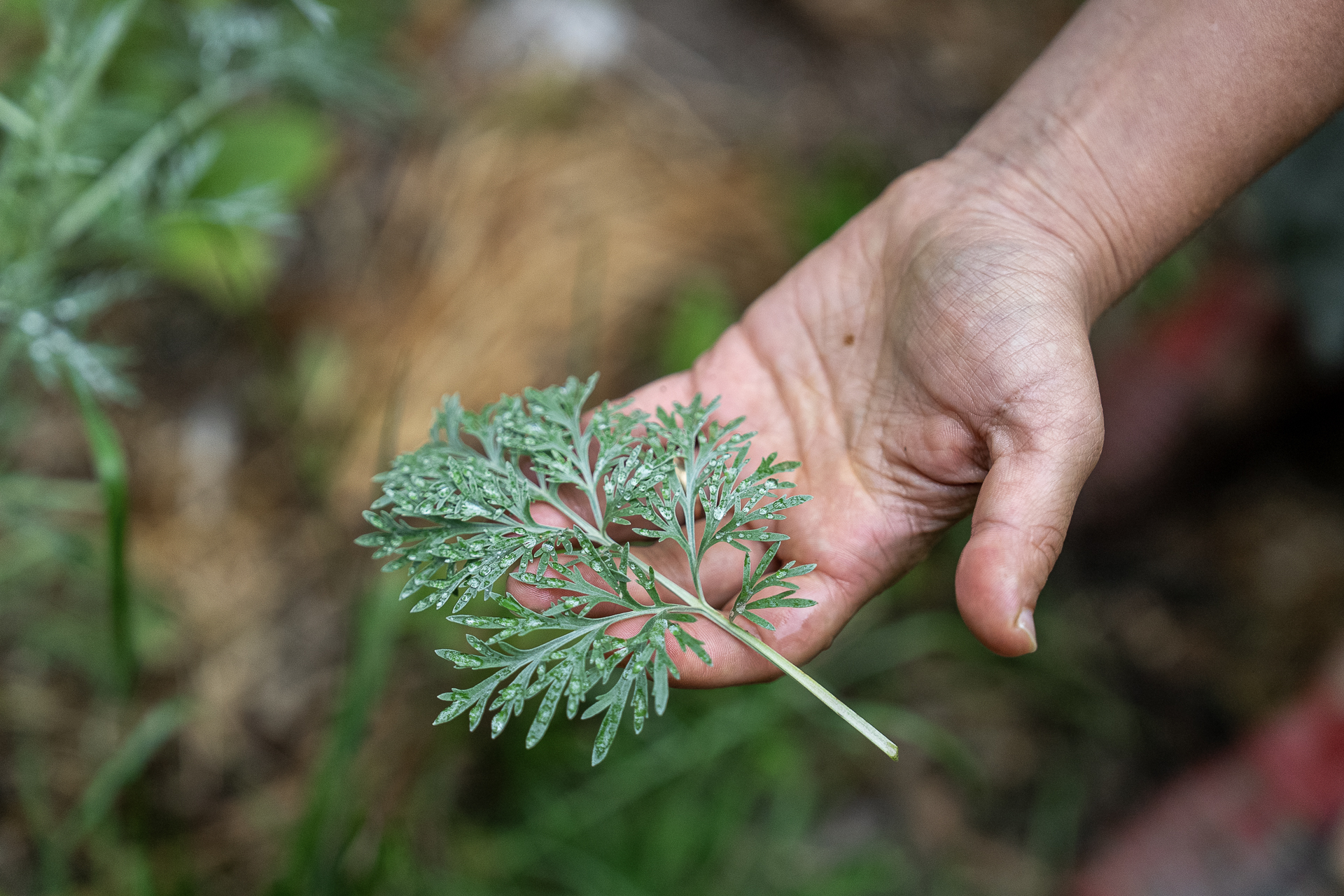
Fala da digitalis como quem fala de uma lição antiga – uma planta tóxica e poderosa, que pode curar ou matar, e que nos lembra que nem tudo o que é natural é inofensivo, mas tudo pode ser remédio,se bem usado. Fala da saponária, do sabugueiro, da equinácea, da urtiga e da sálvia. Conhece-as todas, usa-as todas. Faz cremes e infusões, xaropes e destilados. Aponta para carvalhos e videiras, mostra como a segunda pode trepar pelos primeiros, de como o tempo antigo nos ensinou tanto, e como quase estamos apostados em estragar tudo.
Mas ela e a família não desistem. Estão desligados de todas as redes, menos daquela que os liga ao mundo, ao Instagram e ao YouTube, onde vão dando o exemplo e, com ele, espalhando a palavra. Não se sentem missionários, nem evangelizadores, mas andam como quem semeia, deixando sulcos de exemplo e palavras que hão-de dar rebentos quando for tempo. “Nós e a natureza fomos sendo separados, fomos fazendo asneiras. Complicámos tudo, tornámos o que era simples em algo confuso, difícil. E isto – esta relação com a paisagem, com as plantas, com o território – é simples. Parece complexo, mas é simples”, diz André.
É simples porque é disso que se trata: de manter uma relação de proximidade com a paisagem, de frequência, de presença. E aproveitar o que ela dá. O cesto que traz às costas e a tesoura que pendura no cinto são os instrumentos com que, todos os dias, mantém viva essa relação.
Primitiva Alice Montanha