
Ricardo Brandão
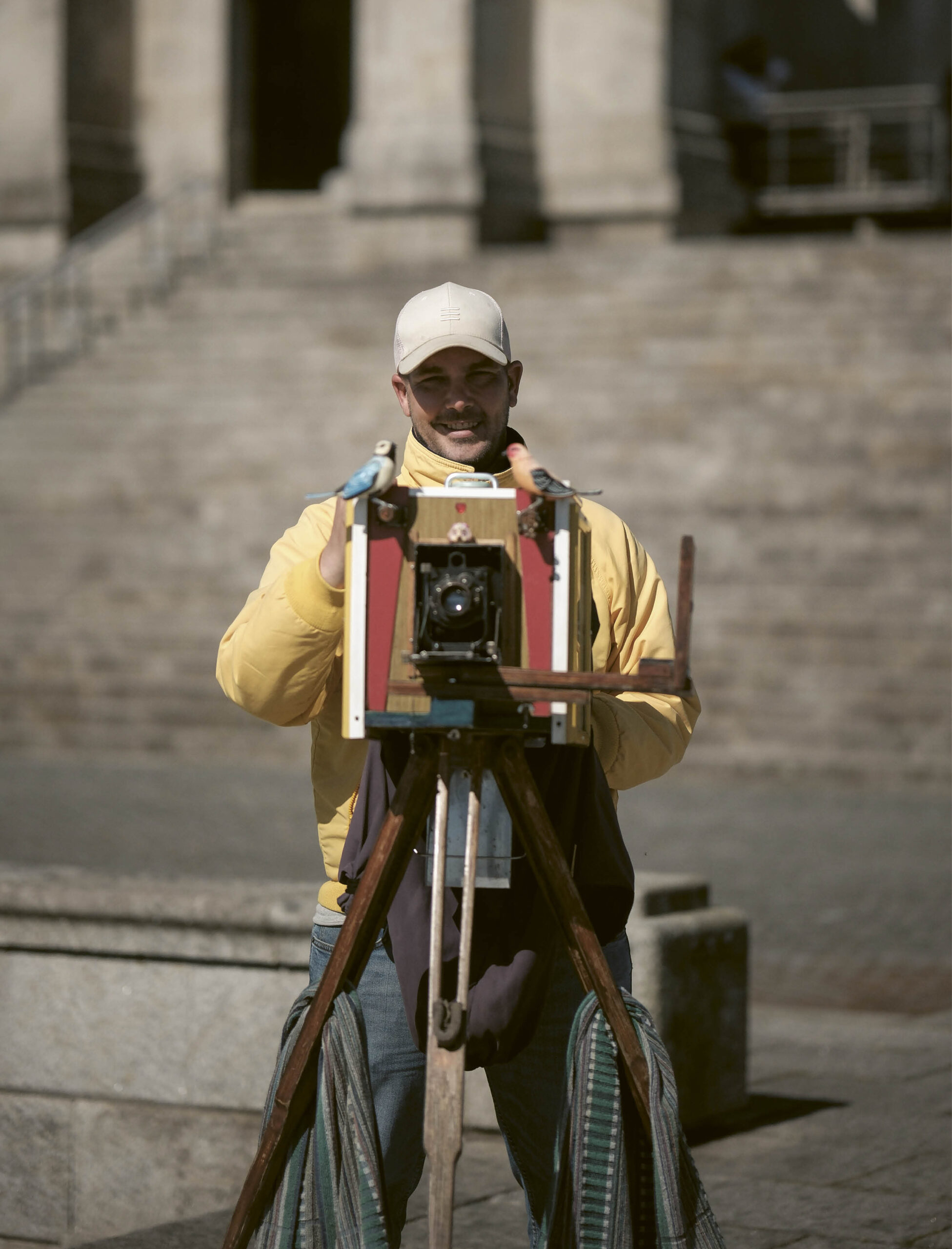
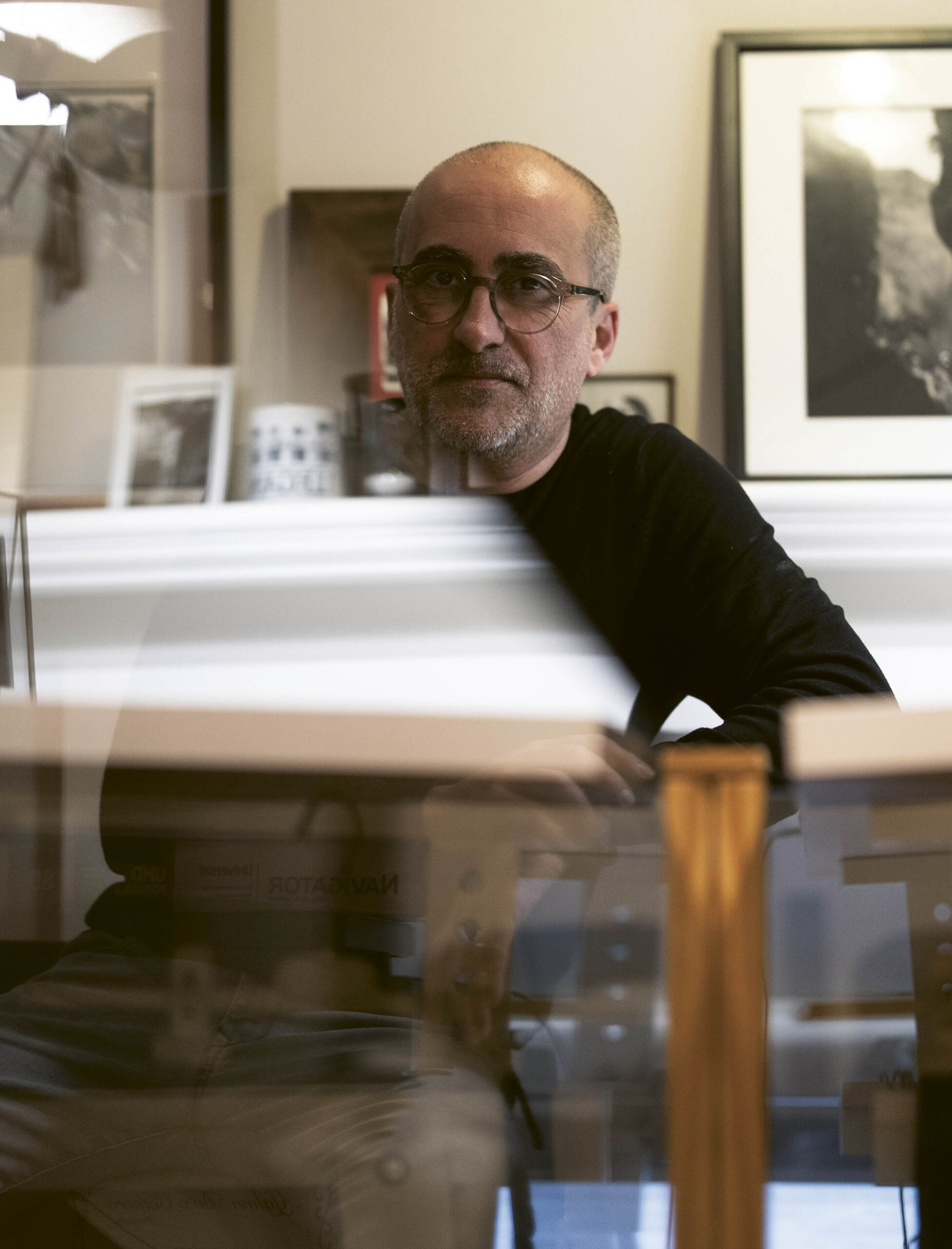
As mãos que curam, a mente que planeia, os olhos que vigiam e a voz que inspira – Ricardo Brandão, coração que sente, personifica a ideia de que conhecer, proteger e transmitir são atos inseparáveisna missão de conservar o mundo natural, as suas aves e o resto, a ideia de microcosmo que fascinou Henry David Thoreau e que hoje, dois séculos volvidos, leva Ricardo a mergulhar nos mais ínfimos detalhes do seu próprio lago Walden – ali para os lados de Gouveia, serra da Estrela.
Guardião ativo, habituou-se a monitorizar populações, a rastrear movimentos, a identificar ameaças e a agir na linha da frente da proteção, ampliando o seu olhar e procurando estratégias para preservar a biodiversidade em nível “macro”. Digamos que ele é a ponte entre a teoria da conservação e a realidade do terreno. Ricardo não só leu Thoreau como vive o ethos thoreauniano na prática diária e semeia essa semente nos mais jovens, garantindo que o legado de respeito e de admiração pela vida selvagem continue a crescer.
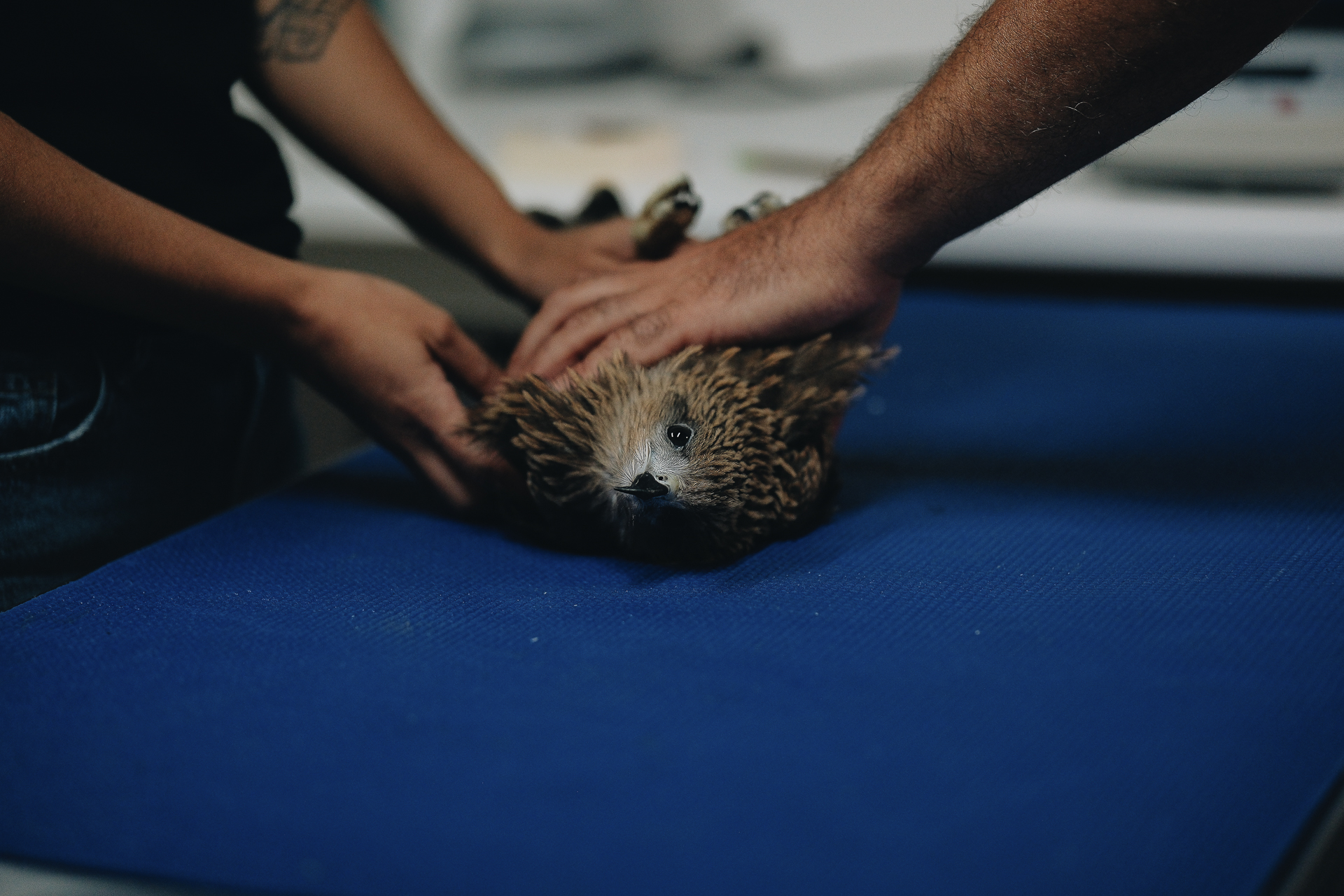
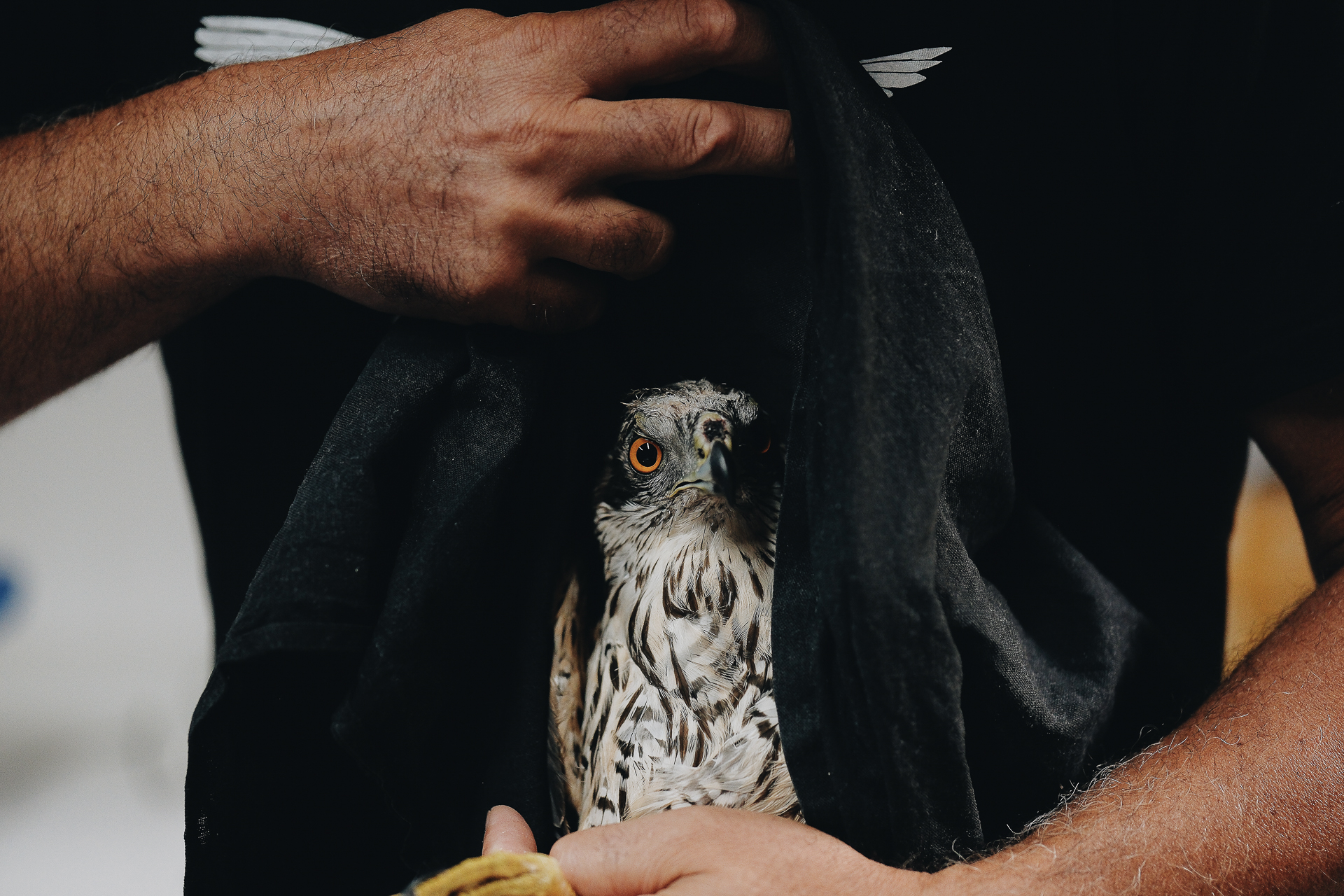
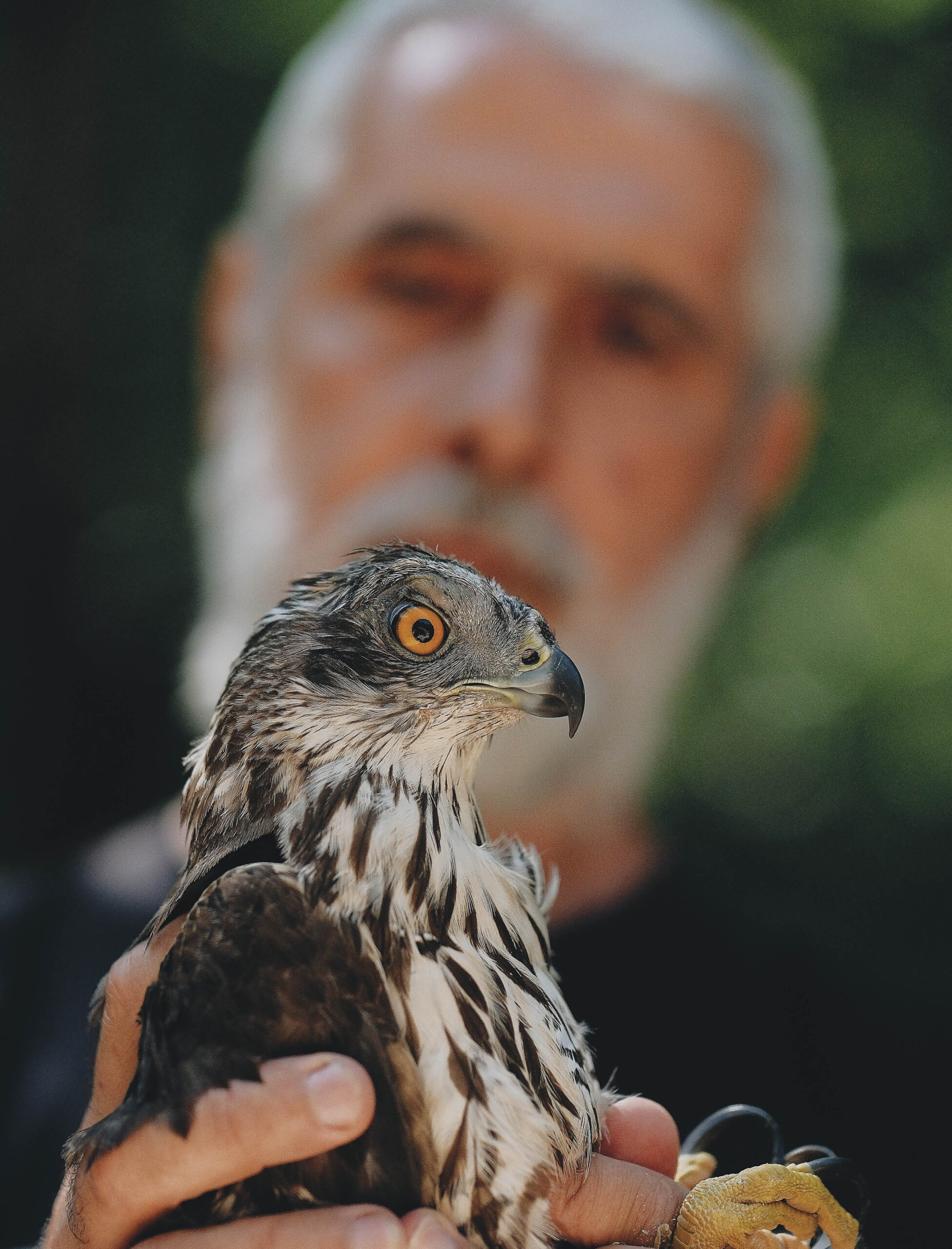
No dia-a-dia, há uma série de listas indecifráveis afixadas nas portas e nas paredes da clínica do CERVAS (Centro de Ecologia, Recuperação e Vigilância de Animais Selvagens). Hoje, uma delas apresenta os pacientes de uma das etapas de recuperação (uma gralha-preta, duas corujas-do-mato, oito mochos-galegos, milhafres-pretos, um falcão-peregrino e bufos-pequenos) e prestes a saltar para as fases que antecedem a ansiada libertação.
“Pode parecer um pouco frio dizer isto, mas, a partir de um certo momento, esta é mais uma ave. Não estamos tão preocupados com o indivíduo, ainda que isso seja a nossa base. Trabalhamos para sermos mais tidos em conta em questões mais globais relacionadas com área protegida e com conservação. Estamos num hospital para recuperar indivíduos, mas isso, para nós, é apenas uma ferramenta para chegarmos ao público, para chegarmos à sensibilização.”
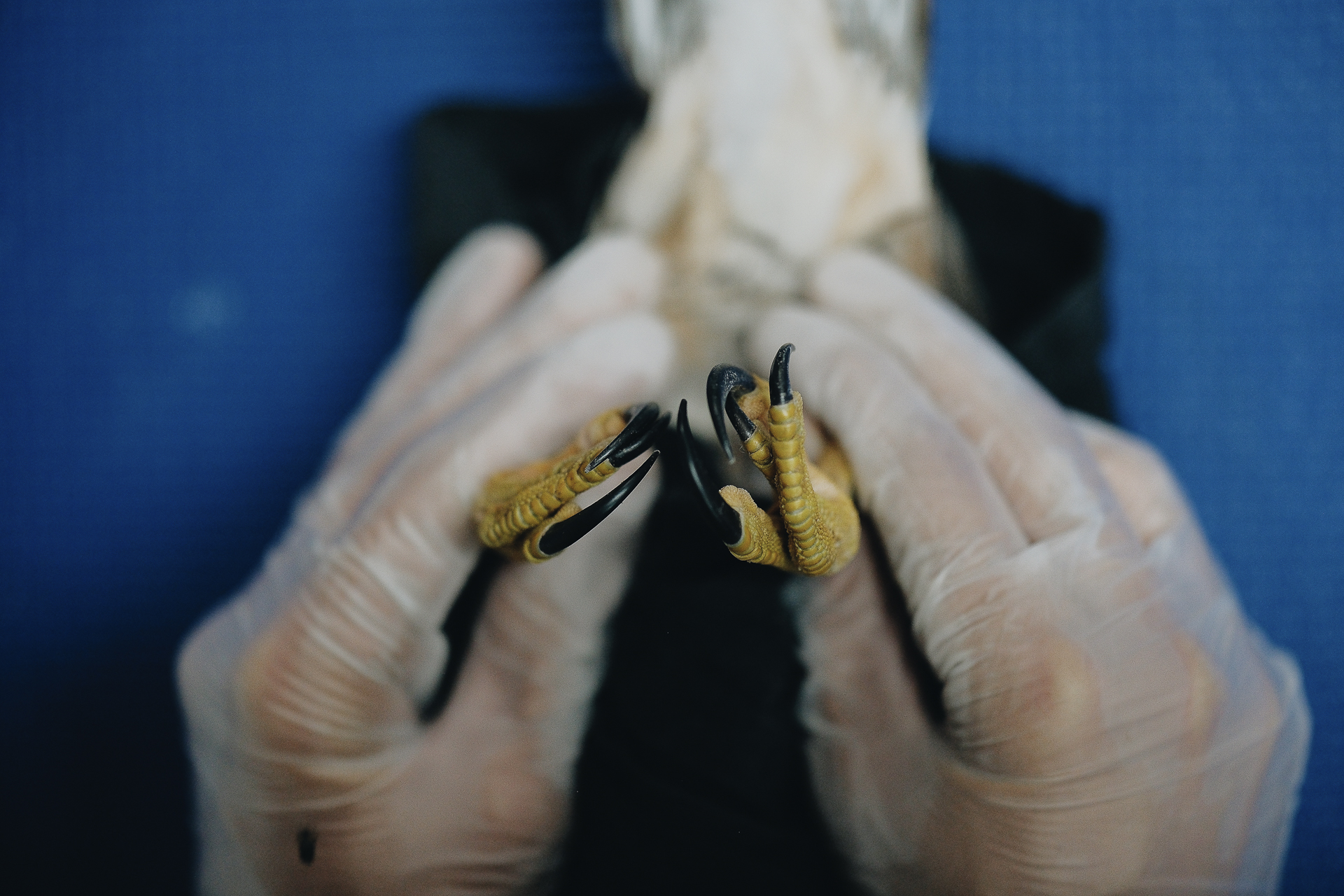
Tratam-se traumas, fracturas, quedas de primeiros voos e de inexperiência, abates e colisões; tenta-se não perder muito tempo; encurtam-se etapas – que os bichos têm que seguir viagem; gere-se o calendário, os recursos do centro e as questões biológicas e o estatuto de conservação de cada espécie. Há muito improviso e muito aproveitamento de recursos. É automático o gesto de esburacar caixotes de cartão com uma faca ou o uso de fita de pintor, de folhas de jornal e de papéis para impressão de radiografias (para envolver e proteger a cauda das aves).
O que faz Ricardo acordar de manhã é a manutenção do projeto. “É sentir que começamos algo, que queremos dar continuidade e que o CERVAS [fundado em 2004] tem ganho alguma relevância. A responsabilidade perante o projeto é aquilo que mais me move. E menos a visão romântica de salvar passarinhos.”
Licenciado em Medicina Veterinária pela Universidade de Trás-os-Montes e Alto Douro, com formação adicional em Biologia da Conservação, Ricardo Brandão – início “muito solitário”, cerca de 700 animais a passarem todos os anos pelo CERVAS com libertações quase diárias – continua a acreditar que o mais importante é criar projetos para resolver os problemas identificados. Hoje, tem noção de que “há mais empatia com os animais”, muito menos casos de perseguição e de cativeiro ilegal, mais eficácia nas redes de recolha e “muito mais informação”.
Fala de uma maior consciência ambiental, mas sabe que “ainda não é uma preocupação das pessoas”, que o turismo de natureza está aí para ficar. “Não podemos deixar que as áreas protegidas sejam parques de diversões. Seria interessante começar a ter um turismo de natureza mais alicerçado no conhecimento. Não é imediato, não é para massas, mas aproveita o que ainda existe do património natural.”
Enciclopédico, Ricardo adora rodear-se de miúdos e graúdos, mostrar que a língua do pica-pau se enrola dentro da cavidade craniana, perguntar qual o bicho que mais alto voa (o grifo-de-rupell), apontar a sua ave favorita (a “resposta fácil” é o abutre-barbudo ou quebra-ossos) e deixar passar de mão em mão os crânios, as garras e algumas penas. Viajante, explorador do planeta e das suas zonas protegidas, calcorreou o Rajastão, na Índia, pisou a Amazónia peruana, perdeu-se em novos grupos taxonómicos e dá por si a “abrir os olhos para outros grupos” e para as suas “relações biológicas”: cogumelos, aranhas, borboletas… “Tenho interesse em tudo. Quanto mais te dedicas ao mundo natural, menos precisas de viajar. Concentras-te cada vez mais num espaço pequeno, onde há cada vez mais coisas para observares. E quando avanças para o microcosmo, deixas de ter que te deslocar. Não que não tenha vontade de viajar, mas cada vez mais sinto vontade em adensar a busca e de a tornar mais meticulosa.”
A profundidade da observação local vai substituindo a superficialidade das viagens distantes, criando mundos infinitos. “A simplificação da vida é a elevação da alma”, pensava Thoreau, que precisava do contacto com a natureza, de mergulhar nela para restabelecer o contacto consigo mesmo. “Fui para os bosques viver de livre vontade, para sugar todo o tutano da vida, para aniquilar tudo o que não era vida, e não, quando viesse a morrer, descobrir que não tinha vivido.”
Ricardo, força da natureza, revela a mesma ligação profunda e transcendente, estudo e vivência, contemplação e reconhecimento do valor intrínseco do mundo natural. Conhecimento que vai além do científico – sensorial, emocional e ético. Talvez o aspeto mais transformador do seu perfil seja a pedagogia, a educação dos mais jovens, os guardiões do amanhã. A verdadeira conservação faz-se a longo prazo.