
Franziska Nagelova
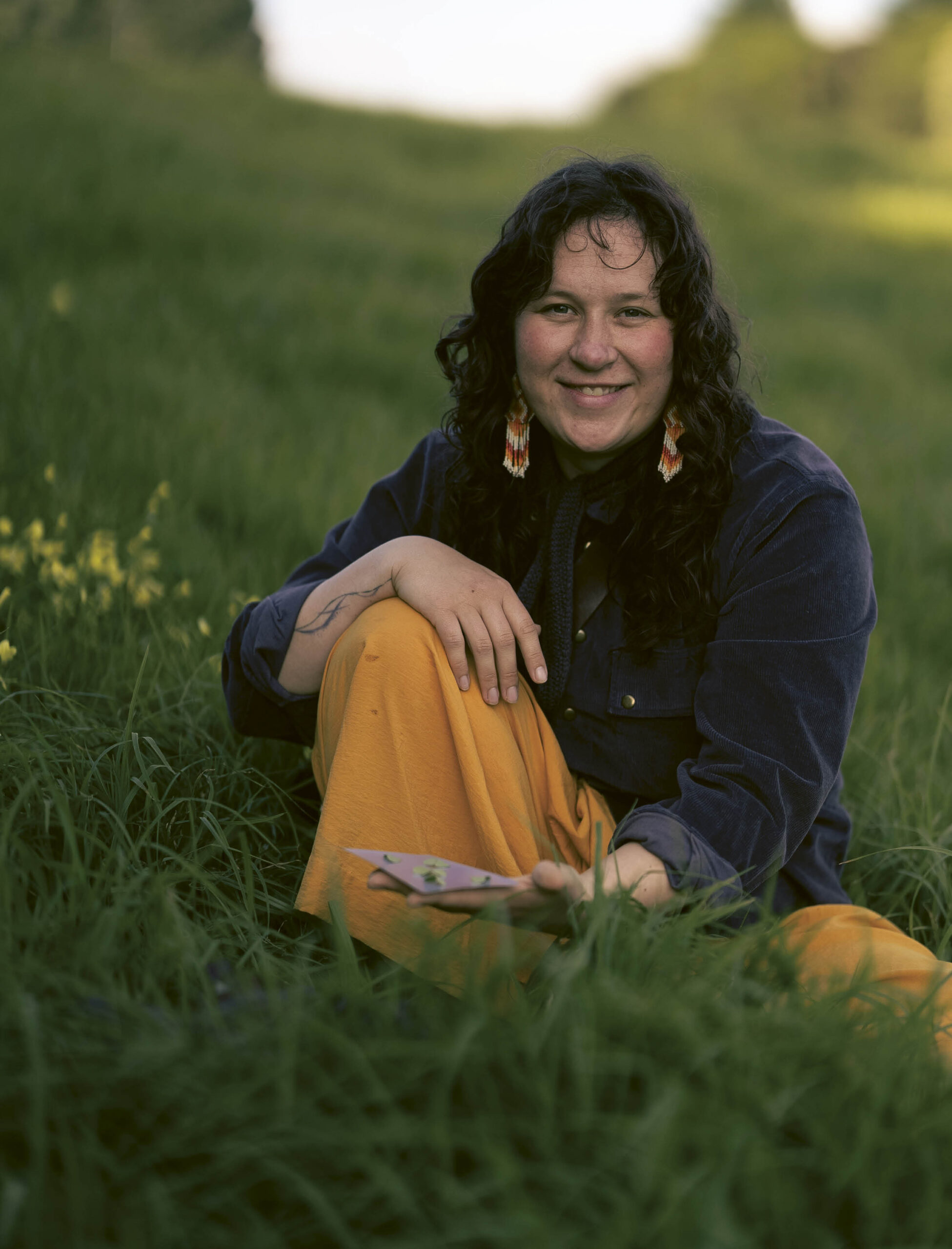
Franziska Nagelova aprendeu cedo que a fotografia é uma forma de estar no mundo. Nasceu na Alemanha, mas cresceu em Brno, na República Checa. Foi lá que, aos 15 anos, começou a frequentar um atelier em que podia experimentar cinema, rádio, várias expressões artísticas tais como a fotografia e os seus processos analógicos num laboratório a preto e branco. Foi também nessa altura que recebeu a sua primeira câmara analógica – e nunca mais a largou. Levava-a para todo o lado, mesmo nas viagens longas de intercâmbio até Hong Kong ou Filipinas. “Adoro viajar e levava sempre aquela câmara pesada comigo”, recorda.
Mas foi em Viena que a fotografia deixou de ser apenas paixão para se tornar posicionamento. Num festival dedicado à fotografia analógica – o Rotlicht, “luz vermelha”, como a dos laboratórios – assistiu a uma apresentação sobre fotografia alternativa e sustentabilidade. Havia uma exposição sobre o impacto ecológico da fotografia, analógica e digital. “Percebi: eu adoro a fotografia, mas ela não é perfeita.” A pergunta que se seguiu tornou-se eixo do seu percurso: como continuar a fazer aquilo de que gosta, reduzindo a pegada ecológica?
Essa inquietação levou-a a aproximar-se de processos alternativos e menos tóxicos, como o caffenol – revelador feito com café, carbonato de sódio e vitamina C – e a cianotipia. Descobriu o grupo britânico Sustainable Darkroom e aprofundou experiências numa residência artística na Alemanha, onde decidiu “perder-se” nas técnicas que a intrigavam. “A experimentação e a imperfeição são muito importantes no meu trabalho. É fundamental falhar muito e agir sem pensar demasiado.”
A viver em Matosinhos desde 2023 – “descobri o mar, descobri o surf, fiquei agarrada a este lugar” –, é o oceano que estrutura a sua prática. A proximidade do mar – e os problemas causados pelas condutas de saneamento nas praias – transformou-se em matéria artística. Juntou-se a uma ONG que recolhe amostras de água para análise bacteriológica e decidiu responder com imagens. Recolheu água dos esgotos que chegam ao mar e utilizou caffenol para, simbolicamente, “curar” essa água no processo fotográfico. Incorporou algas sobre papel fotográfico, trabalhou com papéis reciclados e expirados, aplicando os princípios dos 5 RR. “Não é perfeito, mas tento pensar: como posso tornar este tema sujo um pouco mais limpo, pelo menos na minha maneira de o abordar?”
A sua fotografia é, assim, um gesto ético e sensorial. Ético, porque procura reduzir impacto e escolher colaborações coerentes – privilegia marcas locais, de pequena escala, ligadas à moda lenta, e sublinha a importância da “sororidade”. Sensorial, porque persegue aquilo a que chama o “uau”: uma reação física, intuitiva, que orienta tanto a criação como o ensino. “Observas e sentes: isto provoca um ‘uau’ dentro de ti? Se sim, segues nessa direção.”
Formada em Pedagogia de Línguas e Tradução, encontrou nos workshops um espaço natural de partilha. Defende o ensino não formal, em que o erro é parte do processo.
No caffenol, cada café produz um tom diferente; com mais vitamina C, surgem arroxeados inesperados. A incerteza é matéria-prima: muitos resultados não são sequer fixados e acabam por desaparecer com o tempo. Gosta dessa ideia: a beleza é transitória, não dura para sempre, há um ciclo natural. “Mas podes digitalizá-la, se quiseres preservar a imagem.”
Essa consciência do tempo atravessa também as suas paisagens. Trabalha com exposições longas, duplas, uma estética próxima da lomografia, criando imagens por vezes abstratas, em que montanha e água se confundem. Procura a suavidade da luz nas folhas, a alegria discreta do instante presente. “Falta, na fotografia comum, a suavidade e a alegria do momento.” Ao tornar as paisagens mais misteriosas, convida o olhar a demorar-se – e, ao demorar-se, a cuidar.
A ligação aos materiais é central. Recolher uma folha do chão, colocá-la sobre o papel, permitir que os produtos químicos naturais reajam com o revelador: cada imagem nasce de um contacto físico com o lugar. “É algo que não podes fazer com uma câmara digital.” Ainda assim, não rejeita o digital; utiliza-o em trabalhos comerciais mais rápidos, consciente das exigências do presente. Mas é no tempo lento que encontra sentido – como quando fez o Caminho de Santiago apenas com a câmara analógica. “Prepara-se a câmara, respira-se, vive-se o agora. Não procuras o resultado imediato, apenas desfrutas do momento. Só vês o resultado mais tarde, quando revelares. E então tens outro ‘uau’. Ou não. Mas pelo menos tiveste aquele momento de desaceleração.”
Também a risografia – técnica de impressão ecológica, de textura granular e sobreposição de cores – integra o seu vocabulário. Num fotolivro sobre permacultura, documentou uma horta austríaca resistente ao calor de agosto: enquanto tudo em redor estava seco, aquele jardim, cultivado há 30 anos segundo princípios sustentáveis, permanecia vivo. Quis mostrar essa possibilidade.
O que é essencial na sua relação com a fotografia hoje? “O mesmo que no início: partilhar valores. Vulnerabilidade, sensualidade, energia feminina que se liga à Mãe-Natureza, liberdade de expressão, partilhar boa energia, trocar esperança.” A fotografia é meio e mensagem, é ferramenta e gesto de cuidado.
Franziska continua a querer ficar perto do oceano português. Planeia novos workshops, alinhados com o ritmo das estações, e sonha regressar à América do Sul para fotografar paisagens que “limpam a alma”. O que a mantém curiosa e dedicada continua a ser procurar, sempre, aquele instante em que algo dentro de si – e de quem olha – diz simplesmente: “uau!”.
Primitiva Franziska Nagelova