
Ivan da Silva
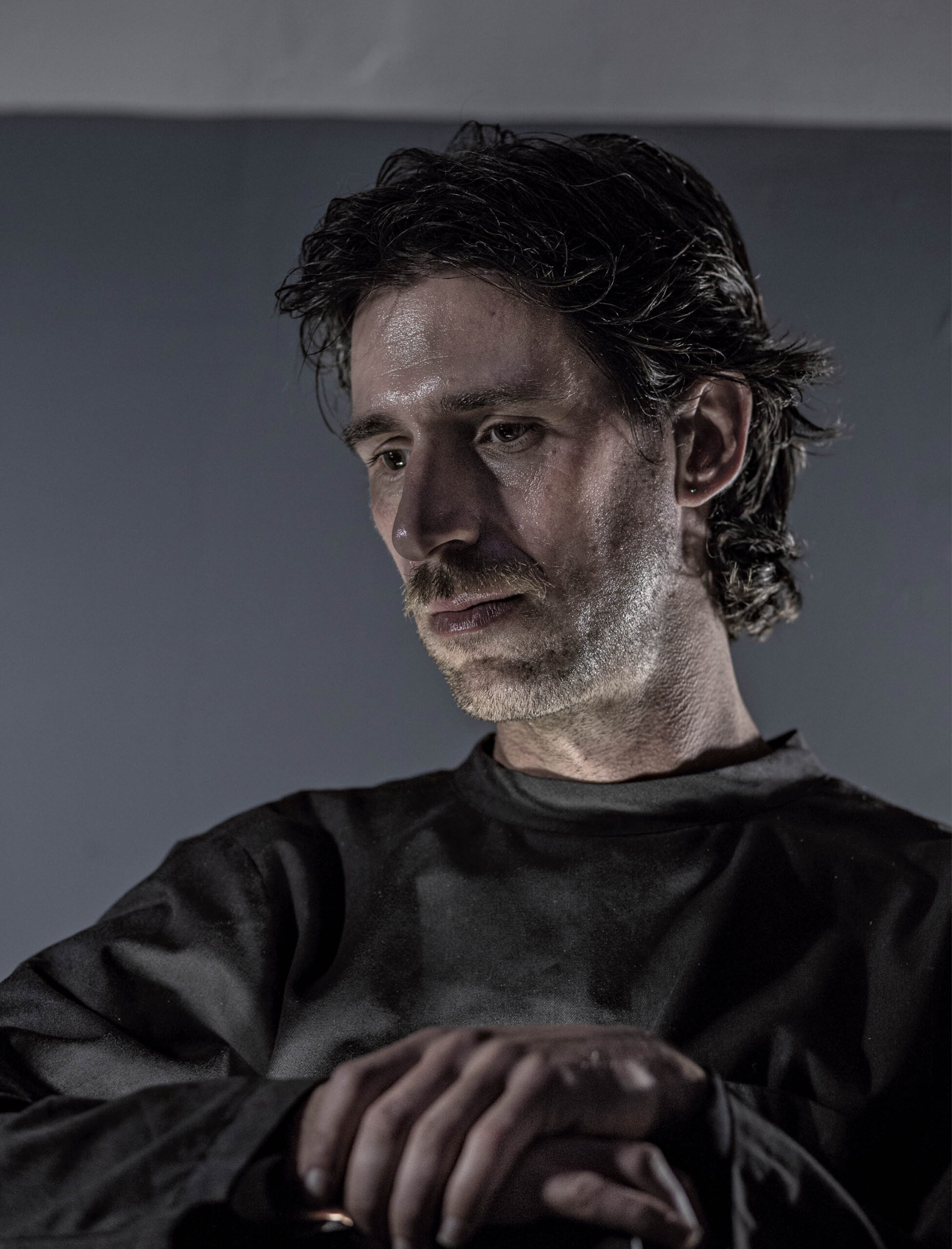
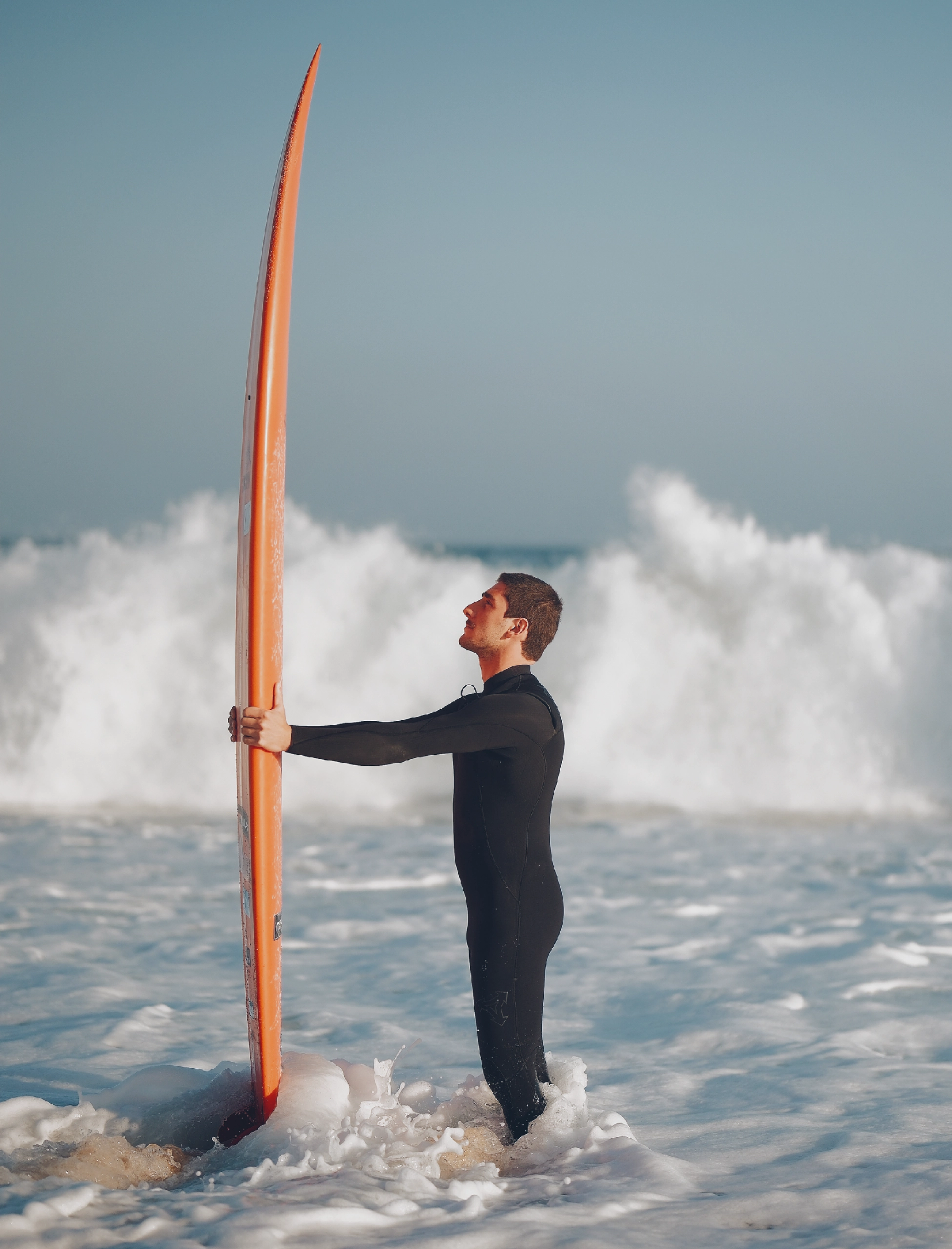
Num pano que já foi branco, o infinito encontra o finito, a onda oferece-se à areia: “A transição entre o mar e a terra.” Um vestígio, uma marca física de um instante irrepetível, a química da luz como fenómeno natural através de um mergulho, “quase como lavando a imagem diretamente no mar”, conta-nos Ivan da Silva, à medida que desdobra o lençol manchado de estrias azuis, uma peça que reflete um pouco aquilo que tem vindo a desenvolver do ponto de vista artístico: a imagem na sua dimensão escultórica. “Apesar de ser representativa de alguma coisa que eu vejo, ela não é necessariamente figurativa. Encontra-se mais no domínio do abstrato. Não é uma peça totalmente plana, que foi algo que, na fotografia, sempre tive resistência em aceitar.”
O limbo, a rebentação, o momento em que o mundo imprime uma cópia de si mesmo. Ivan (Rio Tinto, 1989) olha para trás e percebe que muitas das fotografias que produziu tinham capacidades tridimensionais, eram capazes de ocupar o espaço físico e de o transformar. “É muito mais uma ideia de experimentar”, comenta este autodidata que todos os dias procura “inventar a profissão”. “Quando estava a crescer, não havia ninguém por perto relacionado com as artes. Então, ser artista era pintar quadros. A profissão parece que nunca chega a ficar totalmente realizada ou concretizada em algum momento. Vai sendo construída de uma forma totalmente experimental, até sem estrutura. As coisas vão acontecendo. E a forma como a ideia encontra o mundo vai tornando a coisa mais real. E é isso que existe: a ideia a encontrar o mundo e, depois, a transformar-se em algo.”
“Ação direta”, defende; a fotografia como território de invenção, de intervenção e de resistência, de pedagogia e de ferramenta de criatividade, que considera necessária e essencial. Um laboratório de criação em que a máquina fotográfica não é indispensável – e nunca um instrumento de registo passivo, mas uma ferramenta para explorar a própria perceção e os limites da linguagem visual. Antes a química como pincel, a manipulação de mergulhos sensíveis, metamorfoses mais ou menos controladas, mais ou menos aleatórias. As imagens como objetos escultóricos, como movimento e emoção. E o ato de fotografar, de criar imagem, mais importante do que o objeto final. “Coloco o produto químico específico numa determinada mancha da imagem e ele reage daquela forma. Não é totalmente controlável como um pintor figurativo, mas está dos expressionistas.”
Ivan estudou (e pratica) optometria. Foi atraído pela antropologia visual e pela química fotográfica. Completou o Curso Profissional de Fotografia no Instituto Português de Fotografia e o Mestrado em Design da Imagem na Faculdade de Belas-Artes da Universidade do Porto. Hoje em dia, é no Túnel, espaço comunitário autogerido na zona de Campanhã, no Porto, que a sua visão vai ganhando formas e dimensões e que o debate e as dinâmicas com outros criadores acontecem; entre a carpintaria e a câmara escura, entre a cozinha e a vista para a horta, entre as técnicas vernaculares que lhes chegam do outro lado do mundo e que aplicam na Bananeira, a horta comunitária e espontânea que germinou nas escarpas das Fontainhas, entre tecidos acrobáticos e liberdades conquistadas – e bem longe daquele momento em que Ivan se sentiu “absolutamente triste” ao chocar de frente com a arte “que nós conhecemos” de galerias de paredes brancas, de exposições internacionais e de espaços inexpressivos. “Senti: ‘Olha, não é mesmo por aqui…’” Daí, passou a desenvolver dinâmicas e jogos para grupos específicos, a ensinar a ler a imagem através do quotidiano (de “cordões, pedras, sólidos, paus e objetos encontrados no lixo”) e a tornar as coisas tangíveis.
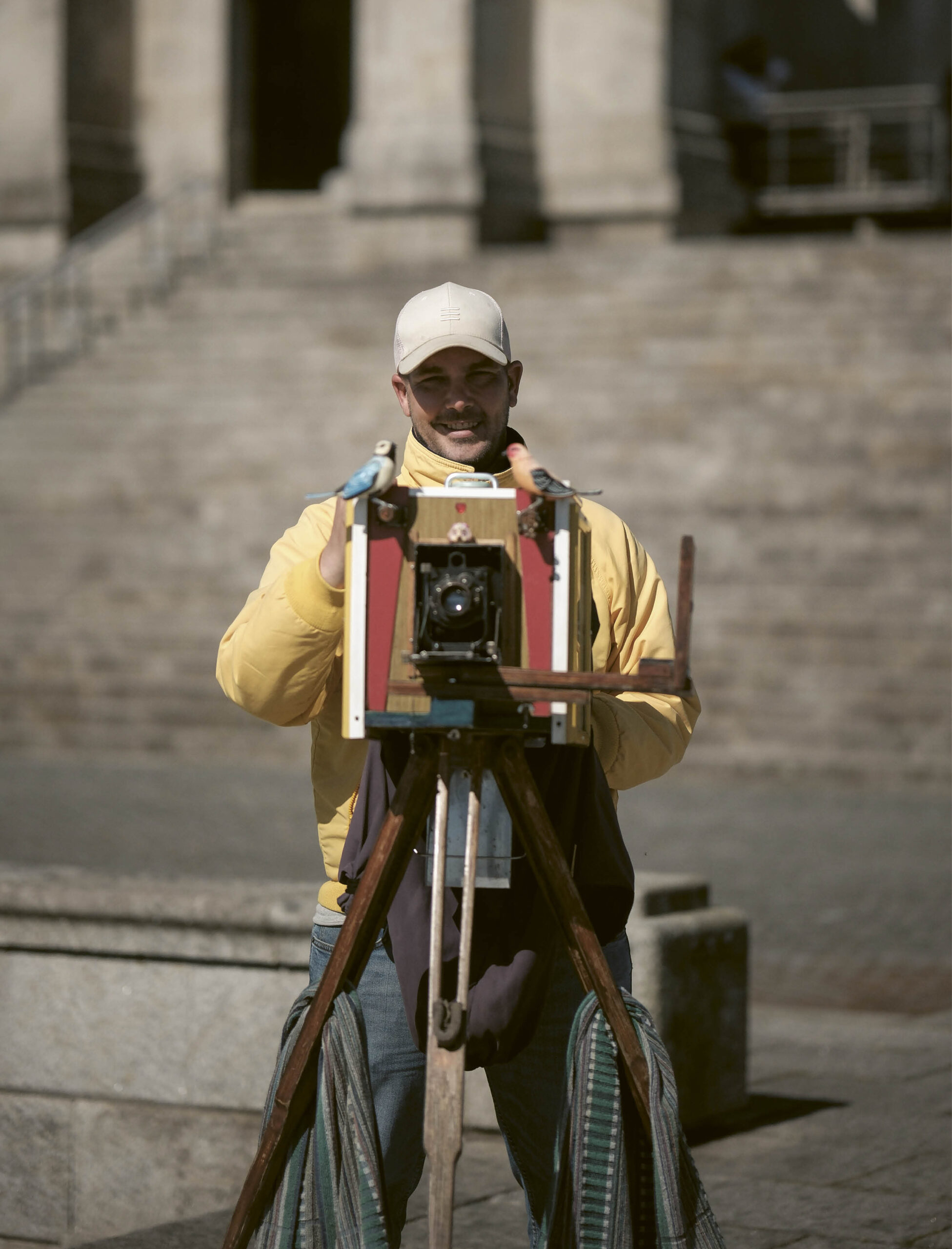
Já não o assusta, mas ainda vive com o legado do colódio húmido, processo fotográfico pelo qual se apaixonou e que adotou até hoje, trazendo consigo as placas de vidro e de metal, os frascos de laboratório e as câmaras de grande formato, mas sobretudo tudo o que assimilou deste processo repetido até à exaustão: a profundidade extraordinária dos detalhes, a sensibilidade das matérias, a originalidade dos tons e, principalmente, “a perceção lenta de um retrato, com microexpressões que podem ficar ou não registadas e um padrão de um rosto que não é apenas a ideia de um momento”.
O colódio, matéria a corroer-se, ajudou o artista a “construir alguma coisa”, a descobrir pessoas, que o ajudam a descobrir-se. E uma coisa leva a outra. E Ivan, que nunca tinha querido abandonar um pôr do sol “incrível”, percebeu que tinha vontade de sair e que também queria pertencer a outros sítios. “A carência transformou-se numa vontade de permanecer fora”, conta.
Tudo começou numa viagem “transformadora” à Índia. “Há um deslocamento tão grande do quotidiano que eu começo a ver o meu quotidiano pela primeira vez”, lembra o artista, que, aos poucos, vai tentando prolongar as suas estadas no estrangeiro, autênticos processos de autodescoberta e de metamorfose das próprias técnicas experimentais. Passou dois meses no Chile (com o amigo Carlos Trancoso) a trabalhar uma ideia comum de esperança e a gritar “No es sequía, es saqueo!”, esteve no Camboja a absorver técnicas de construção com materiais locais e crus e, mais recentemente, encontrou na baía de Todos-os-Santos, no Brasil, um porto seguro e “um lugar no mundo” aonde possa voltar. “É a primeira vez que eu tenho um lugar aonde eu vou conseguir voltar”, sorri. “A ideia de regresso interessa-me.”
A imagem, a fotografia escultórica, vai transformando. Vai-se transformando também: perdem-se os cinzentos do Porto e o monocromático da Europa, vingam as cores saturadas, as atrações dos povos e as declarações da terra. A fotografia de Ivan é como fantasmas, presenças de ausências – uma tensão permanente entre a janela que se abre para o mundo e o espelho que reflete o interior do artista.