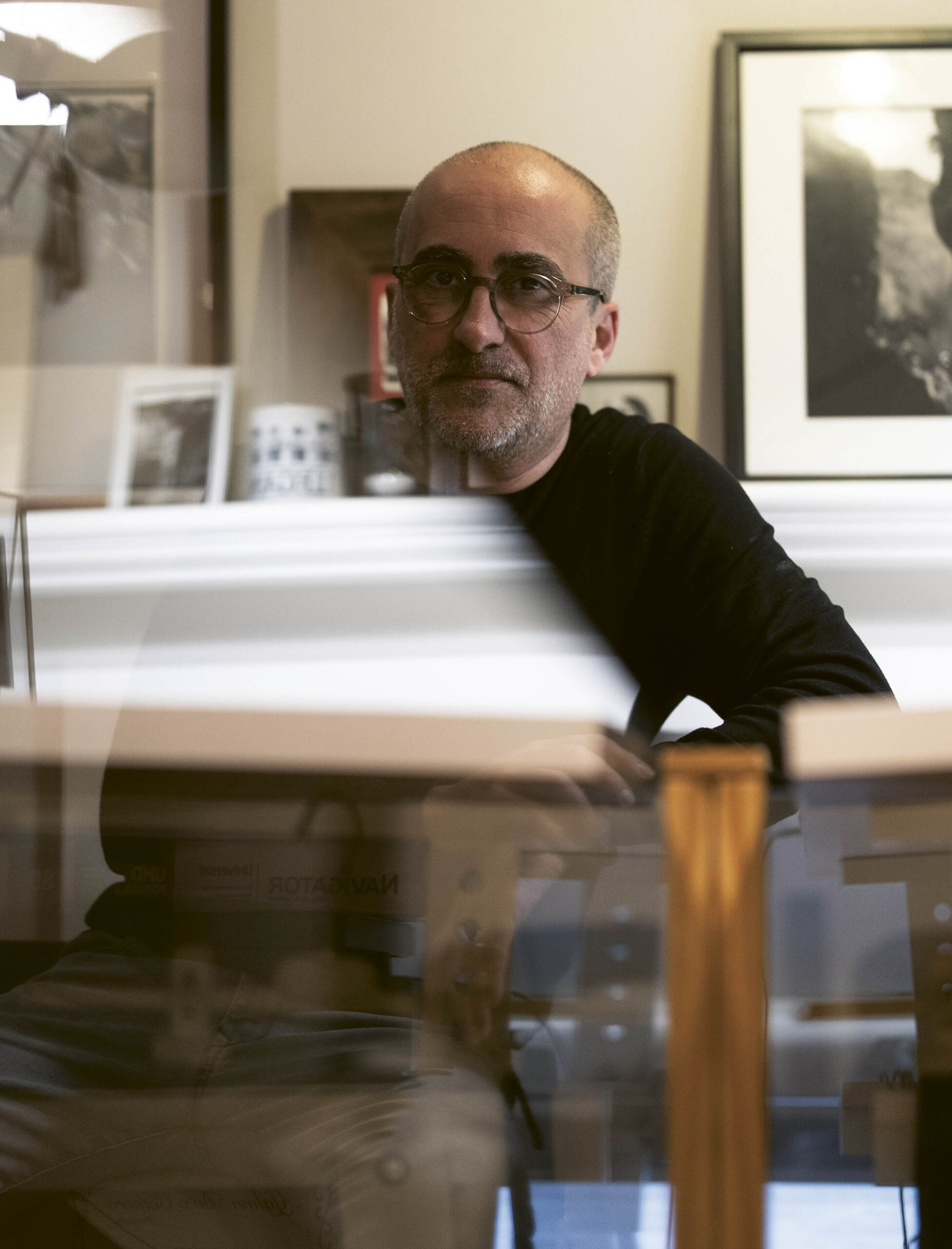

Guilherme Strecht Monteiro
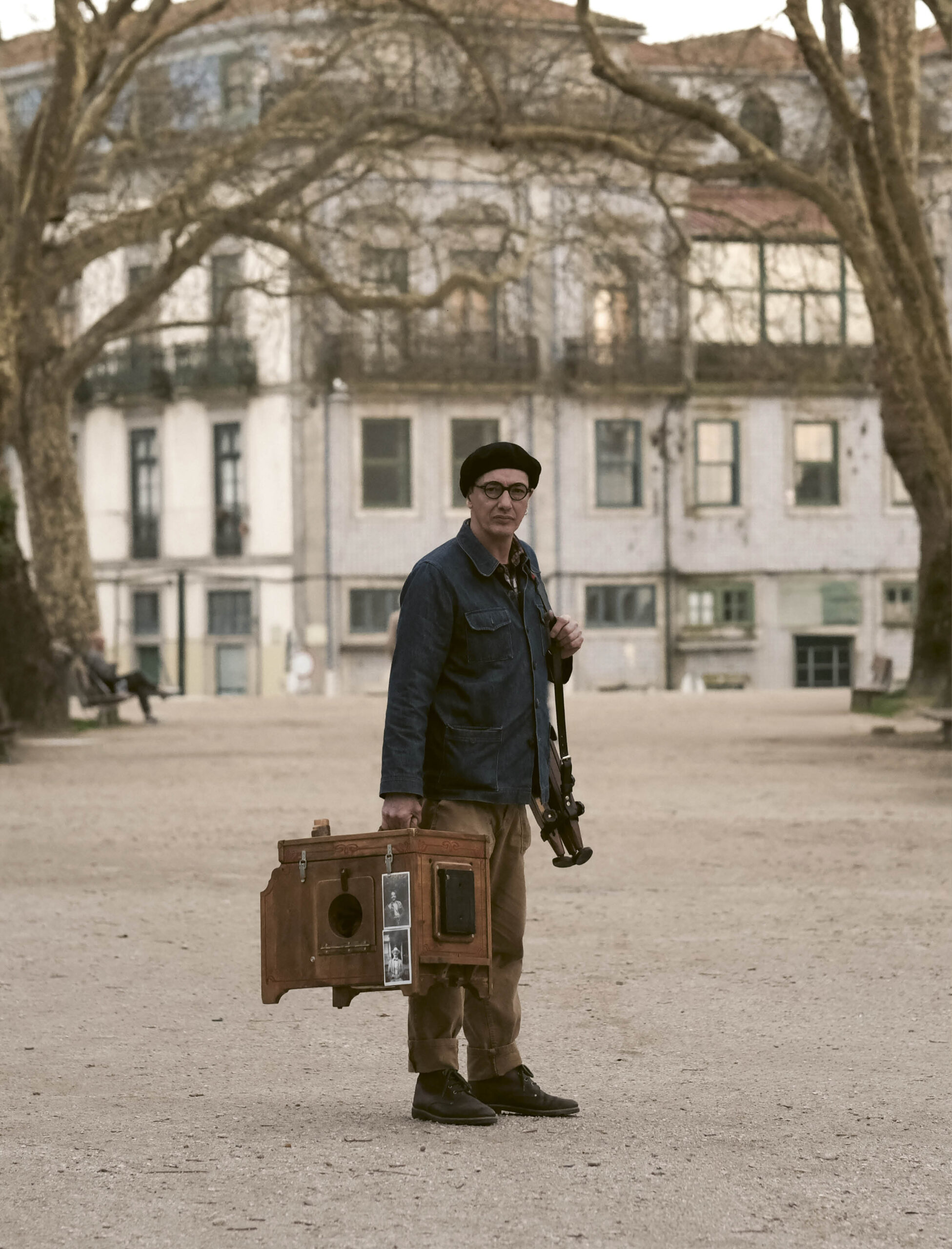
Haverá entre a fotografia a la minuta e a construção de uma ocarina algum paralelismo? A alquimia do instante, talvez. Moldam-se luz e barro através de rituais em que o tempo se materializa em objetos únicos.
Tudo o que se perde, apaixona Guilherme Strecht Monteiro (1969), interessado em “fazer coisas que já não se sabe fazer”. Essa é “a magia”, sublinha, durante uma conversa sobre fotografia a la minuta que revelou ser a parte que se pode tomar pelo todo: a “angariação de conhecimento”, de técnicas e de formas que a contemporaneidade vai esquecendo e a “experimentação”, a sua aplicação na prática, na matéria, na cozedura de um ninho de ocarinas numa cova aberta (tipo soenga) com lenha e terra no quintal, nos gestos cegos na câmara escura, que, à sua maneira, também é um corpo de argila, moldável: a textura, o vazio, o ar que ocupa os espaços, a escuridão claustrofóbica, os sopros invisíveis e a obra que nasce no momento exato do contacto com o ar e a luz.
“Porque é que eu não hei de fazer isto?” O pensamento acompanha este artesão, aderecista no Teatro de São João (Porto) que trabalha no teatro “por carolice” desde os 16 anos (profissionalizou-se há 30) e que foi juntando “saberes que se perdem” às técnicas de carpintaria que herdou do avô. “Há muitas manualidades que passam por mim e que vão ficando”, diz Guilherme, apto a costurar à máquina ou à mão, a moldar barro, a “fazer qualquer coisa”.
Foi o que aconteceu com a fotografia a la minuta com que teve um primeiro encontro imediato aos cinco anos de idade, nas festas do Senhor de Matosinhos, “logo a seguir ao 25 de Abril”. “Aquilo ficou-me na cabeça. Fiquei espantado. Como é que é possível uma caixa fazer fotografias que nos entregam de imediato?”
Os anos foram correndo e Guilherme foi recolhendo informação dispersa sobre o tema. Percebeu que, no Porto, os fotógrafos andavam pelos jardins, pelas praças e na Foz do Douro. Que a profissão ambulante era familiar, hereditária e que circulava “de terra em terra, de sítio em sítio, de aldeia em aldeia”, tal como o barbeiro, o dentista ou o veterinário. “As pessoas tinham uma profissão principal e fotografavam ao fim de semana, aos feriados e nas romarias, para terem um extra de rendimento. Tenho encontrado fotografias com o carimbo na parte de trás”, explica o colecionador, que se foi deparando até com a existência de cenários (paisagens, monumentos, carros e até cenas cómicas) para além do famoso cavalinho, onde os mais miúdos se sentavam e sonhavam.
A fotografia a la minuta já foi sinónimo de lembrança familiar, de bilhete de identidade ou de cédula militar. “Democratizou a fotografia, que, até então, pertencia às elites”, refere, mencionando, a propósito, George Eastman, fundador da Kodak, que, no início do século XX, vendia o seu modelo Brownie por um dólar. O próprio Guilherme, “autodidata”, começou cedo a fazer fotografia analógica (“que era a que havia”), tendo montado no seu quarto de então o seu laboratório pessoal. “Foi sempre por apalpação e tentativa.” E foi na sequência disso que surgiria o “laboratório dentro de uma caixa” e toda a investigação de um fenómeno com vários focos internacionais, desde o lambe-lambe à foto agüita, dos fotógrafos minuteros aos afegãos (fotógrafos e construtores de kamra-e-faoree) que Lukas Birk encontrou e identificou a partir de 2006 – a investigação do austríaco destaca como a câmara sobreviveu a vários regimes, inclusive aos taliban, que impuseram uma proibição quase total de todas as formas de representação visual e destruíram muitas câmaras nas recentes décadas.
A câmara é uma caixa muito simples e contém tudo o que é necessário para captar e revelar uma imagem. O negativo, primeiro; o positivo, depois. Guilherme construiu todas as peças da sua – que é “um híbrido” de caixa europeia e de sistema afegão –, da pega do caixote de madeira, que já foi o troca-fraldas do filho, ao tripé, à paleta articulada, ao pano e à manga de veludo e até à pintura estilo arte nova.
“É tudo mecânico – menos esta lampadazinha. É tudo o mais manual possível. É quase pré-histórico”, aponta o criador do projeto Wonder Box, a “caixa-maravilha” que Guilherme vai manipulando com paciência e precisão. “Hoje em dia, já não se constrói muito, mesmo no teatro, cada vez mais uma coisa despojada de cenários.” E a fotografia sofre do mesmo: “É como comprar um carro novo, que um mecânico não sabe abrir e mexer nele. Perde-se tudo” – inclusive as próprias fotos a la minuta (“não há arquivo de nada”) –, lamenta o retratista.
Tal como na olaria artesanal, sem cópias, também este estilo fotográfico, uma emulsão viva e vulnerável, celebra o único e até a imperfeição como uma assinatura de presença. Fotografias ou ocarinas: impressões, gotas de água que escorrem, manchas de revelação, rasgos de luz, gestos humanos que fabricam relicários, objetos que podemos segurar na palma da mão e abraçar e recordar.