Mihaela Noroc: Atlas do poder feminino
Mihaela Noroc passou os últimos 12 anos a retratar mulheres anónimas em mais de 100 países. Através de retratos sem pose e testemunhos diretos, mostra que a beleza está na autenticidade e o poder, na diversidade.
Mihaela Noroc estava em Leh, capital do território federal de Ladakh, na Índia, quando lhe pediram para fotografar uma rapariga. Disse que sim – afinal, é o que faz há mais de uma década. Costuma ser ela a escolher os rostos que fotografa, guiada por uma impressão, um detalhe, uma energia. “Se calhar”, diz, “também acabo por ser eu a escolhida.” A jovem chamava-se Insha e fez-lhe um pedido: “Tem que vir comigo ao meu lugar especial.” Levou-a a um mosteiro budista, no alto da cidade. Era fim de dia, escuro. Mihaela hesitou – avisou que a fotografia talvez não resultasse, por falta de luz. Mas foi. Valeu-lhe a Hasselblad com que trabalhava: uma câmara que lhe permitiu captar o retrato da jovem muçulmana com a sua roupa tradicional. “Ali, as roupas tradicionais fazem parte do quotidiano. São uma extensão do estilo de vida. Por isso, foi ela que dirigiu a fotografia.” Insha hesitou; depois sorriu. Mihaela não ficou apenas com mais uma imagem para o enorme caderno visual que tem vindo a construir, encontrou nela a capa do seu segundo livro, The Atlas of Beauty: The Power of Women.
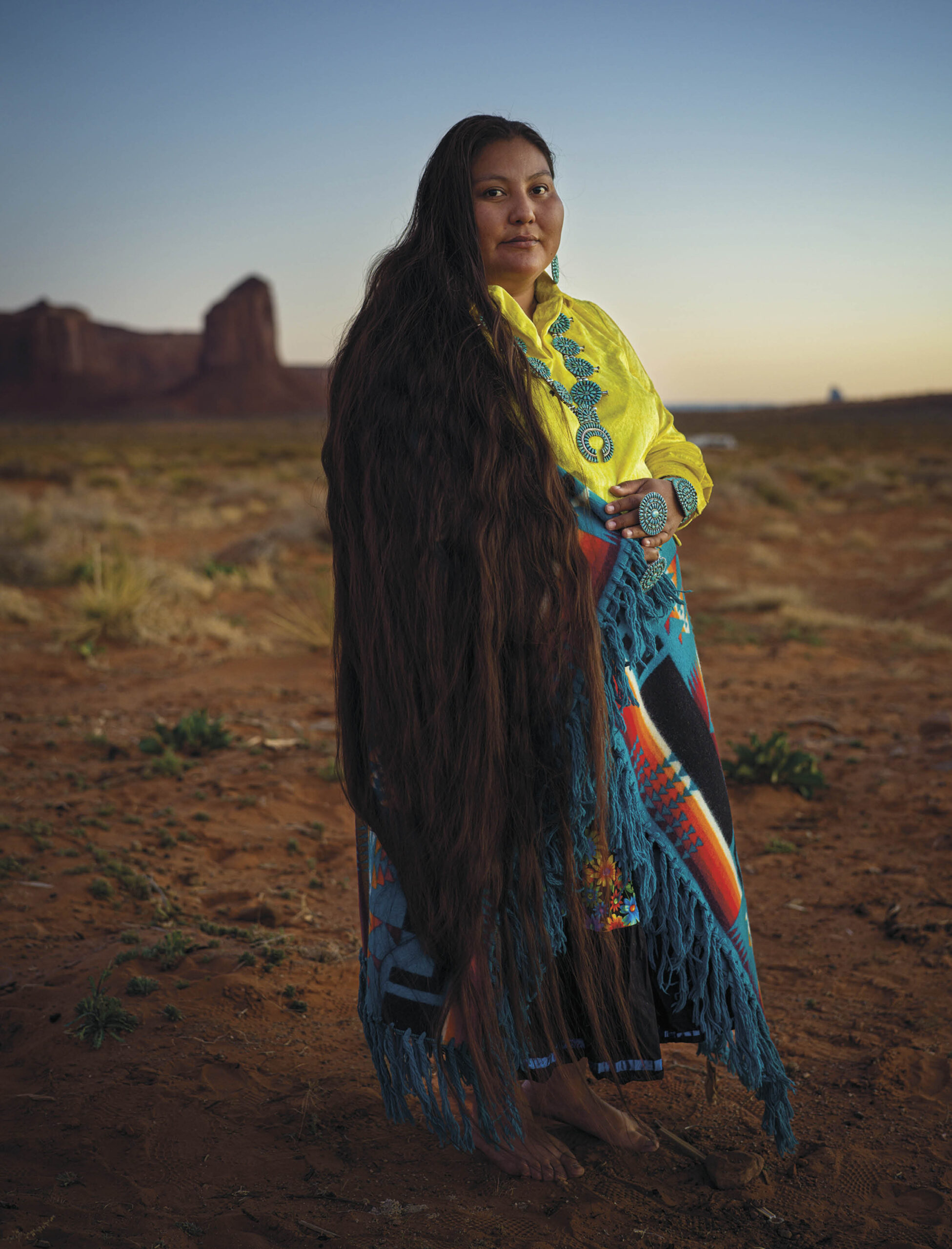
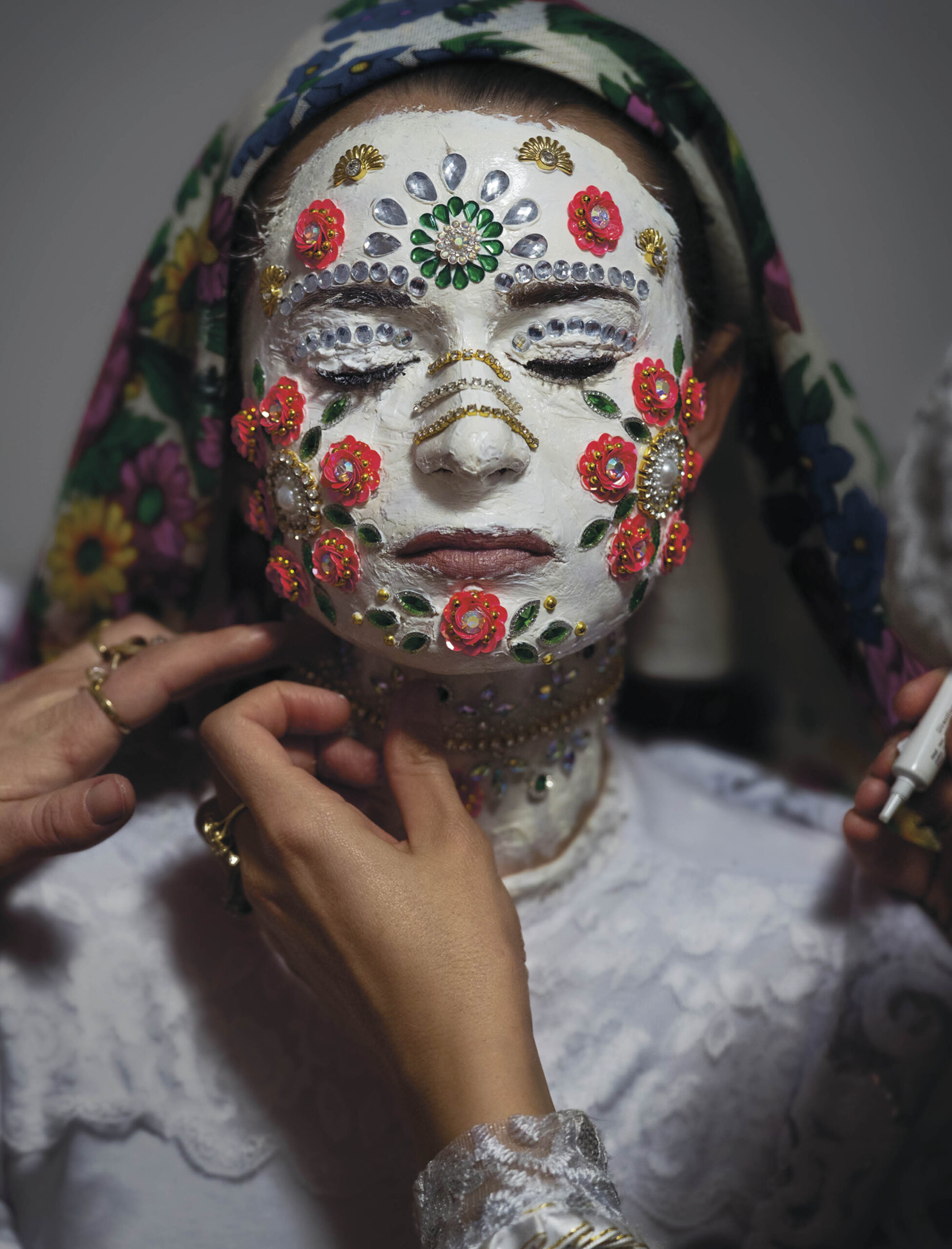
Foi um acaso, como tantos outros que definiram a trajectória da fotógrafa romena, nascida em Bucareste há 40 anos. Nos últimos 12, tem percorrido o mundo à procura de rostos femininos, mulheres comuns nas ruas de Milão e de Jedá, nas margens do Amazonas, nas estradas da Etiópia, em parques de Bucareste ou nas montanhas do Paquistão. Retrata-as como são: com véus, com roupas tribais, com cicatrizes, maquilhadas ou ao natural. O que procura é autenticidade. “A beleza não tem um padrão. E sei o quanto essa palavra – beleza – influencia a vida das mulheres. Uso-a com muito cuidado.”
O seu percurso começou com hesitações. Estudou Fotografia, mas desiludiu-se com o mercado saturado e abandonou a área. Foi em 2012, numa viagem à Etiópia, que tudo mudou: o contacto com um país de enorme diversidade – do islamismo conservador ao cristianismo copta, passando por culturas tribais – reacendeu-lhe o fascínio pelos rostos e pelas histórias. “Cresci na Europa de Leste. Mesmo sendo uma zona com muitas etnias, todas as mulheres eram muito parecidas comigo. A diversidade na Etiópia, para mim, foi alucinante.”
Foi aí que tudo começou e que nasceu The Atlas of Beauty. Com uma mochila, uma câmara e uma ideia clara: mostrar que a beleza existe em toda a parte – e não se limita aos moldes estreitos da indústria da moda ou do cinema. Desde então, Mihaela percorreu mais de 100 países, fotografando mulheres que encontra quase sempre por acaso, nas ruas, nas paragens de autocarro, nos mercados locais.
“Às vezes, estou horas sem falar com ninguém. Outras vezes, falo com a primeira mulher com quem me cruzo. Às vezes ouço um ‘não’ – faz parte. E sei que este projeto não poderia ser feito por um homem. Tenho a certeza disso. Poderia ser um bom projeto de fotografia. Mas não seria o mesmo projeto”, assegura.
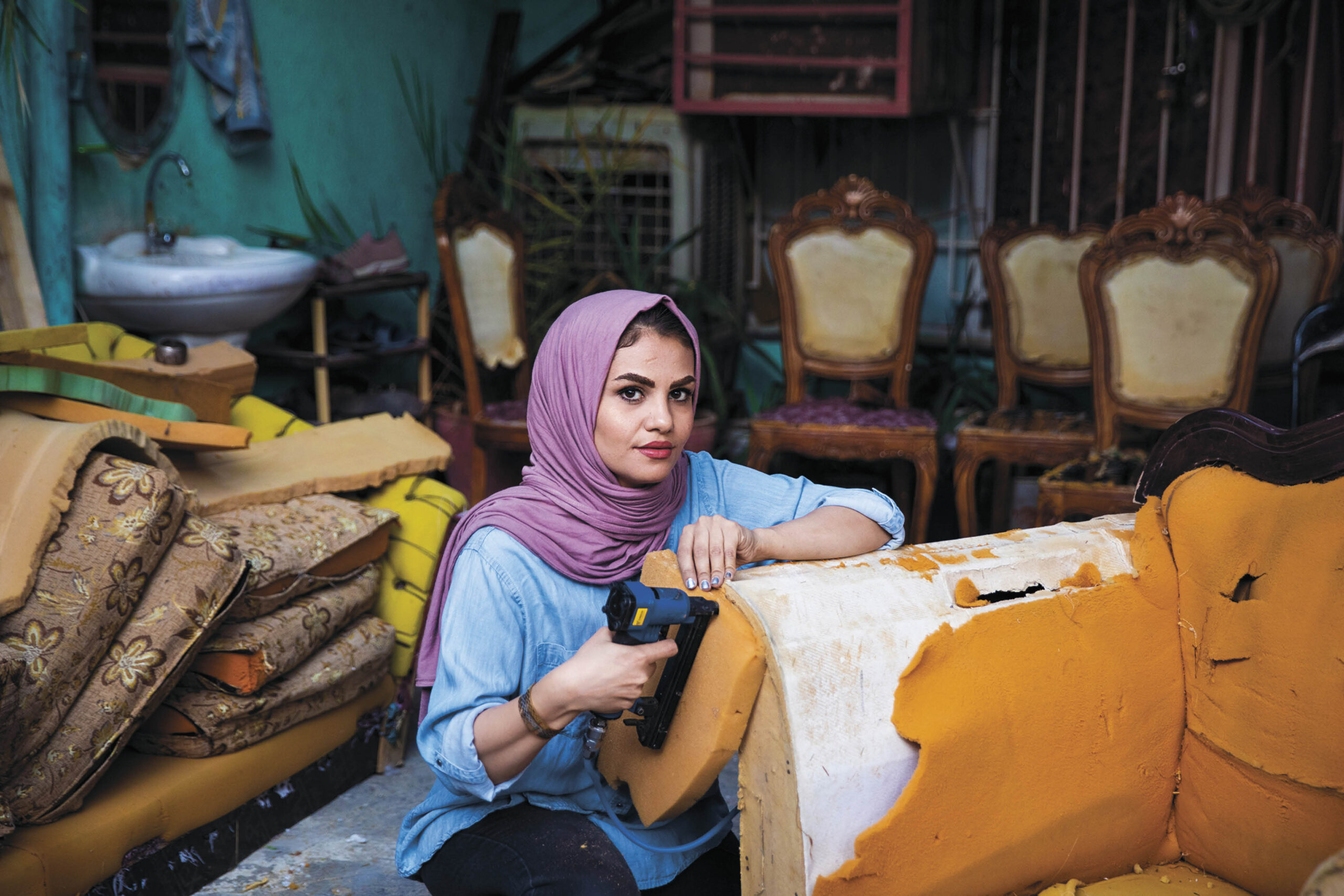
Os retratos são diretos, sem grande pose ou produção. Mulheres com vitiligo, alopecia, próteses, cadeiras de rodas. Mães com filhos ao colo, profissionais em uniforme, mulheres em momentos de lazer. Todas são belas – a beleza está na expressão, no contexto, na dignidade.
Mihaela Noroc diz que havia muitas coisas que não sabia quando começou. “Costumo dizer que foi este projeto que me ensinou como o fazer e como o desenvolver.”
O primeiro livro, The Atlas of Beauty, demorou cinco anos a concretizar-se e foi publicado em 2017. Sete anos depois, publicou o segundo volume. A mudança de título – de Atlas da Beleza para Poder das Mulheres – não é apenas editorial, reflete uma transformação no olhar de Mihaela. O novo livro continua a mostrar mulheres em variados locais, mas agora com mais espaço para a palavra, para o testemunho, para a verdade crua.
“Durante muito tempo, procurei a beleza como contraponto aos estereótipos. Hoje, procuro também a força, a resistência, a diversidade. Antes acreditava que uma imagem valia mais do que 1000 palavras. Hoje acho que só a imagem não chega – é preciso conhecer a história, o contexto.”
E qual é, afinal, o poder da mulher? Mede-se nos gestos: na mulher que cuida dos filhos sozinha, noutra que estuda à noite depois do trabalho, noutra que construiu um negócio com as próprias mãos. São figuras anónimas, mas Mihaela recusa a palavra “comum” como sinónimo de banal. É precisamente nessas vidas não-espetaculares que encontra a grandeza que quer revelar. “Acho que ninguém percebe o meu projeto se olhar para uma fotografia isolada. Elas têm de estar justapostas, lado a lado. É a diversidade, o mosaico, a resistência que mostram o poder da mulher.”
Esse entendimento aprofundou-se quando se tornou mãe. Já tinha fotografado centenas de mães – algumas com filhos ao colo, outras que os tinham perdido, outras que cuidavam dos filhos das irmãs, das vizinhas. Mas viver a experiência na pele alterou-lhe a perceção. “Agora que sou mãe, olho para essas mulheres com outra empatia. Percebo o que trazem consigo – e percebo o que não dizem”, remata Mihaela.
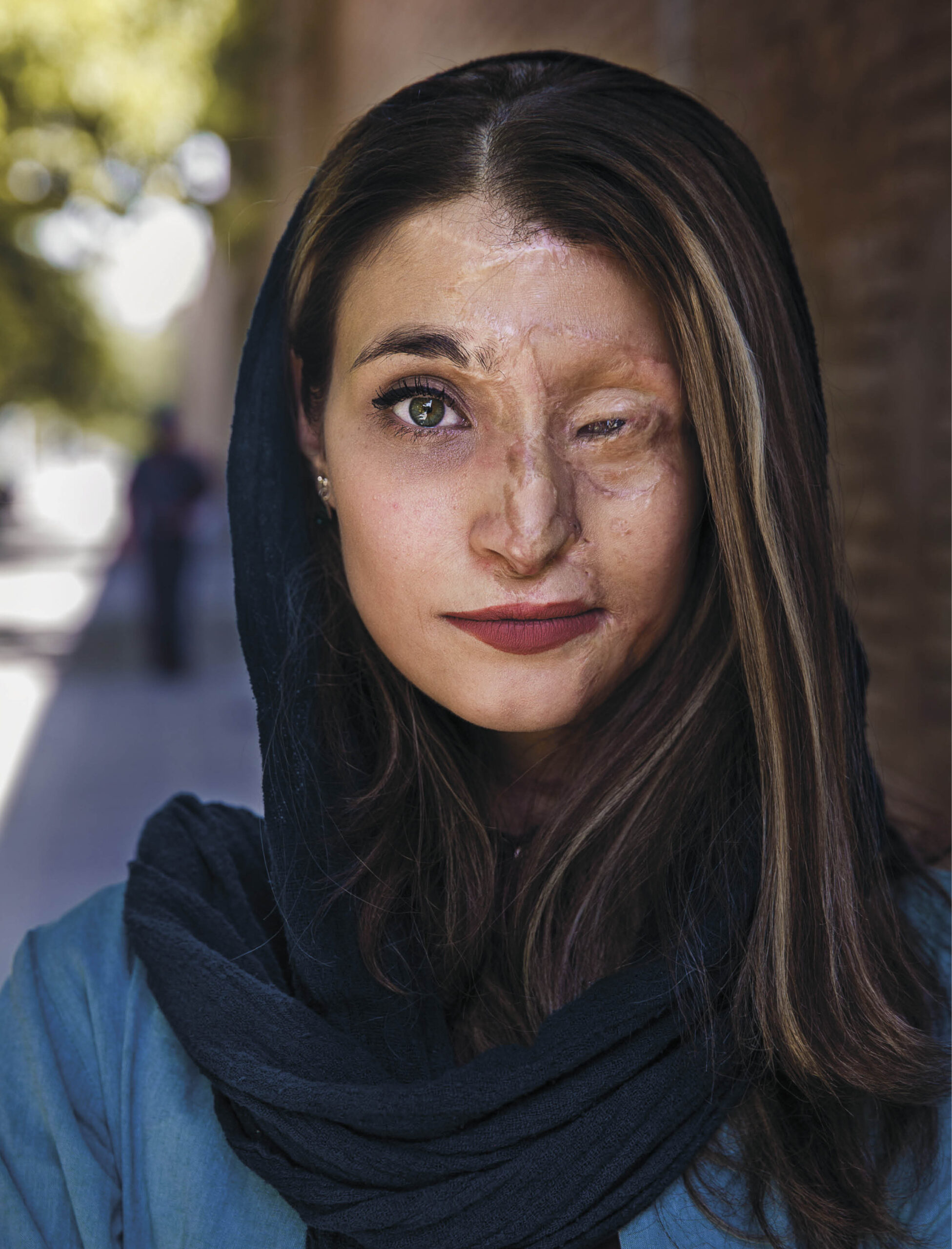
Fotografou agricultoras nepalesas, taxistas mexicanas, refugiadas sírias, artistas de rua em Istambul, freiras no Peru e mães adolescentes nas Filipinas. Cada rosto é um mundo, cada olhar traz em si uma história. Algumas fotos são duras – como o retrato de Marzieh, a iraniana queimada na face por um ataque de ácido e que pediu para a sua foto ser publicada já depois de Mihaela ter editado o primeiro livro; Marzieh quis dar um rosto, e o seu exemplo, às petições que surgiram a pedir o fim da venda livre daquele tipo de ácido. Outras são luminosas – como a fotografia de Wirginia, uma polaca de 86 anos que sobreviveu à Segunda Guerra Mundial, dedicou a vida a cuidar de crianças e, depois de reformada e viúva, se tornou DJ. Outras são surpreendentes –como a história de Tsaring Tuomo, uma mulher brokpa, de uma tribo que vive nos Himalaias e que ainda pratica a poliandria: é possível a uma mulher ter dois, três, quatro maridos. E Tsaring é casada com dois homens, que são irmãos.
E se Mihaela Noroc fosse uma das mulheres retratadas no próximo livro, que palavras acompanhariam o seu retrato? “Que é uma mulher curiosa, que faz perguntas, que observa em redor. Que é uma pessoa normal, que tem muitas inseguranças. Mas, se o meu principal poder é a curiosidade, tenho outro bom poder que tento, também, passar à minha filha: é importante abraçarmos o medo.”
Quando a filha Natalia nasceu, Mihaela andou mais de um ano a viajar pelo mundo com o bebé nos braços. Precisou de voltar à Roménia, deixá-la crescer. Planeia voltar à estrada com ela. “Gostaria de que, quando crescesse, encontrasse um mundo sem fronteiras, sem passaportes, sem guerras. Isso é uma utopia. Mas pretender que ela seja confiante, que reconheça que não é perfeita – e que isso é bom, porque não é preciso ser perfeita – também é um bom legado. E creio que ela já sabe isso.”
Enquanto Natalia cresce, Mihaela pretende assumir a sua missão: “Continuar a destacar essas mulheres. Ir pelas ruas, continuar a ser humilde, continuar a pedir aquela foto, continuar a ligar-me aessas mulheres. Essa é a minha missão. Não vejo outra.”
E andar pelo mundo a contar histórias de mulheres já parece ser uma missão e tanto. “Na verdade, é uma missão incrível. Mas sabes o que quer dizer o meu nome? Noroc significa sorte, em romeno. Sou uma felizarda.”