Quando nasce um filho, também nasce um pai
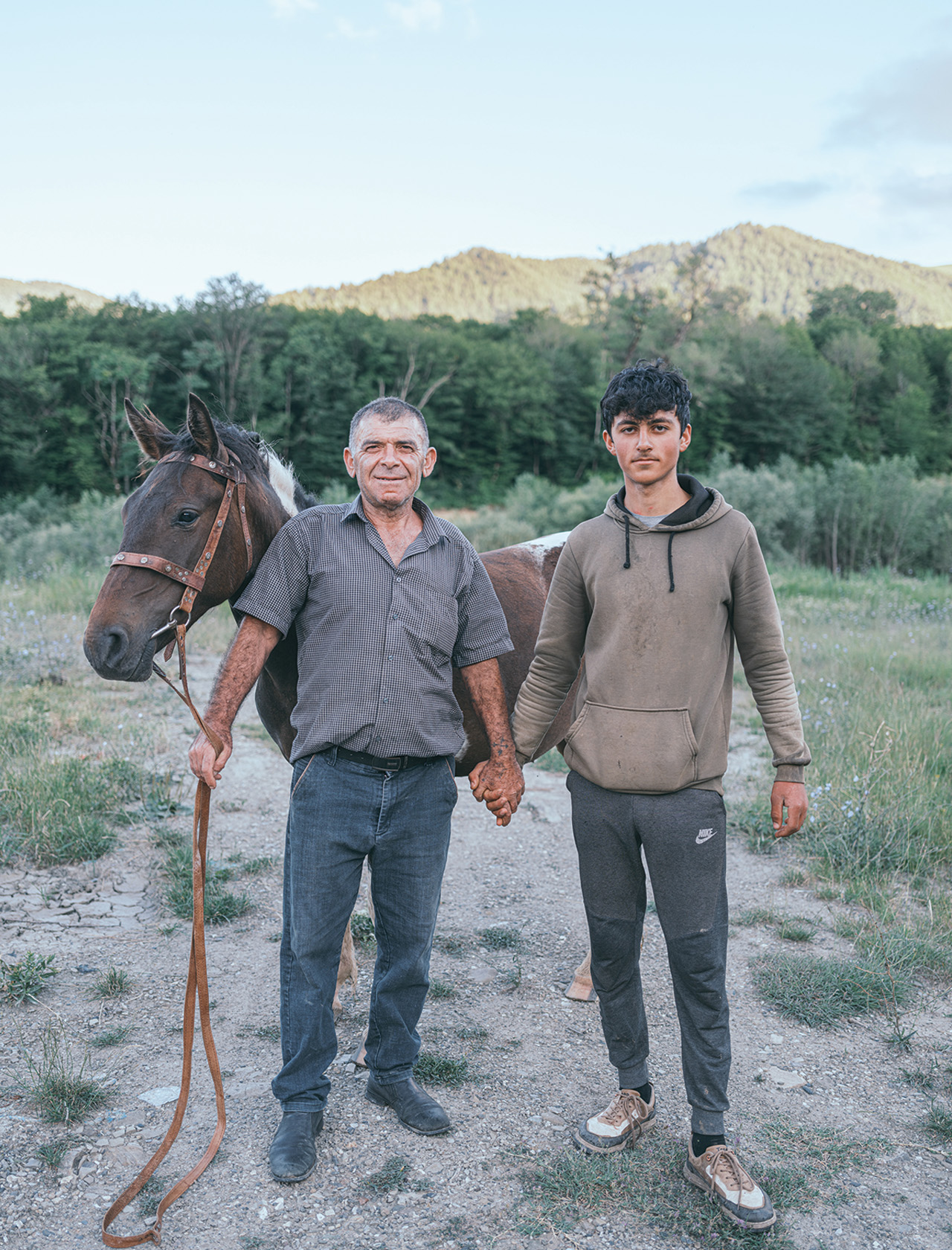
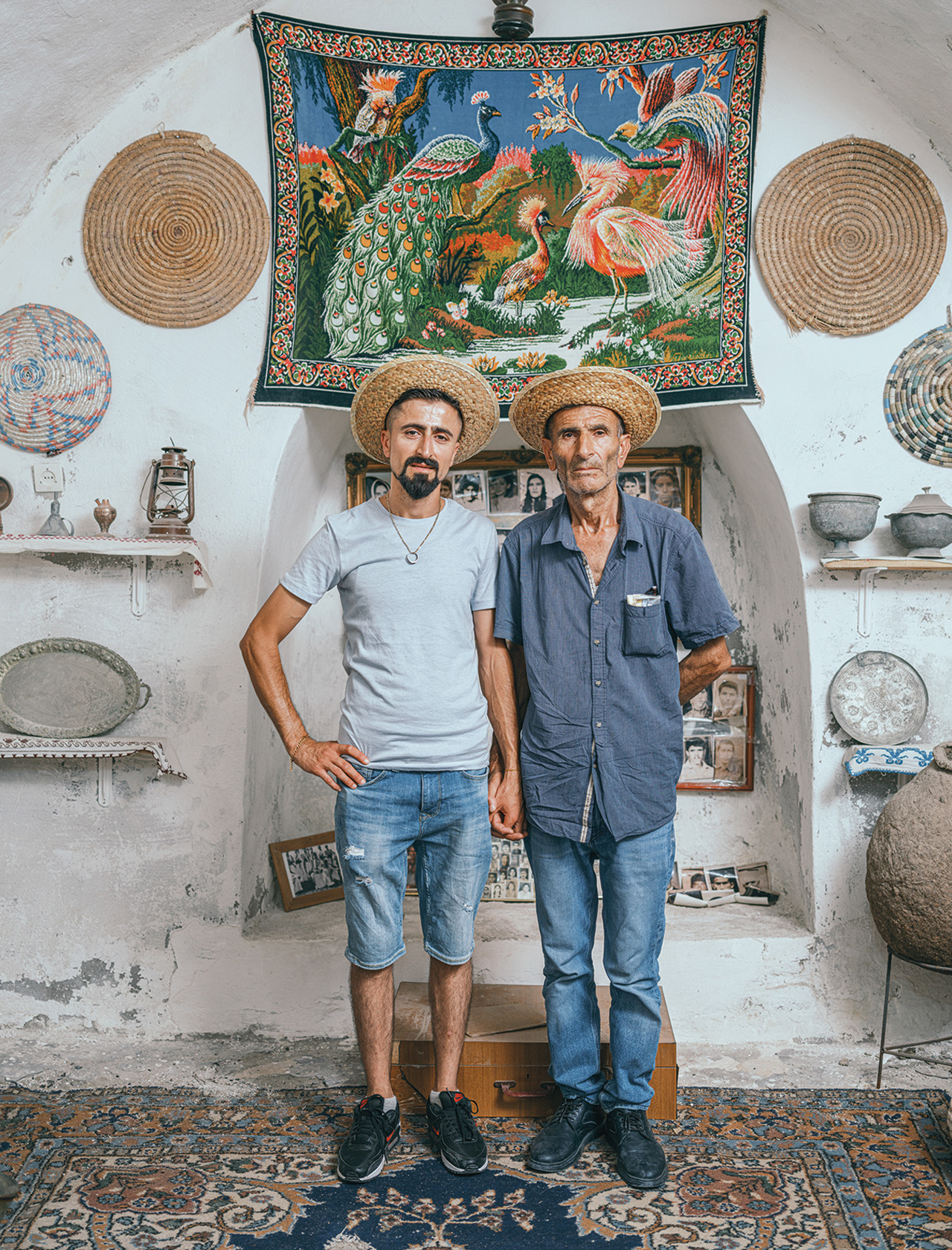
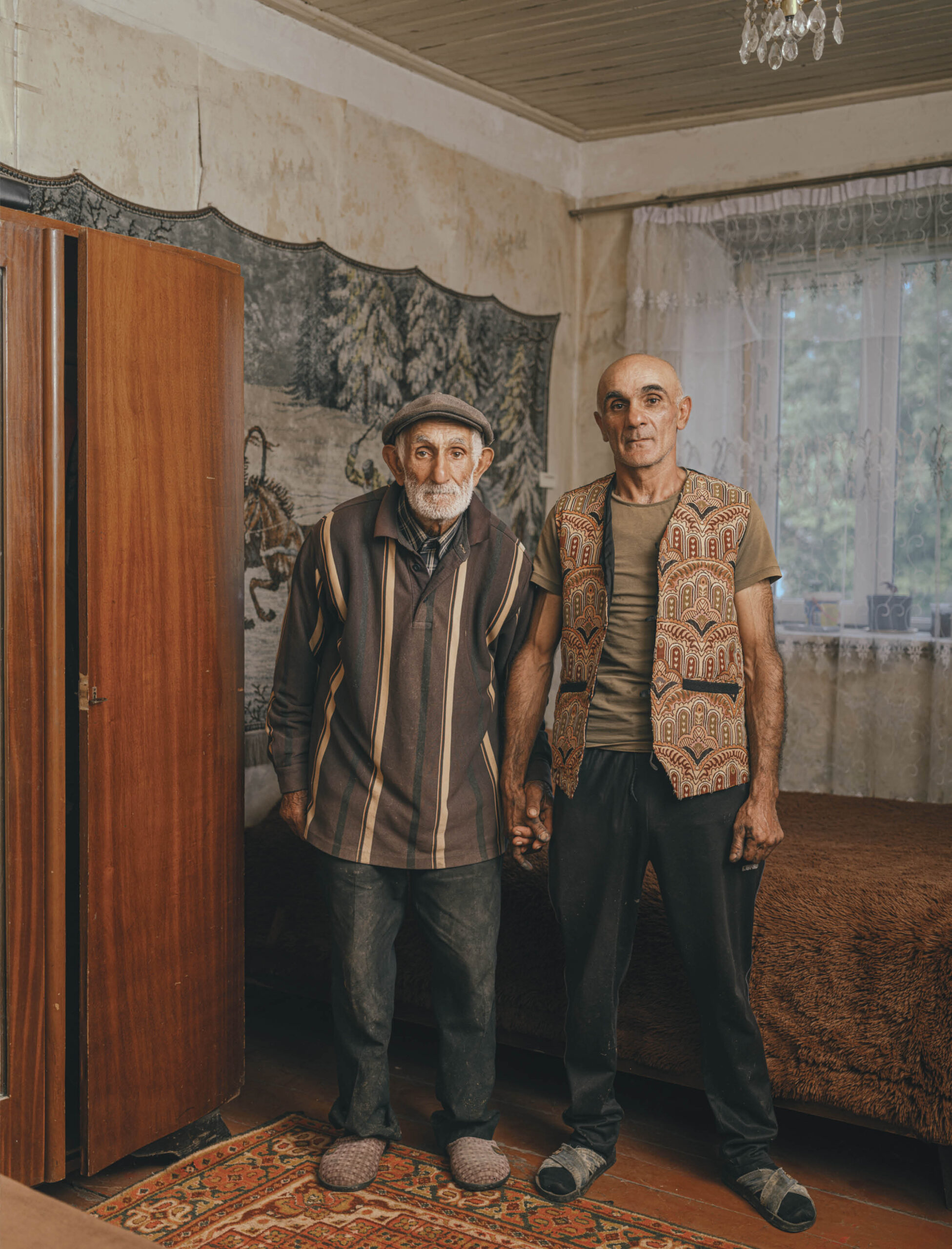
“Dêem as mãos um ao outro”, acena Valery Poshtarov. E eles, pai e filho – sempre pai e filho – entrelaçam-nas. Às vezes, pela primeira vez. Às vezes, pela última vez.
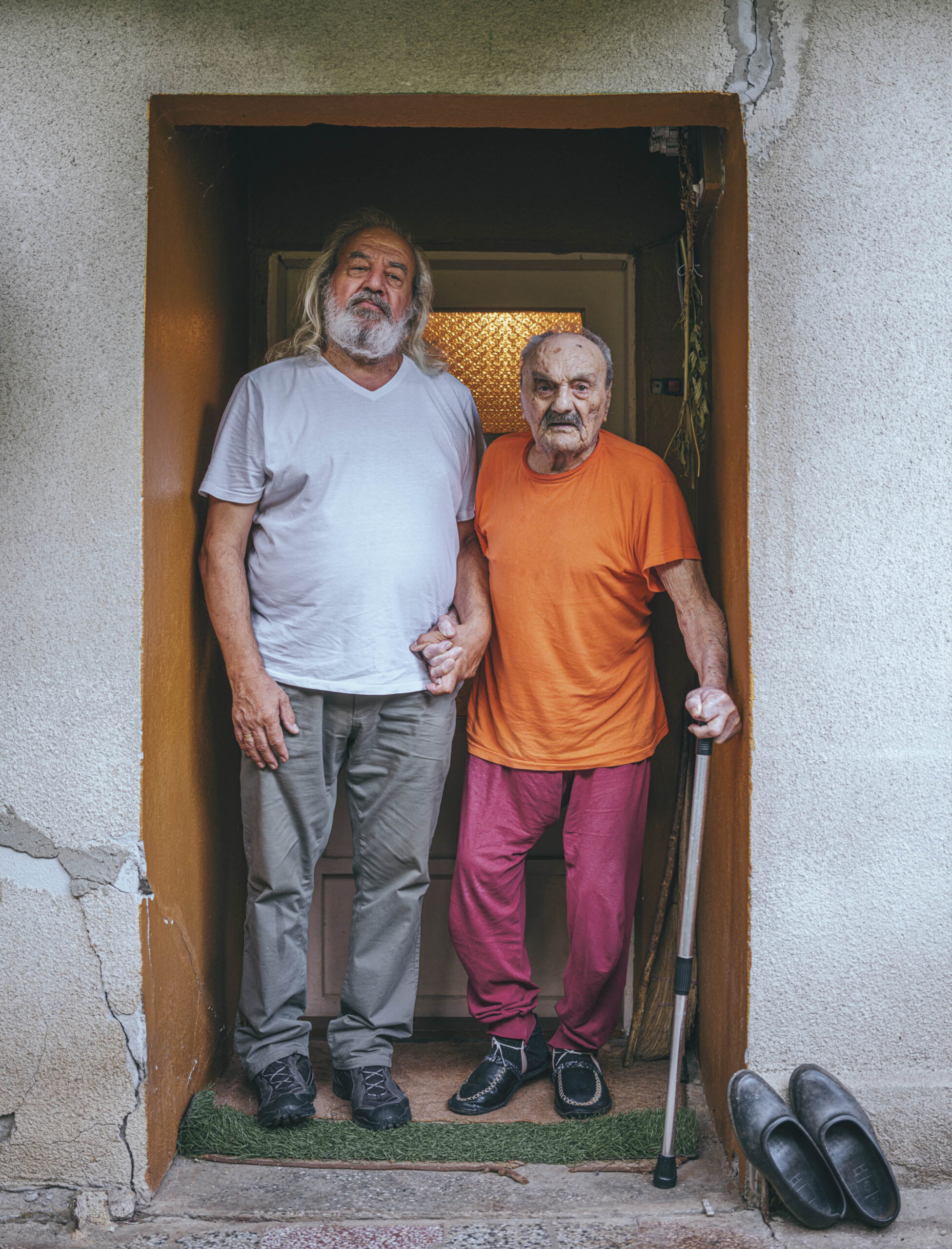
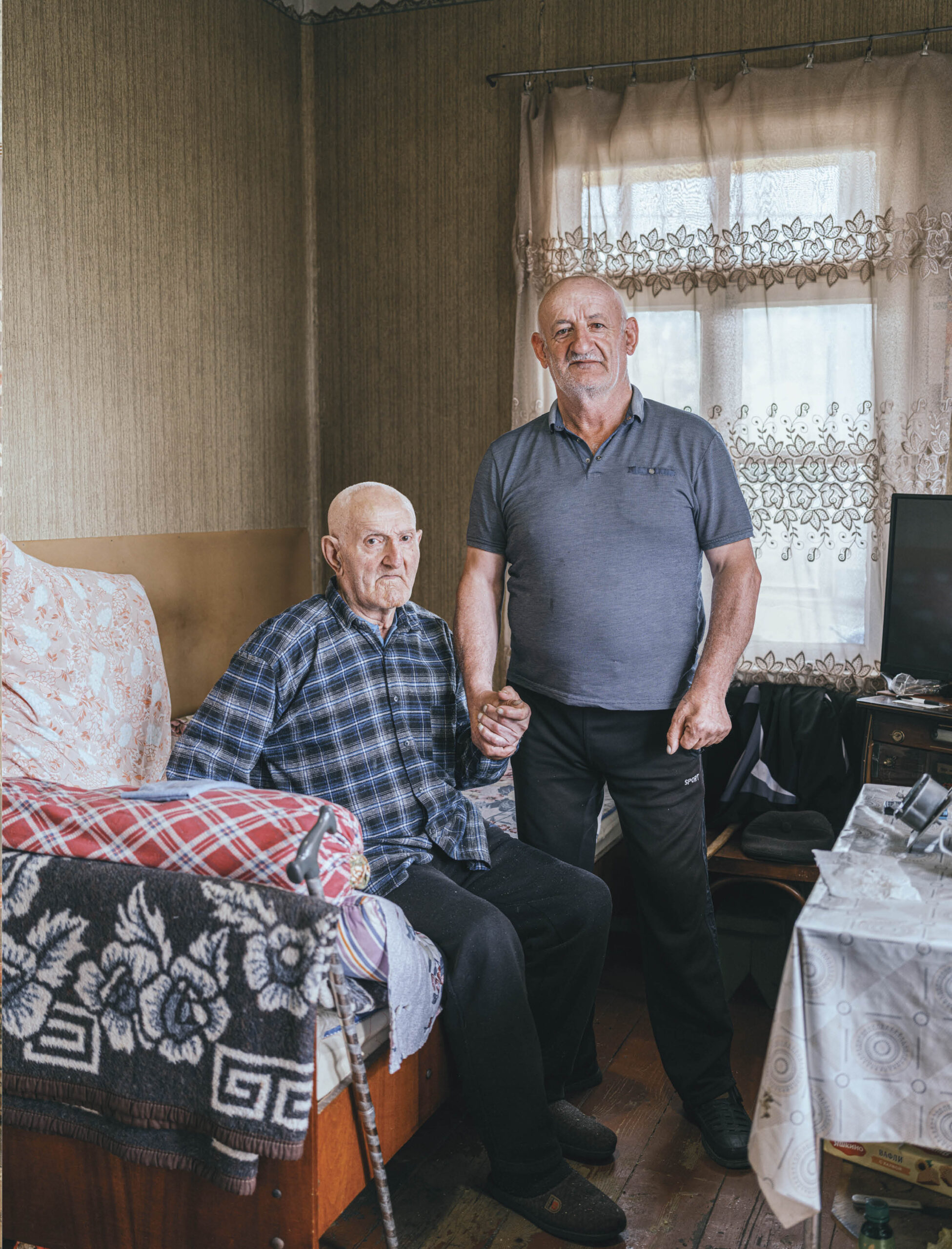
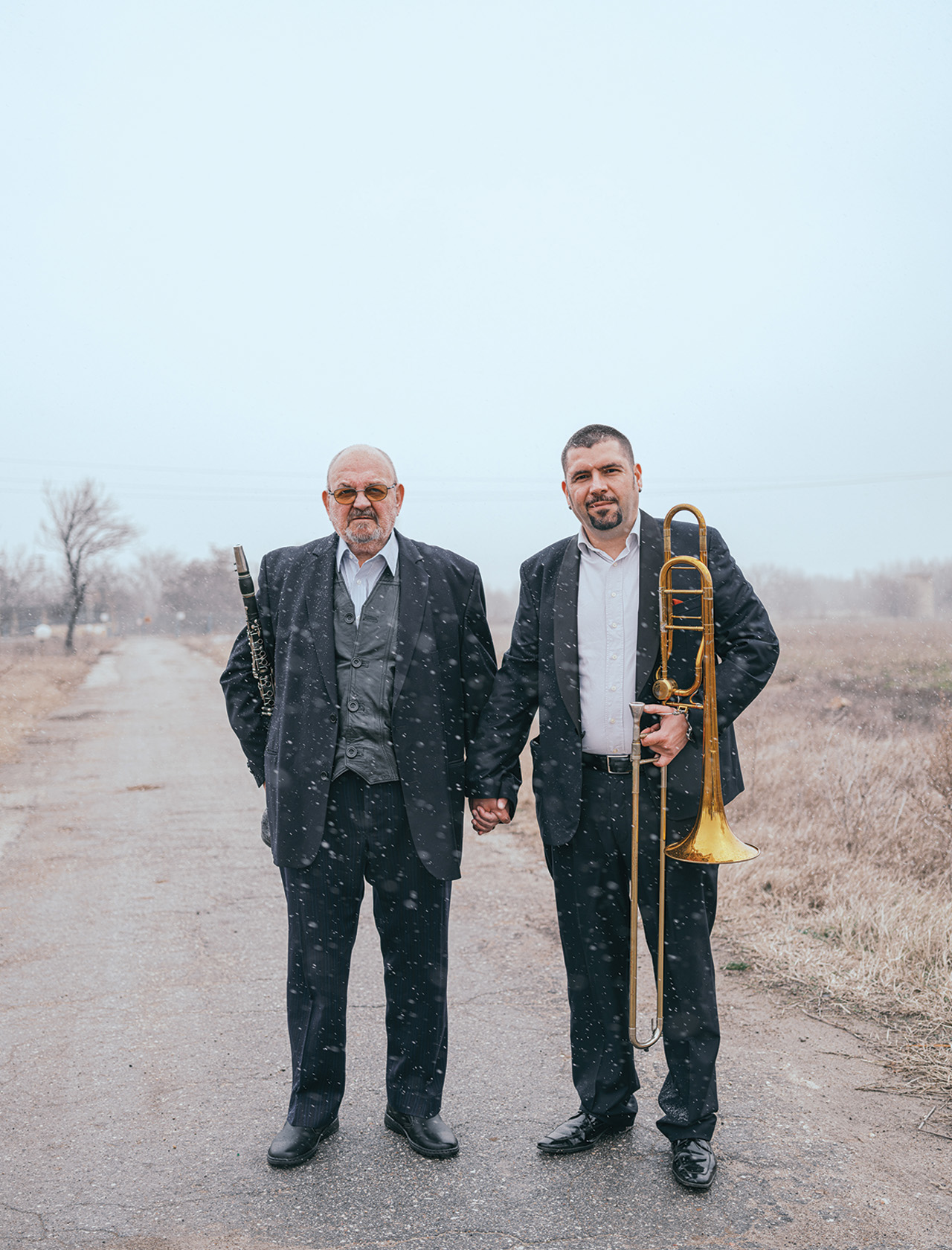
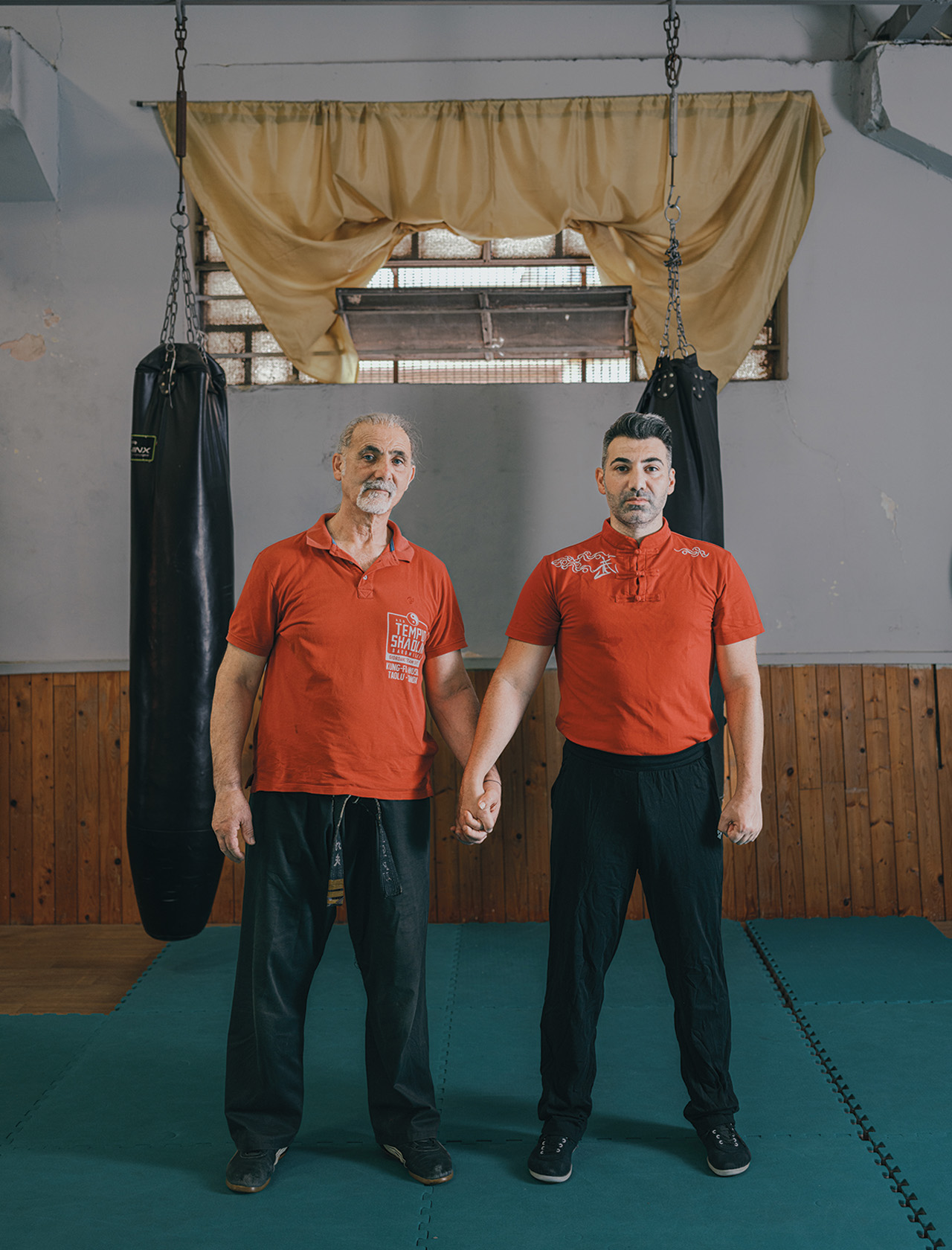
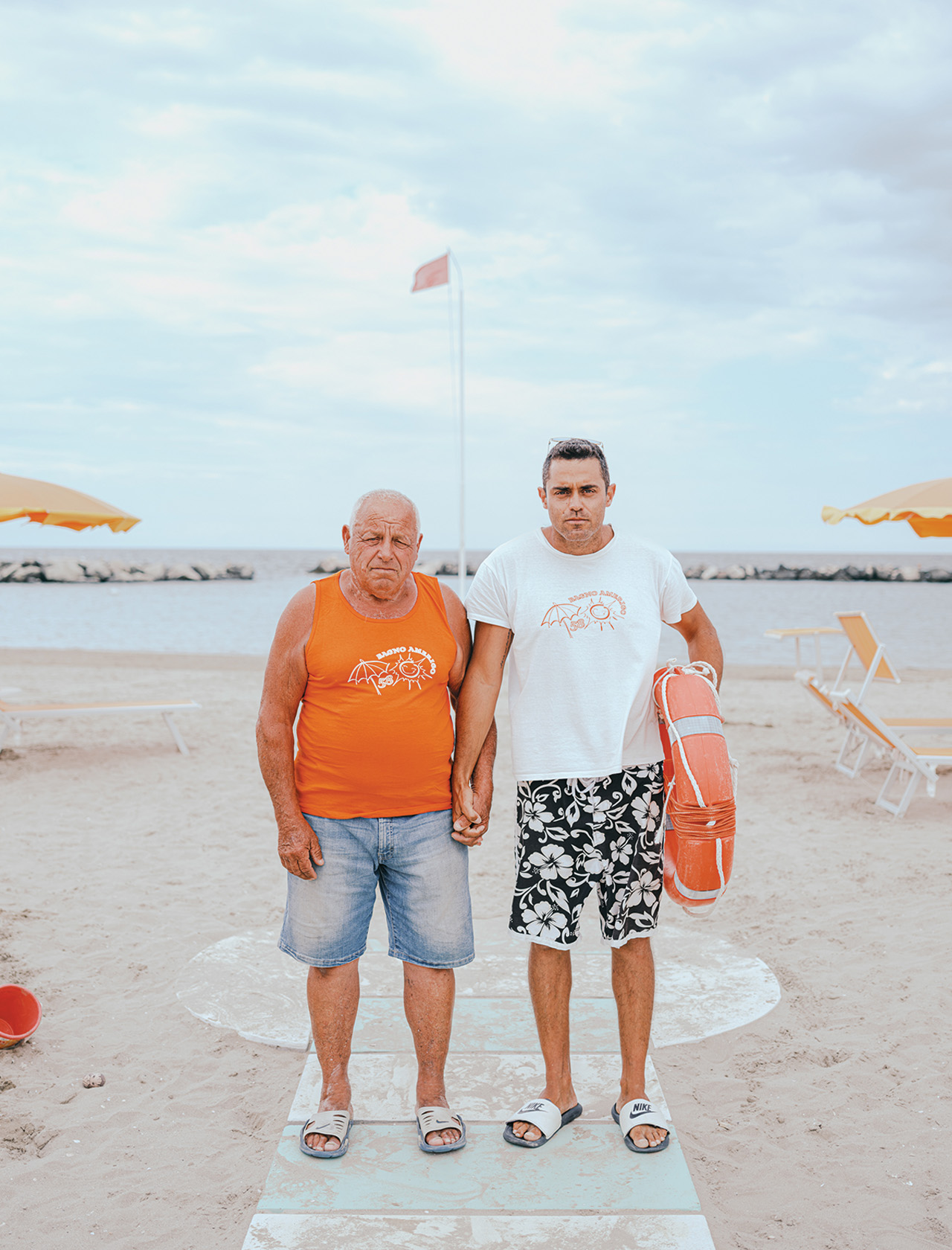
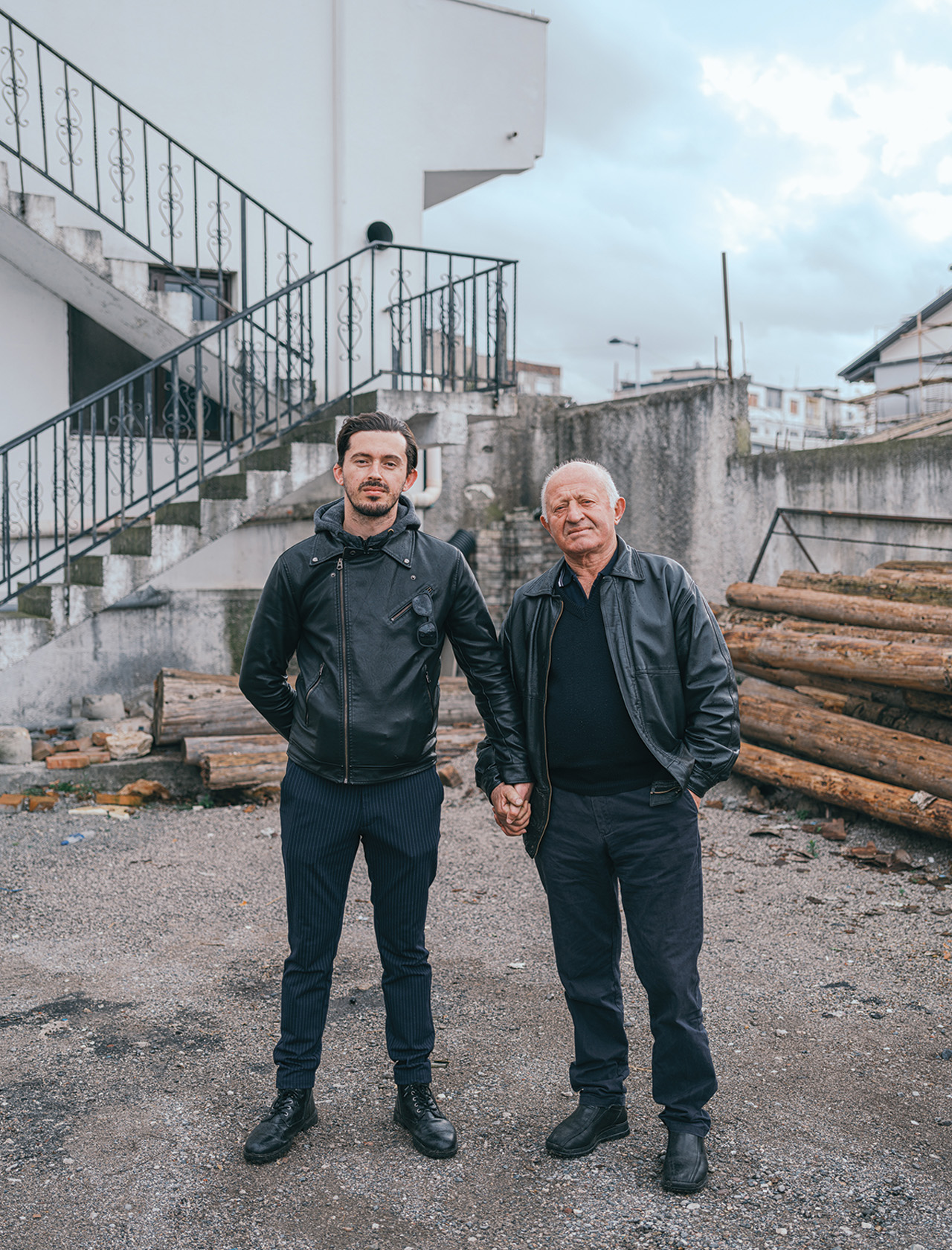
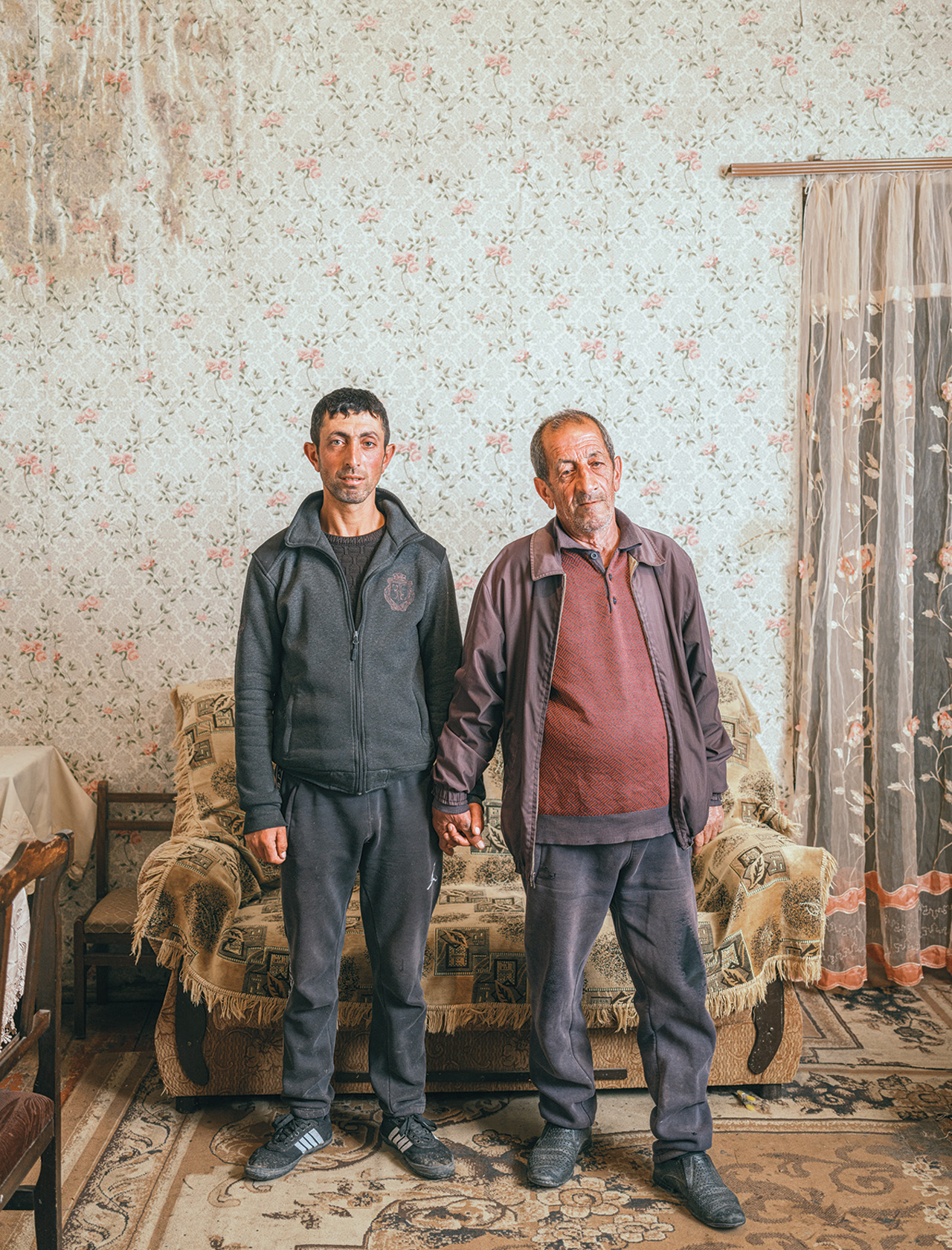
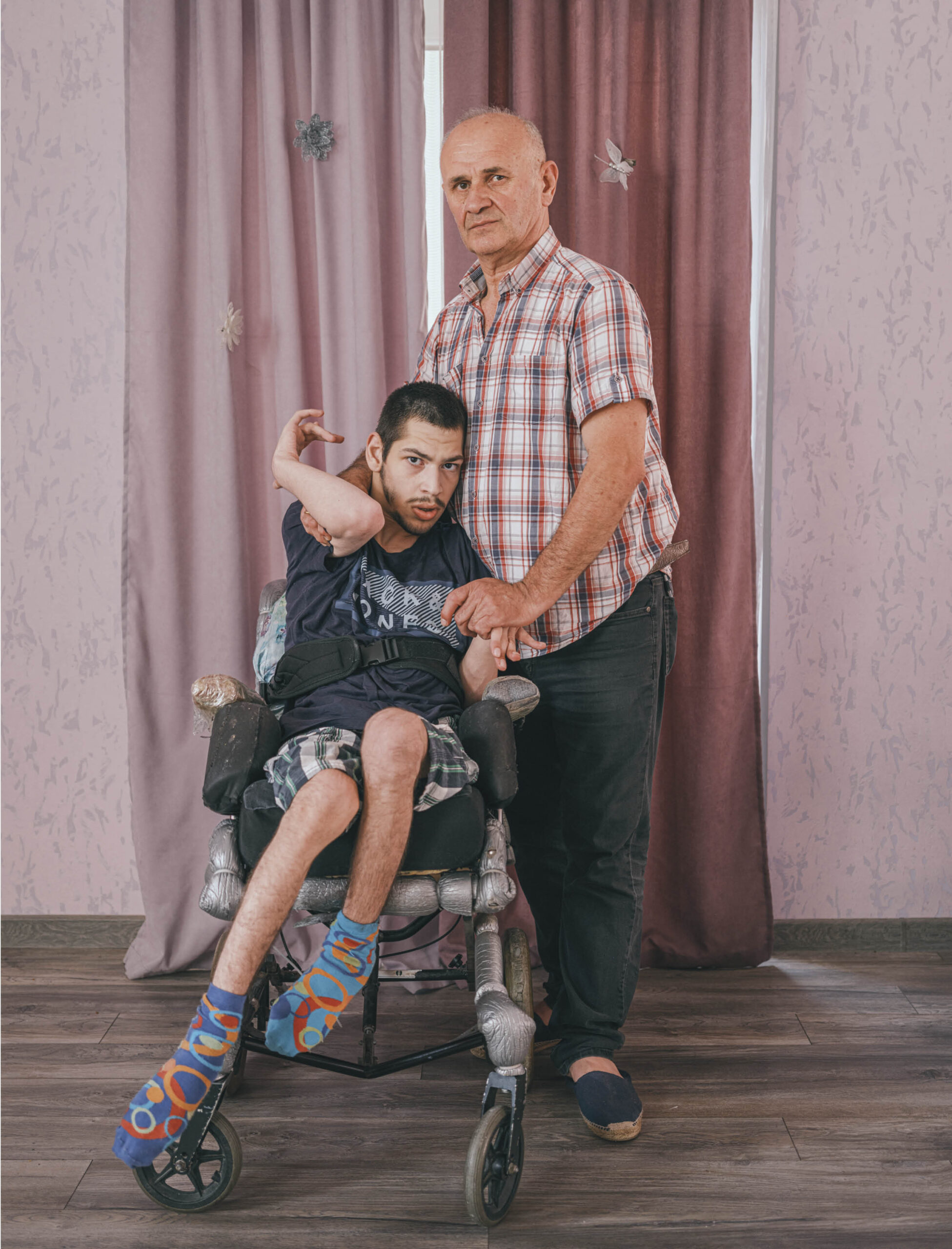
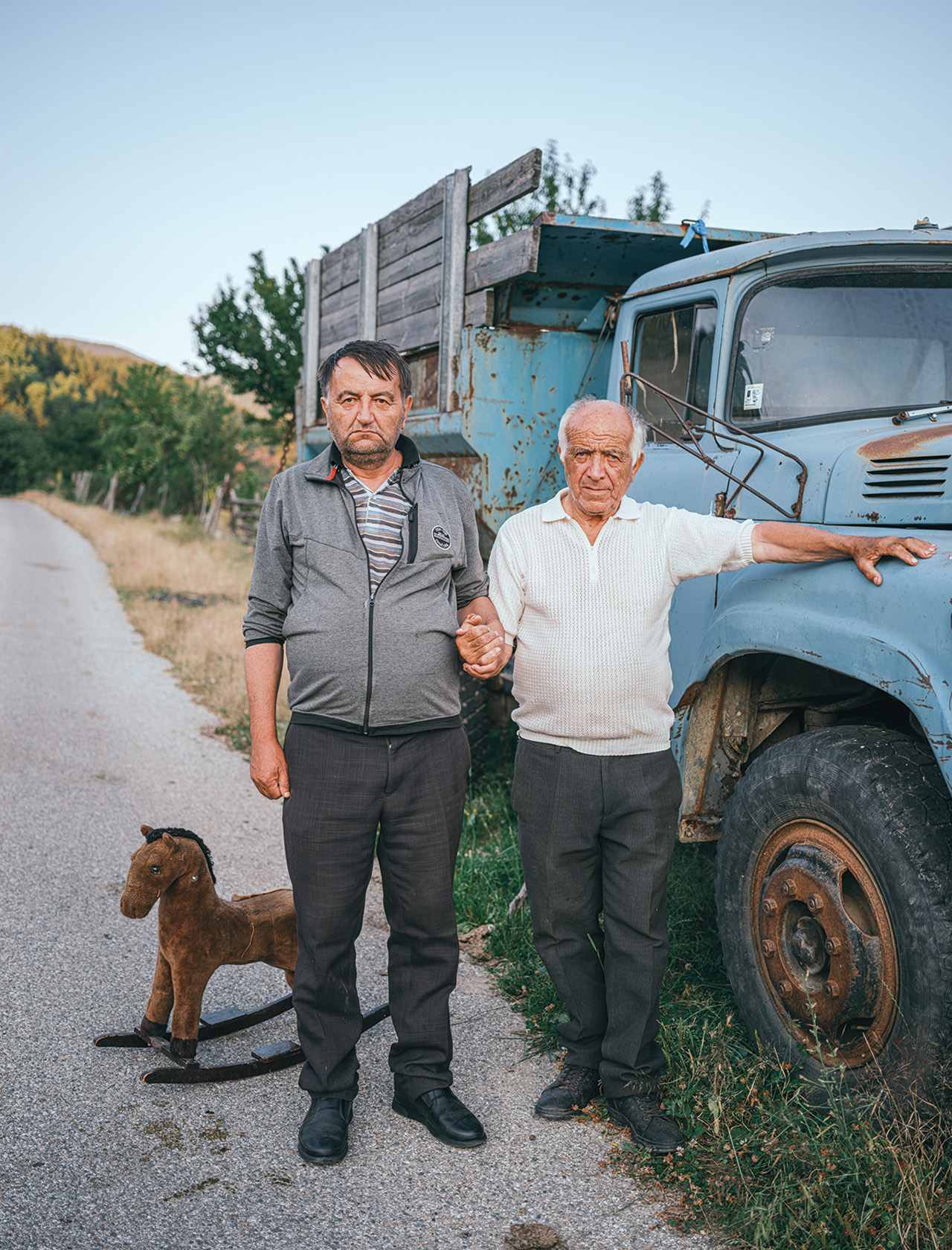
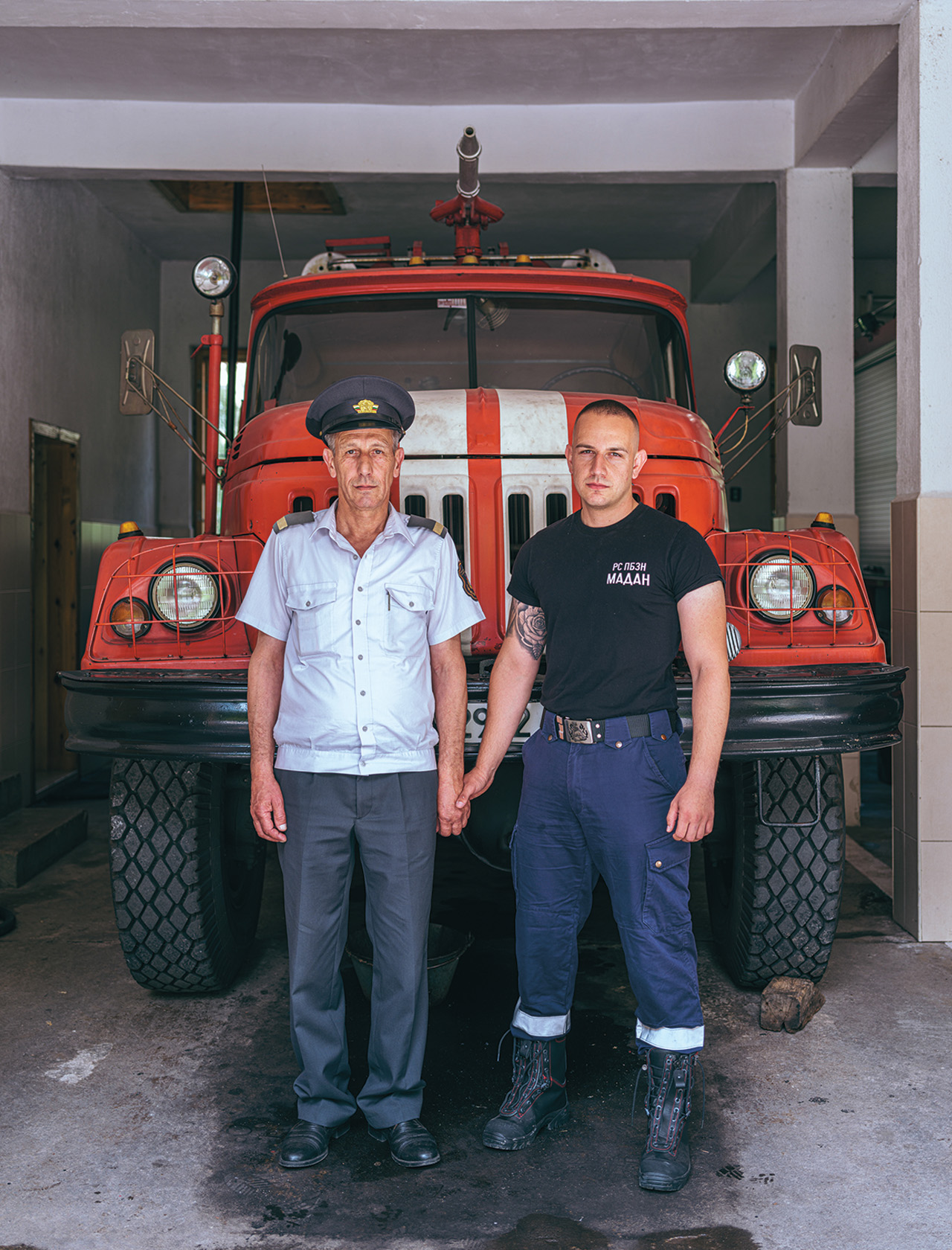
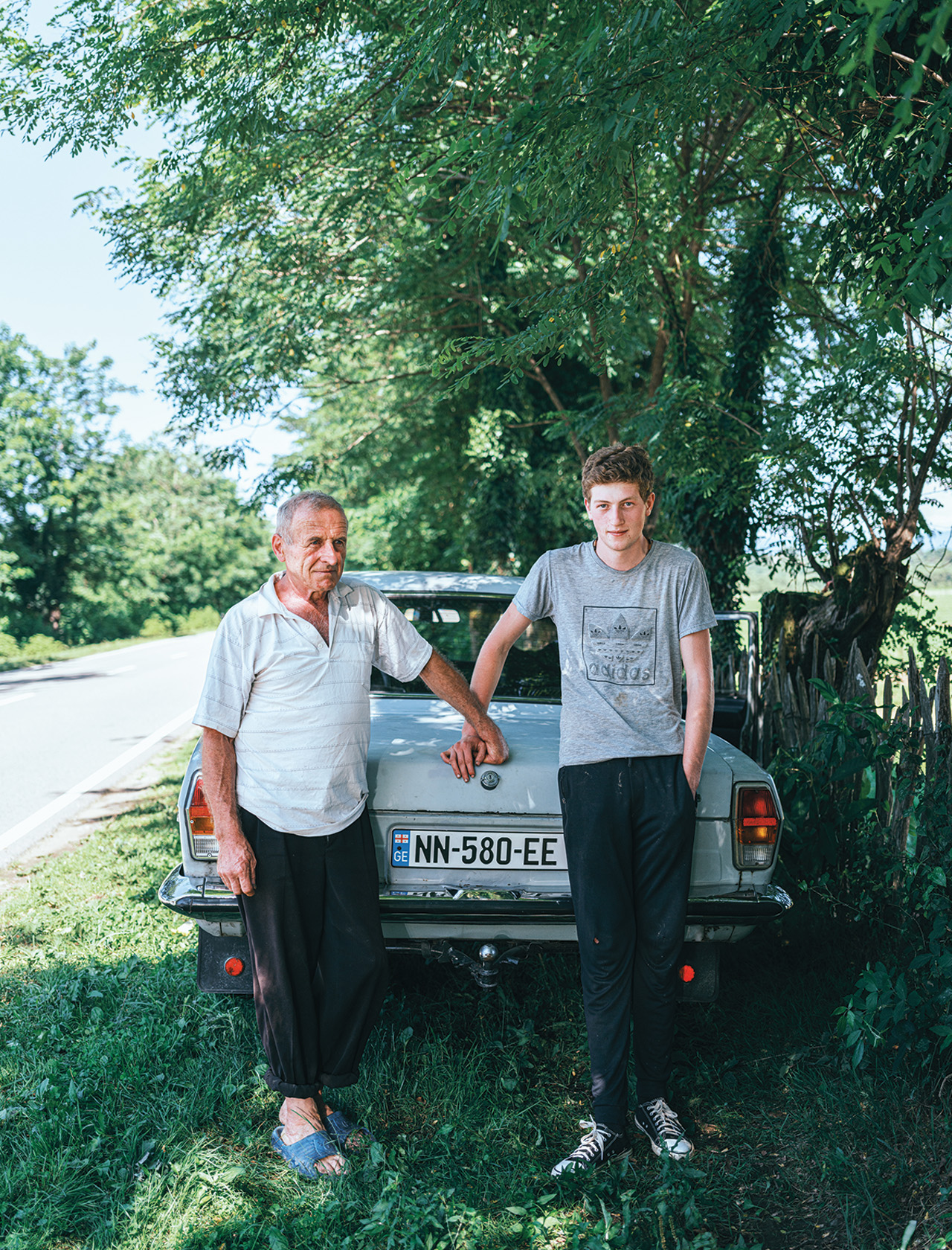
Entre muros, quelhas, campos e horizontes distantes, repete-se um gesto entre pai e filho – mãos que se entrelaçam, mãos que sempre se deram e que nunca mais foram dadas. Cada imagem é um verso silencioso, um lar e um abrigo, uma herança severa e indulgente, um chão que pai e filho pisam juntos. Pai e Filho é o registo íntimo da ligação, frágil, efémera e eterna, entre um pai e um filho capturada no gesto simples de se darem as mãos. “Dêem as mãosum ao outro!”, acena Valery, que, através da fotografia, explora a universalidade desse vínculo silencioso e troante. Onde terminam os dedos, começam as histórias. Que comece a ser contada.
Esta história de Valery Poshtarov começou quando percebeu que os dois filhos que costuma levar à escola, um dia, não iriam precisar dele ao seu lado. E pensou tanto nessas “relações em constante mudança entre pais e filhos – “não especificamente entre pai e filho” – que quis tirar uma fotografia ao seu pai, Valery, com o pai dele, Dimitar, de 96 anos de idade.
“Foi no início da pandemia e por isso decidimos manter as distâncias. Mas não consegui ficar em paz porque não parava de pensar nessa fotografia que não tinha conseguido tirar.”
Tirou-a pouco depois. E o avô acabaria por falecer poucos meses mais tarde. “Ao que parece, esta é a única fotografia que têm juntos. É interessante como não temos estas imagens. É quase como se aceitássemos o apagamento inevitável do tempo, sem nos importarmos em preservá-lo. Talvez estejamos demasiado mergulhados nas nossas vidas, esquecendo que estamos aqui apenas de passagem...”
Há um outro episódio “muito, muito especial” que marcou o projeto de um modo indelével. O fotógrafo búlgaro parou em frente a uma casa num bairro pouco conhecido de Sófia e foi abordado por uma mulher e um homem que seguravam o retrato emoldurado de um jovem. “E disse: ‘Tínhamos um filho. Ele morreu há oito meses. O meu marido adoraria ter um retrato com ele.’ Foi como uma revelação, um sinal do destino. Temos que perceber que não temos muito tempo, porque pais e filhos estão destinados a seguir caminhos separados, de uma forma ou de outra.”
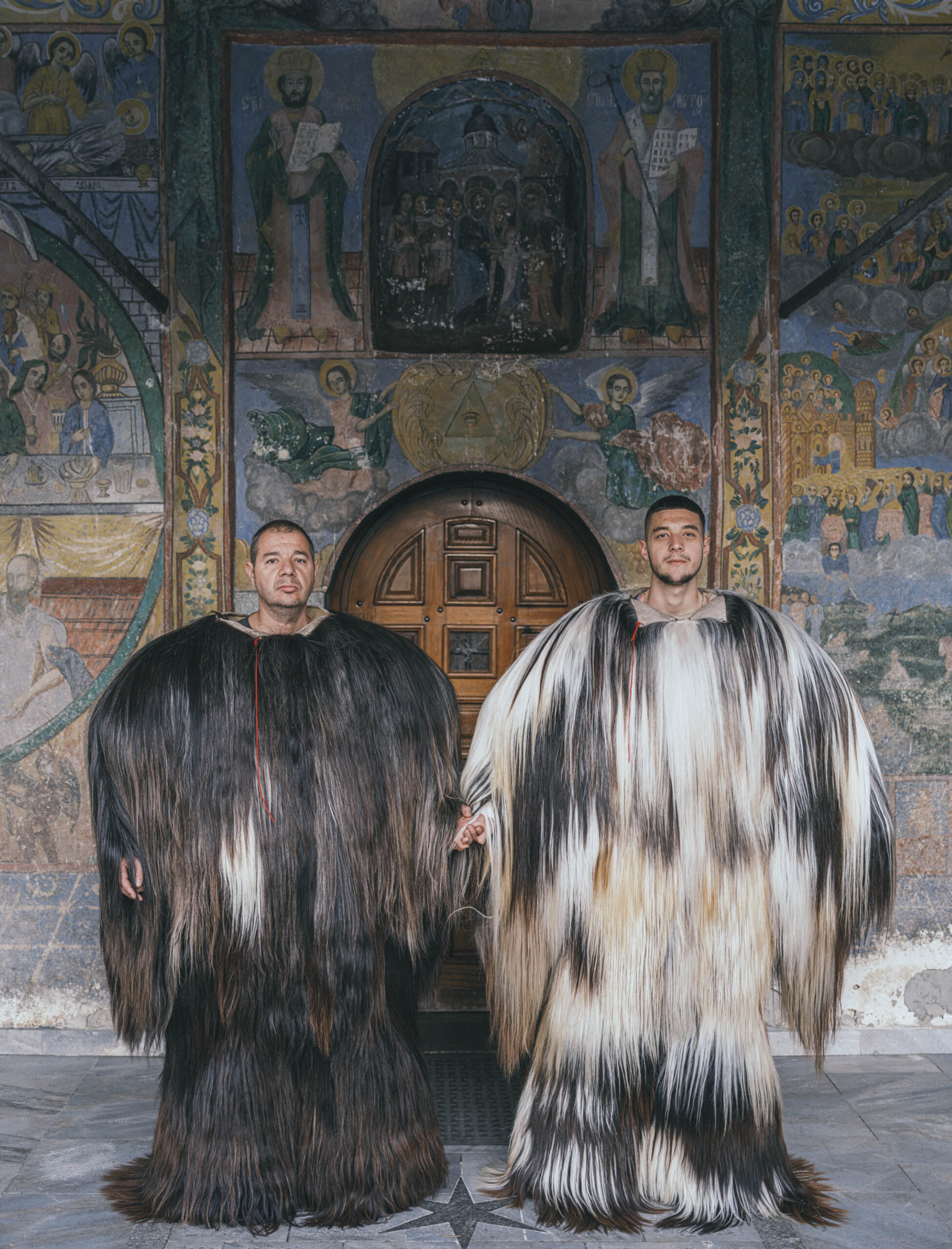
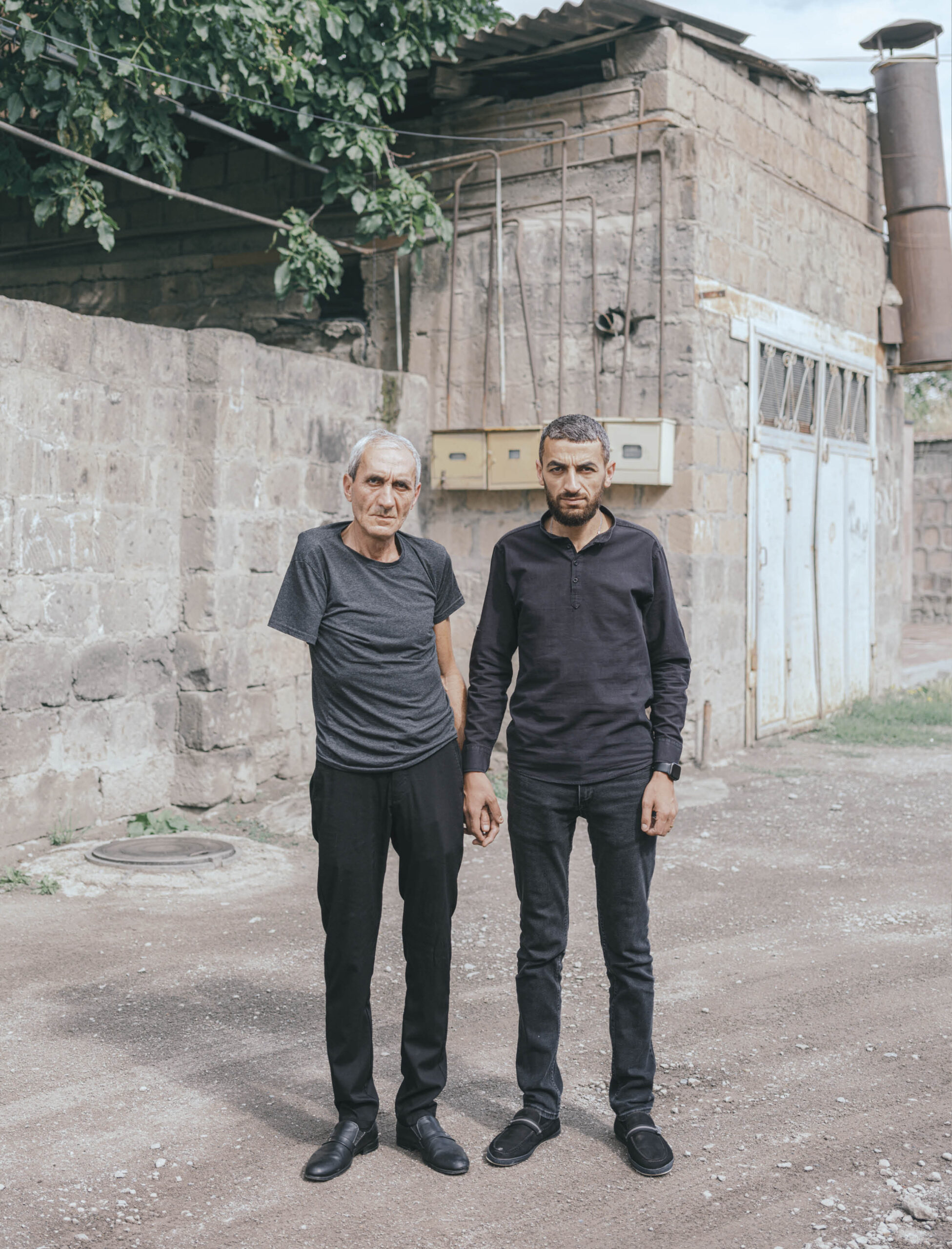
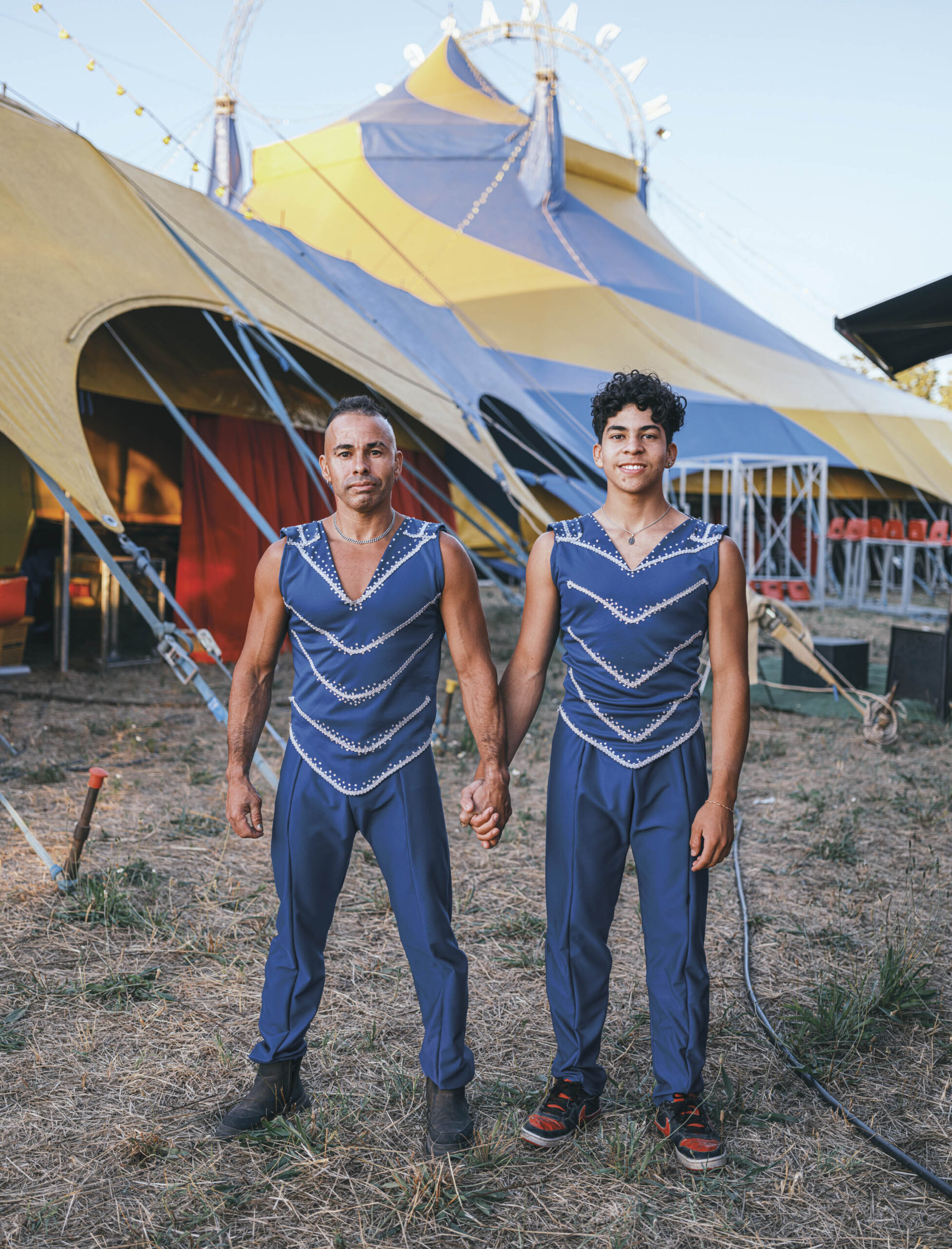
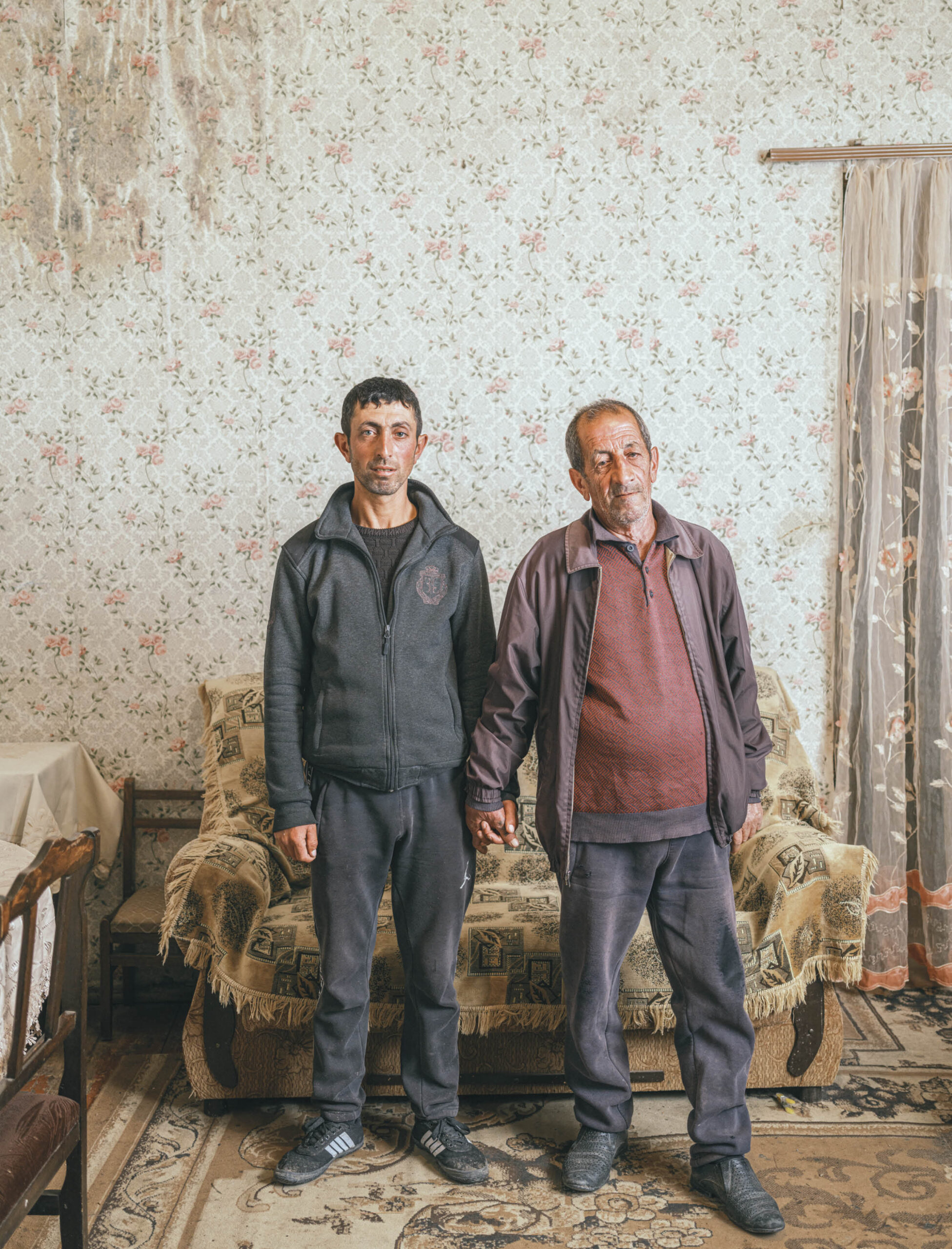
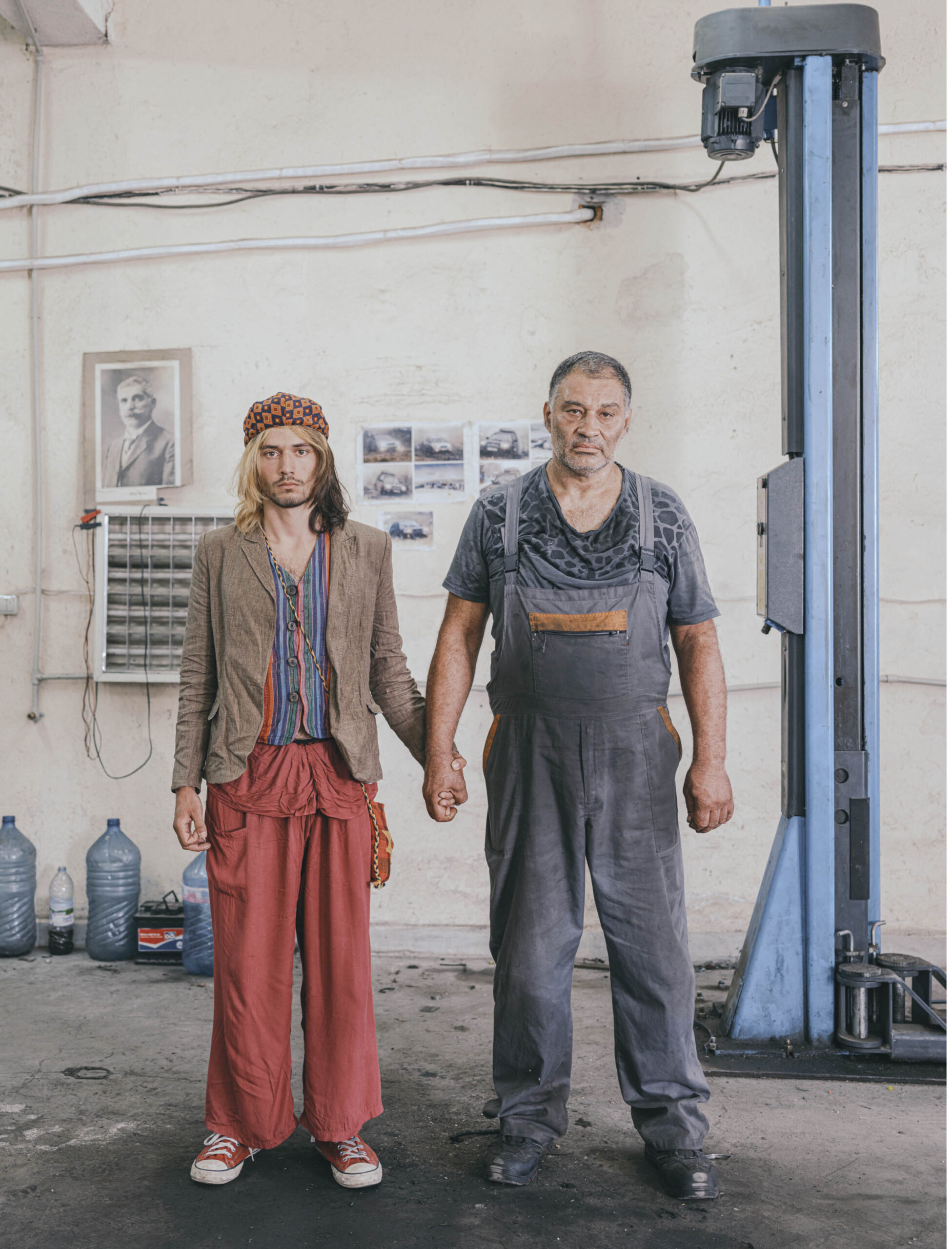
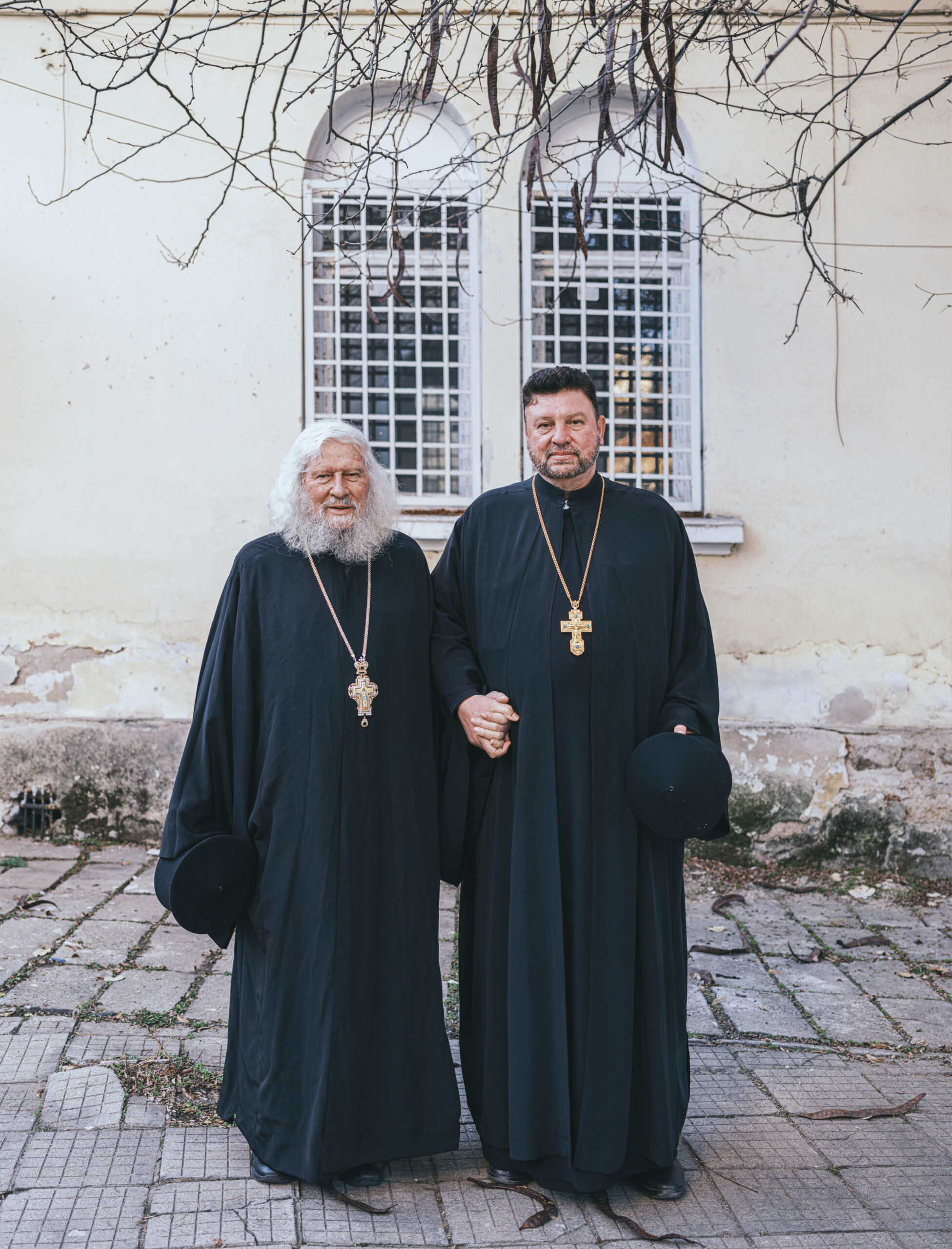
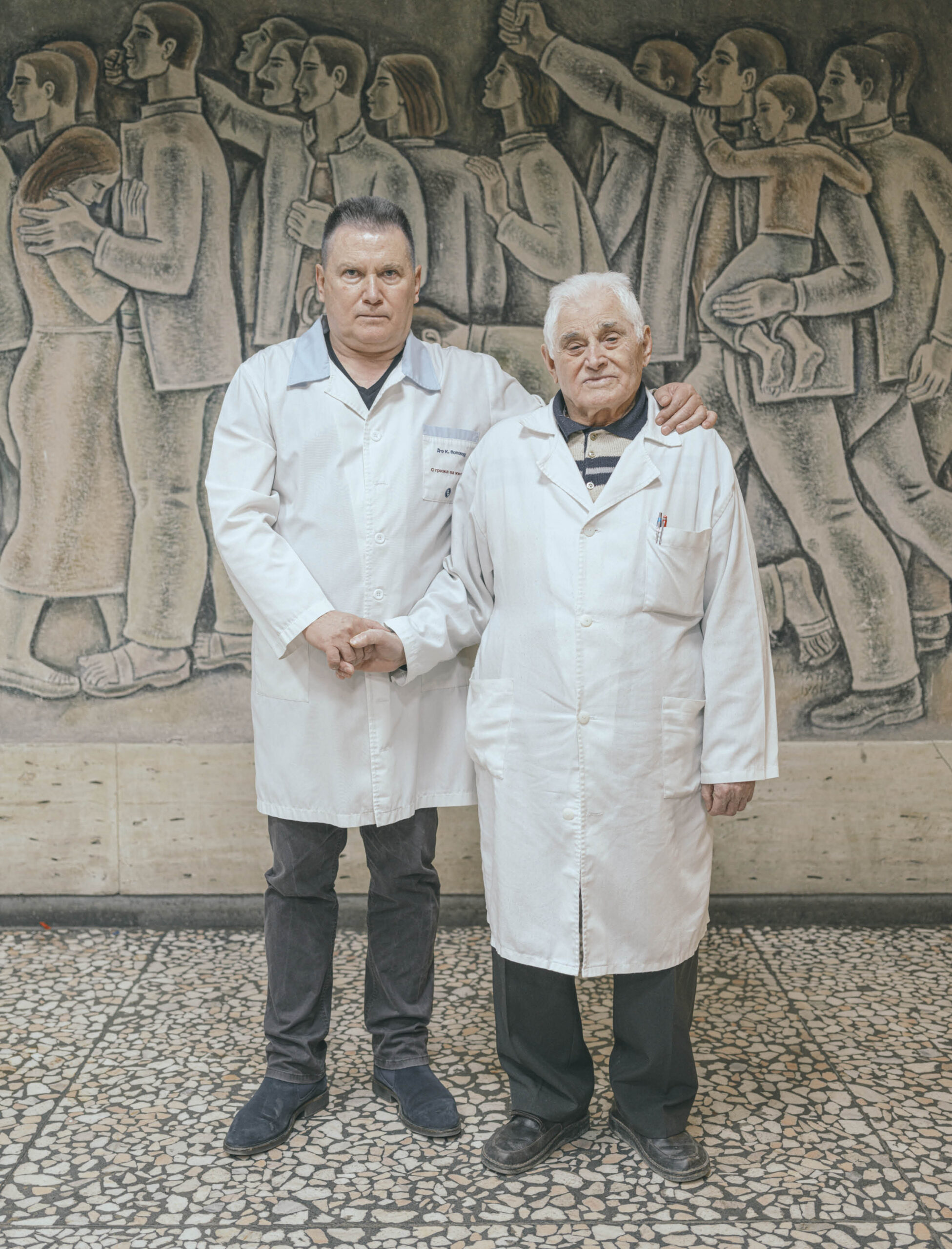
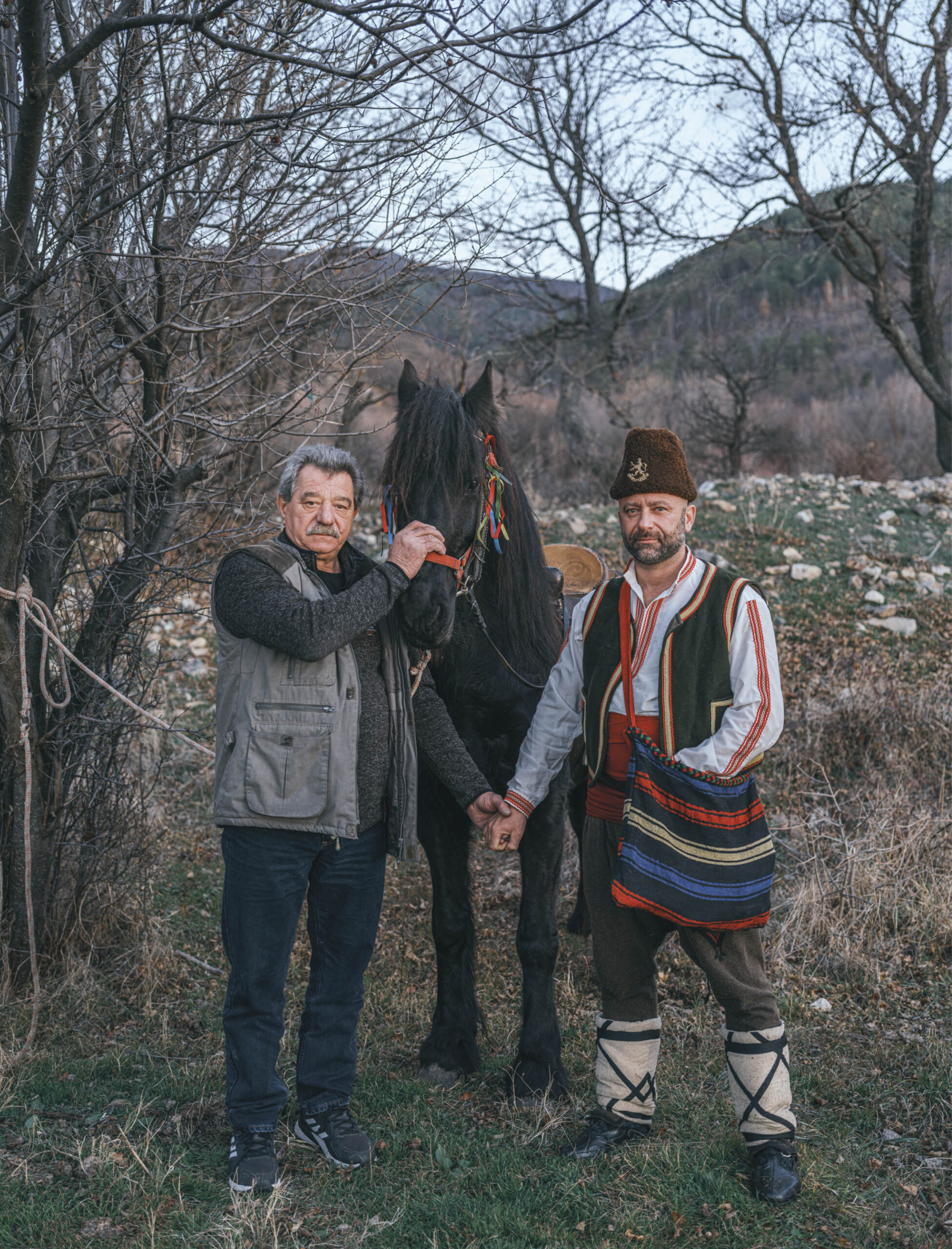
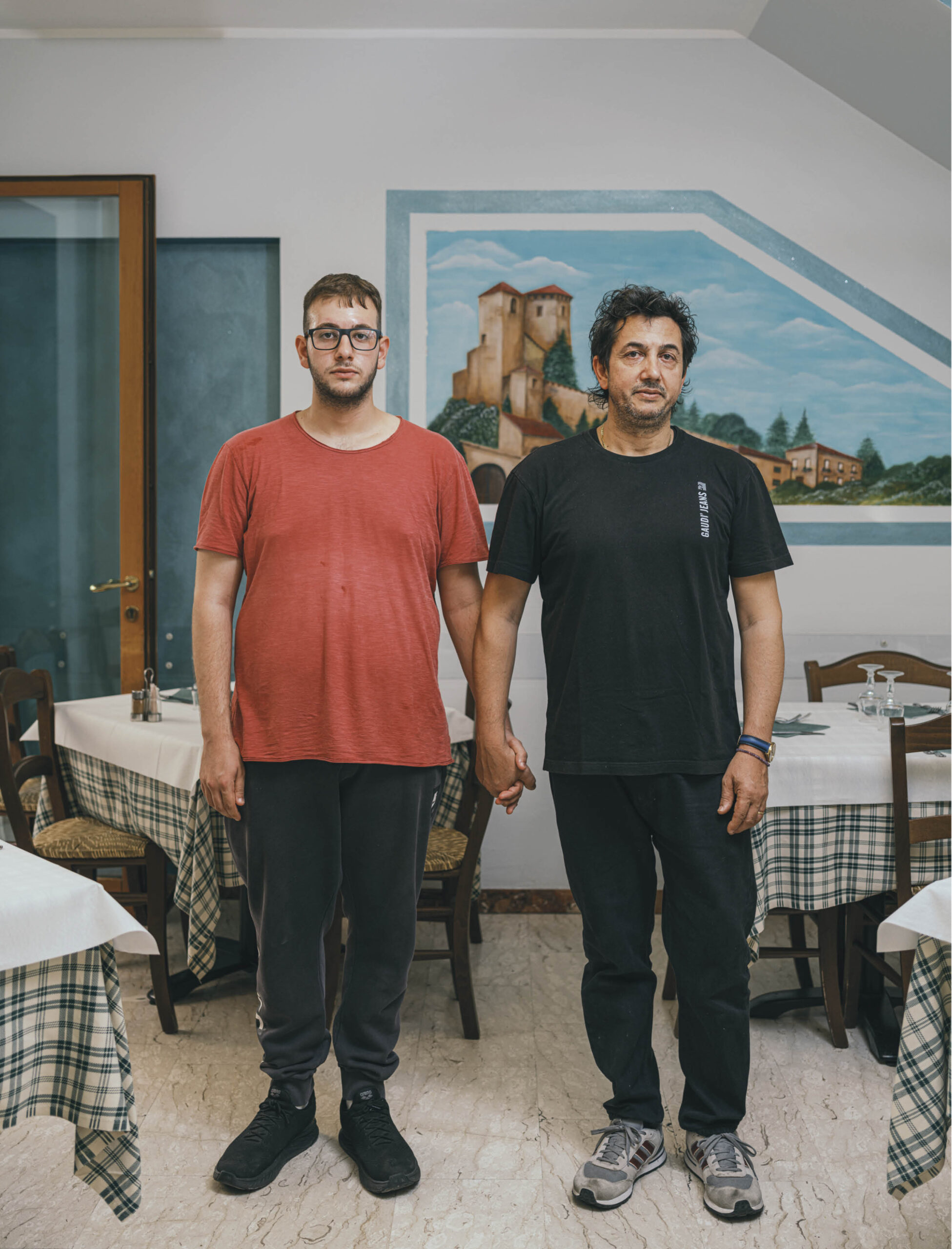
Como um mapa de afetos – que vai da Bulgária à Geórgia, da Turquia à Arménia, da Itália a San Marino –, Pai e Filho destaca a singularidade da identidade moldada pela família, pela religião, pelos costumes e pelo género.
“Nestas interacções, vemos identidades individuais a emergir no seio de narrativas familiares partilhadas, ilustrando o quão profundamente pessoais e culturalmente influenciados pela tradição são os nossos percursos de vida. Ao deixar as narrativas por detrás destes retratos abertas à interpretação, convido os espectadores a acrescentarem as suas próprias camadas de significado, tornando-nos a todos contribuintes para esta história da Humanidade em evolução.”
O fundo das fotografias é tão importante como as pessoas. O que Valery está a fazer é a “tentar perceber a ligação entre eles” e “num enquadramento que já está intimamente ligado às suas identidades”. “Os cenários fazem sempre parte da história”, assume. “Vou encontrando as pessoas pelo caminho, perguntando por aí fora se conhecem pais e filhos. Encontro-os desta forma espontânea e tento fotografá-los no seu estado mais natural.”
Faz a “radiografia” do sítio, escolhe “cuidadosamente” o local e a composição antes de lá colocar pai e filho. “Quero preservar esse momento da forma mais autêntica possível. Quando estão em frente à câmara, não dou muitas instruções. Tento evitar que adotem posturas que não sejam naturais, que ajam por vergonha ou por se sentirem observados. Quero que tirem as máscaras, esses gestos que escondem quem realmente são. Espero um pouco e,quando vejo que está tudo equilibrado, digo-lhes: ‘Dêem as mãosum ao outro.’ Não pergunto: ‘Podem dar-se as mãos?’ Digo. ‘Dêem-se as mãos’. Porque já sei que conseguem, e desta forma estou a ultrapassar uma expectativa social. Agimos com base em normas herdadas – ‘os homens não fazem isso’ – e estereótipos enraizados. Assim, estou a facilitar um comportamento.”
O momento entre pai e filho, expostos, tirados dos seus comportamentos habituais, fica para a história. “Há momentos muito comoventes, difíceis de descrever. E tenho a certeza de que, para alguns dos participantes, este será um momento precioso de ligação. Tenho a certeza de que nem os participantes, pais e filhos, têm noção do que vai ser revelado. Este é um momento verdadeiramente especial.”
Há “muitas, muitas coisas” neste gesto simples. Valery Poshtarovcoloca pai e filho no mesmo patamar. É por isso que não fotografa crianças. É por isso que procura sempre adultos com perfeita “perceção de autonomia”. “É um momento muito especial porque é também um momento de reconhecimento. Estamos a reconhecer o outro como nosso igual. E é um ponto de viragem para muitos pais e filhos. É um momento de união e também de libertação.”
Quanto mais se dedica ao projeto, mais ele se torna numa “investigação” sobre a herança cultural e sobre como formamos a nossa identidade e como essa identidade está ligada aos modelos que herdamos. “Isto é, por vezes, mais uma questão de antropologia cultural do que de fotografia. E é isso que me faz continuar”, conta o autor, que andara sensivelmente 15 anos a deambular pelas montanhas de Rhodope à procura dos últimos representantes de usos e costumes em desuso nas quase 1000aldeias da região – procurando captar a preto e branco o passado e toda uma cultura que está lentamente a desaparecer para sempre. Os dois projetos fazem parte de uma investigação maior sobre “o lugar do ser humano na sociedade e na natureza. É quase a mesma história.”
Com os dedos e as vidas entrelaçadas, pai e filho revelam muito através da forma como olham, como se comportam, como ocupam o espaço e até na roupa que vestem e nos utensílios e ferramentas que os cercam. Não há mãe e filha. Não há nem mães nem filhas. “Talvez porque acredito que é esse o tema mais recorrente na História da Arte. Enquanto isso, o pai e a paternidade – e esta ligação – têm sido, de certa forma, negligenciados. E agora, numa altura em que há muito mais debate sobre o papel do pai, este sentido de envolvimento na estrutura familiar está a ser mais reconhecido. Ao mesmo tempo, continua algo ambíguo, e há muitas perguntas a fazer. Não lhes quero responder, apenas colocá-las.”
“Existe essa compreensão de que a mãe é algo que nos chega de uma forma natural. O seu apoio é inquestionável. Já o pai, temos que conquistar a sua confiança. Temos que provar o nosso valor perante a figura paterna. E isso está associado à responsabilidade que temos de encontrar o nosso lugar no mundo. Temos que dar provas, temos que encontrar o nosso lugar nessa estrutura mais ampla.”
Pai e Filho não é apenas isso – de um pai e de um filho de mão dada: “Trata-se de ligação humana. E de encontrar formas de nos interligarmos de maneira significativa. Continuo a perguntar-me: quais são os valores essenciais a que ainda nos podemos agarrar? Como podemos, nós, adultos, estar genuinamente interessados no que está para vir com as novas gerações, nos seus modos de vida e compreensão, e como nos podemos ligar aos jovens?”, questiona o autor, de 38 anos de idade, natural de Varna, filho de pai artista e de mãe poetisa, pai de dois adolescentes.
“Temos que nos adaptar e estar mais atentos às necessidades do outro, sem impor ou esperar modelos herdados que já estão desatualizados. A autoridade é agora questionável e a verdadeira autoridade baseia-se no entendimento mútuo.”
A arte é, sem dúvida, outro meio de ligação, estabelecendo pontes emocionais, facilitando a comunicação e criando vínculos afetivos, mãos que ensinam.
“Num mundo que já se está a afastar, darmo-nos as mãos torna-se uma oração silenciosa, uma forma de nos juntarmos novamente. Enquanto posam, pais e filhos dão-se as mãos pela primeira vez em anos, por vezes décadas. É um momento poderoso, muitas vezes cheio de hesitação ou resistência, que revela a nossa herança cultural, mas também a atração universal da ligação, do legado e da vulnerabilidade na nossa experiência humana. A essência do projeto reside neste ato íntimo, em que as fotografias testemunham o amor profundo, mas muitas vezes não dito, entre pais e filhos.”
Quando era criança, Valery encontrou uma velha caixa de fotografias que pertencia à sua avó. Nessa caixa, deparou-se com o retrato de uma mulher e uma inscrição escrita à mão que dizia:“Dou-te o meu rosto como presente porque o tempo passa e apaga as nossas memórias.” Esta frase tocou-o profundamente. “Aqui estava esta mulher, esquecida pelo tempo, mas a sua imagem permanecia, olhando para mim como se ainda estivesse viva. Foi a minha primeira perceção de como a fotografia pode aprisionar o tempo, como uma máquina do tempo que preserva momentos para sempre. A fotografia abre a porta a algo que vai para além do simples visual – permite-nos imaginar como era a vida, interpretar histórias das quais nunca fizemos parte, mas às quais nos sentimos profundamente ligados. Dá-nos a liberdade de preencher as lacunas com a nossa própria imaginação.”