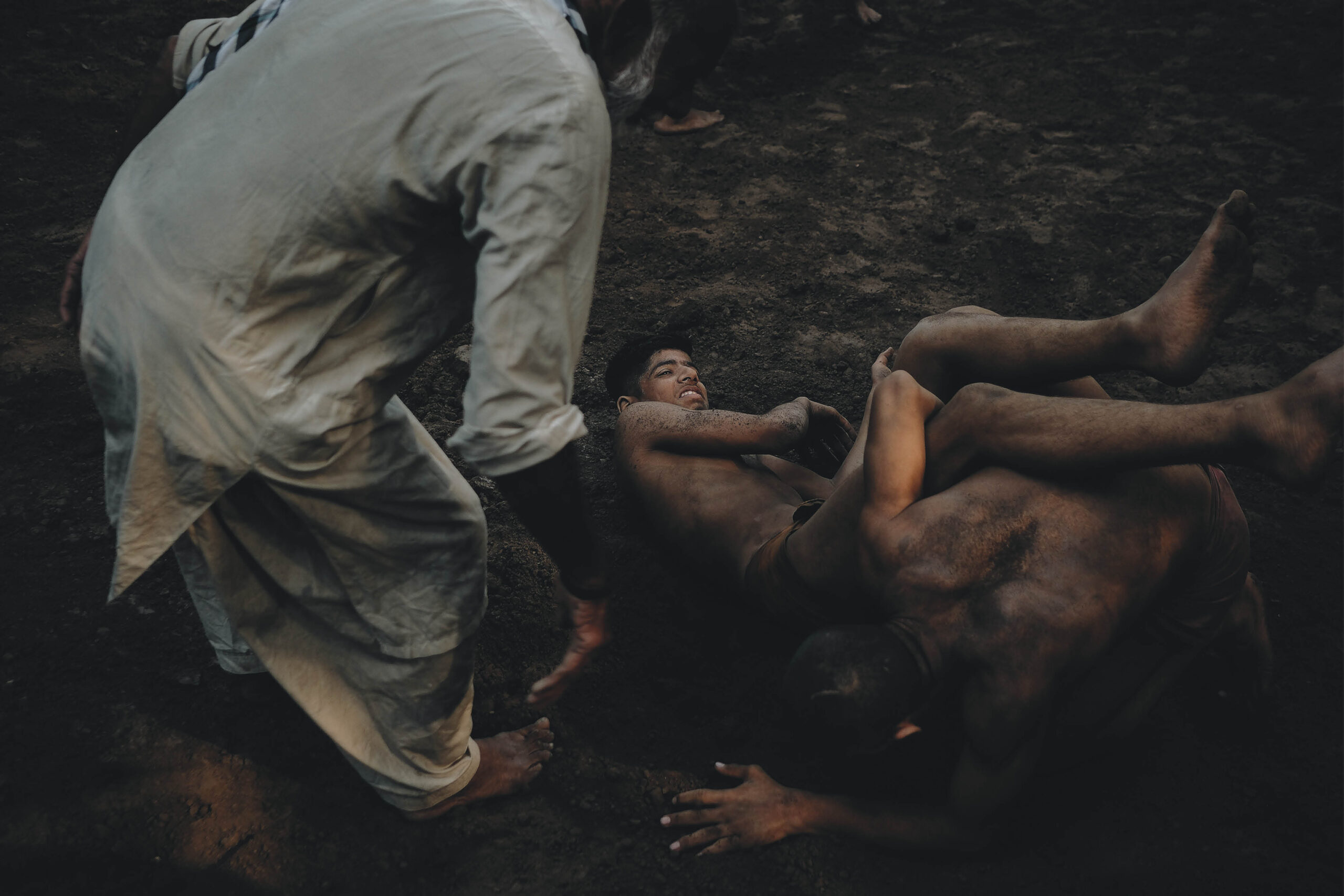
Pehlwani: arena de terra, corpos de deuses
Akhara, santuário, forja de campeões. Aqui, lavra-se o solo escuro e moldam-se os corpos. Nos becos da cidade muralhada de Lahore, ensina-se a vida. “Quem se levanta, torna-se duro.” A terra é severa como o quotidiano — e gentil com quem a respeita e venera. Há guerreiros e heróis. Há homens comuns com marcas e mazelas. Há uma geração que mantém viva a luta livre no Paquistão.
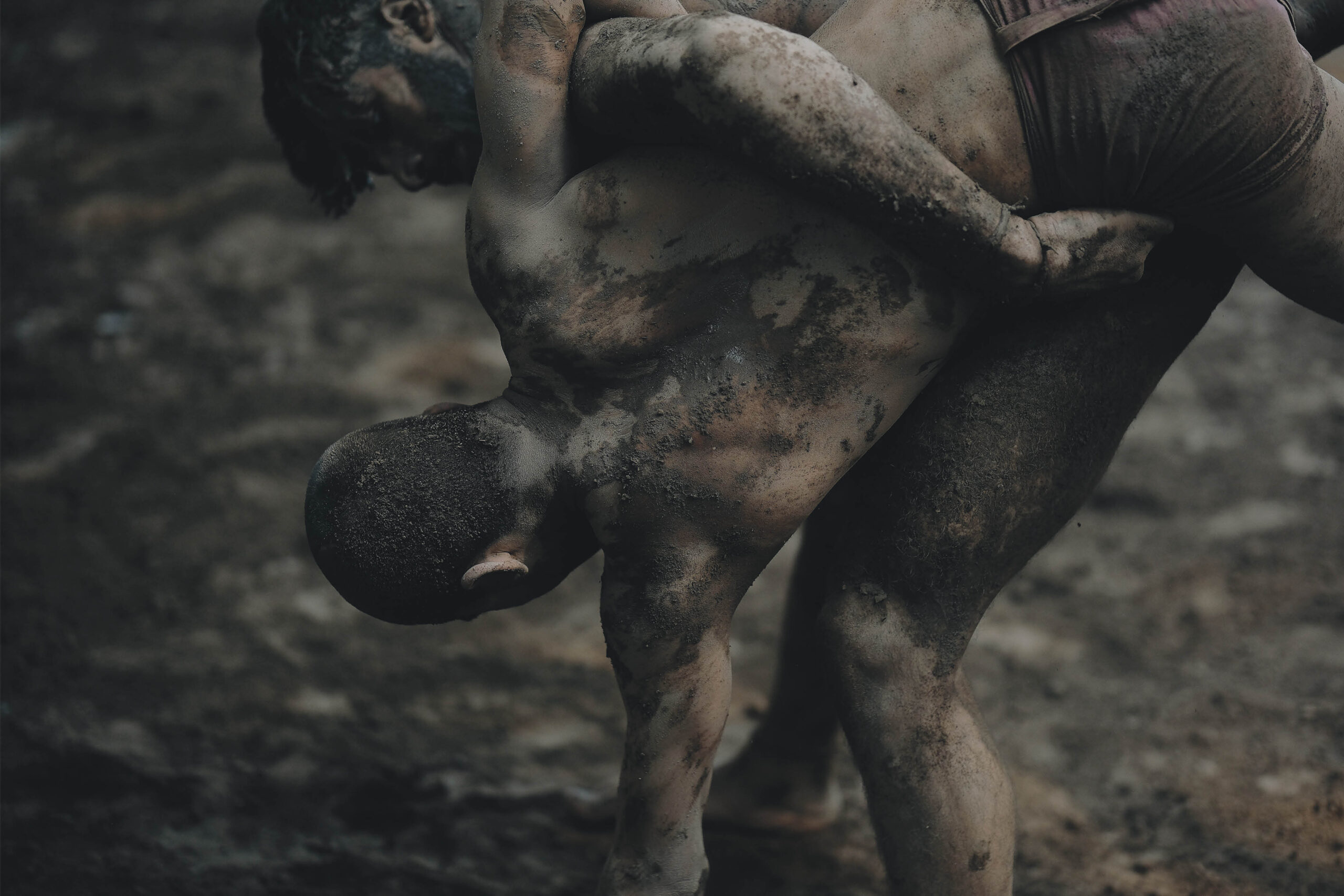
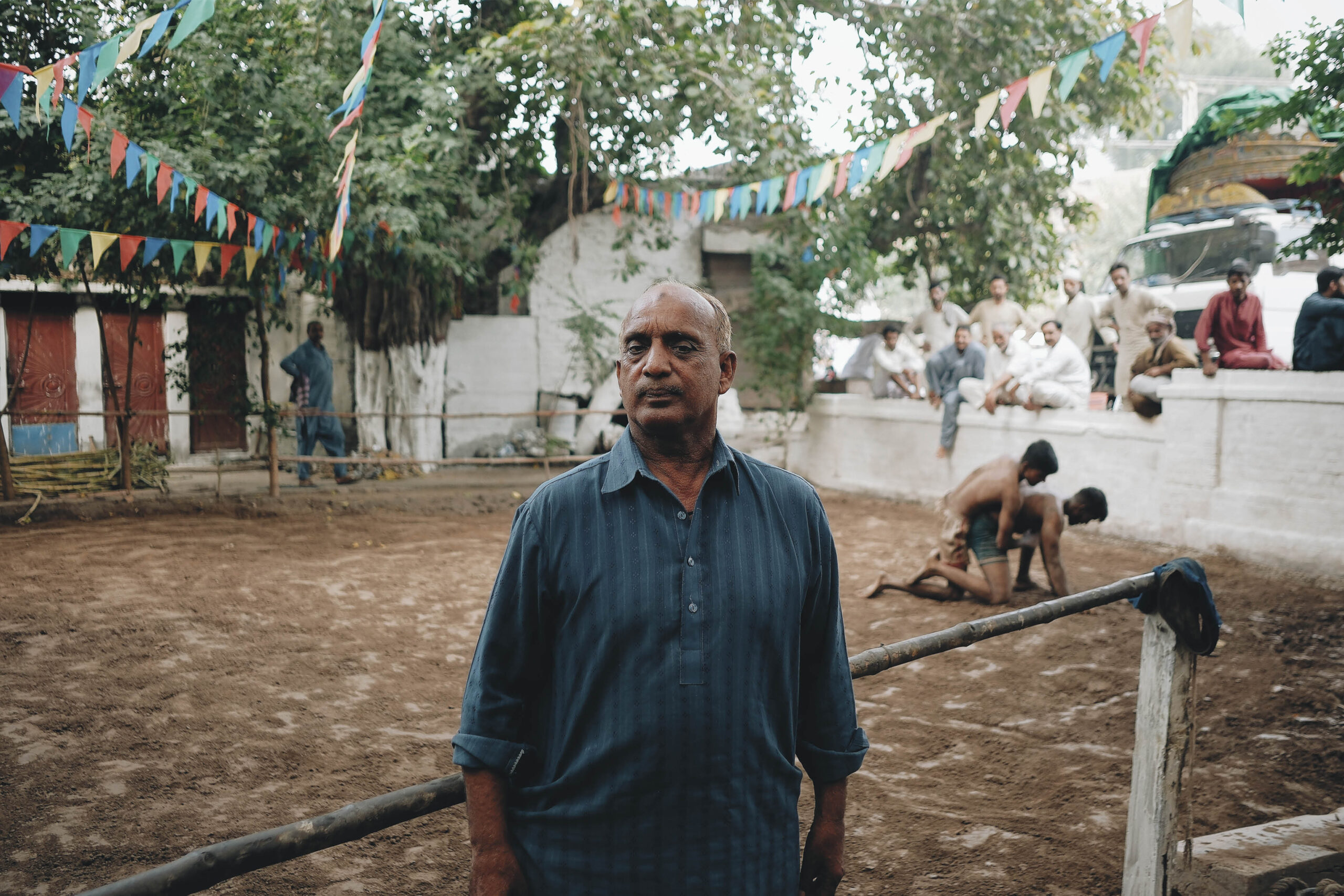
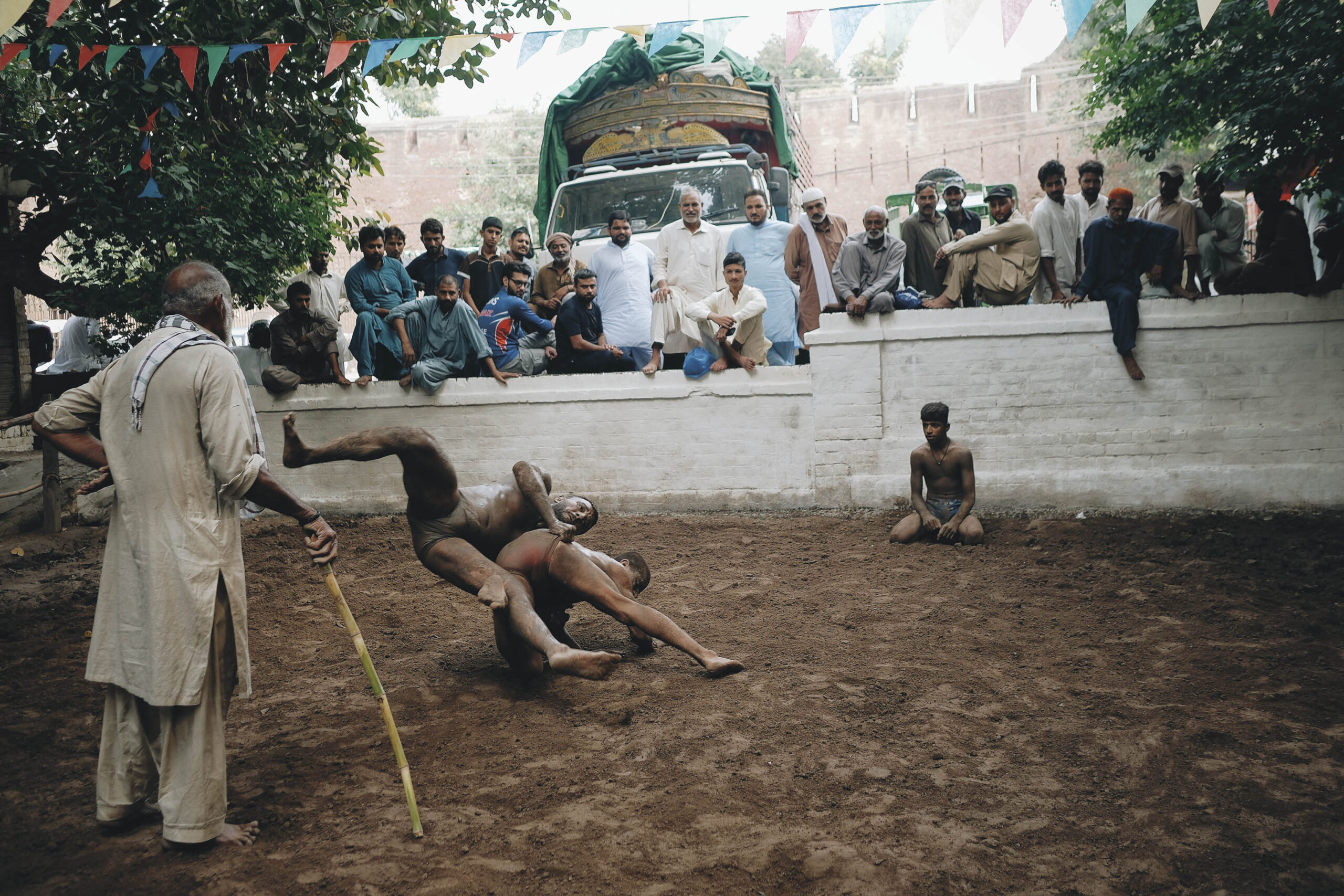
Já não se lavra a terra em Lahore – lavra-se a terra em Lahore. Terra escura, ar, água, árvores e uma aura de paz e de tranquilidade revigorantes. Akhara é um oásis, um campo de luta livre, um retângulo sagrado, lavrado e suado, um altar de meditação, de homens fortes, guerreiros urbanos, de mãos nuas, pés descalços e sangue consagrado, de corpos entrelaçados, embrulhados em óleo e terra barrenta que caem e que se erguem com a mesma nobreza.
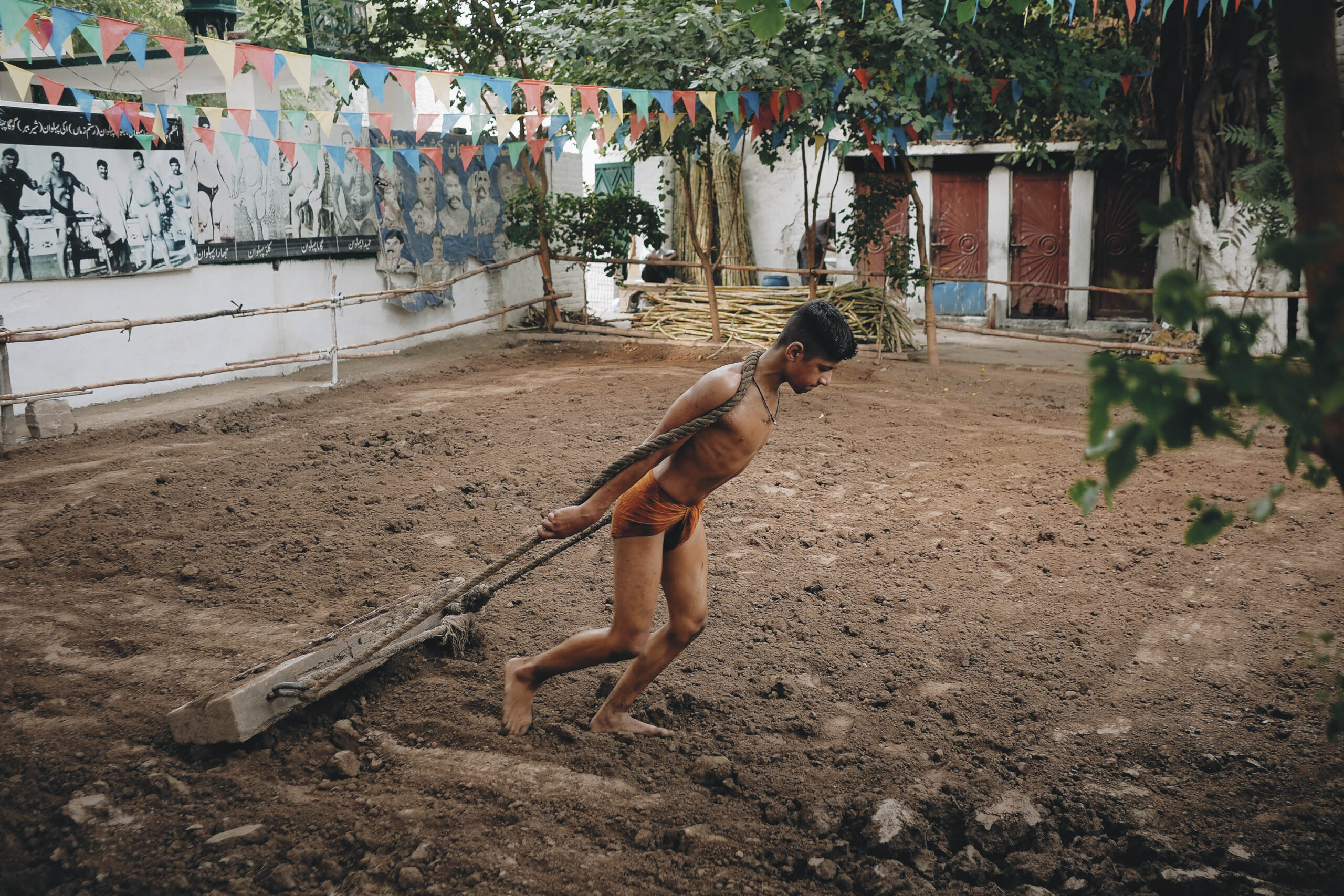
O pehlwani não se vence com golpes. É uma luta, uma dança bruta e poética que flui na terra dura e macia, estéril e fértil, que ecoa histórias de glória, uma área fresca, limpa e tranquila normalmente ensombrada por uma árvore grande, uma zona de exercício, água para lavar o corpo e uma parede onde se afixam cartazes e fotografias de lutadores famosos, daqueles que forjaram templos de músculo, força e respeito.
Este antigo estilo de luta livre, cujas raízes remontam ao século IV a.C., luta para sobreviver no Paquistão, mas resiste aqui e ali e continua entranhado na subcultura da cidade muralhada de Lahore, uma autêntica cápsula do tempo construída há mais de 1000 anos e fortificada durante o período mogol, mogor ou mongol (séculos XVI-XVII). Originalmente com 13 portais, alguns destruídos, outros camuflados pelo passar do tempo, os seus muros guardam uma rede labiríntica de ruas estreitas, mesquitas e havelis (casa senhoriais) ornamentadas, mas o que salta à vista são as pessoas, os comerciantes que ocupam todas as portas e os artesãos e restantes guardiões de ofícios ancestrais: a caligrafia, a azulejaria kashi, os bordados khundis e os sapatos khussas, isto para além dos cozinheiros de comida de rua, dos cortadores de folhas de tabaco, dos amoladores e das bermas das esquinas estreitas onde cabem as cadeiras dos barbeiros e os hábeis trolhas a la minuta, munidos das ferramentas para a sua especialidade à espera do freguês.
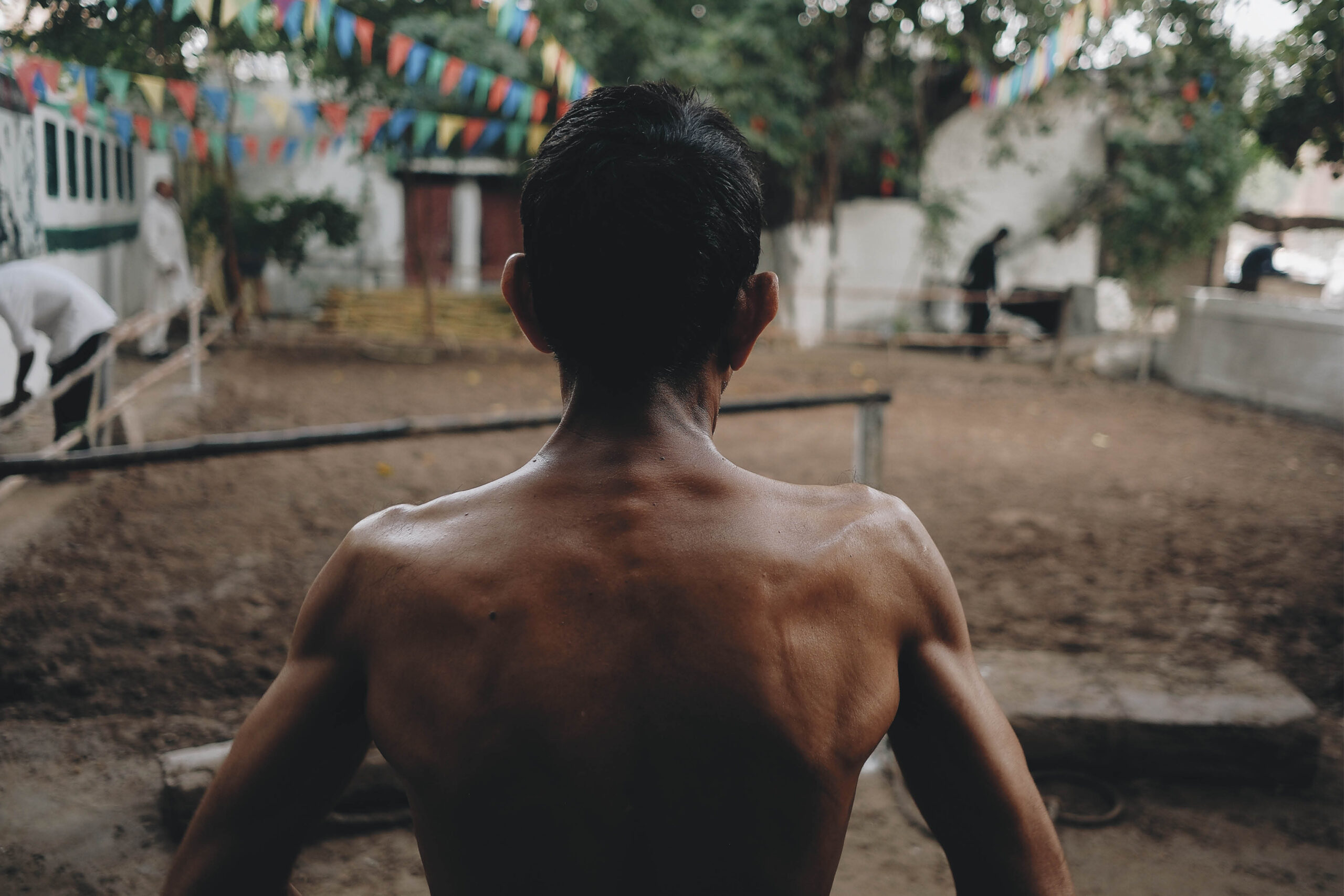
Ao fim do dia, o turbilhão de gente desaparece à velocidade do fechar de portas dos negócios, e faz-se silêncio. Cedo, de madrugada, há ainda um vazio poético de vielas desertas que se confundem entre si e pessoas sem rosto que varrem rios de lixo deixados para trás, ao mesmo tempo que, amarrados por uma corda às patas traseiras, arrastam os cães vadios que não sobreviveram à noite.
Ainda mal nasceu o dia e já se distinguem guerreiros no akhara de Bamma Pehlwan, clube vizinho dos fascinantes Jardins de Hazuri Bagh, Património Mundial da Humanidade pela UNESCO desde 1981 (delimitados pelo Forte de Lahore, a leste, pela Mesquita de Badshahi, a oeste, pelo samadhi (monumento funerário) do marajá Ranjit Singh, a norte, e pelo Portão de Roshnai, a sul) e o maior fosso de luta livre da cidade, famoso até hoje por ter produzido muitos paquistaneses campeões asiáticos.
Passo a passo, ao ritmo de um ritual, vamos procurando decifrar os momentos, movimentos e os termos de origem persa, luta e herói, mestre e praticante, corpo, alma e dedicação, códigos de honra (honestidade, generosidade e renúncia), herança de reis. “Quem se levanta, torna-se duro. Grandes lendas treinaram aqui antes da Partição [da Índia]”, traduz-nos Fariq Ahmad, mestre em Ciências do Desporto que decidiu começar a treinar para melhor entender a arte. “Só quem sente é que sabe o que significa. Como escrever sobre alguma coisa, se não sentiste?”
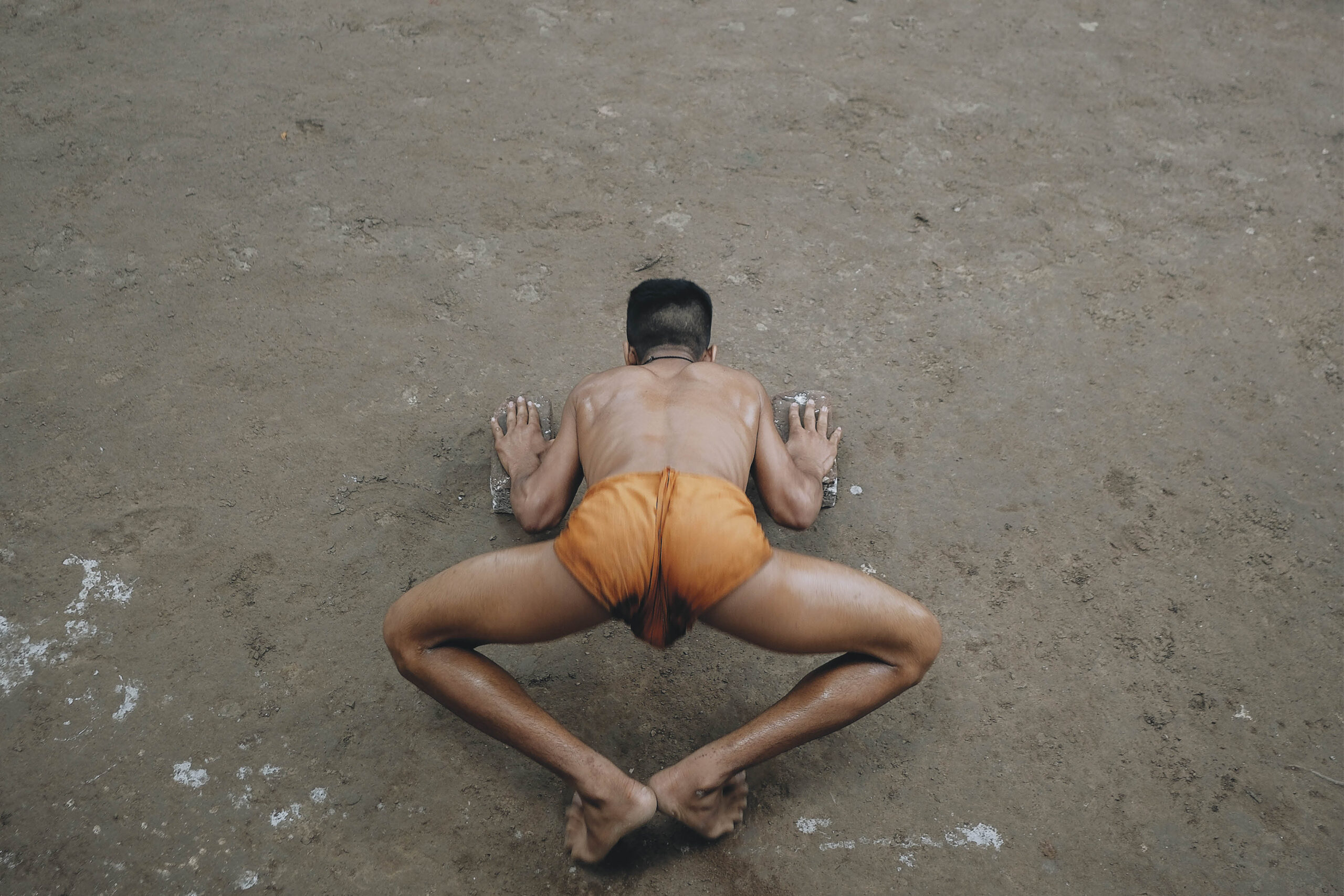
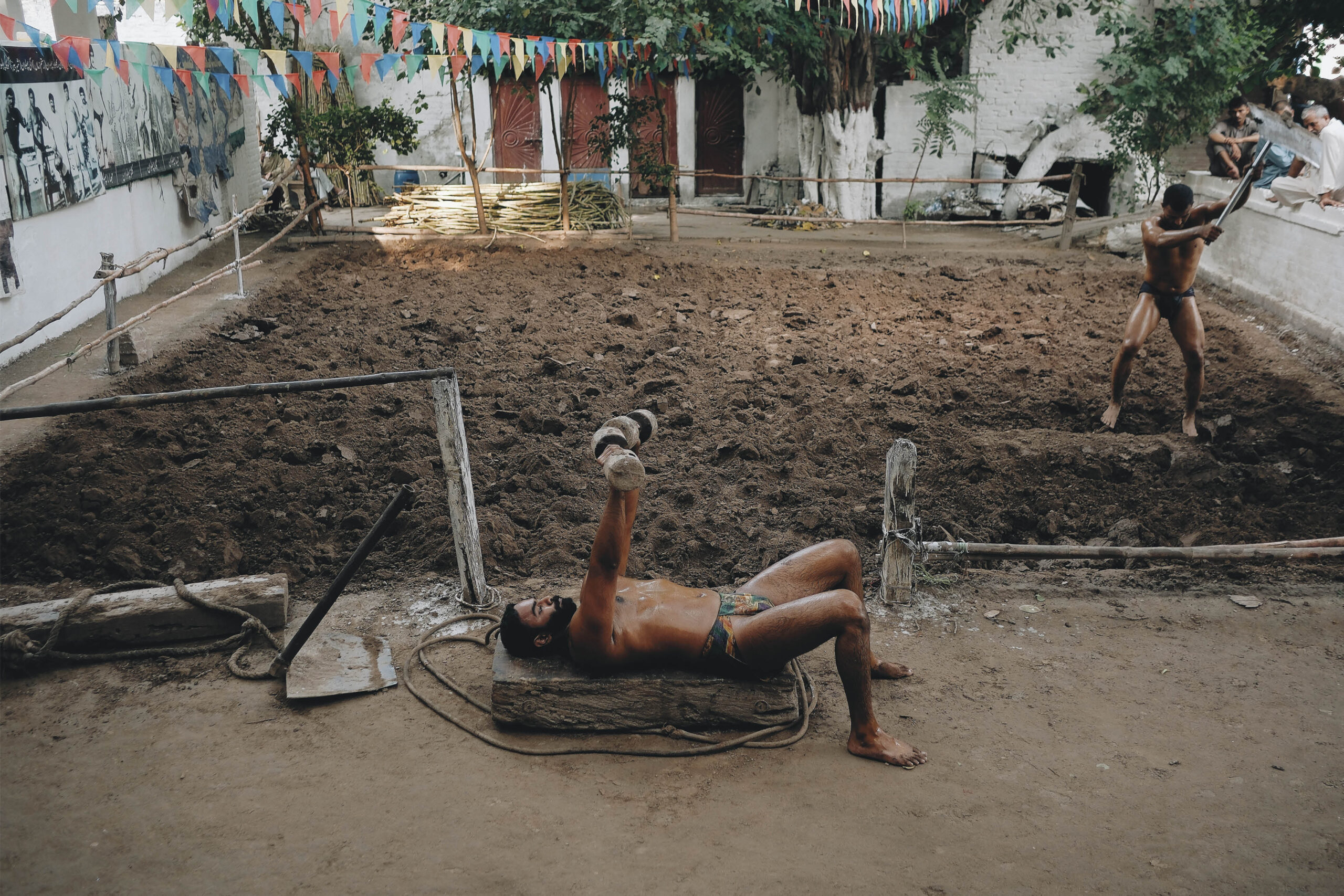
A estação das chuvas terminou. Apanham-se as folhas caídas na lama. Urge tratar da arena e do corpo. Lavra-se um, unta-se e amacia-se o outro, óleo e terra. Os dois tornam-se um único. “Cava-se para se fortalecer as costas e para reduzir o impacto no solo.” Antes do embate, o rectângulo, sagrado, venerado pelos lutadores – ninguém o pode pisar calçado –, é cuidadosamente preparado. Um ou dois lutadores vão sachando a arena de uma forma cruzada e sistemática, para lá e para cá, tornando-a mais fofa e arejada, mais um exercício preparatório, tal como o pisar da terra que se segue, para nivelar o terreiro.
A gigante enxada de cabo curto passa sistematicamente dos mais novos, esgotados, para os mais calejados, músculos devidamente massajados. Alguns deitam-se para que outros lutadores caminhem sobre si. É habitual que alguns trabalhem como endireitas. Esbatem-se castas, cria-se um sentimento de unidade, valoriza-se a experiência.
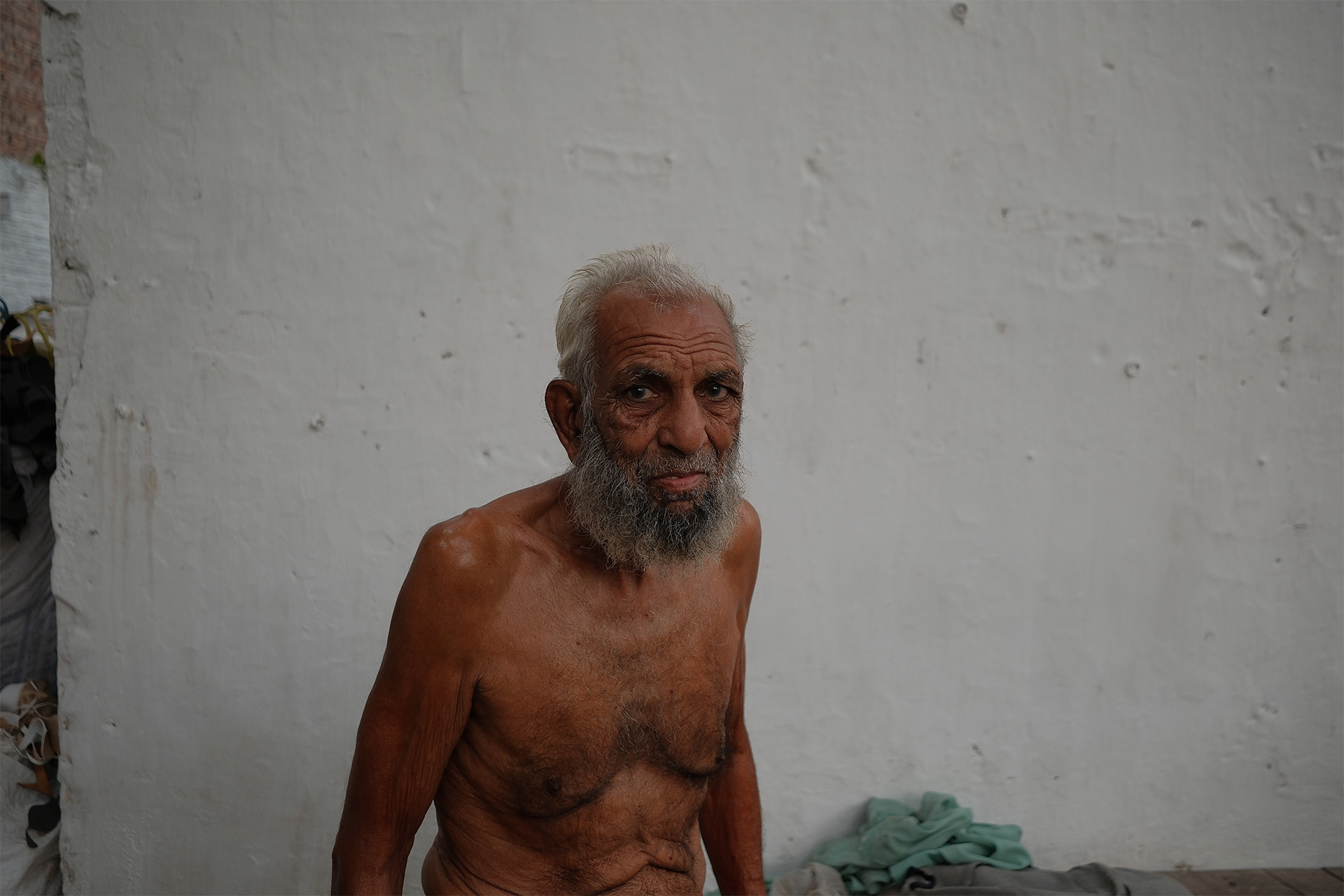
Exibe-se Rashid Gujjar, campeão aqui e no MMA, concentra-se Riaz Molay Wala, de 90 anos de idade, paralisado durante três anos, antes de voltar a pisar a terra. Compara-se o pehlwani com o ascetismo sufista, com o zurkhaneh, nota-se a austeridade praticada pelo faquir e pelo dervixe (ou daroês), a disciplina do corpo.
De acordo com os códigos de ética da arte marcial, espera-se que o lutador seja um muçulmano exemplar, um homem de carácter, que vá à arena antes da fajr (oração) matinal e que regresse ao fim do dia. A terra, suave e castanha, considerada curativa, é trazida do leito do rio Ravi, misturada com água – e às vezes salpicada com água de rosas.
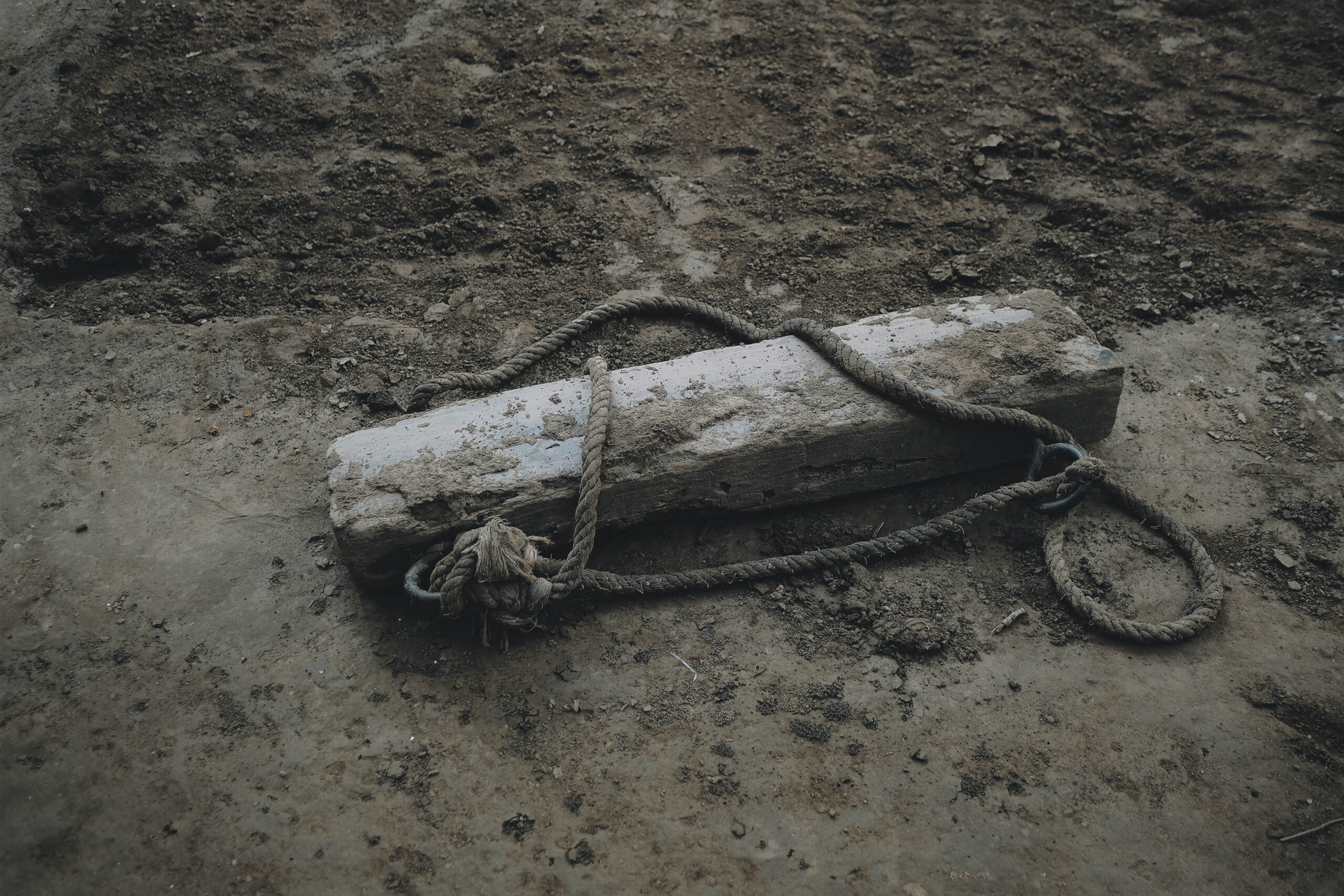
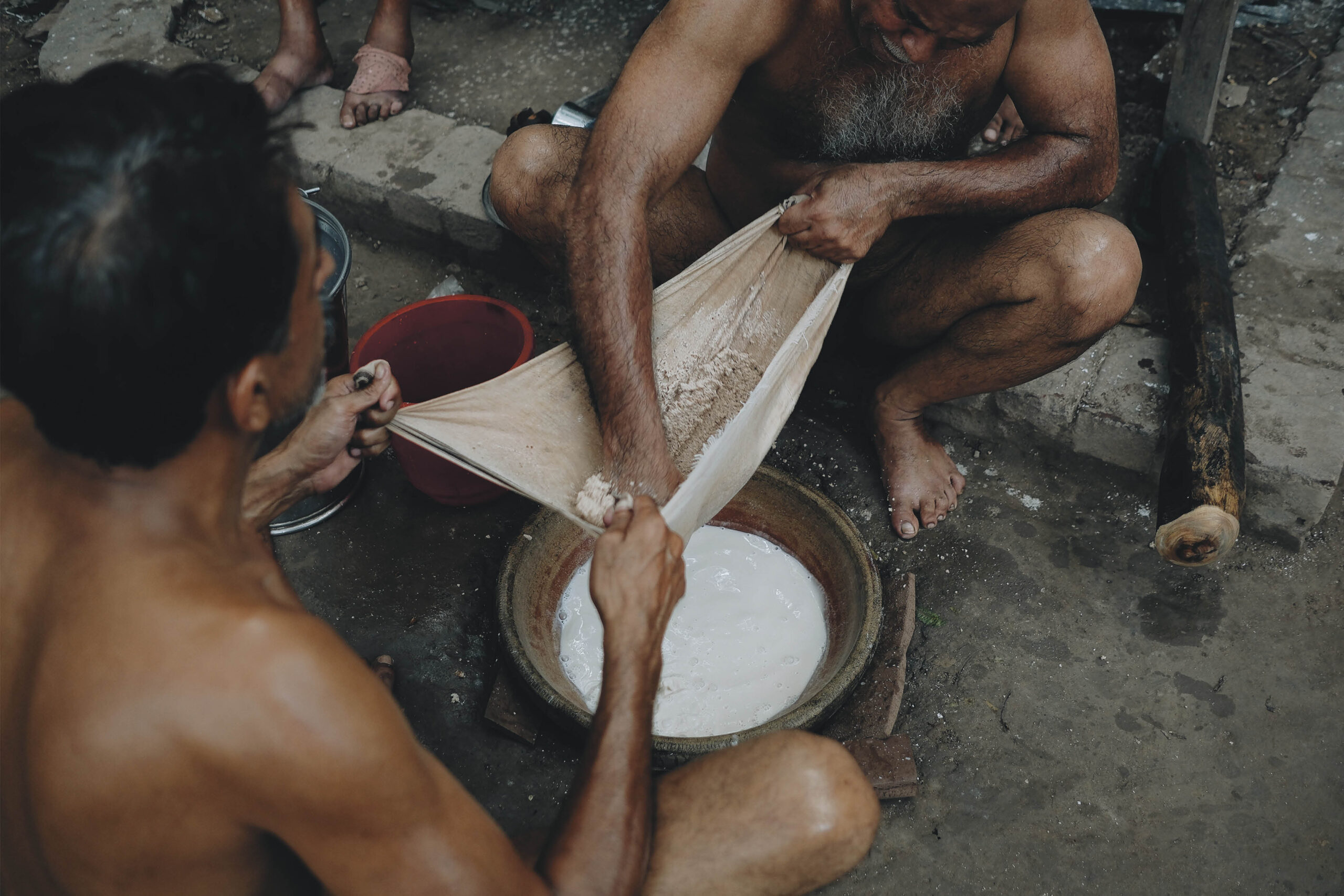
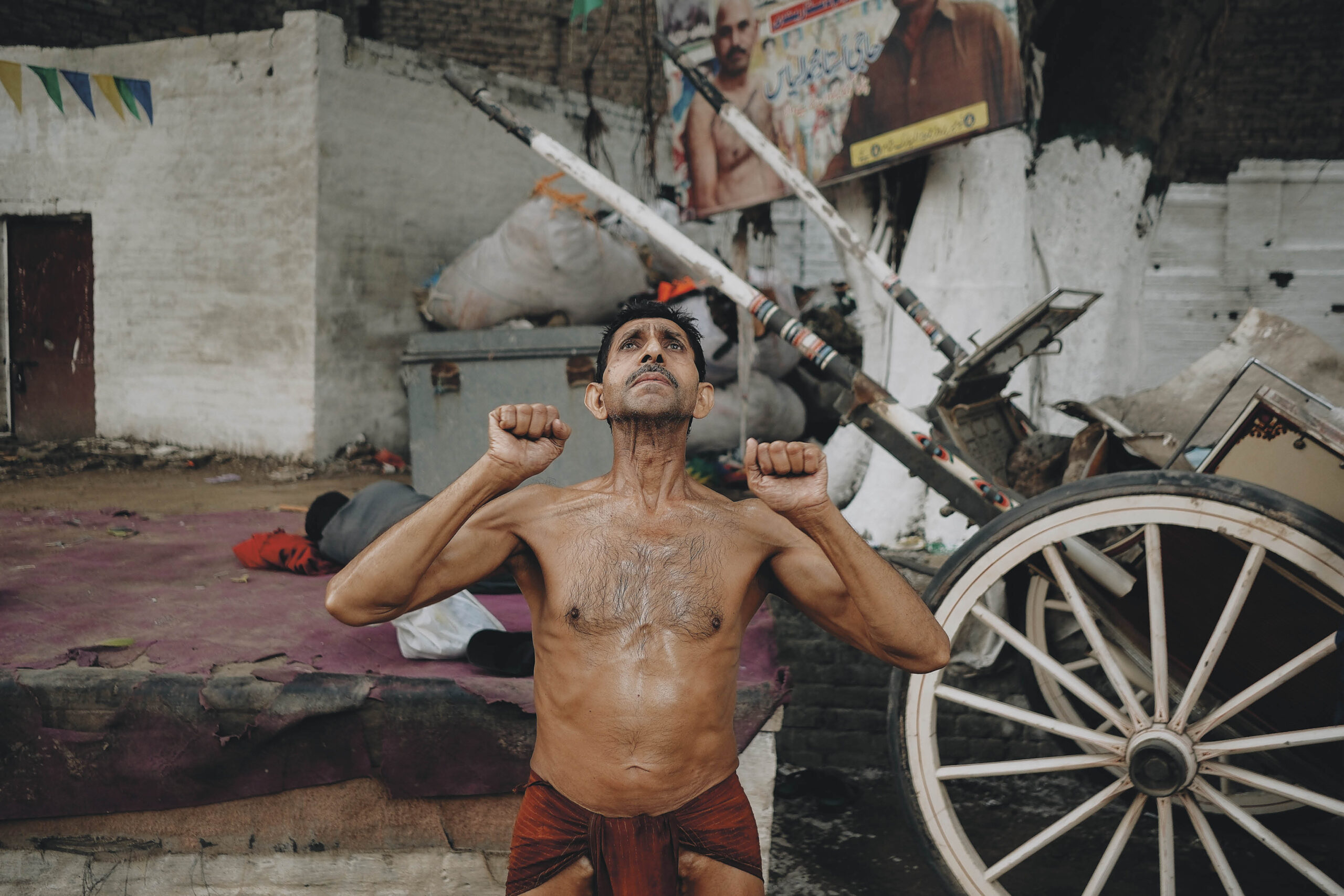
Um dos lutadores estará quase sempre ocupado a triturar amêndoas e avelãs no almofariz com leite e ghee (manteiga clarificada), preparando sardayi, uma potente bebida energética consumida depois dos combates. Todos fazem centenas de flexões e de squats. Os mais aptos trazem ao pescoço um colar de 70 quilos. O mestre Bala, declamando, batendo com uma vara em quem erra, vai circulando entre todos. Poeta sufista natural de Lahore, cedo perdeu os pais e só deixou as drogas quando encontrou a arena. “Muitos dos seus alunos atingiram o topo da carreira”, comenta Fariq.
Quase não se dá pelo dono do clube, Goga Shahia, filho de Shahia Pahalwan, combatente antes da Partição da Índia, ambos produtores de filmes – muitos baseados nas suas vidas e nas dos seus familiares. O dinheiro escasseia. Os homens madrugam e treinam entre ofícios. As dívidas pagam-se com o apuro da reciclagem de solas de calçado recolhidas nas fabriquetas da cidade muralhada.
A arena, uma teia social, é como uma sinédoque de Lahore, rica e diversa, num esforço constante para preservar o seu património e melhorar as condições de vida.
Pintadas de fresco, as paredes do clube homenageiam “O Grande Gama” (1878-1960), campeão invicto da Índia britânica – “e as pessoas costumavam dizer que só a morte poderia derrotar Gama” –, e uma modalidade em declínio. Lavra-se a terra. Pisa-se a terra. Tombam os corpos. Erguem-se heróis.