Rupai e Joyeeta: promessas, viagens e um casamento em Bengala
Entre autocarros sobrelotados, fios de tagetes, bandejas de doces, saris e peixes crus, acompanhamos Anweshon – ou “Rupai”, como é chamado em família – no regresso à aldeia onde cresceu, em Bengala Ocidental. O casamento com Joyeeta cumpre promessas antigas e revela a coreografia íntima e coletiva dos matrimónios hindus: dias de rituais, encontros familiares, humor, imprevistos e afetos.
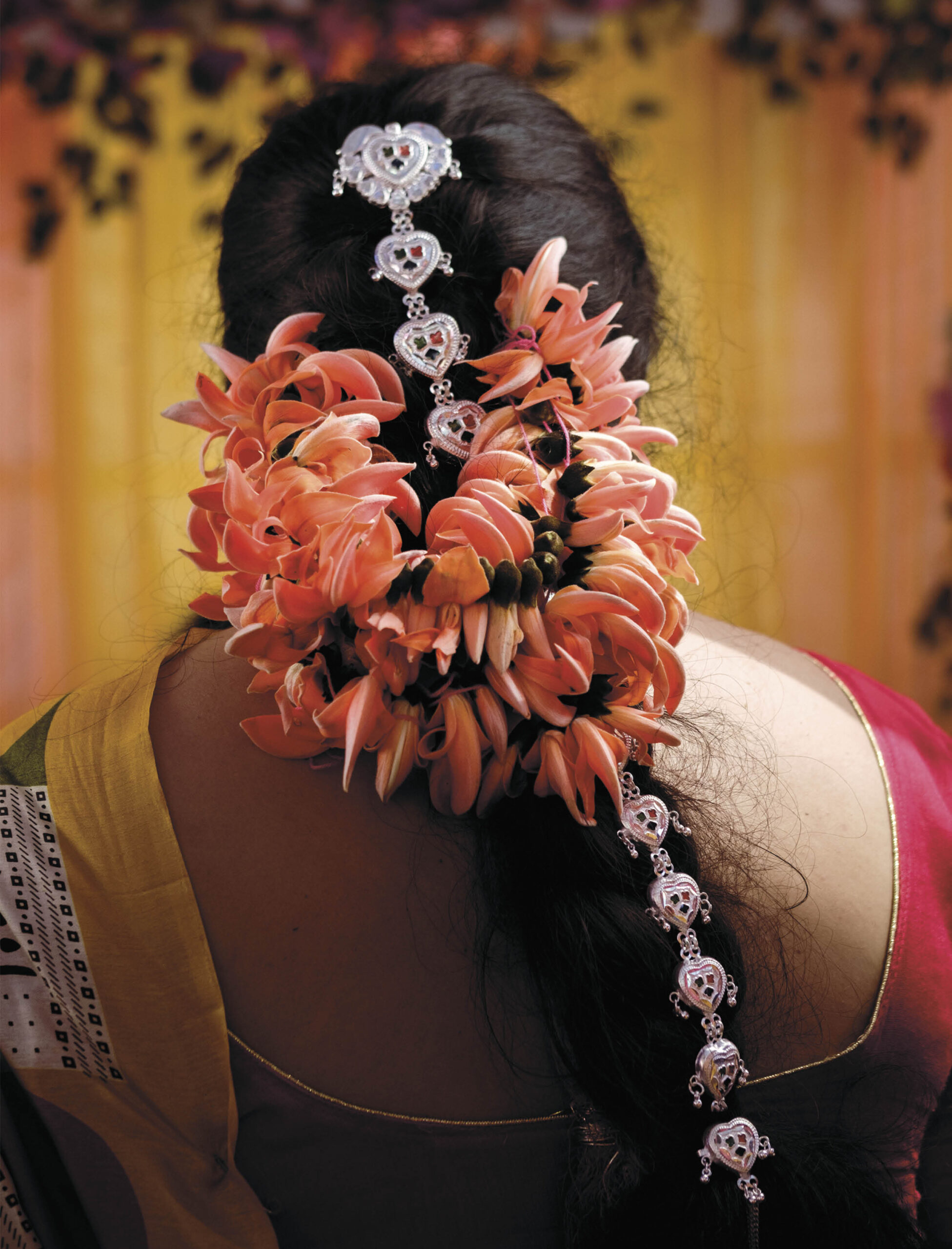
“Este lugar é quem eu sou”, disse o Anweshon, no mesmo modoque se ouve por toda a Índia, onde as frases mais profundas são atiradas como as migalhas da mesa depois do almoço (ou, no caso do jovem bengalês, nas stories mais cármicas e psicadélicas, embora infrequentes). “Não te esqueças de dizer namaste ao entrares na casa dos meus pais”, pediu logo a seguir, antes de acelerar na mota. Agarrada a ele, a brisa de fim de tarde começou finalmente a secar o suor de um dia de viagem em autocarros sobrelotados.
O lugar é Kenduadihi, uma aldeia em Bankura, no estado indiano de Bengala Ocidental. Foi aqui que o Anweshon cresceu, e é aqui que regressa para se casar.
Quando recebi o convite para o casamento, era assim que imaginava o reencontro, o meu amigo e a sua mota Yezdi à beira da estrada, expectantes no meio do trânsito do final do dia. Os óculos de armação “retro” – vim a descobrir que era por eles que era reconhecido pelos vizinhos na aldeia – e a forma como pisca os olhos uma vez, antes de responder em inglês.
Os nervos de meses de preparativos tinham-lhe escondido temporariamente o sorriso gozão. Perplexidade é o seu estado basal, isso já sabia, mas porque é que olhava para mim completamente perdido – terá ele sido sempre assim? Há seis anos, em Nova Deli, estaria tão perdida como ele para reparar? Abracei-o.
O Anweshon foi a primeira pessoa que conheci na Índia. Estávamos no mesmo quarto de beliches e foi ele que se lembrou de usar o gancho do brinco para inserir o novo cartão SIM (“Foste roubada. Queres que vá lá reclamar?”) no meu telemóvel.
Levou-nos, no nosso primeiro tuk-tuk, a comer a primeira masala dosa e a visitar o Forte Vermelho na Velha Deli, numa noite em que o luar no céu espesso tornava tudo aquilo ainda mais irreal. Três dias depois, queria levar-nos a Bankura, mas dois viajantes inexperientes não conseguiam justificar a mudança de planos até à costa Este. Quando nos despedimos, foi com uma promessa: “Vamos quando te casares.”
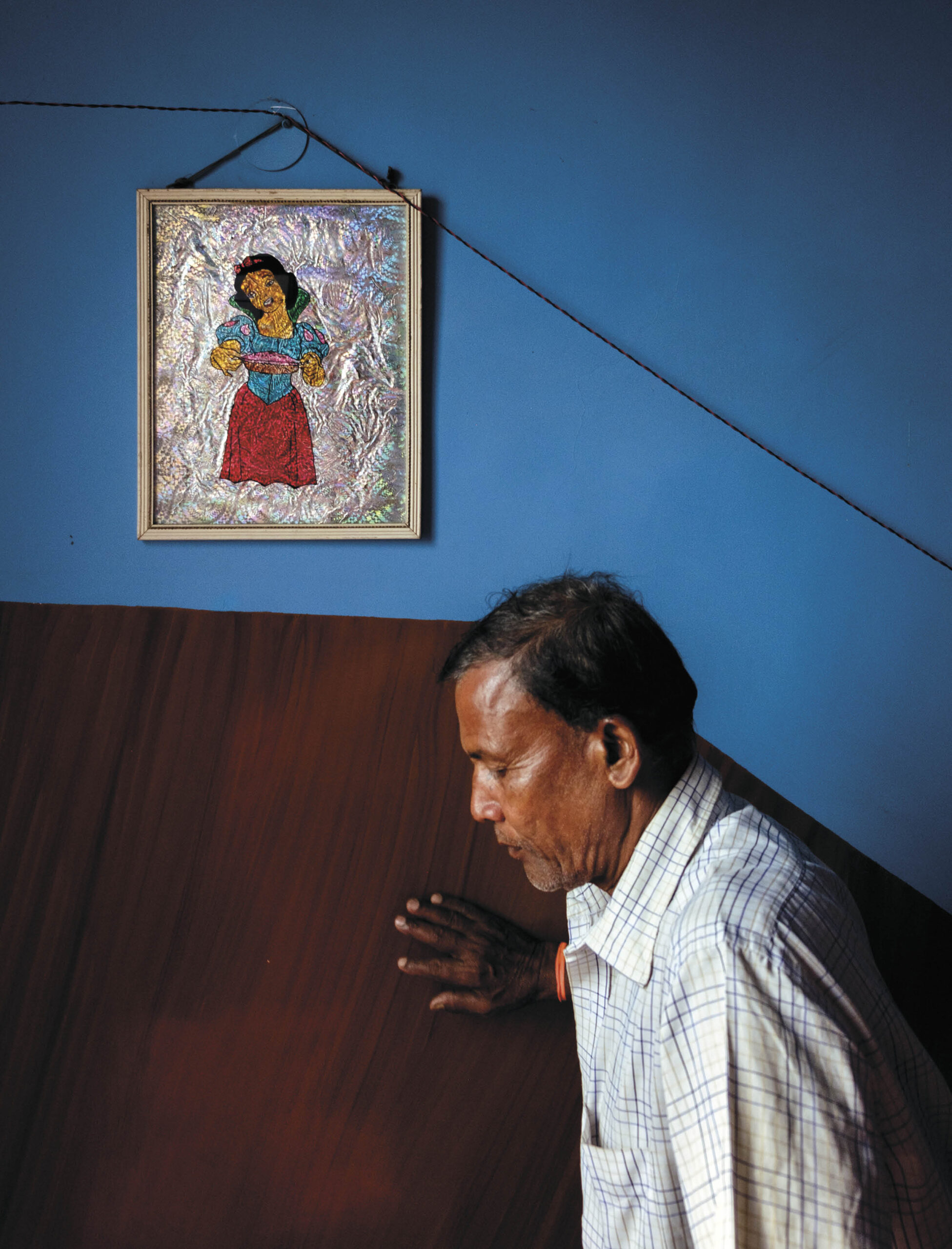
Ele nunca se esqueceu, contou, no meio de uma mensagem de voz em que tentava convencer-nos a fazer de Uber a viagem de 200 quilómetros a partir de Calcutá, no início de 2025. O comboio estava parado na mesma estação há horas. “Ninguém vos vai vender um bilhete de autocarro para Bankura. Quando tiverem que chamar um táxi, liguem para eu negociar”, disse. Lembrei-lhe uma citação pirosa que um dia escreveu, roubada a uma canção de um clássico de Bollywood: Musafir hoon yaaron. “Sou um viajante, amigos.” Respondeu com o preço de uma viagem num confortável carro preto, onde deveríamos ter entrado.
Os homens nas bilheteiras dos autocarros pareciam ter instruções claras para negar a existência de qualquer destino e foram os motoristas que nos encaminharam de autocarro em autocarro, ao longo de sete horas de buzinadelas metálicas.
A Maa Jashoda Lodge, a estalagem que o Anweshon tinha reservado para os convidados da família, ficava suficientemente próxima da casa dos pais para agilizar transportes para refeições e celebrações, e estrategicamente deslocada para evitar convidados fora de horas.
No caminho quase deserto entre as duas passa-se por um mercado rural e um campo de críquete de terra batida, rodeado de moradias de múltiplos andares com as paredes altas pintadas de roxo e verde-alface, protegidas pelas famílias de deuses pintadas em azulejos na entrada.
Parece um bom lugar para crescer, ainda que todos estes rapazes a treinar lançamento de bolas, que passeiam aos pares por entre as ervas e bancas de street food, só sonham em sair para o Dubai, Qatar, Alemanha ou Canadá. “India is great, mas o Governo é corrupto.” “India is great, mas temos que ser empreendedores porque não há empregos para todos.”
O Anweshon nunca quis sair da Índia. Para ele, India is great. “Podes viajar por aqui a vida toda e nunca ver o mesmo”, diz. Ali, todos lhe chamam “Rupai”, “moeda de prata” (a irmã mais velha é “Sunai”, “moeda de ouro”).
Bengalês, de classe média, com pais com educação superior, o subcontinente nunca lhe pareceu nem demasiado grande nem demasiado pequeno. Tem o tamanho certo para uma vida confortável num apertado apartamento em Calcutá, um cargo de engenheiro mecânico numa petrolífera e, agora, uma faladora e ambiciosa noiva copywriter que vive para o trabalho, a escrever centenas de artigos how to e 5 things you need to know para blogues de língua inglesa.
Os dois conheceram-se em 2023, em Calcutá, e têm a provocação mútua como linguagem de amor. Tudo isto só descobri ao terceiro dia, depois de uma viagem de autocarro em família ao encontro da família da noiva, Joyeeta.
Até lá, os dias na aldeia do Anweshon eram pacatos, entre refeições na cozinha exterior improvisada, rituais de preparação do noivo e conversas com jovens mais sonhadores do que desiludidos no campo de críquete.
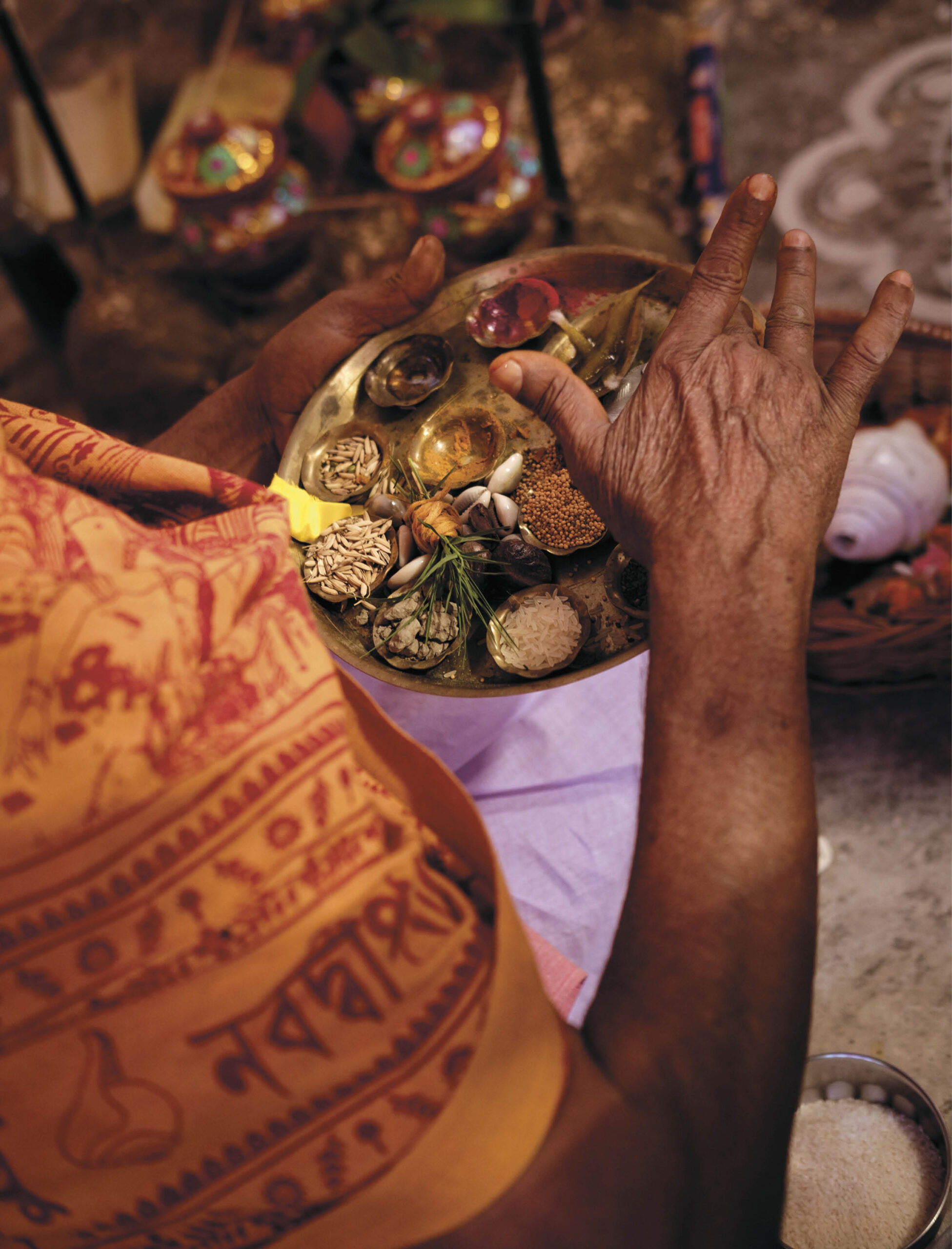
A casa de Srilekha e Arunava De tem as paredes decoradas com símbolos estampados com blocos de madeira, a mesma técnicaartesanal usada no algodão e na seda. Os padrões tradicionais são interrompidos por quadros e bordados feitos por Srilekha e por fotografias da família que por estes dias aqui se junta. Os pais do Anweshon penduraram em todas as portas e entradas fios de tagetes amarelas e cor de laranja, flores cheias e auspiciosas.
A fachada da casa foi embrulhada num tecido acetinado cor de rosa, uma forma prática de criar sombra para o refeitório improvisado e de proteger a cozinha exterior de poeiras. À noite, milhares de luzinhas refletiam os tons dourados do tecido e o caminho pelas ruas escuras até à casa em festa ficava fácil de descobrir.
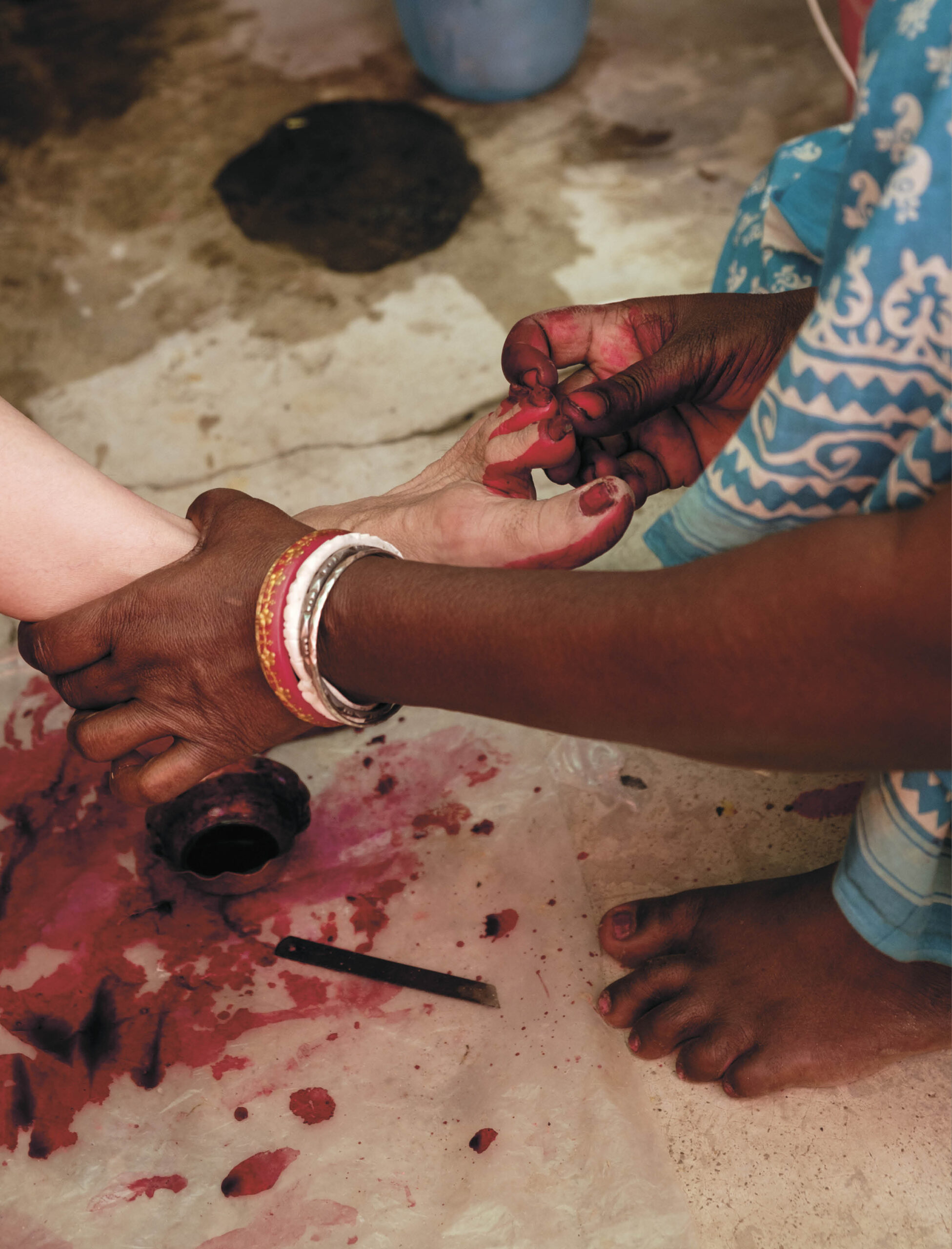
Na manhã do haldi, o Anweshon vestiu uma camisola de alças branca e preparou-se para ser coberto por uma pasta de açafrão, água e leite, que os tios e vizinhos lhe espalharam cuidadosamente na pele, sob os risos contidos dos amigos e primos.
Quando a taça com a mistura pastosa, alegadamente purificante, caiu nas mãos de Suman Gorai, ele mergulhou os dedos e atirou-a em cheio à cara do melhor amigo. “Que comece a festa!”, gritou, e desatou a fugir pelo terraço, agarrado ao lado direito da barriga.
Gorai está quase da cor do açafrão. Por causa do casamento – e das listas de espera nos hospitais da área – o jovem engenheiro teve de aguardar pela cirurgia ao apêndice, engolindo cocktails de antibióticos para amenizar as dores.
O melhor amigo do noivo é um dos exemplos mais extremos do que significa ser convidado para um casamento na Índia. Nem todos os chefes são compreensivos com o número de dias de preparação e cerimónia, diz um dos primos, que desde que trabalha só tira férias para ir a casamentos.
Talvez por isso, ninguém estava particularmente impressionado com a nossa viagem. Mas ainda a sentíamos nos músculos das costas quando partimos numa viagem de carro em família até Calcutá, ao encontro da noiva.
Os tios aguardavam com as malas de roupa de festa junto ao miniautocarro, que aos poucos foi sendo carregado com bandejas de prendas: doces bengaleses dispostos como corações, sarisdobrados em forma de cisne, jóias, louças, um peixe cru de boca aberta, uma carruagem em miniatura a lembrar as que costumavam transportar as noivas até às novas casas.
As mais de 40 bandejas (tatwas) douradas e vermelhas foram embrulhadas, numeradas e listadas pelo pai do noivo, claramente orgulhoso das obras que cobriam o chão e a cama do quarto de infância do Anweshon.
Era nelas que pensava a cada buraco na estrada durante a viagem de seis horas com três paragens para chai. Às 23h, o miniautocarro parou num hotel insuspeito e os convidados foram distribuídos por quartos para se refrescarem e vestirem.
Tínhamos feito um bom trabalho a negociar por kurtas e uma dupatta brilhante no primeiro dia em Calcutá. Entrámos no labiríntico New Market com um orçamento definido e saímos do mercado centenário, que tem mais de 2000 lojas e outros tantos vendedores insistentes, com o que nos pareciam vestimentas adequadas. Assentavam bem, até debaixo da luz branca do quarto de hotel.
Ao descer as escadas, todos os convidados traziam já as malas. Os quartos eram só para trocar de roupa. Era preciso trazer tudo e já estávamos atrasados, sentenciou a mãe do noivo, com outro peixe cru fresco nas mãos. Corremos para enfiar tudo na mochila e voltar a entrar no miniautocarro.
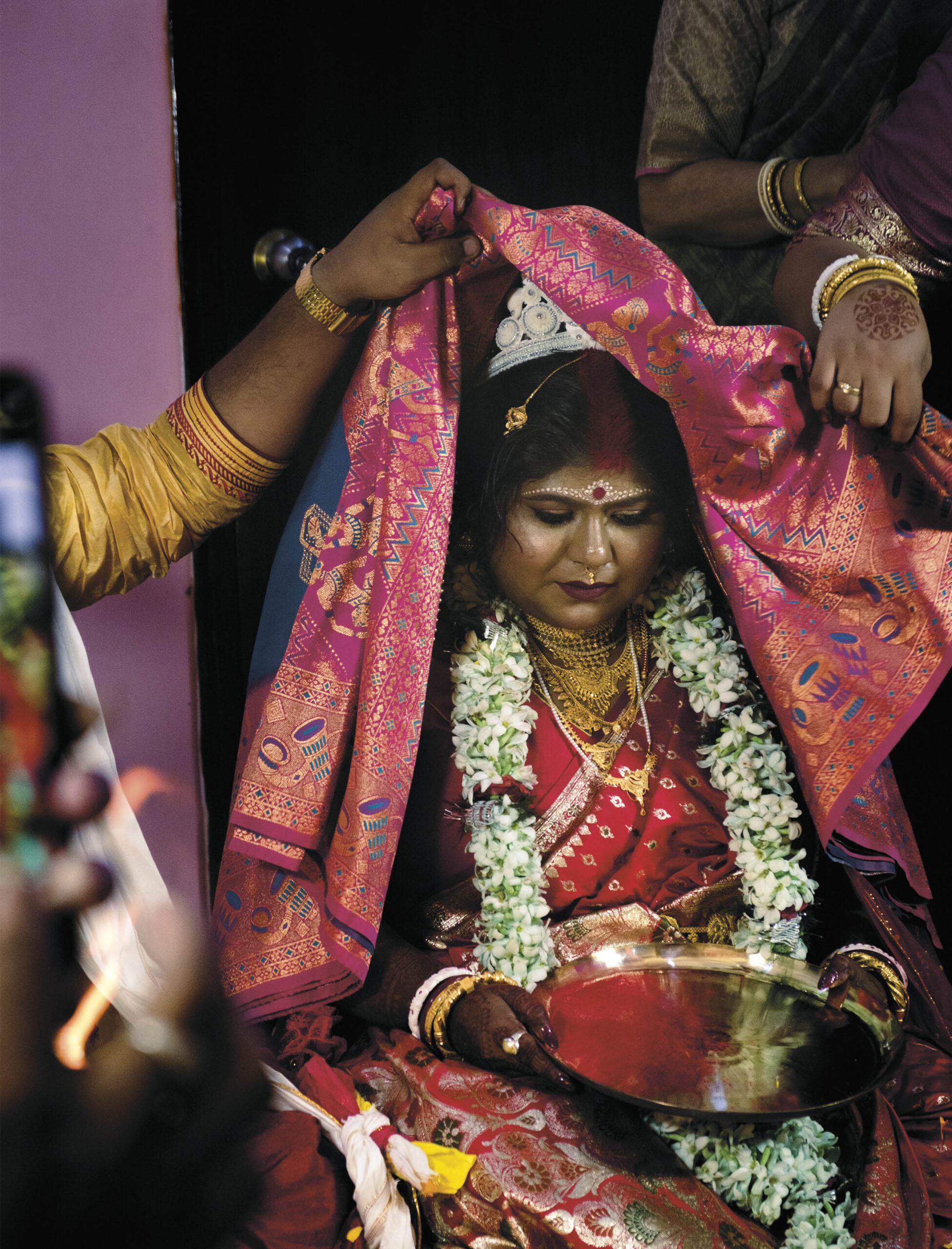
Para os hindus, os casamentos duram dias, mas não dias quaisquer. O almanaque dos movimentos astrológicos, o Panchangam, ditou as 2h da manhã como hora-limite para o noivo chegar à beira da noiva, explicou o Ricky, o fotógrafo que funcionava como voz off para nos situar.
Não se trata de deixar irritada a família da noiva – embora esta também seja uma razão forte para, finalmente, os tios septuagenários se começarem a apressar. Em Março de 2025, estes eram os dias para um casamento auspicioso e, em caso de atraso, ninguém se arriscaria a seguir em frente.
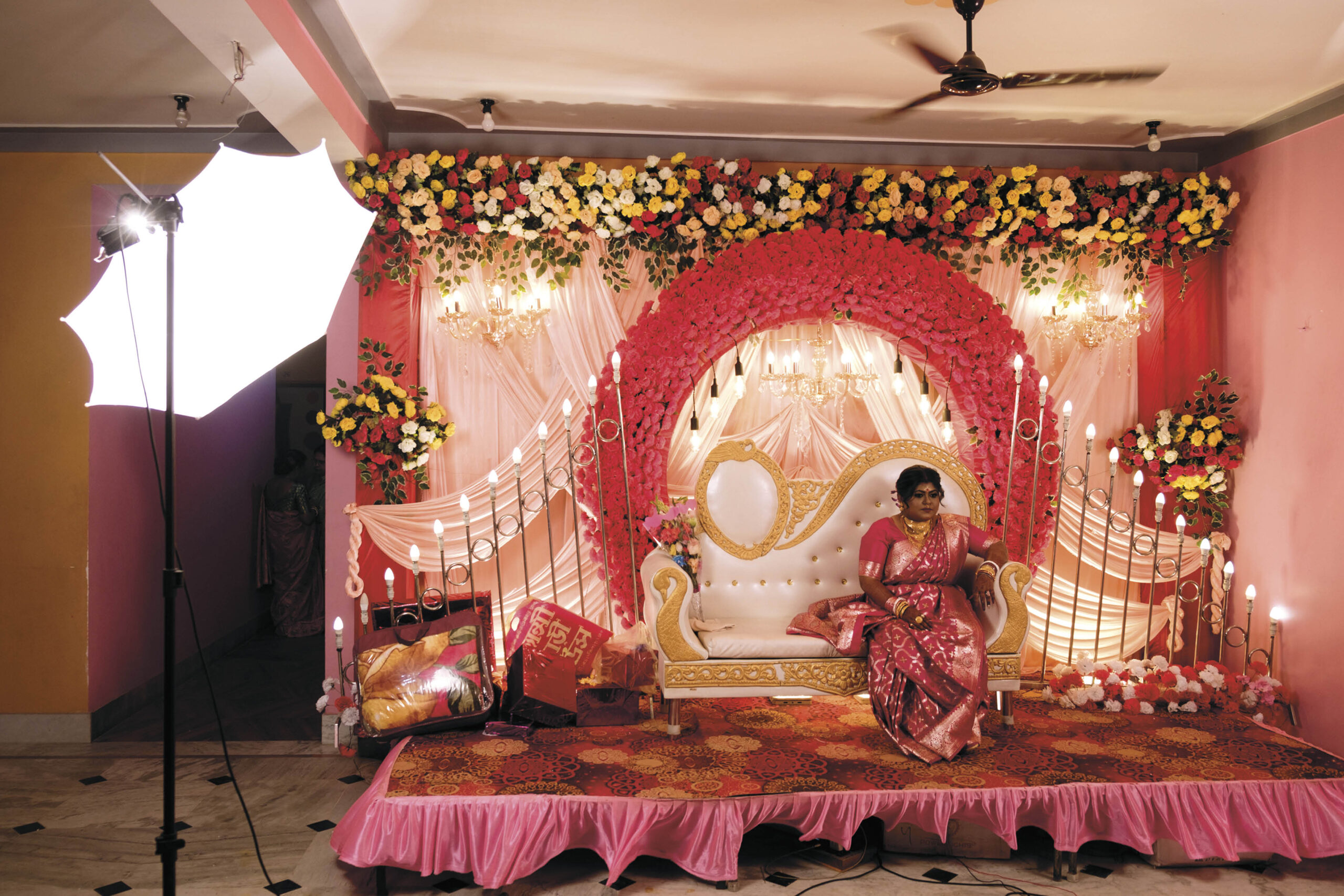
No salão de festas, os noivos reencontraram-se após terem passado dias separados, e em vez de música e dança, como nos filmes de Bollywood, decorreu uma longa sessão de fotografias e entregas de prendas, que se repetiria um dia depois, na aldeia do noivo.
A maioria dos cerca de cem convidados, mesmo os que fizeram uma viagem de horas para ali estar por breves momentos, não pareciam muito interessados no que estava a acontecer, só se aproximando para comentar distraidamente um ou outro pormenor, antes de voltarem ao buffet de diamond fish fry, uma especialidade em restaurantes de Calcutá, como a concorrida cadeia Mitra Café.
Às 4h da manhã, a noiva e a mãe choravam abraçadas. “Foi a família do noivo que ganhou um novo membro hoje”, explica Ricky, já com as câmaras fotográficas arrumadas e pronto para voltar para Bankura. Depois da viagem durante a madrugada, e enquanto dormíamos na estalagem onde passámos cinco noites, a mãe do “Rupai”preparou a casa para receber “a nova filha”. No quarto onde os dois vão dormir, dispôs comida e roupas, uma representação de que agora seriam eles a providenciar todas as necessidades básicas à noiva. No final, os dois quebram um jejum de arroz e comem juntos do mesmo prato. A família mais próxima assistiu a tudo empoleirada em cima da cama.
Ao despedir-se pela última vez, o tio mais velho entrou no carro e exalou: “Casamentos indianos, hem? Uma perda de tempo...”