Andreas Tonelli : Quando cair não é uma opção
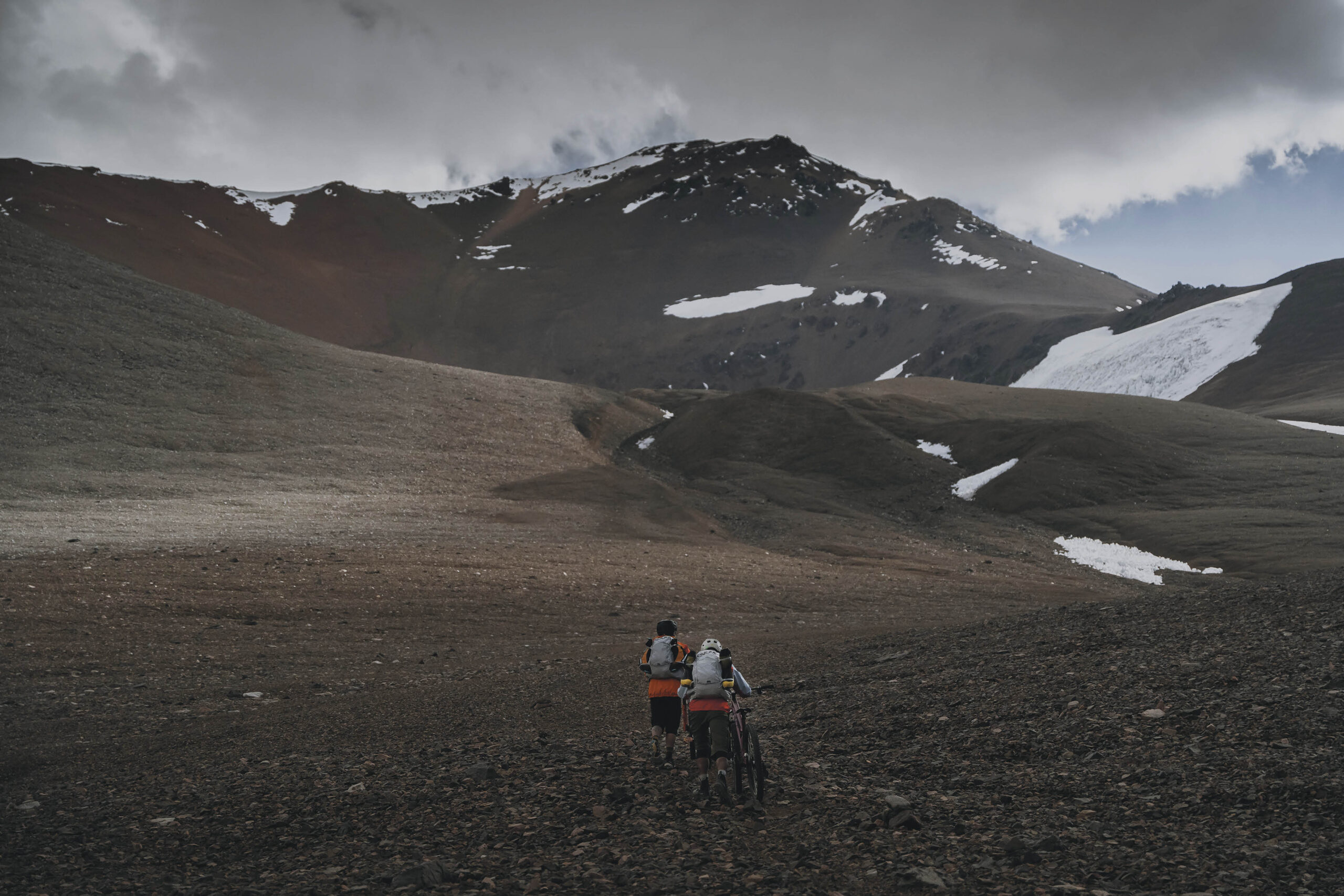
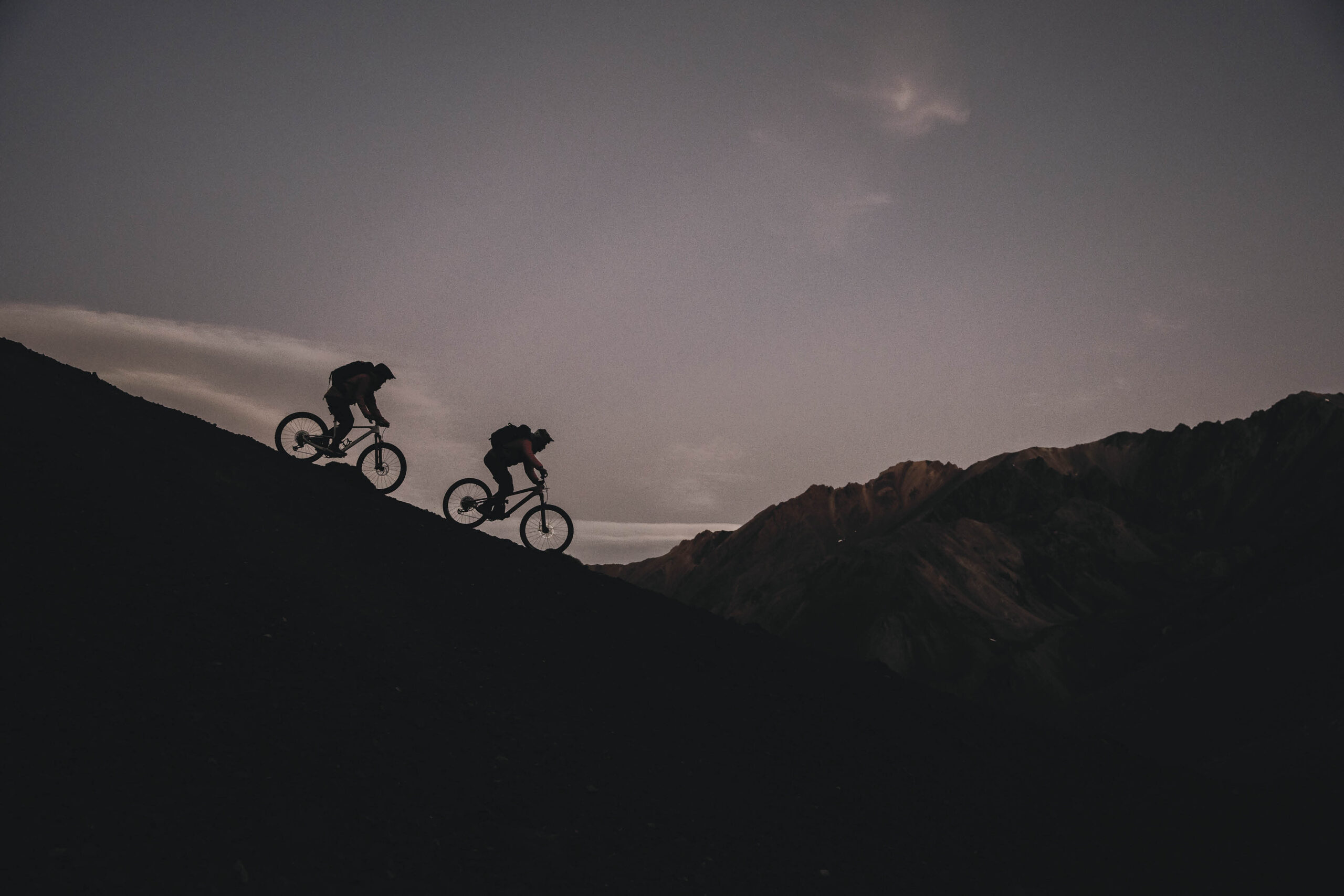
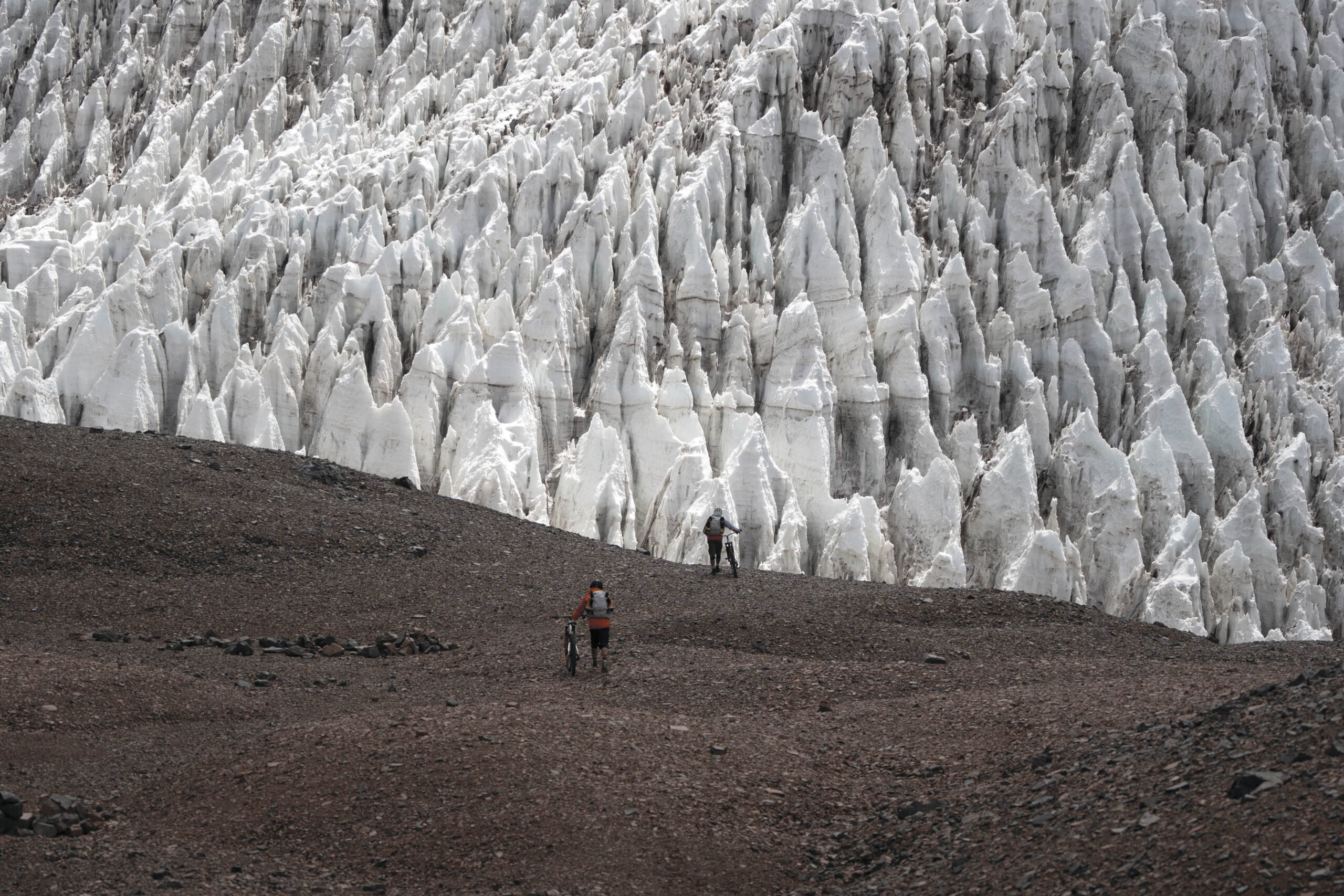
No coração dos Andes, uma façanha inédita: Andreas Tonelli, Giovanni Mattiello e Luca Putzer foram os primeiros a pedalar até ao cume do Cerro Mercedário, na província argentina de San Juan, e por ali abaixo. Durante dez dias, enfrentaram gelo, desertos rochosos, ar rarefeito e noites de alucinações, num desafio físico e humano sem precedentes. A bicicleta transformou-se em instrumento de liberdade, resistência e descoberta.
Uma montanha enorme, autêntica e selvagem. Dez dias desconfortáveis, dez dias sem rede – como num trapézio –, dez dias de sofrimento intenso, uma vida. O único pensamento, uma e outra vez: continuar. Longo, o caminho faz-se pedalando, trepando, galgando cordilheiras, montando-as como o dorso de um dragão, ossudo e musculado. Dez dias de pó e de gelo, de astros em órbita, de sol escaldante e de ar glacial. Dez dias de partilha. “Dez dias de vida, na sua forma mais pura.”
Quem disse que os desertos não são cicláveis? Quem disse que no gelo não se pedala? Quem disse que a aventura se resume à conquista do cume, céu e inferno, dez dias de luta intensa, ar rarefeito, sono irregular, sonhos que se tornam realidade, o luar espetacular a refletir-se na neve fresca?
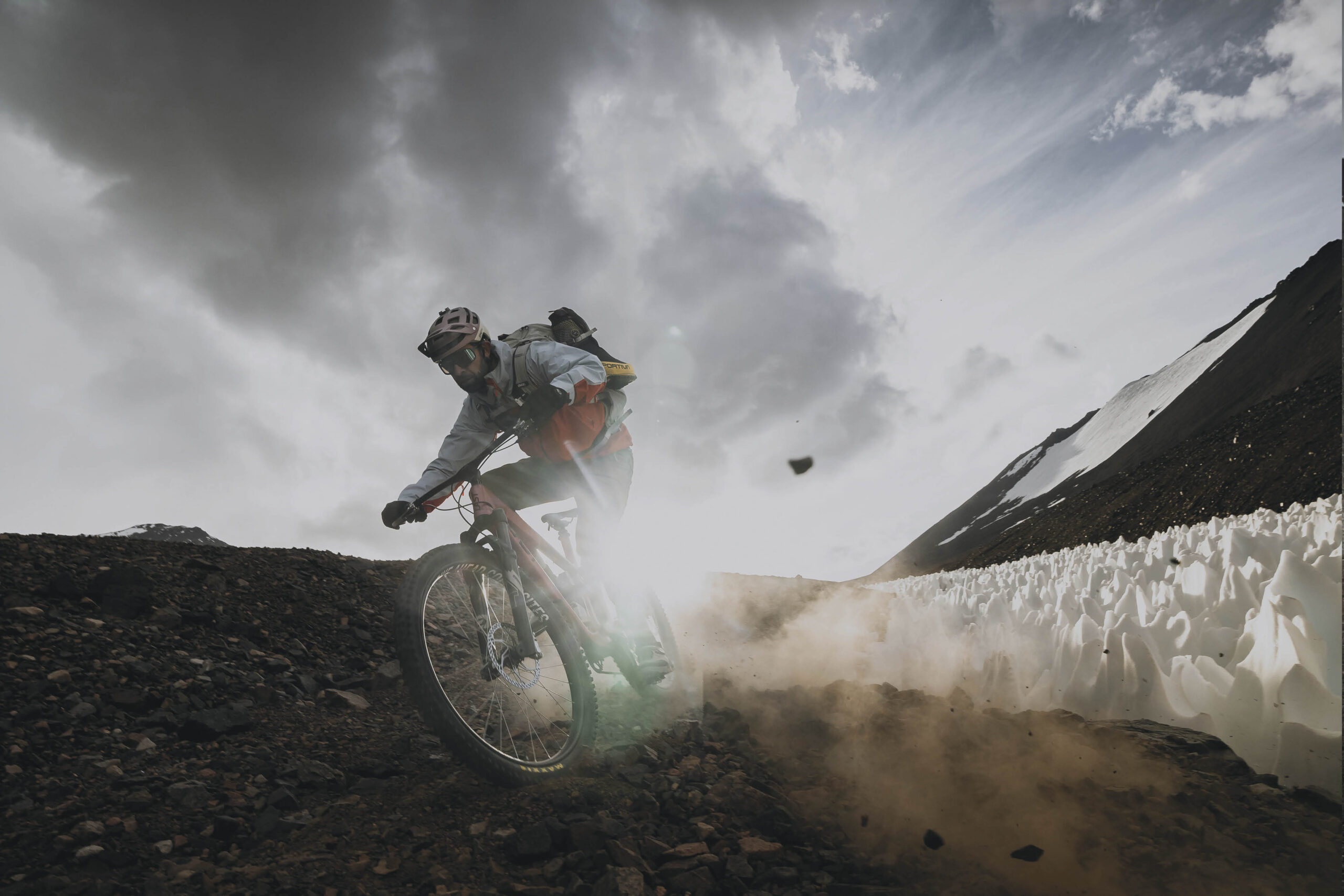
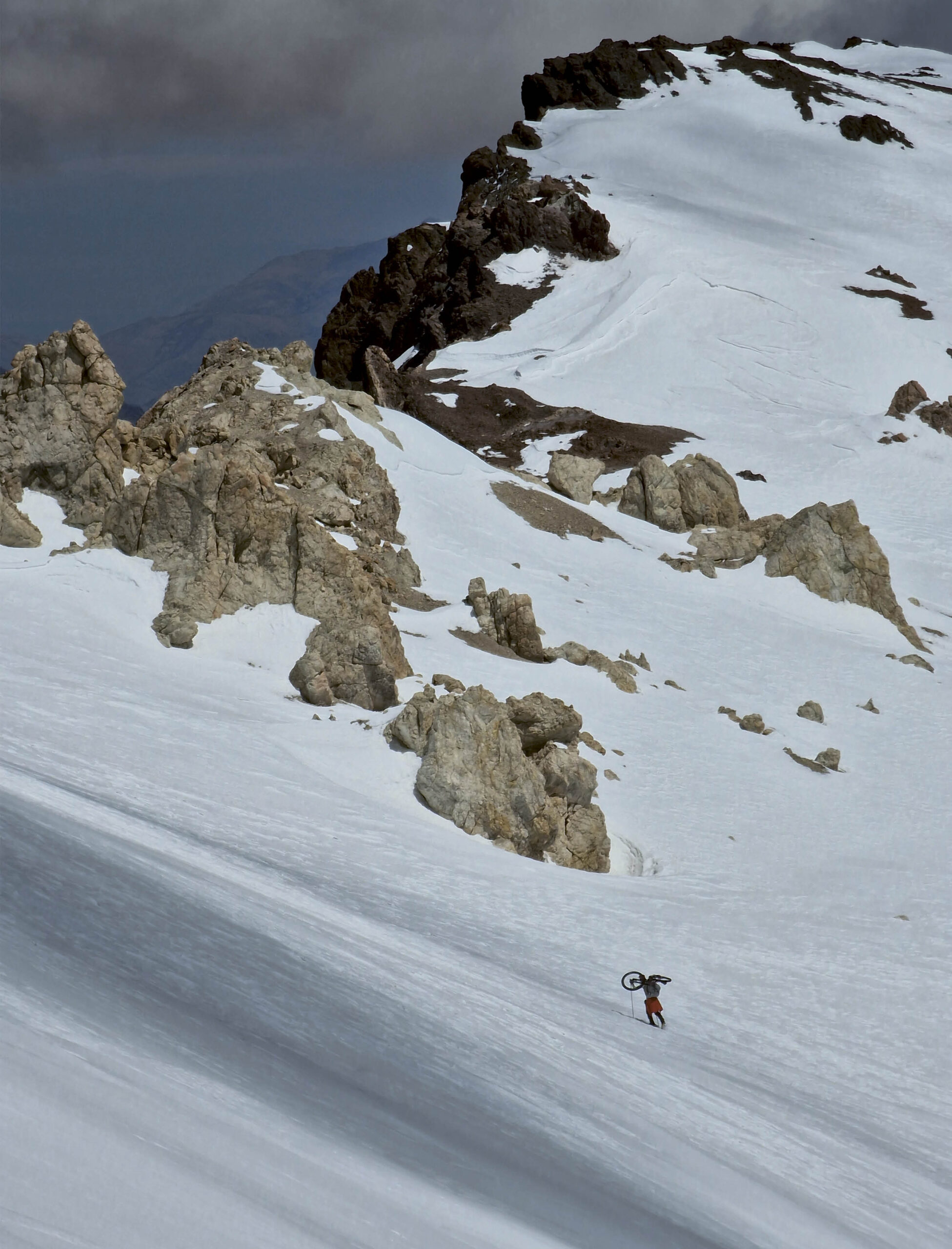
Argentina, província de San Juan: Cerro Mercedário, o oitavo pico mais alto dos Andes, 6770 metros de altitude que Andreas Tonelli decidiu enfrentar, tornando-se, ele, o amigo Giovanni Mattiello e o realizador Luca Putzer, nos primeiros a subir e a descer de bicicleta esta imensa montanha, “vales encantados, desertos rochosos e glaciares eternos” cheios de “desafios extremos”. Nunca ninguém ousara levar uma bicicleta até ao cume. Nunca ninguém se atrevera a apontar para o abismo, agarrar no guiador e rolar quase 4000 metros até à base da montanha. “Deve ser uma das descidas mais longas e loucas do mundo.”
“Quando cair não é uma opção”, pedalamos. Quando cair não é uma opção, quando as rodas parecem patinar numa corda bamba sobre o abismo, cerramos dentes, olhamos em frente e desfrutamos – como se não houvesse amanhã. Quando cair não é uma opção, também caímos e reerguemos-nos.
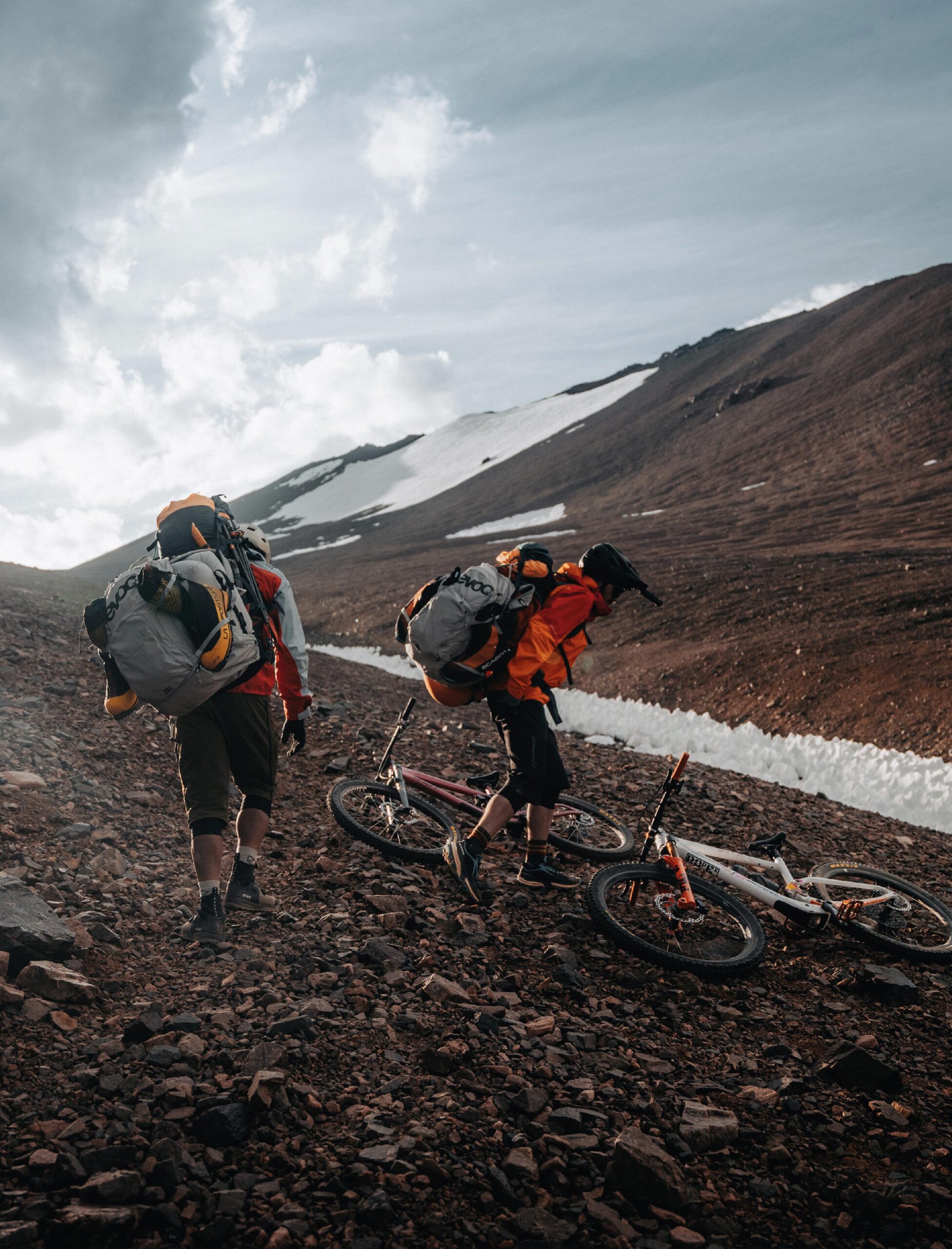
“Foi a coisa mais difícil que alguma vez fizemos.” E sabiam-no desde o início, desde os 2900 metros de altiude, desde que perceberam que tinham que levar as costas a “bicla”, o equipamento, a comida tudo. “Não se sabe como e quando é que o tempo vai mudar. Não sabemos como vamos reagir à altitude. Não conhecemos o vento. A montanha é super, superdesafiante. Guardamos as boas recordações, mas esquecemos quando vomitámos, quando ficámos muito doentes, quando tivemos alucinações. Há sempre algo de mágico que nos faz querer voltar, mesmo que seja com muita dor.”
Esquecida na sombra dos 6961 metros de altura de Aconcágua, Mercedário foi sagrada para os incas. “Quando expandiram o seu império, selecionaram e escolheram ao longo do seu caminho algumas montanhas especiais devido à sua beleza e à riqueza de gelo e neve. Viam-na como local de nascimento da água, que derretia do glaciar, que descia para o vale e proporcionava fertilidade à terra e o bem-estar das pessoas.”
Andreas Tonelli gosta de recordar uma das regras basilares dessa civilização: “Não se pode ter um império sem paz e não se pode ter paz sem igualdade, que naquele tempo significava comida para todos.” Para prestar homenagem a estas montanhas, os incas escalavam-nas. Andreas seguiu-lhes o rasto através dessa massa rochosa “enorme e muito complexa”. “Estamos a seguir os passos de pessoas que a treparam sem qualquer equipamento, cobertos com peles de lama, pessoas com uma ligação muito profunda à terra e a tudo o que os rodeia e que subiam a montanha para prestar homenagem à sua visão do mundo.”
A dele, a visão que Andreas tem do mundo, é também genuína, pura e declarada. “Se não concordas com a minha visão do mundo, não fomos feitos um para o outro. Eu sou um homem livre e quero ser livre. E quero ser livre para partilhar a minha visão do mundo e para partilhar o que vi com os meus olhos. Na sociedade em que vivemos, as pessoas têm mais medo de perder privilégios do que de partilhar a verdade. E essa é uma sociedade muito triste. É assim que o sistema nos mantém escravos.”
Foi o pai, Ítalo, que lhe transmitiu o sentido de aventura e também o sentido de humanidade, que o incitou a levantar a voz perante injustiças. “Não só uma injustiça que sentes na pele, mas também injustiças que vemos à nossa volta. Ele sempre me disse: ‘O que quer que faças na tua vida, Andreas, eu estou contigo. Se algo te faz feliz, vai em frente.’”
Às tantas, viajar tornou-se na “maior escola ou universidade” da sua vida. “Aprendi tanto numa escola ou numa universidade como em duas ou três semanas de viagem.” Explorar o planeta como “estilo de vida” e, mais importante, como “forma de resistir aos estereótipos deste mundo, onde tudo é ou preto ou branco”. Não é. “Querem vender-nos que ou estamos com o eixo do bem ou estamos com o eixo do mal. E viajar é um ato de rebelião contra isto. Viajo porque quero resistir a este sistema em que estamos a viver. E a melhor forma de resistir é ver as coisas com os olhos e abrir o coração, abrir a mente a outras culturas, a outras formas de vida e tentar compreendê-las. Porque é que estas pessoas vivem desta forma ou porque é que pensam de uma forma diferente da nossa? Só é possível perceber isso se viajarmos.”
Se for na companhia de uma bicicleta, qual Rocinante, corcel de batalhas, crina ao vento, tanto melhor. Uganda ou Lesoto, Inglaterra ou Itália, Marrocos ou Noruega. “A bicicleta é um instrumento mágico.” Chegar a uma aldeia africana de bicicleta é indescritível. “Não sei como é possível, mas, num minuto, temos todas as crianças da aldeia à nossa volta. De alguma forma, as pessoas compreendem que a bicicleta é algo humilde. Sabem que sem esforço não se chega lá.” Não há mapas para o que não se conhece. “A bicicleta abriu-me um novo mundo. Leva-me a pessoas fantásticas e não apenas a lugares fantásticos. E essa, para mim, é a essência de viajar”, usar os olhos como “forma de amplificar”, de “alargar os horizontes”.
Viajar, diz, é a melhor coisa que lhe podia ter acontecido. “A melhor escolha da minha vida foi deixar o trabalho de escritório”, diz, aos 47 anos, este multifacetado guia de viagens de bicicleta que em 2003 começou com passeios gastronómicos e vínicos pela Itália e que foi acrescentando rotas mais desafiantes na Europa e aventuras BTT muito exigentes em diferentes pontos do globo (Lofoten, o cume mais alto de Marrocos, Patagónia, Uganda, Chile, etc.) – sempre com o foco nos caminhos, “que nos levam a lugares especiais e a conhecer pessoas especiais”. “Tenho que ter uma relação intensa com um local para poder guiar até lá as pessoas. Não posso guiar pessoas num local onde não me sinto em casa.”
Estudou na universidade – e gostou tanto disso como de estar sentado num escritório – e fez a sua primeira grande viagem a solo aos 20 anos, na América do Sul, onde passou seis meses. Entretanto, fez várias expedições na América do Sul, incluindo a escalada da montanha mais alta que já foi pedalada até hoje (Ojos del Salado), o pico mais alto do Chile, Cerro el Plomo, e chegou a tentar Tupungato, mas adoeceu na subida e desistiu. “Foram experiências fantásticas, mas faltava sempre algo, faltava uma ligação mais forte entre a bicicleta e a montanha.”
Há uns anos, um espanhol tentou conduzir de mota até ao topo do Mercedário. Loucura puxa loucura e lá estava Andreas Tonelli viciado em imagens de satélite e na possibilidade de a montanha ser transposta de bicicleta. “Cerro Mercedário é muito remoto e sem infra-estruturas. Aconcágua fica apenas a 80 quilómetros e está cheio de gente, cheio de expedições comerciais, cheio de helicópteros que vão e vêm. Então apercebi-me de que a sorte desta montanha é estar na sombra de Aconcágua, essa, sim, realmente famosa. E é aí que podemos encontrar coisas muito, muito bonitas. Foi exatamente isso que o meu pai me ensinou nas aventuras que vivi com ele. Por isso, decidimos ir em frente e fazer algo selvagem, algo remoto, algo muito difícil e algo que nunca tinha sido feito antes. Saímos da nossa zona de conforto para entrar numa nova dimensão de um mundo onde é preciso lutar, onde é preciso sacrificar todos os confortos da nossa vida.”
À sua bicicleta de 13 quilos, suspensão dupla e selante nos pneus – quase, quase à prova de sítios inóspitos –, a equipa transportou duas tendas de duas pessoas (mais uma, de emergência, que ficou montada no campo-base), sacos-cama muito quentes, calçado de alta altitude especialmente desenvolvidos para temperaturas muito baixas, e comida seca congelada. Isto para além do equipamento de imagem da responsabilidade de Luca Putzer, realizador e piloto de drone de 20 anos de idade com a mesma “humildade e visão do mundo”. “As montanhas não são feitas para subir com 15 pessoas, são feitas para partilhar momentos mágicos com pessoas que pensam da mesma maneira que nós.”
Se meio mundo viaja “de uma forma muito superficial”, Andreas é dos que decidiram “fazer coisas que têm sentido, tanto quando se trata de ativismo político como quando se trata de escalar uma montanha”. “No escritório, fazia coisas porque o meu chefe dizia: ‘Tem que fazer isto e aquilo’. E muitas vezes dizemos: ‘Oh, mas isso não tem sentido…’Não tens que o fazer. É muito importante sermos livres, não termos que ouvir o que o patrão nos diz. Quanto mais conseguires ser independente, mais livre serás.”
Na mochila, leva um peso “que nunca foi um fardo”, uma bandeira da Palestina que solta ao vento quando chega ao topo do mundo. Mais uma aventura dedicada ao povo palestiniano, a maior inspiração da sua vida. “Enquanto estava a subir e a sofrer, pensei: ‘Andreas, pensa naquela gente, nos teus amigos na Palestina, nas pessoas em Gaza.’ E isso deu-me força para continuar. Não quero que pensem que fui lá divertir-me e que me esqueci do genocídio…”
Andreas Tonelli morreu a 15 de Julho de 2025, enquanto andava de bicicleta nas Dolomitas, após uma queda de 200 metros. Tinha 48 anos. Em forma de homenagem, a Primitiva publica na íntegra o artigo que já estava escrito – cheio de vida e de paixão.