Alto Mustang: Sussurros do reino do vento
Numa noite gelada, com medo no peito e um rosário tibetano na mão, Tashi fugiu pelas montanhas rumo ao Nepal, procurandoentre a fome, o silêncio e a neve uma coisa apenas: a sua liberdade.
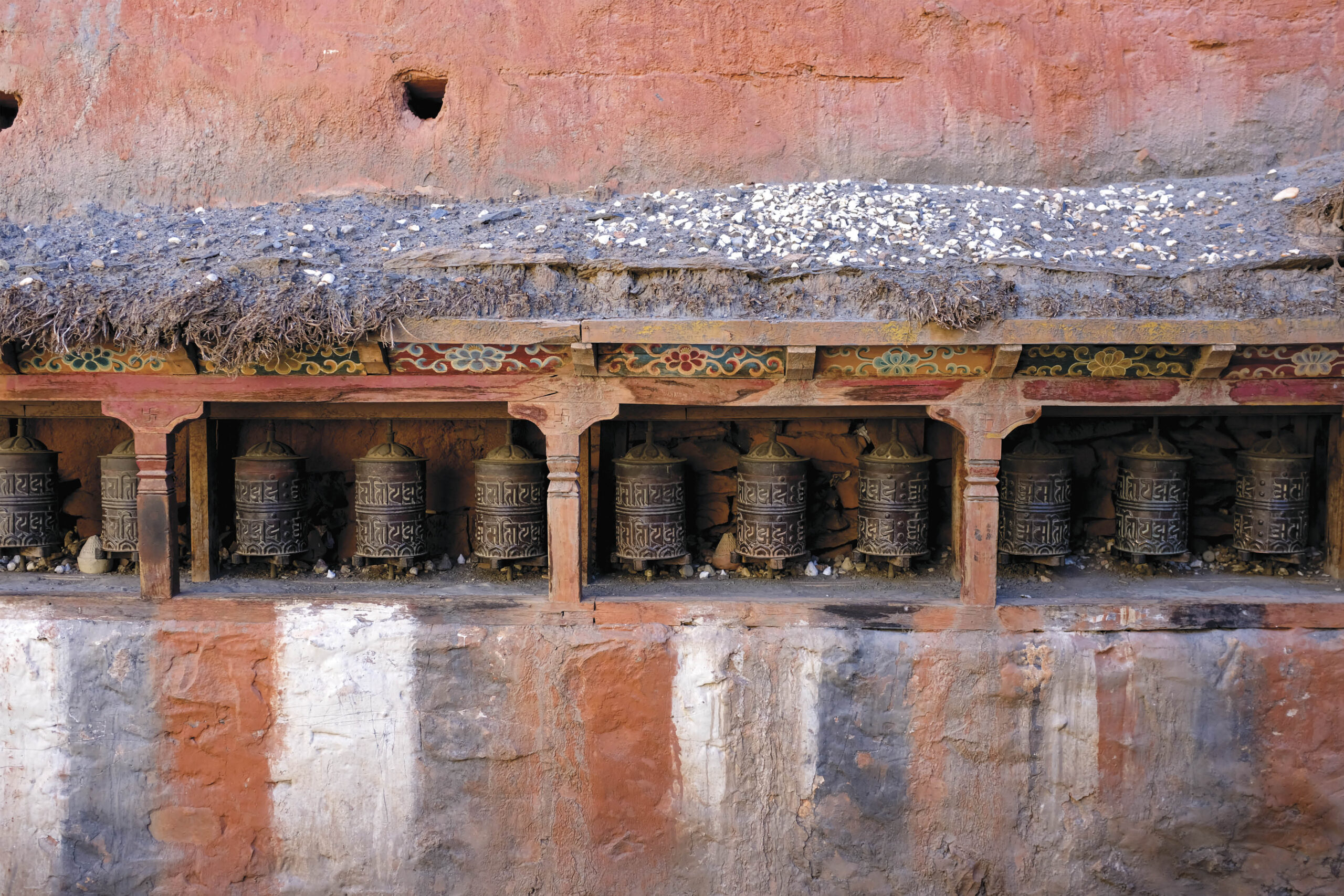
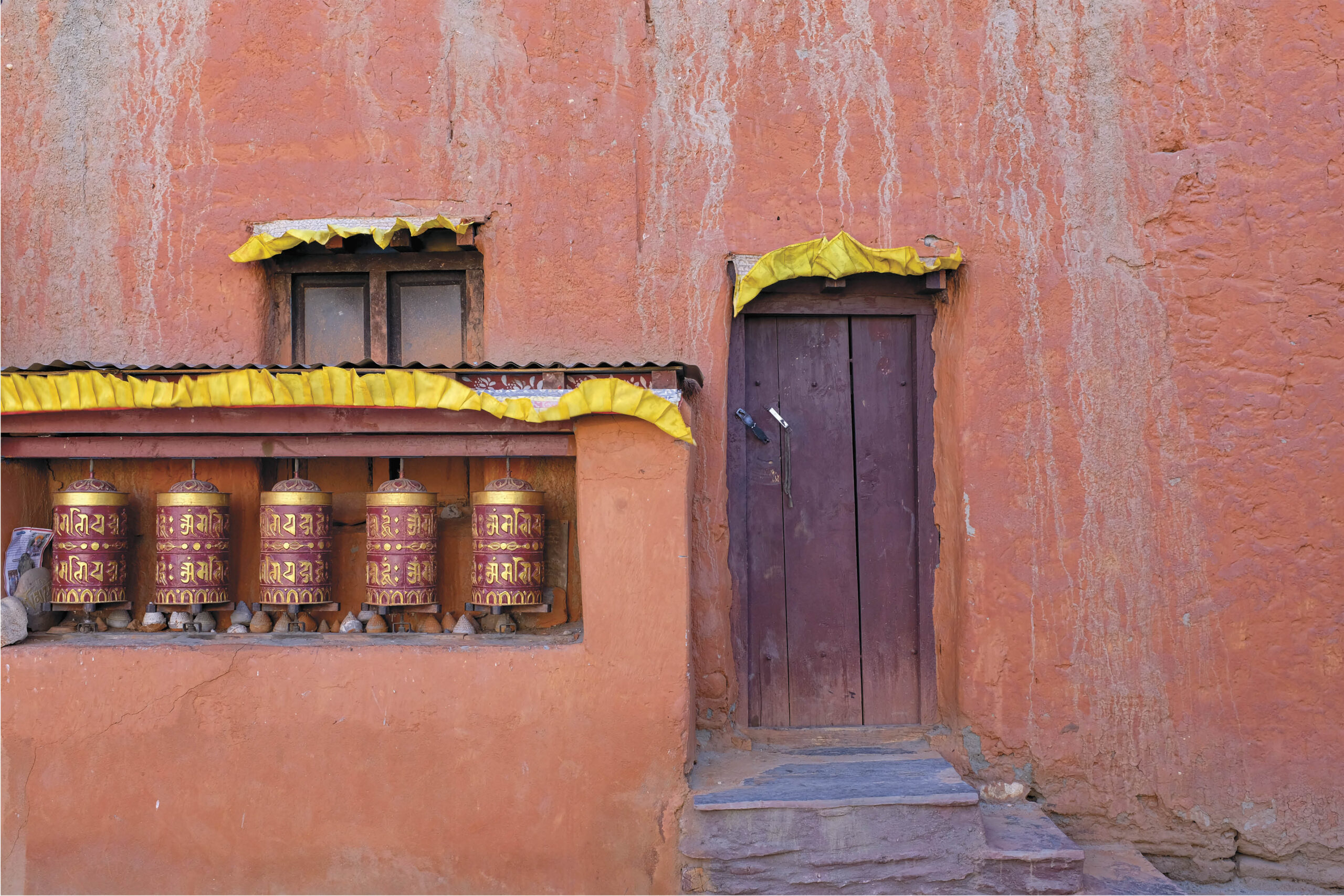
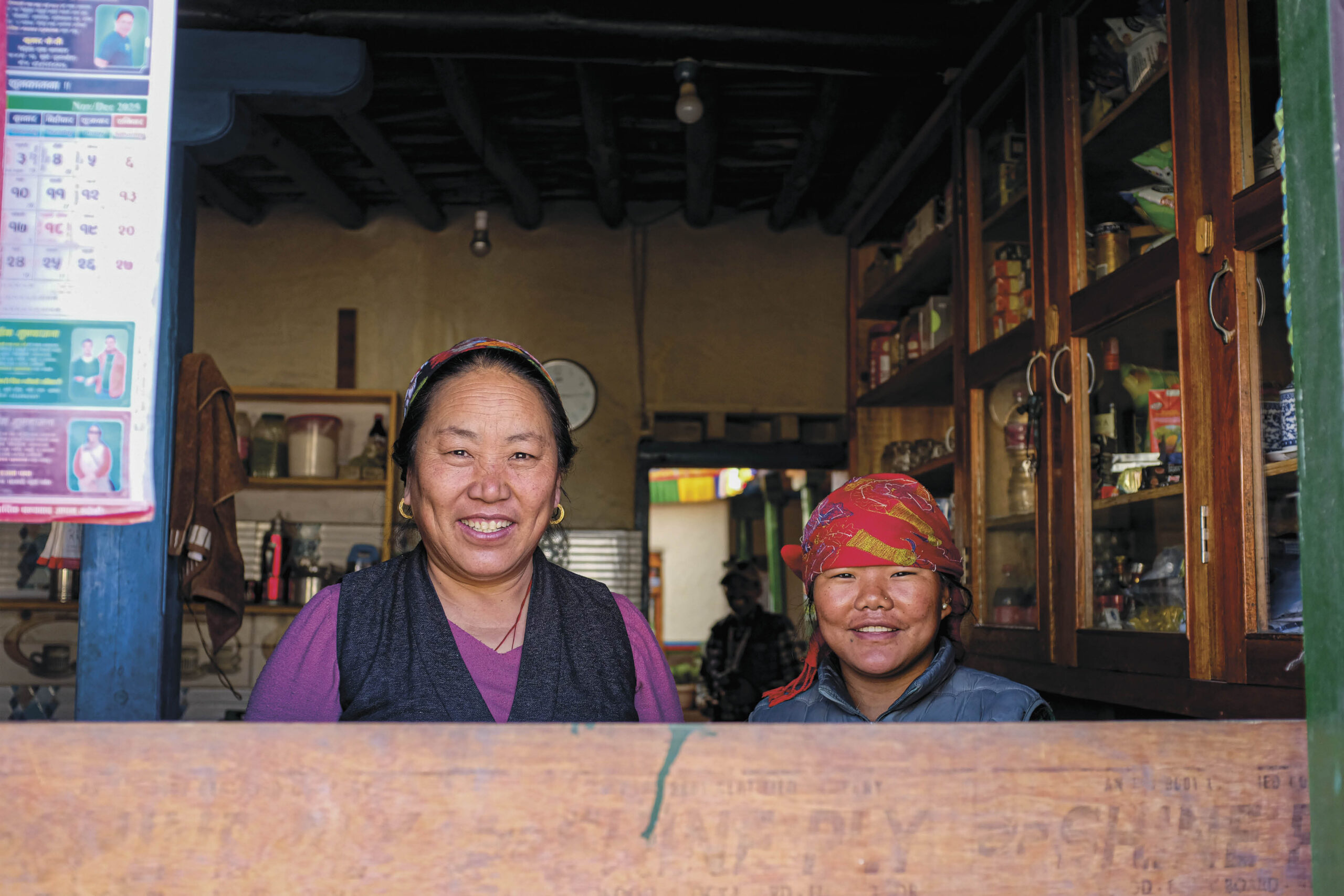
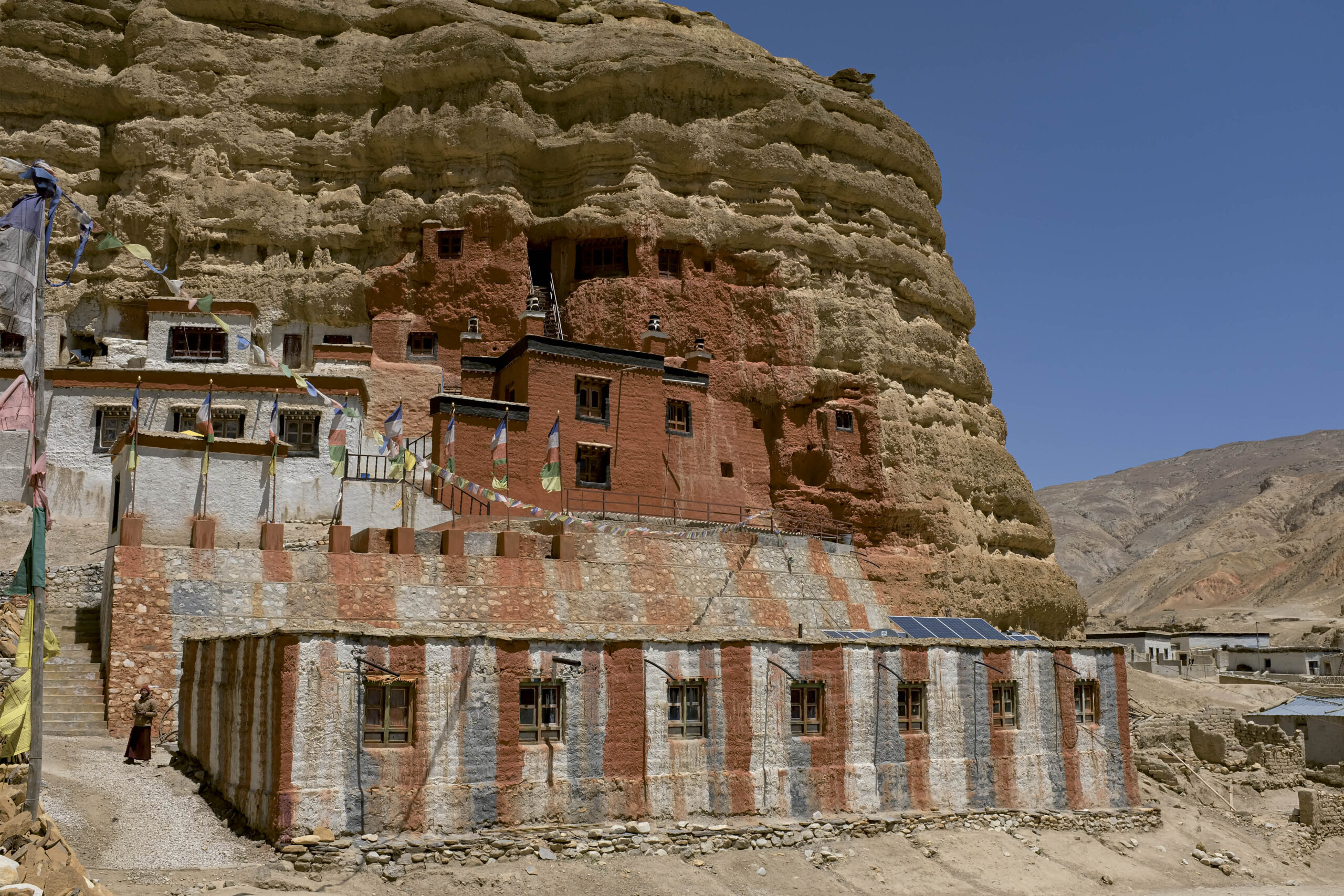
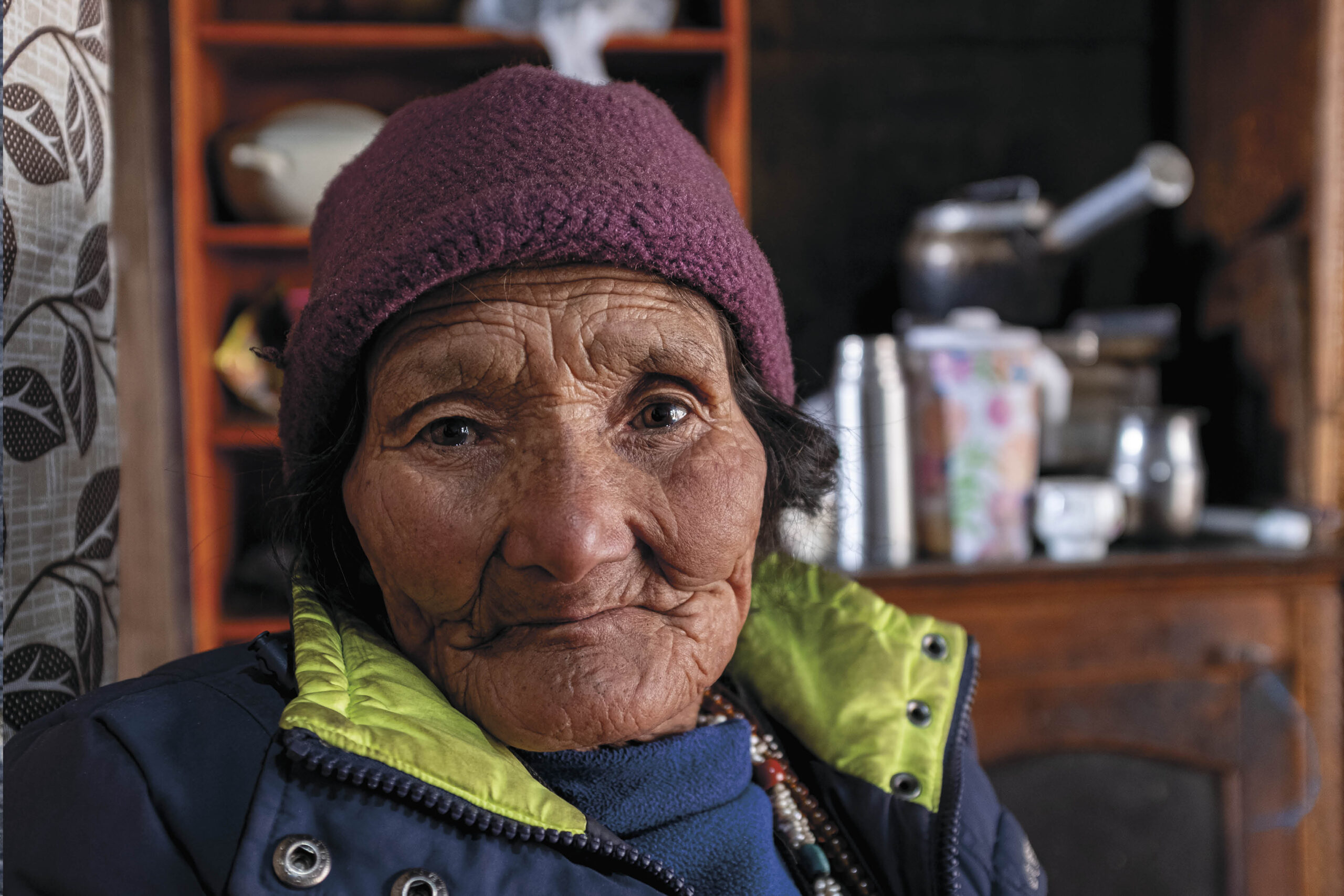
Tashi Lhamo nasceu no planalto de Ngari, no Tibete Ocidental, numa aldeia onde os telhados eram planos, as orações matinais se ouviam através dos mosteiros e a vida seguia ao ritmo das mantras e das estações do ano. Era uma rapariga curiosa, com dedos habituados ao tear. Aos 14 anos, já sabia fiar lã, cozinhar tsampa e recitar as orações matinais que aprendeu com a avó. Com a invasão chinesa do Tibete e uma crescente repressão, os mosteiros começaram a ser fechados e destruídos, os livros saqueados e os lamas, guardiões do dharma, levados em silêncio. O pai foi interrogado e um irmão desapareceu. Foi aí que o medo se apoderou dela e entendeu, numa tarde fria de Inverno, que a sua vida não poderia continuar ali. Em segredo, com a ajuda de uma tia que trabalhava com comerciantes de sal, Tashi atravessou as montanhas rumo ao sul.
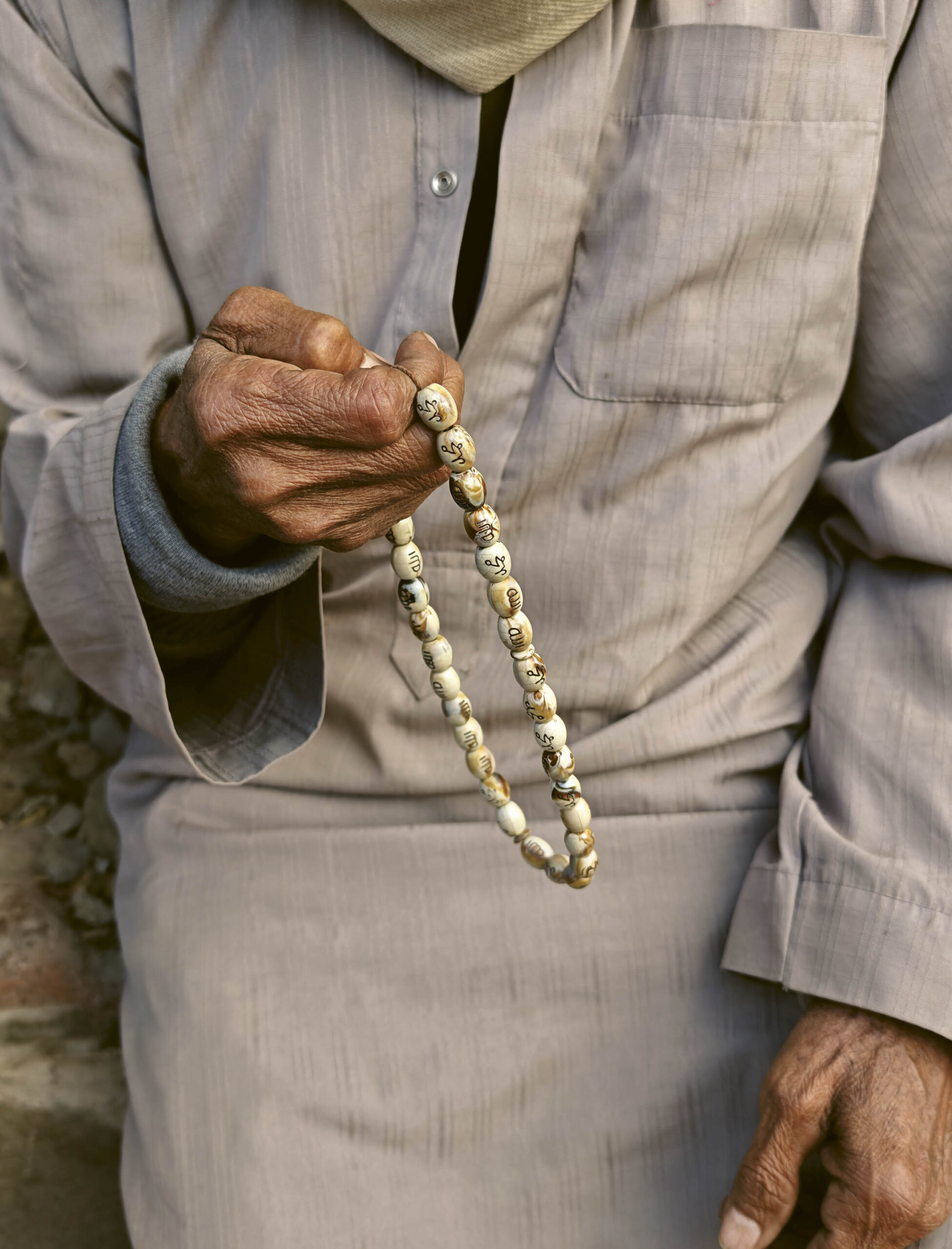
Levava apenas um pequeno saco de farinha de cevada, uma manta dobrada, o rosário tibetano da avó e uma fotografia de Tara, a deusa da compaixão que acompanha os viajantes. O caminho não foi feito de epopeia, mas de fome, frio e medo, atravessando os vales ventosos e os passos nevados entre o Tibete e o Norte do Nepal. Caminhava de noite e, de dia, dormia em cavernas, em tendas de peregrinos e em estábulos vazios e assim evitava os soldados.
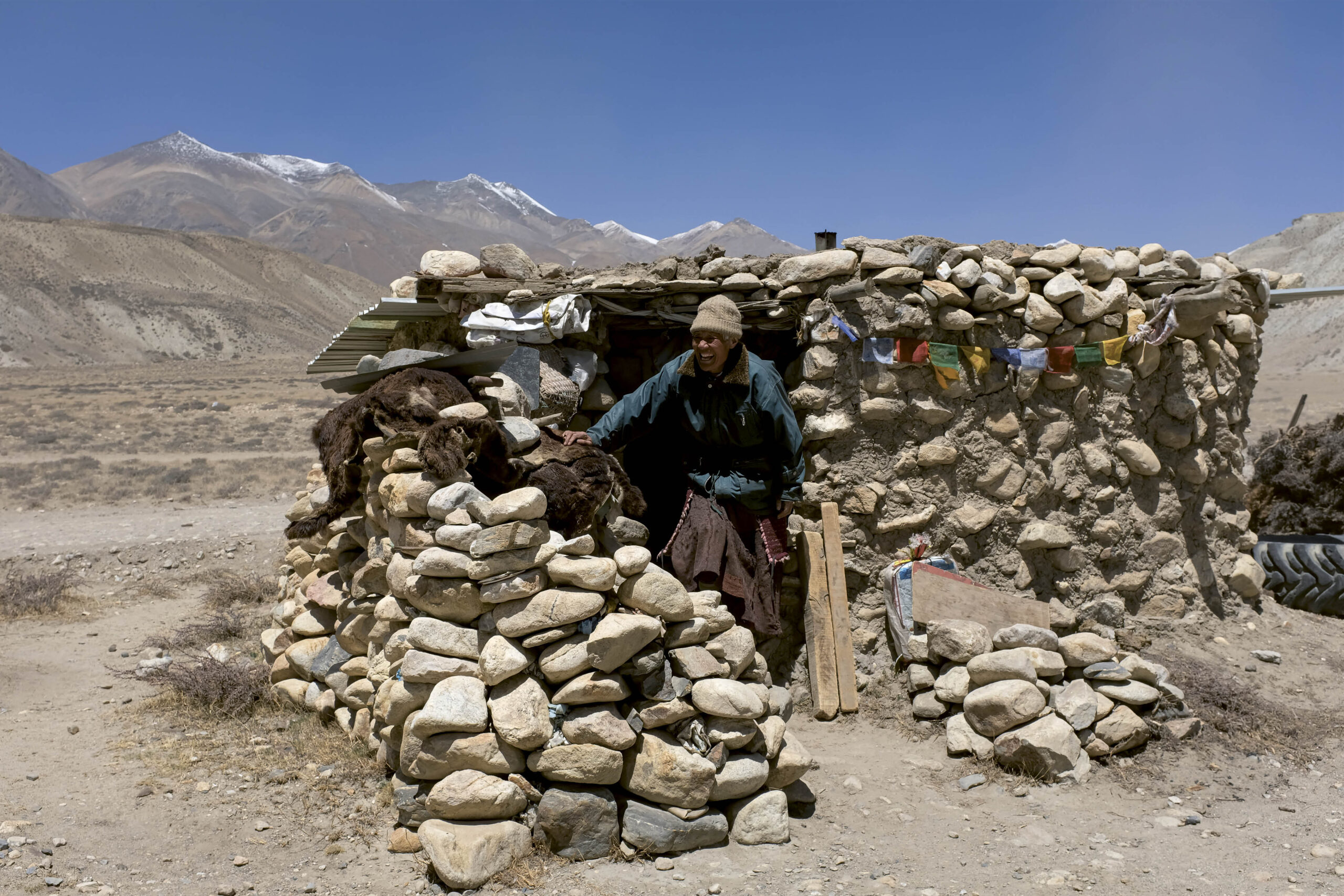
Chegou ao Alto Mustang com os pés feridos, os lábios gretados e uma determinação que não tinha nome. O primeiro som que ouviu na região foi o de um sino de um mosteiro. Sorriu, estava viva e livre. Foi acolhida por uma família em Ghami, uma aldeia onde as paredes são do tom da terra e os dias começam com oração e trabalho. Ajudava na cozinha, cuidava das cabras e fiava lã. Com o tempo, passou a ensinar as crianças a cantar os mantras que sabia de cor, mantras proibidos no Tibete, mas que ali eram entoados ao vento.
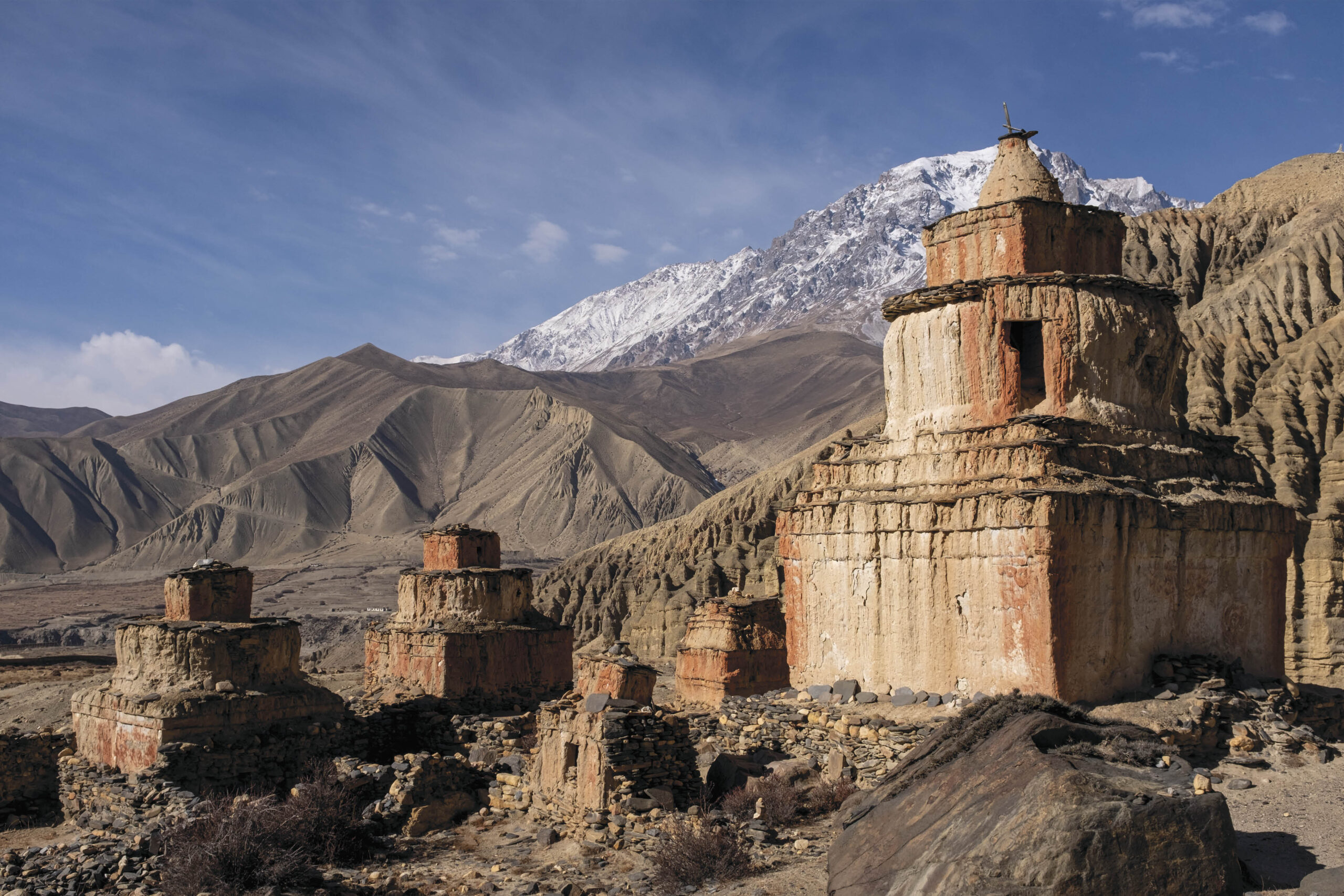
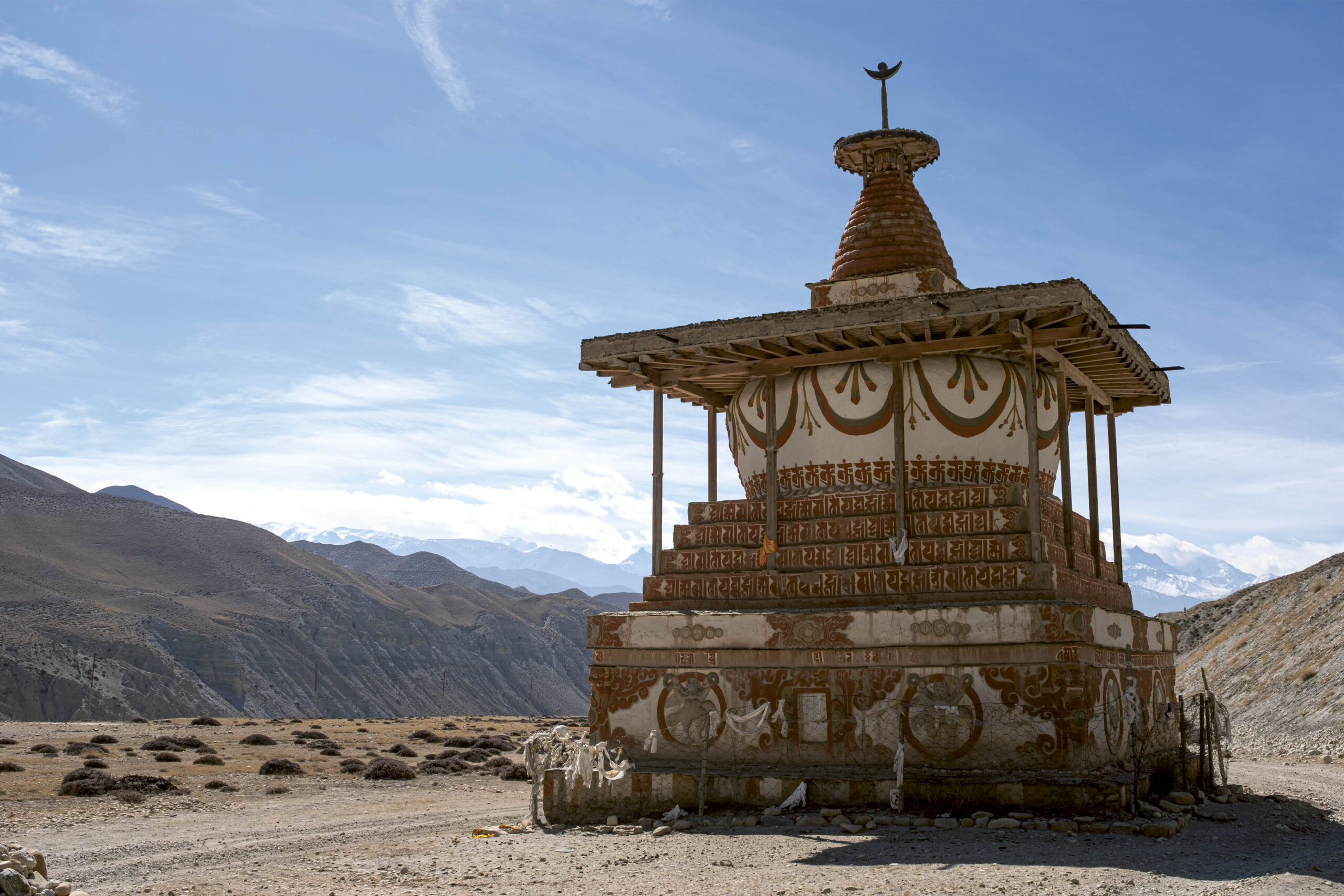
Fez a sua vida por ali, naquele lugar, com chortens pintados com cores que simbolizam a sabedoria e os cinco elementos, os campos de cevada e maçã e o silêncio azul do céu. Tudo lhe parecia um regresso ao seu modo de vida e já não uma fuga. O seu modo de viver era um retiro diário, sem ter de se esconder. Acordava antes do sol, acendia uma vela de manteiga e recitava os versos do Prajnaparamita Sutra. Depois, ajudava nos campos e no mosteiro.
Foi em Ghami que conheceu Tsering Dorje, com quem se casou e teve duas filhas. Deram-lhes nomes tibetanos e ensinaram-nas a escrever nas duas línguas: lopa e tibetano. Mais tarde, conseguiram enviá-las para estudar em Jomsom e, depois, em Kathmandu. Uma delas regressou a Ghami como professora. A outra trabalha num hotel em Pokhara, mas todos os anos, na festa de Tiji, regressa para assistir às danças dos deuses que lutam contra os demónios. É uma das celebrações culturais e religiosas mais importantes deste remoto lugar.
Tashi Lhamo nunca mais voltou ao Tibete. Ouviu dizer, por outros, que houve aldeias que foram demolidas, que a língua foi proibida nas escolas e que os grandes mosteiros agora vivem sob vigilância e controlo. Sentiu sempre uma tristeza enorme em relação a isso e diz: “Aqui, onde eu agora vivo, ninguém precisa de esconder o rosário tibetano no bolso, aqui ainda rezamos em voz alta.”
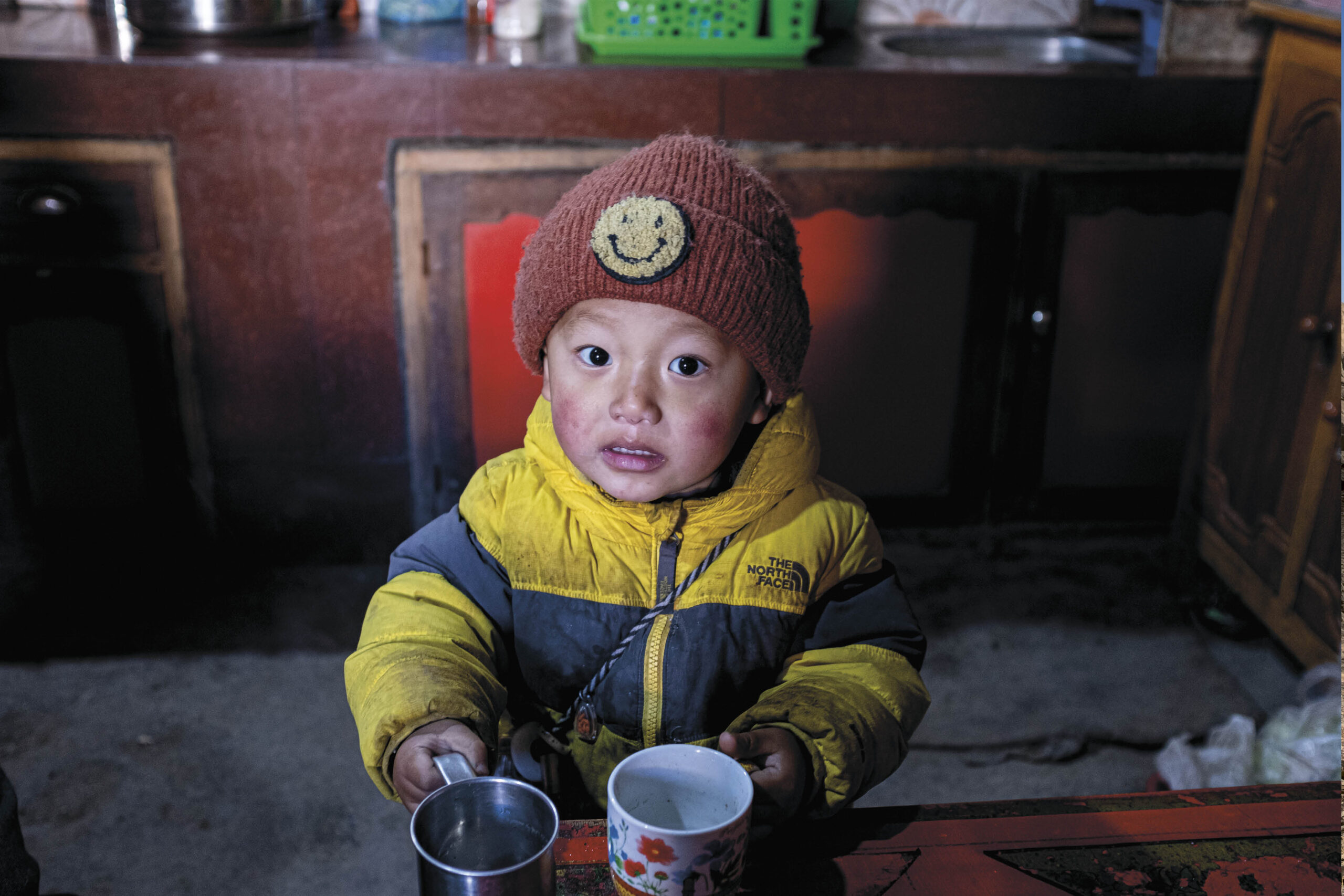
Esta é uma das muitas histórias que ouvimos quando nos sentamos nas cozinhas das estalagens, onde a população local muitas vezes se junta, para aproveitar o aconchego do calor das salamandras.
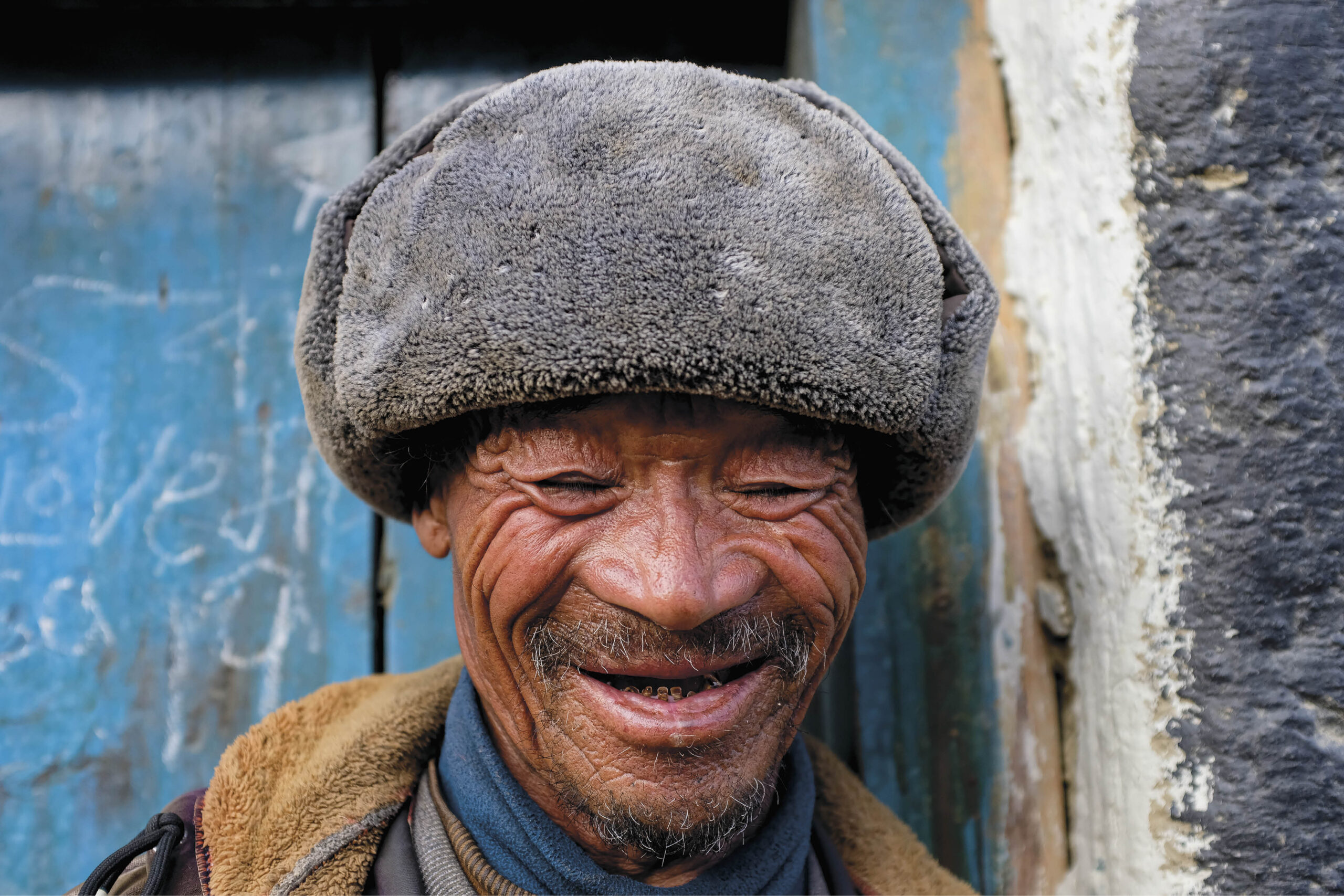
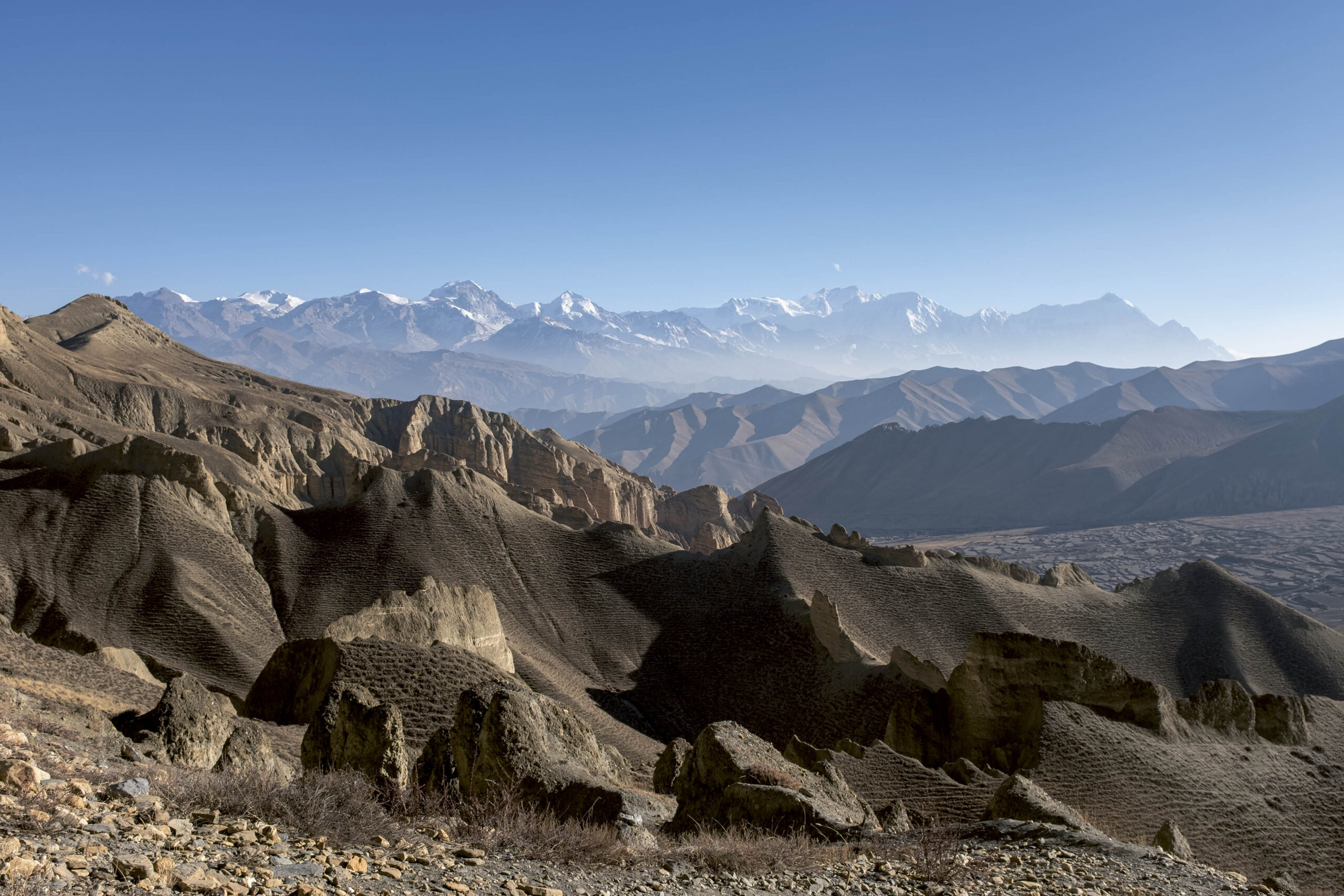
Para chegar a esta remota região, percorremos, por entre curvas e solavancos, uma sinuosa estrada esculpida nas encostas do mais profundo desfiladeiro do mundo, onde o rio Kali Gandaki corre, antigo e sagrado. À medida que as florestas se rendem a um cenário árido, de tons ocres e cinzentos, sabemos que estamos a entrar no enigmático enclave tibetano, o Reino Proibido de Lo. É o último eco vivo do Tibete, onde o tempo parece ter adormecido e os costumes ancestrais se entranham no quotidiano. Aqui, no reino dos ventos sagrados, o budismo tibetano não é apenas uma religião, mas uma forma de estar, de respirar, de morrer. É um território isolado por séculos de silêncio, por decretos, pelas montanhas e pelas condições austeras que aqui se vivem. Tudo isto molda a vida quotidiana deste resistente povo, de olhar sereno e antigo. O frio e os ventos deste inóspito lugar esculpe rostos, deixando nas faces dos lopas um testemunho do que é viver à altura dos deuses.
O povo do Alto Mustang trata a sua história com reverência, como quem cuida de uma relíquia antiga, com silêncio e o peso da eternidade. Mesmo após o fim da monarquia no Nepal, em 2008, continuaram a demonstrar um profundo respeito pelo seu rei, não apenas como figura política, mas como símbolo vivo de identidade, continuidade e devoção. Para eles, a figura do rei simboliza um elo forte com o passado, um guardião de toda a História de um povo e sua cultura.
Estar neste místico lugar fora da temporada fez-me passar mais tempo dentro destas hospitaleiras casinhas de barro, sentada junto dos anciões, a ouvir hitórias contadas com orgulho e sabedoria. Ouvi que uma das ideias-cerne do budismo tibetano é a impermanência, que tudo é transitório e está em constante mudança e movimento, e é nisso mesmo que reside a essênciamais pura da liberdade.
Falaram-me sobre alguns antigos rituais que ainda persistem em muitas famílias: ainda se realizam enterros celestiais, oferecendo ocorpo do falecido às aves de rapina, como forma de devolver à natureza aquilo que dela veio. É um ritual fúnebre pelo qual ocorpo de uma pessoa falecida é deixado num local sagrado, no topo de uma montanha ou numa planície elevada, como uma oferenda para os grifos dos Himalaias. Este gesto, contava Pema, tem um profundo significado, de que tudo o que nasce se desfaz. É um gesto de compaixão e generosidade: mesmo na morte, o corpo torna-se sustento para outras vidas, enquanto o espírito se liberta do apego ao físico, seguindo o seu percurso na roda da existência, o samsara, ou avançando para a luz do Nirvana, conforme o karma acumulado. É um ato de amor e de libertação do ego, já que não há apego ao corpo porque a sua essência já partiu, um elo que fecha e reabre o ciclo sagrado da vida.
Aprendi também que a abertura é mais valiosa do que o conforto. Num fim de tarde ventoso, em Charang, o frio era tanto que perguntei à Dawa se não podíamos fechar as portas e janelas. Não tinha sentido, para mim. A Dawa sorriu e voltou os olhos para os legumes que cortava, com a sua faca de cabo de madeira, de forma calma, excta e cerimonial. Pensei que esta ausência de resposta eram fruto da barreira linguística, mas já só fora daquele reino carregado de práticas espirituais percebi que o frio, ali, não era inimigo, mas mestre. Num lugar onde tudo é escasso, abrir a casa é como acender uma vela no escuro, um acto de fé no outro. Cada porta aberta é um gesto de confiança, em que sobreviver significa partilhar o que se tem. E cada janela escancarada para o frio do planalto não é apenas uma passagem para a luz, é também um símbolo de entrega, de comunhão com o mundo. Percebi então o sorriso e a ausência de resposta da Dawa. Ali, o abrigo verdadeiro não está nas paredes, mas na generosidade com que se vive.
Viajar neste deserto de altitude, salpicado com cidades muradas e aldeias isoladas, faz-nos entrar na narrativa viva deste lugar, um lugar cheio de histórias, onde o passado e o presente se misturam e a nossa curiosidade nos vai levar sempre a querer saber e perguntar mais e mais. É um lugar onde as histórias têm de ser vividas e não apenas lidas. Foram horas e horas, com um brilho nos olhos, a ouvir, na primeira pessoa, relatos daquilo que eu pensava só vir a ler nos livros.