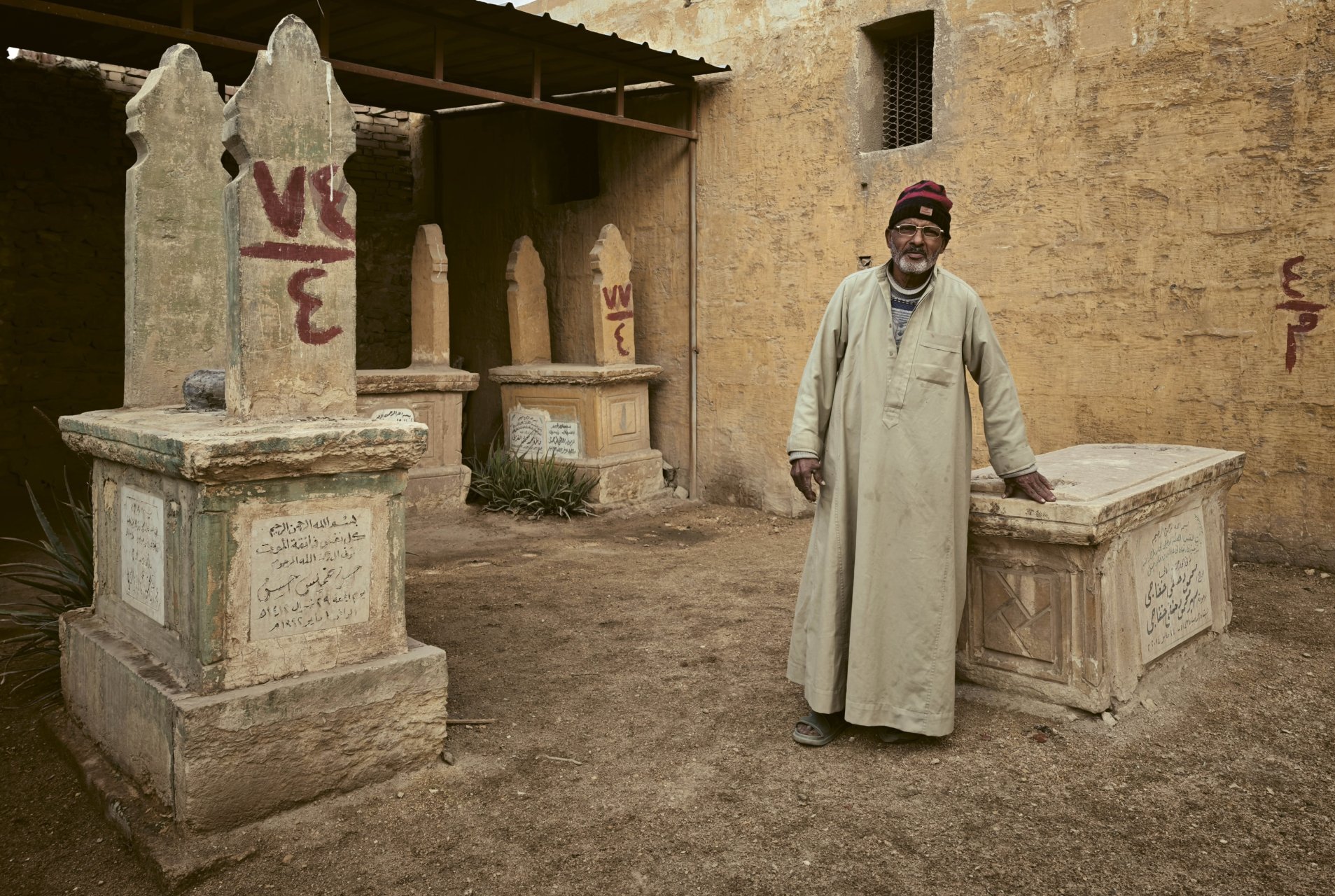
Na Cidade dos Mortos, os artistas estão bem vivos
Túmulos, mausoléus e pessoas vivas. Do topo de um minarete e junto ao chão de terra e pó, fotografámos e explorámos a Cidade dos Mortos, um Cairo diferente do Cairo, onde há ruas tranquilas varridas pelo vento, arte urbana e roupa a secar e artesãos que sopram vidro e reinventam técnicas ancestrais.
Foi a primeira vez que subimos a um minarete – entre tantas e tantas vezes que estes “faróis” altos e esguios acompanharam as nossas aventuras e ecoaram poesia imperceptível durante as nossas jornadas. “Subam! Subam! Levem o calçado na mão!…”, incitou o nosso anfitrião, que instantes antes nos mostrara com orgulho o magnífico complexo do sultão Qaitbay na frente da nota de uma libra egípcia (no seu verso figuram as estátuas do Templo de Abu Simbel) com muitos dos elementos arquitetónicos que fazem da mesquita do século XV um dos monumentos mais bonitos do Cairo islâmico.
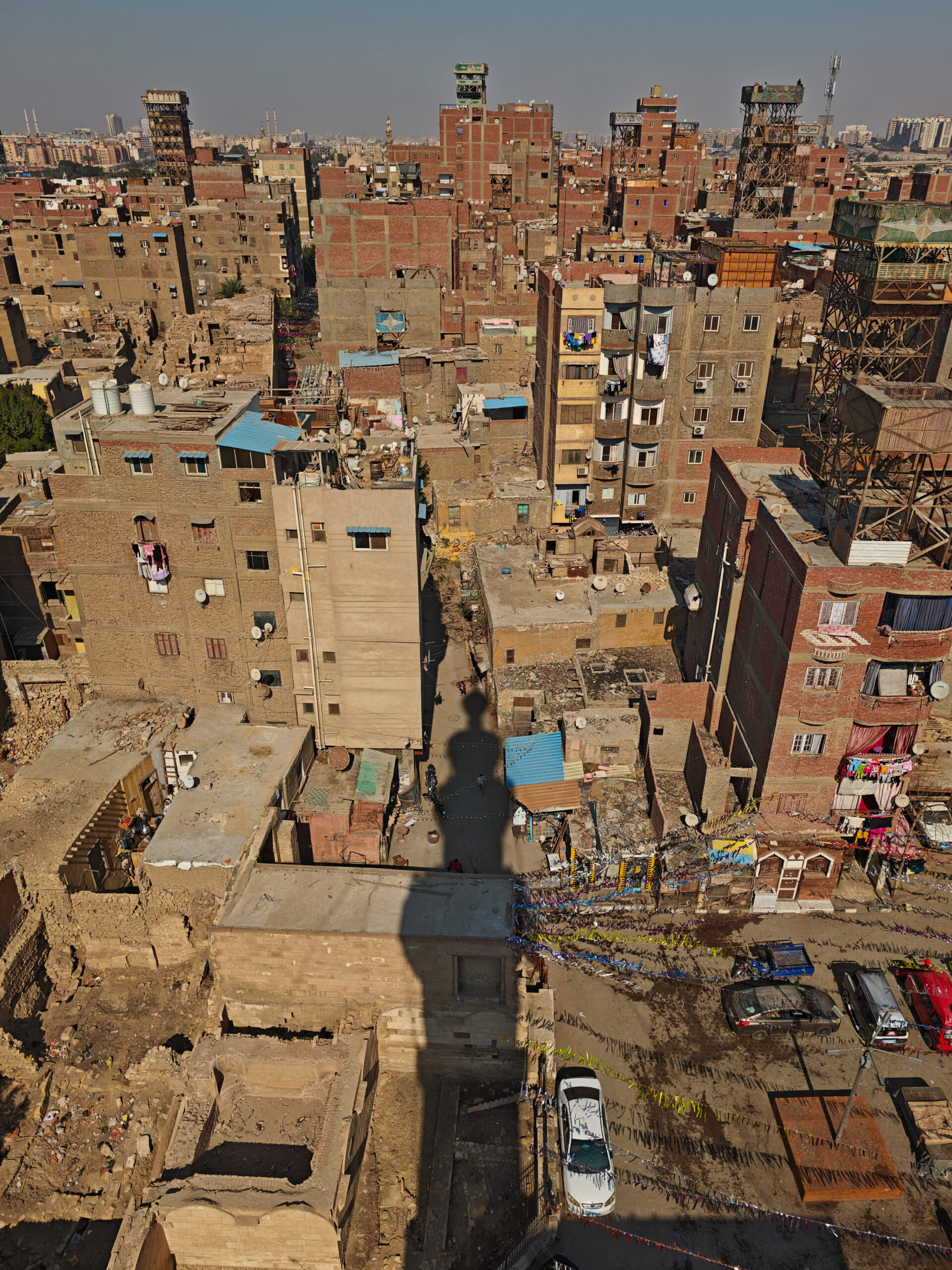
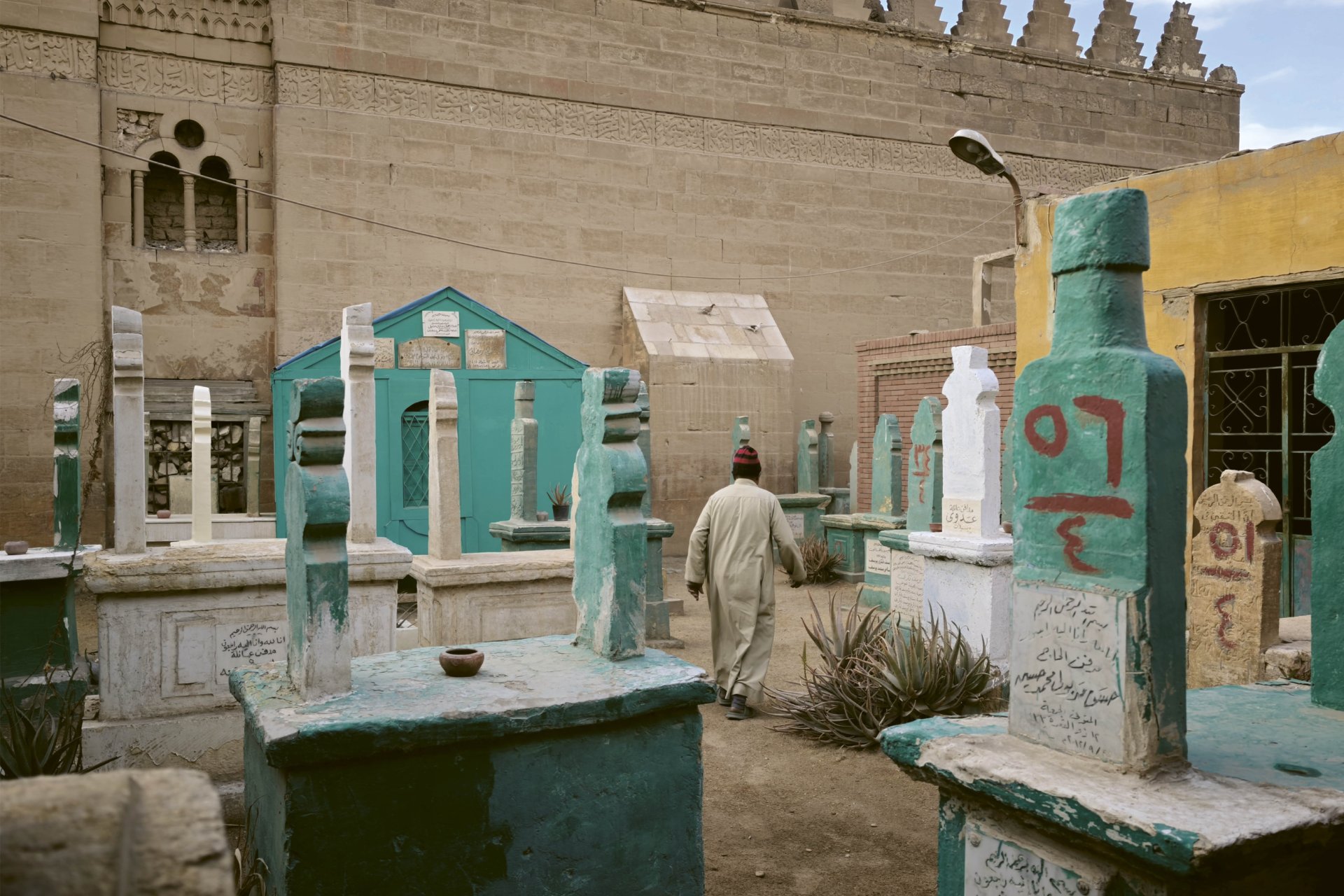
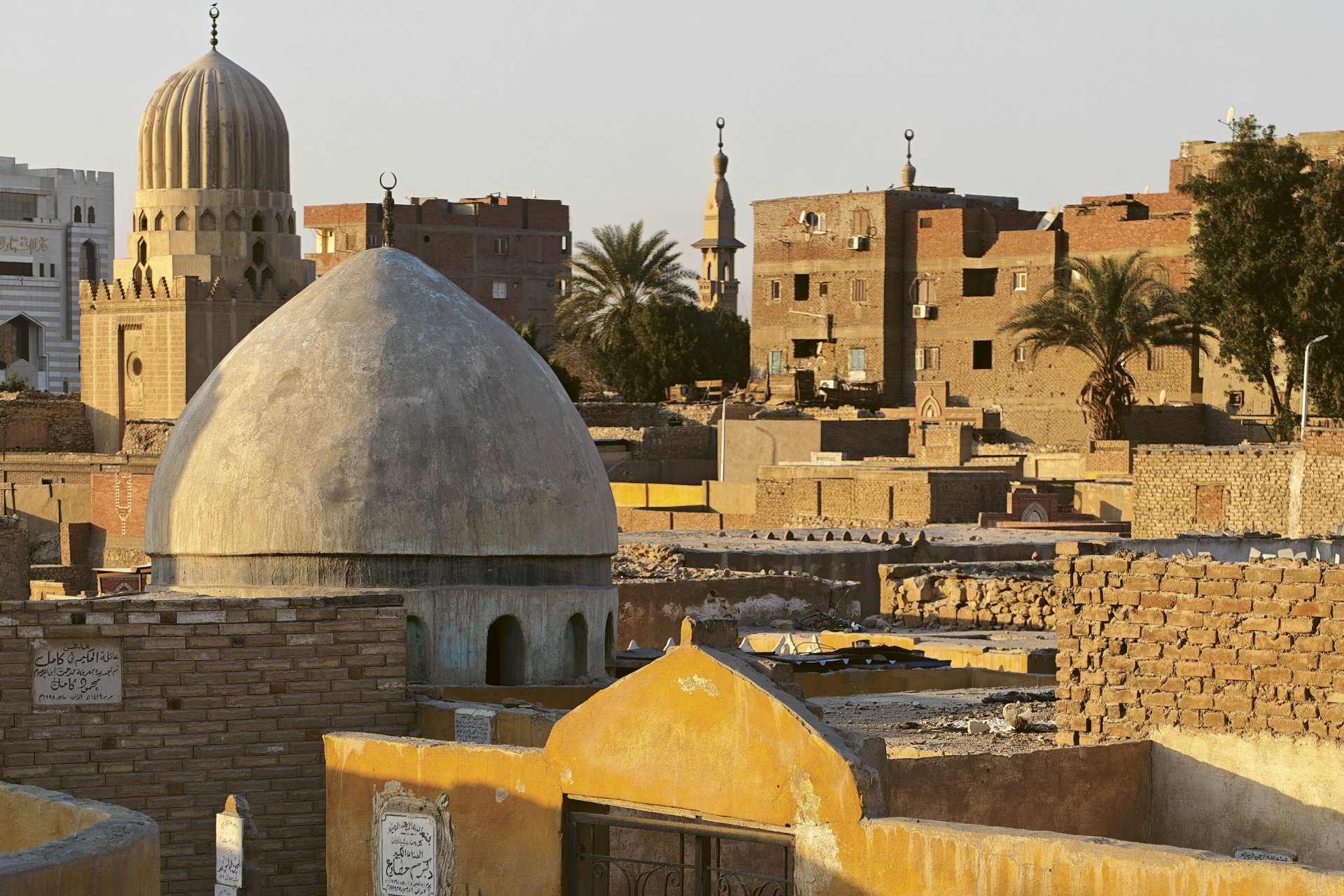
Um primeiro lanço de escadas leva-nos aos terraços do complexo e à base do minarete. Temos noção da raridade do momento, que são poucos os sítios do mundo onde isto pode acontecer. Subimos sozinhos, sem guia. À nossa frente, ergue-se a torre, primorosamente esculpida em pedra e dividida em três andares com pequenas janelas e varandas trabalhadas que, aos poucos, degrau após degrau, nos vão revelando não apenas o complexo construído pelo sultão mameluco entre 1472 e 1474, as cúpulas esculpidas de forma intrincada, o mausoléu e o sabil (bebedouro público), como também a ponta de uma necrópole que se estende por mais de seis quilómetros quadrados ao longo da base das colinas de Mokattam, um vasto cemitério, dividido nas zonas norte e sul, que é um bairro social imenso e que é um emaranhado pobre e vibrante onde se estima que mais de um milhão de pessoas vivam em casas construídas dentro ou ao redor de túmulos de familiares.
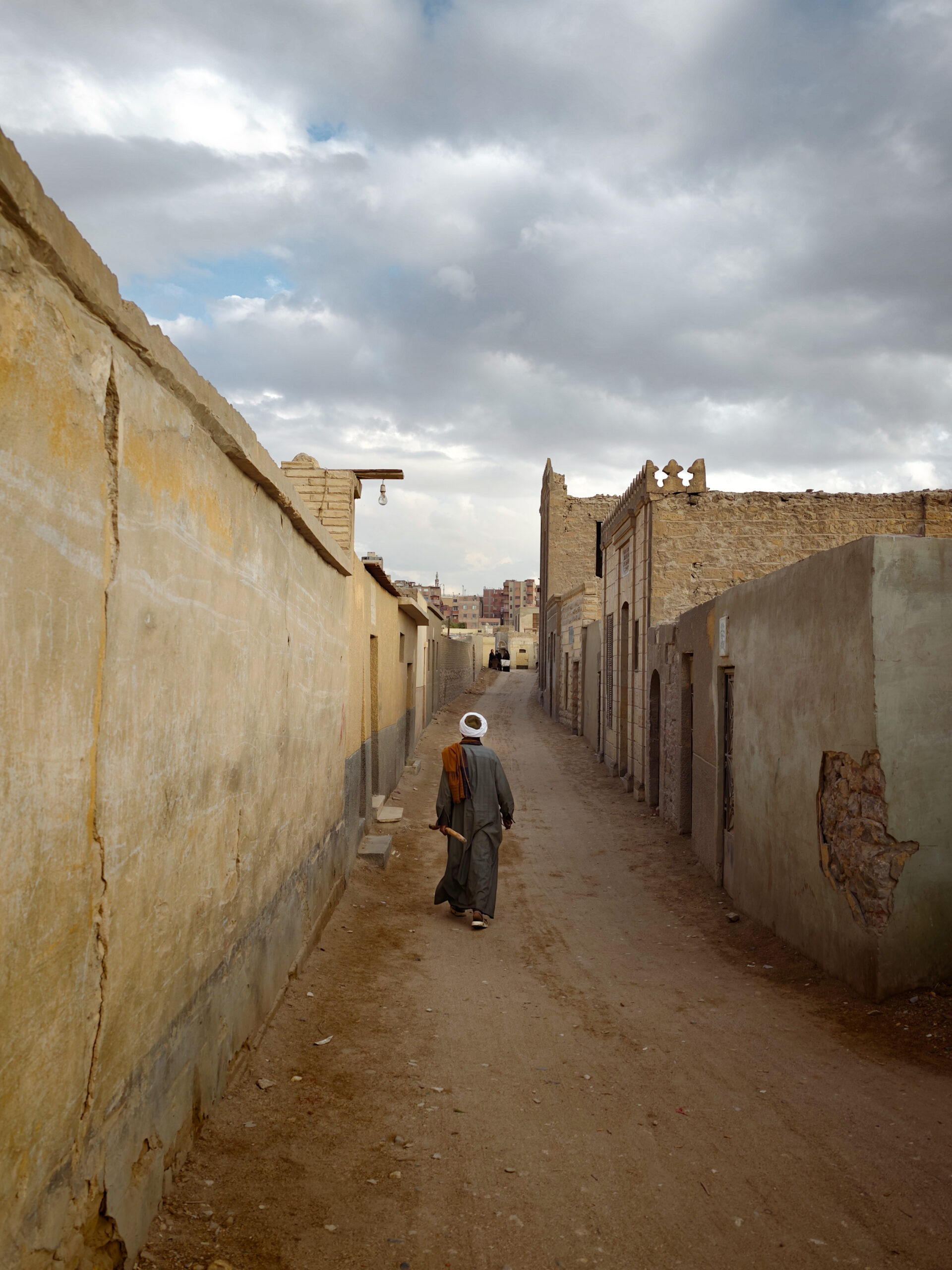
Cidade dos Mortos – ei-la. Os cemitérios, incluindo a área de Qaitbay, ficavam outrora no deserto aberto fora da cidade. Agora, foram engolidos pela metrópole em constante crescimento. É uma cidade dentro da cidade. Do lado de lá da estrada, amontoam-se carros e cada centímetro parece ocupado. Do lado de cá, o ritmo de vida é diferente: as ruas tranquilas e varridas pelo vento e os vastos espaços vazios ainda têm, às vezes, um ar quase desértico onde a vida vai encontrando o seu caminho. Algumas pessoas vivem em estruturas funerárias transformadas em pátios residenciais, outras em edifícios históricos e outras ainda em casas novas construídas à pressa.
A conhecida – e desconhecida – Cidade dos Mortos tem “uma história complicada”, conta à Primitiva Agnieszka Dobrowolska, uma arquiteta polaca a viver no Cairo há três décadas. “Este fenómeno de pessoas a viver entre túmulos não é novo. Na Idade Média, quando os governantes e sultões construíram estes complexos, eles foram concebidos para serem túmulos, mas também para serem usados pelos vivos. Eram conventos de freiras, eram mercados, eram como que instalações de serviços públicos e túmulos. O facto de pessoas viverem entre túmulos existe desde o século XIV. E depois, no século XX, houve uma enorme expansão do Cairo, que passou de uma cidade de 1,5 milhões de pessoas para mais de 20 milhões, como é hoje. E isso também se reflete na Cidade dos Mortos.”
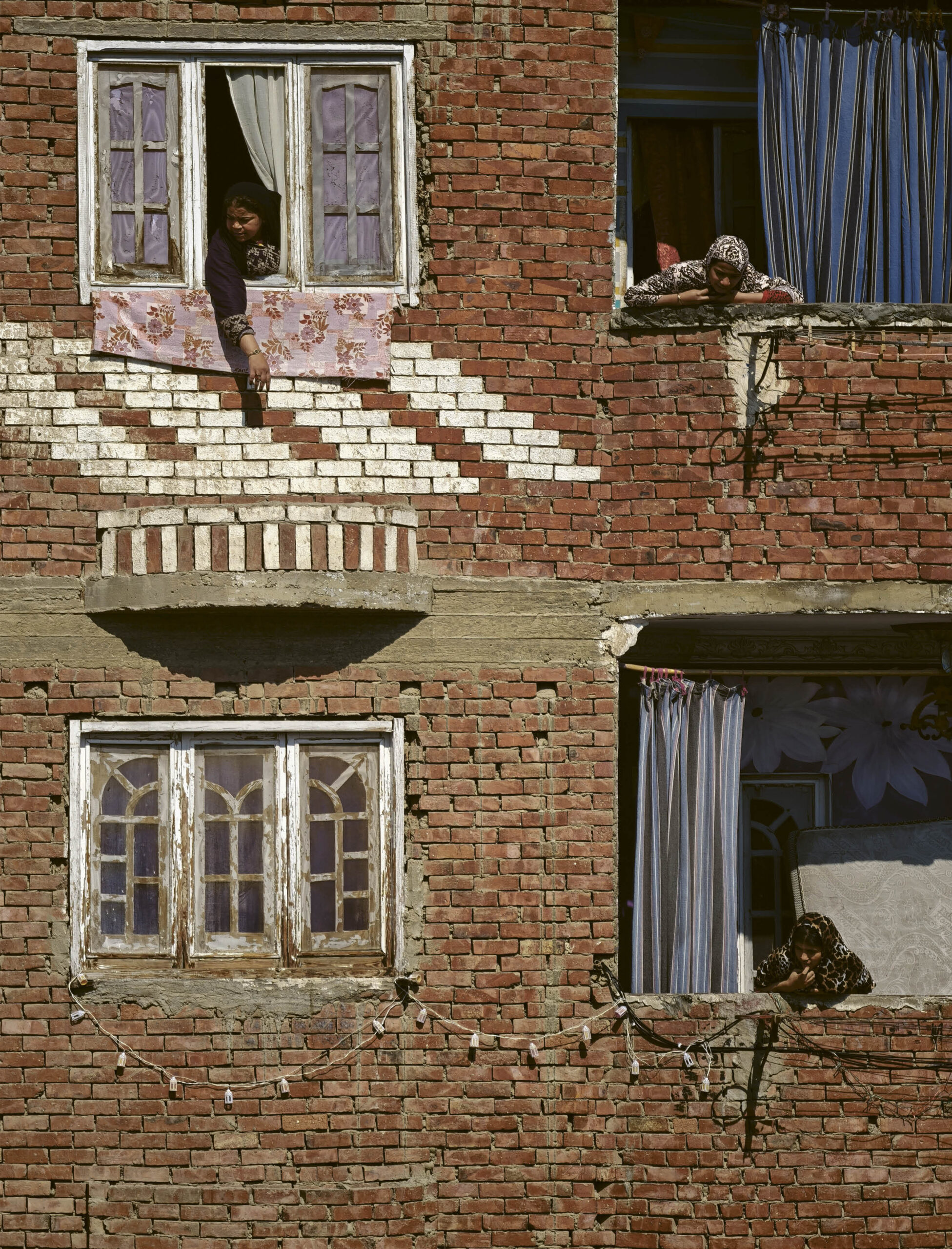
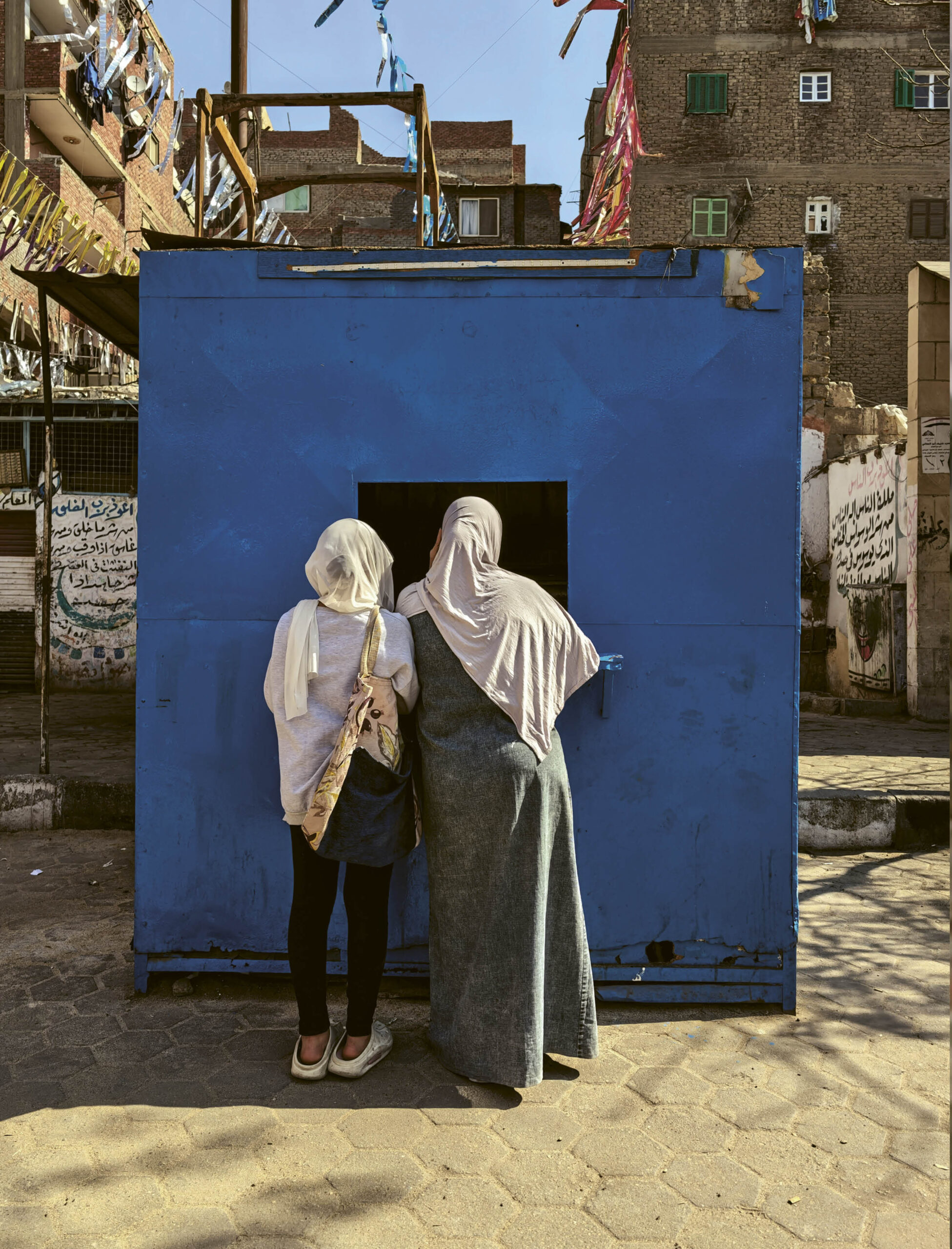
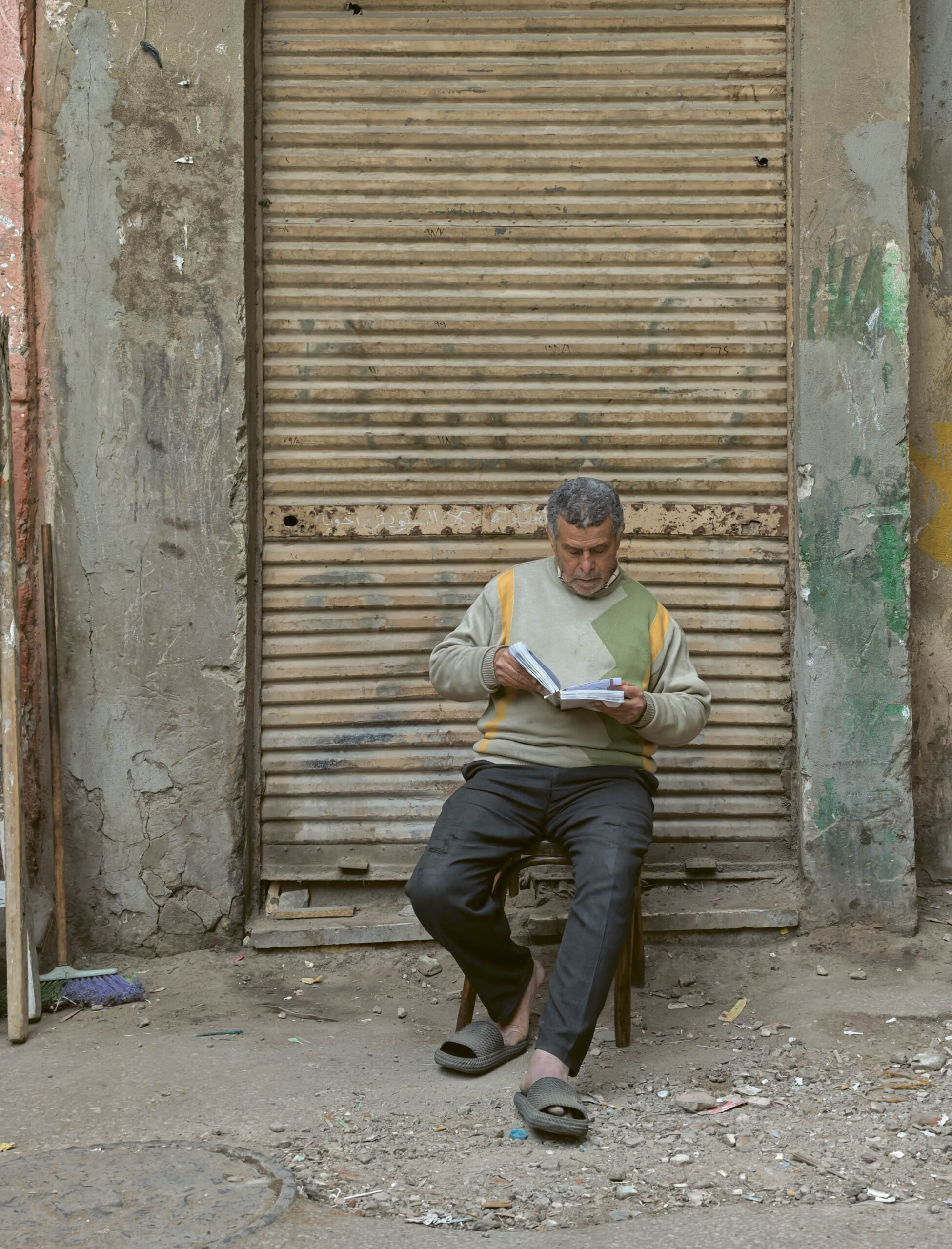
São camadas de camadas. “Pessoas estigmatizadas e pobres”, descreve. “Não é como um bando de criminosos a viver entre os túmulos. São pessoas normais: há pessoas diferentes, há pessoas instruídas, há pessoas sem instrução. Há muitos artesãos. É uma comunidade islâmica muito tradicional: todas as mulheres usam véu.”
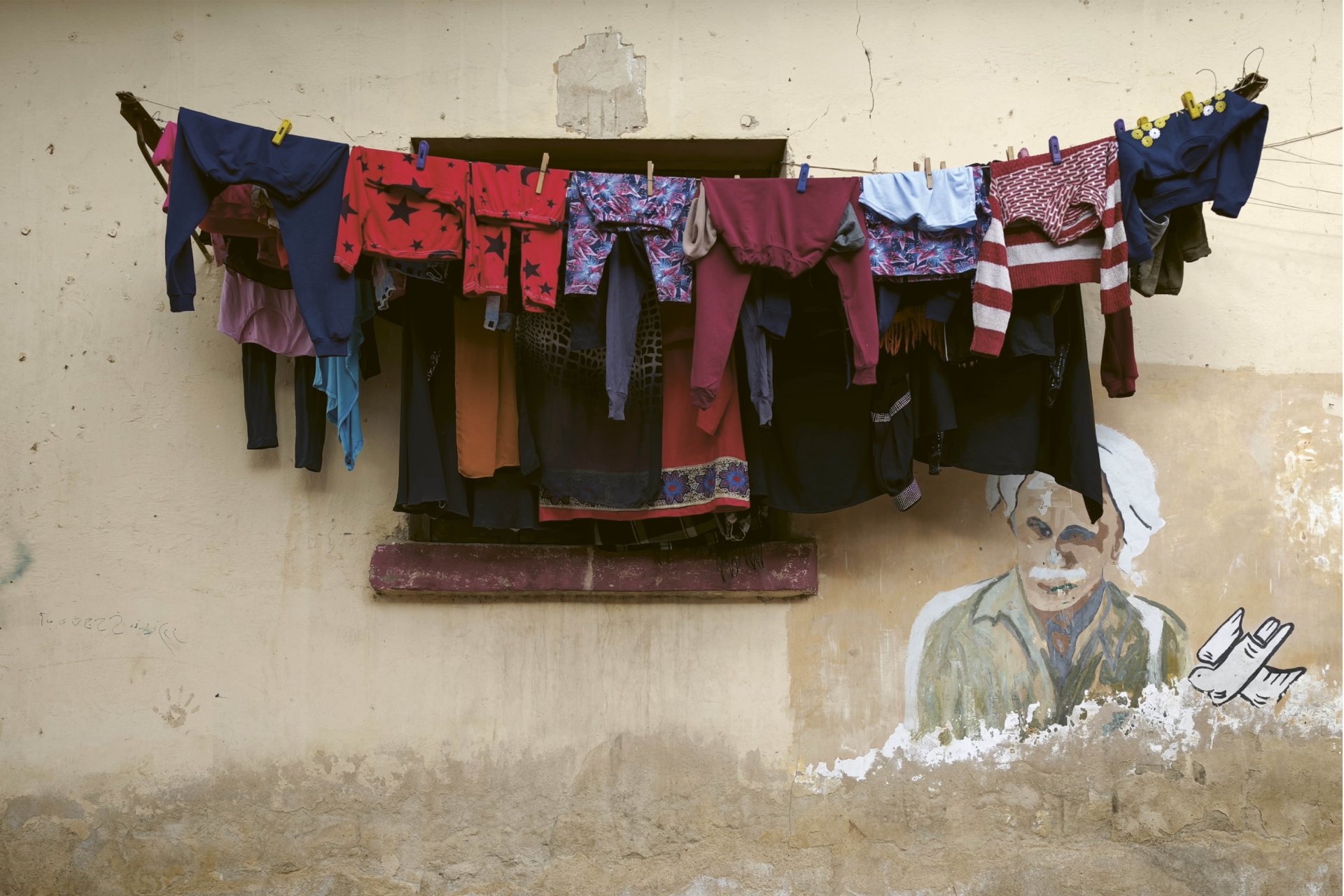
Todos conhecem todos nesta comunidade, muito unida. Também nós os fomos conhecendo: pessoas afáveis, francas e hospitaleiras. Os mantimentos são vendidos no mercado, os artesãos trabalham nas suas oficinas e, nas ruas, as pessoas penduram a roupa lavada e conversam. Os rapazes jogam à bola em becos vazios e as crianças correm por ali, entre as sombras dos enfeites brilhantes pendurados que celebram o Ramadão.
Se, no início, apenas os mortos aqui dormiam, com o tempo, à medida que a população do Cairo aumentava sem rumo, mais e mais pessoas se mudaram para a área e, em muitos casos, passaram a viver dentro dos mausoléus dos mortos. As rendas são baixas ou inexistentes. Na maioria das vezes, as famílias que vivem dentro de um mausoléu não têm qualquer relação de parentesco com os falecidos. Em vez disso, negociaram com a família do falecido para viverem ali em troca de cuidar do túmulo. É central, tranquilo e bairrista – é como um conjunto de aldeias; é como o Cairo que já lá vai.
A comunidade de Qaitbay teve a sorte de Agnieszka Dobrowolska, que sempre se dedicou à conservação de monumentos islâmicos, ter olhado para ela a tempo. “Surgiu uma oportunidade fantástica da União Europeia e candidatámo-nos a um pequeno projeto-piloto na Cidade dos Mortos. Era um pequeno edifício, um projeto de caridade para oferecer água aos animais. Foi como um novo vento e uma nova abordagem: recuperámo-lo e devolvemo-lo ao uso da comunidade local, em linha com a abordagem geral para a conservação do património em todo o mundo. Isso foi em 2015. E, com alguma sorte, continuamos.”
Hoje, é impossível não perceber o que torna esta “aldeia” tão diferente das restantes, por um lado, e mesmo entre o variado mosaico social do Cairo, fora das muralhas invisíveis da Cidade dos Mortos.
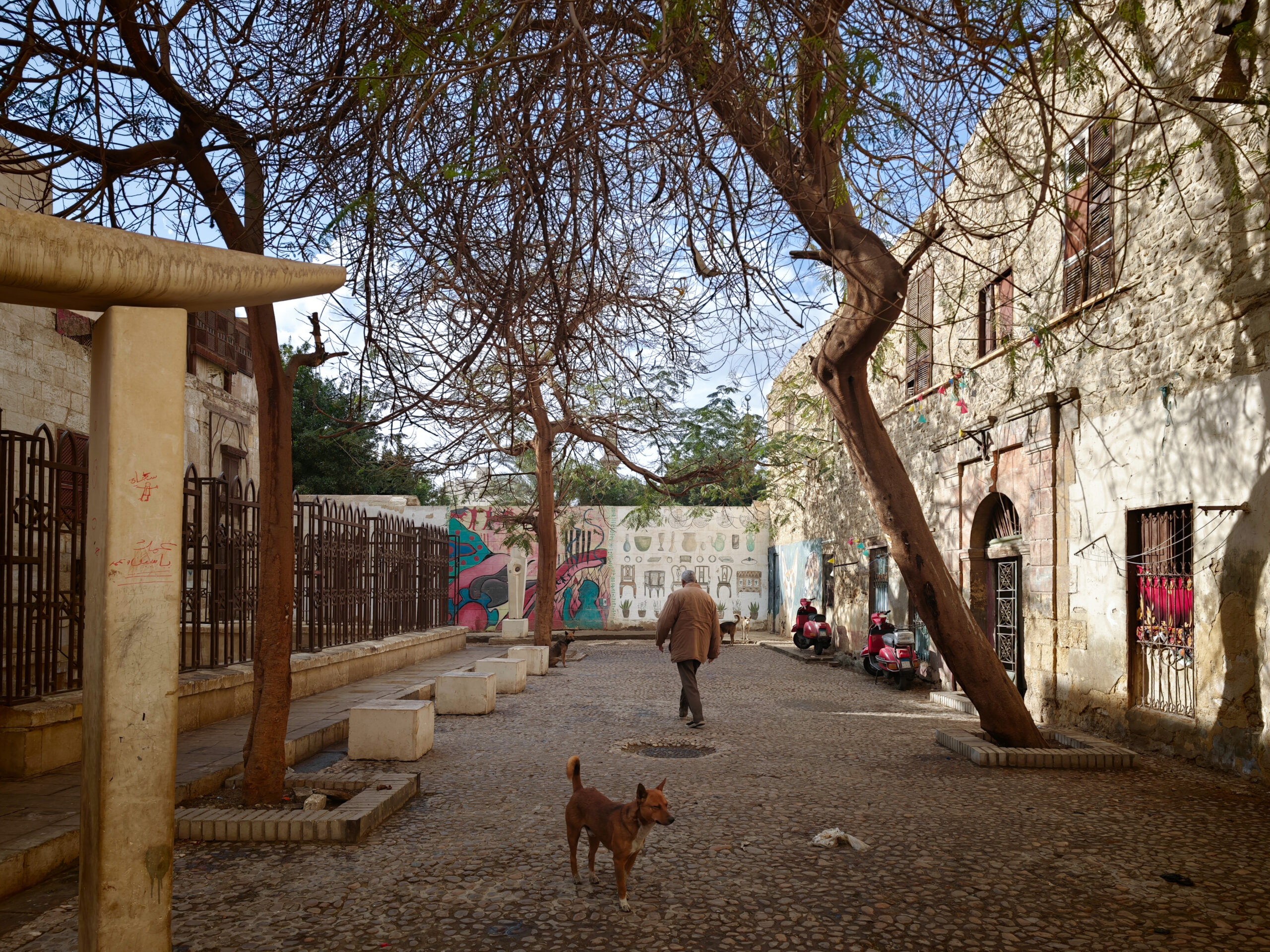
“Passo a passo, um por um”, as equipas de trabalho ganharam a confiança dos habitantes, que se foram organizando e criando atividades, sinergias e eventos relacionados com a arte e a produção de artesanato. “Conquistámos o nosso acesso às comunidades através das crianças e das mulheres, porque elas estão mais interessadas. O que é realmente interessante é que criámos uma tendência, trazendo artistas regularmente e as pessoas daqui começaram a fazer graffiti também. Até temos o nosso ‘Banksy’, um artista que está a pintar e nós não fazemos ideia de quem seja”, explica Agnieszka, que sublinha vitórias a vários níveis, desde o aumento da produtividade e do emprego até ao declínio da violência doméstica.
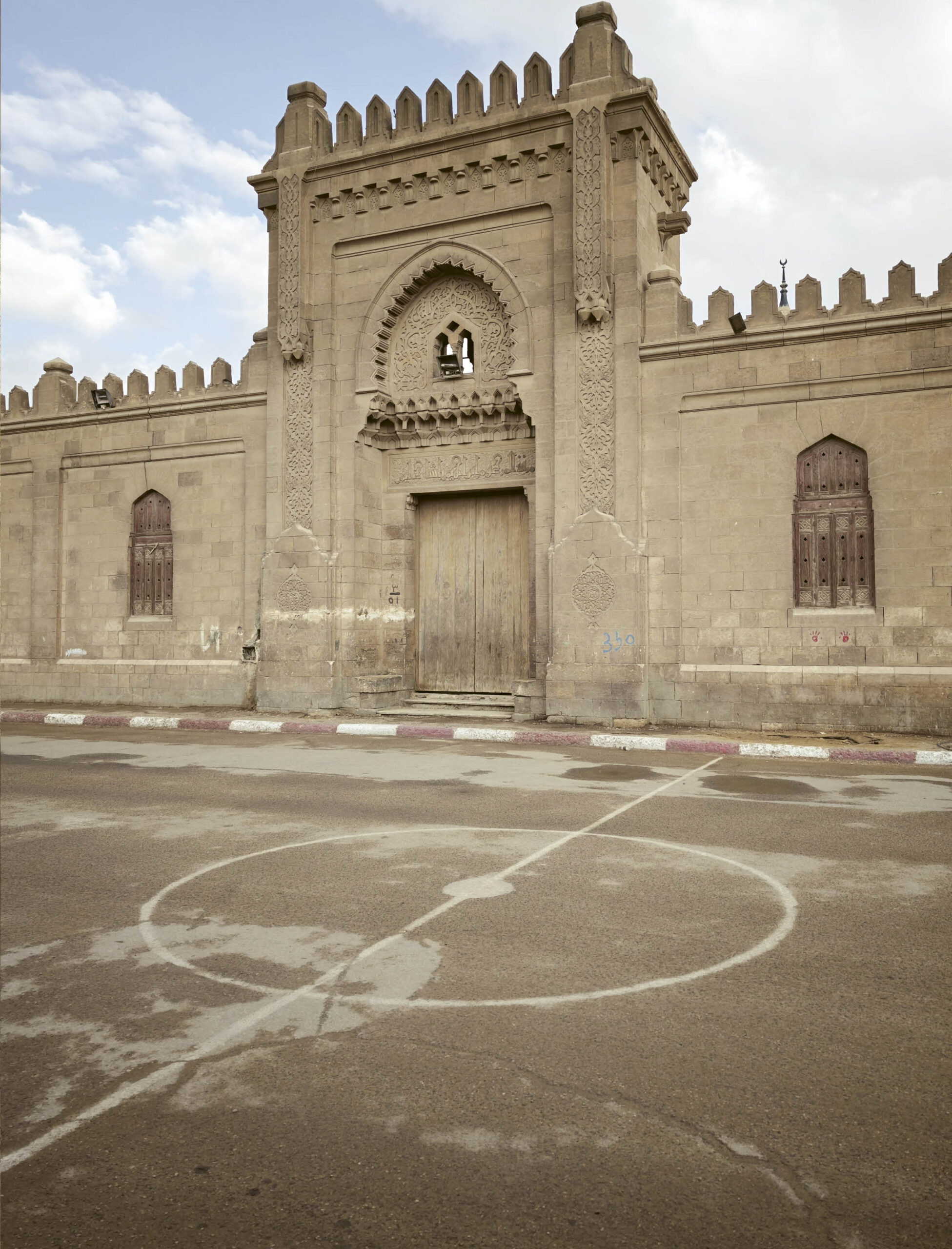
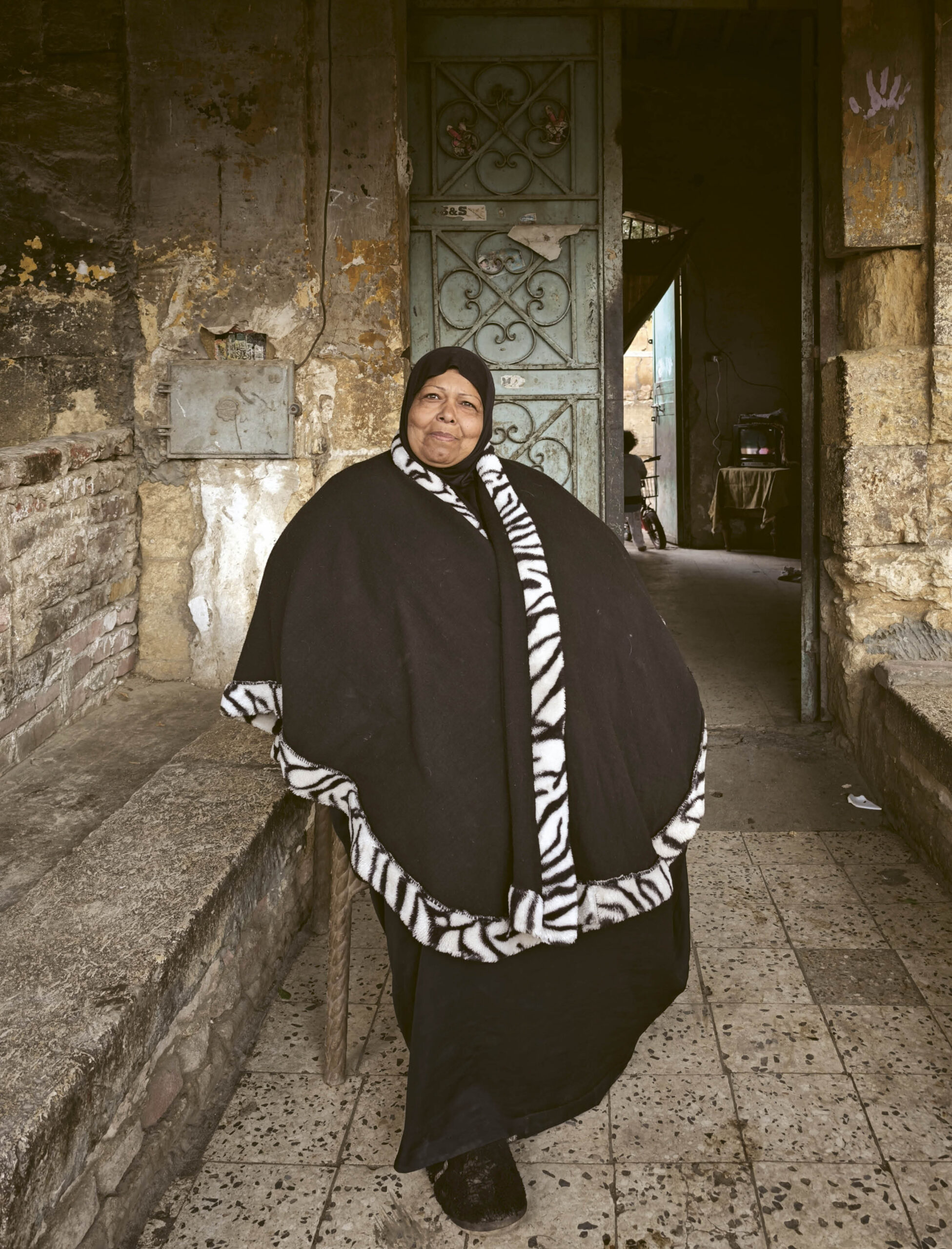
Mais ou menos escondidos nas vielas e pracetas, num raio de 200 metros do minarete, há árvores e arranjos florais (“é como se a natureza precisasse dos seres humanos para ser bela”) e há placas que apontam para as oficinas de artesãos que convivem com as mercearias, os cafés e os monumentos e mausoléus imponentes, enormes complexos religiosos multifuncionais que empregavam permanentemente um número considerável de pessoas. Se na maior parte do mundo os cemitérios são locais de silêncio, aqui a vida e a morte entrelaçam-se: mortos na cova, vivos à mesa.
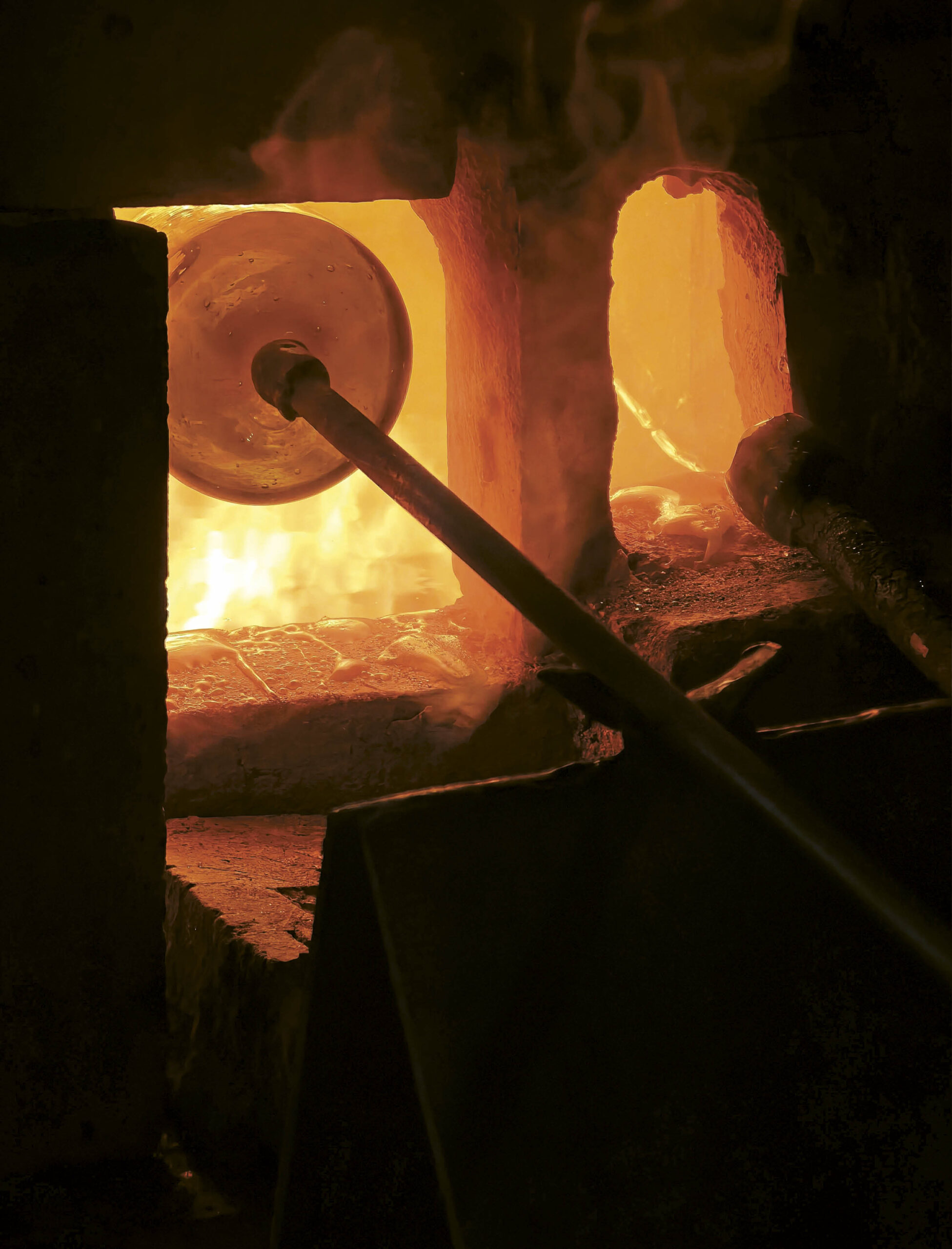
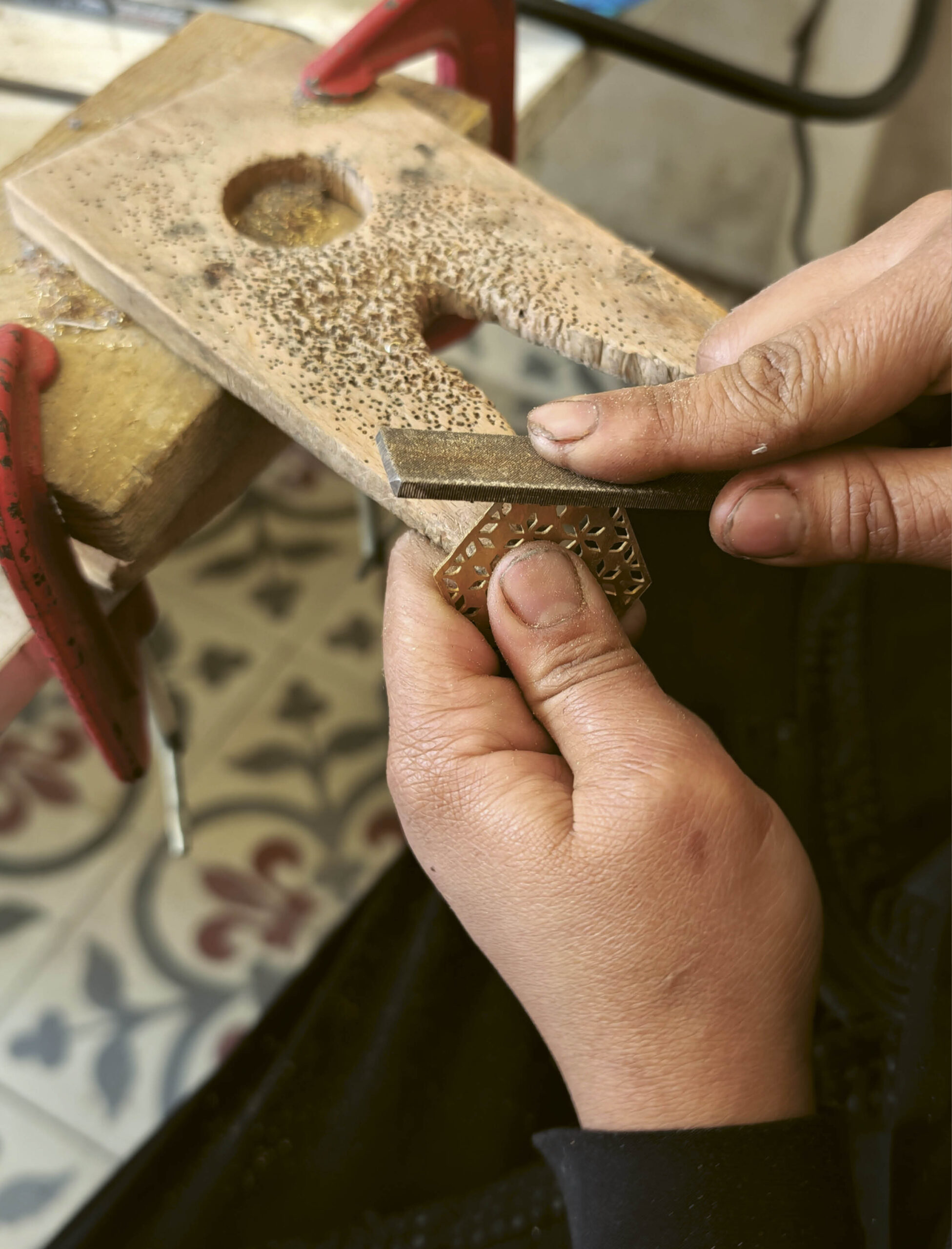
Entre as dezenas de milhares de cairotas que aqui repousam estão reis, santos, escritores, califas e artistas, e ainda são estes últimos que atraem curiosos e turistas e fazem circular divisas por estas bandas. Facilmente vemos pai e filhos a soprarem e a transformarem vidro em “pedras preciosas” ou damos de caras com um dos poucos artesãos do bairro que fabricam as diferentes peças metálicas para cachimbos de água (shisha), omnipresentes no Egito. Há quem produza cordões de seda para franjas e bordados para galabiyas e abayas, há encadernadores de livros e quem se dedique à criação de joalharia inspirada na história local, como a marca Mashka, gerida e trabalhada exclusivamente por mulheres, que diariamente transformam em design contemporâneo padrões clássicos que também nos acompanham e surpreendem nas nossas deambulações, colares com lições da madrassa (escola corânica), pulseiras com recortes da fachada do mausoléu construído por Qaitbay antes de se tornar sultão em 1468 – e onde acabaria por enterrar os filhos ainda jovens – e outros objetos que bebem das formas inesperadas e inspiradoras da arquitetura mameluca.
“Um dos nossos objetivos era trazer turismo cultural, porque este lugar era completamente desconhecido. Os taxistas não queriam vir cá, a zona tinha realmente uma má reputação. Trabalhando e introduzindo eventos culturais e artísticos, organizámos mercados, convencemos as pessoas de que é um lugar agradável para se estar.” Os carros lá vão deixando os turistas na praça central, o epicentro da arte urbana e dos artesãos e um bom ponto de partida para a exploração da Cidade dos Mortos, que é, afinal, a cidade dos vivos.
Passear sem destino através das rudimentares artérias da cidade num fim de tarde é literalmente percorrer a era de ouro da arquitetura islâmica no Egito e tropeçar em tesouros com aspeto decadente aparentemente abandonados, mas afinal guardados pelas famílias que os usam como casa – e que nos abrem as portas a troco de algumas palavras ou de umas quantas libras. Sem nomes nem pontos no mapa, os caminhos labirínticos não são feitos só de pedra e de pedras tumulares, mas também de gente, que celebra a nossa presença, posa para o retrato e nos indica a entrada dos seus pátios onde florescem campas.
E porque o imenso Cairo não pára de crescer, a Cidade dos Mortos enfrenta atualmente mudanças significativas devido a projetos de infraestrutura do Governo para expansão da malha urbana. Nos últimos dois anos, partes do antigo cemitério foram demolidas para dar lugar a novas autoestradas e viadutos, o que despertou a preocupação de conservacionistas, famílias dos falecidos e habitantes das comunidades – isto para além da própria UNESCO. “Está a chegar à nossa área também”, lamenta Agnieszka Dobrowolska. “O Governo tem o poder para fazer, e faz. Nós, pessoas que vivemos pelo património, não gostamos.” Resta-lhes manter a vida entre os mortos, procurando adiar a inércia. “Vai demorar muito tempo, mas vemos que as pessoas mudam e que as comunidades mudam. Espero que essa mudança que estamos a trazer permaneça com elas durante muito tempo.”
Através dos altifalantes, soa uma vez mais o almuadem do topo do minarete, cuja escada em caracol muito poucos sobem. Lentamente, a sua sombra vai percorrendo a cidade como um relógio.