Jila Imwe – O caminho de beleza de Manuel Correia
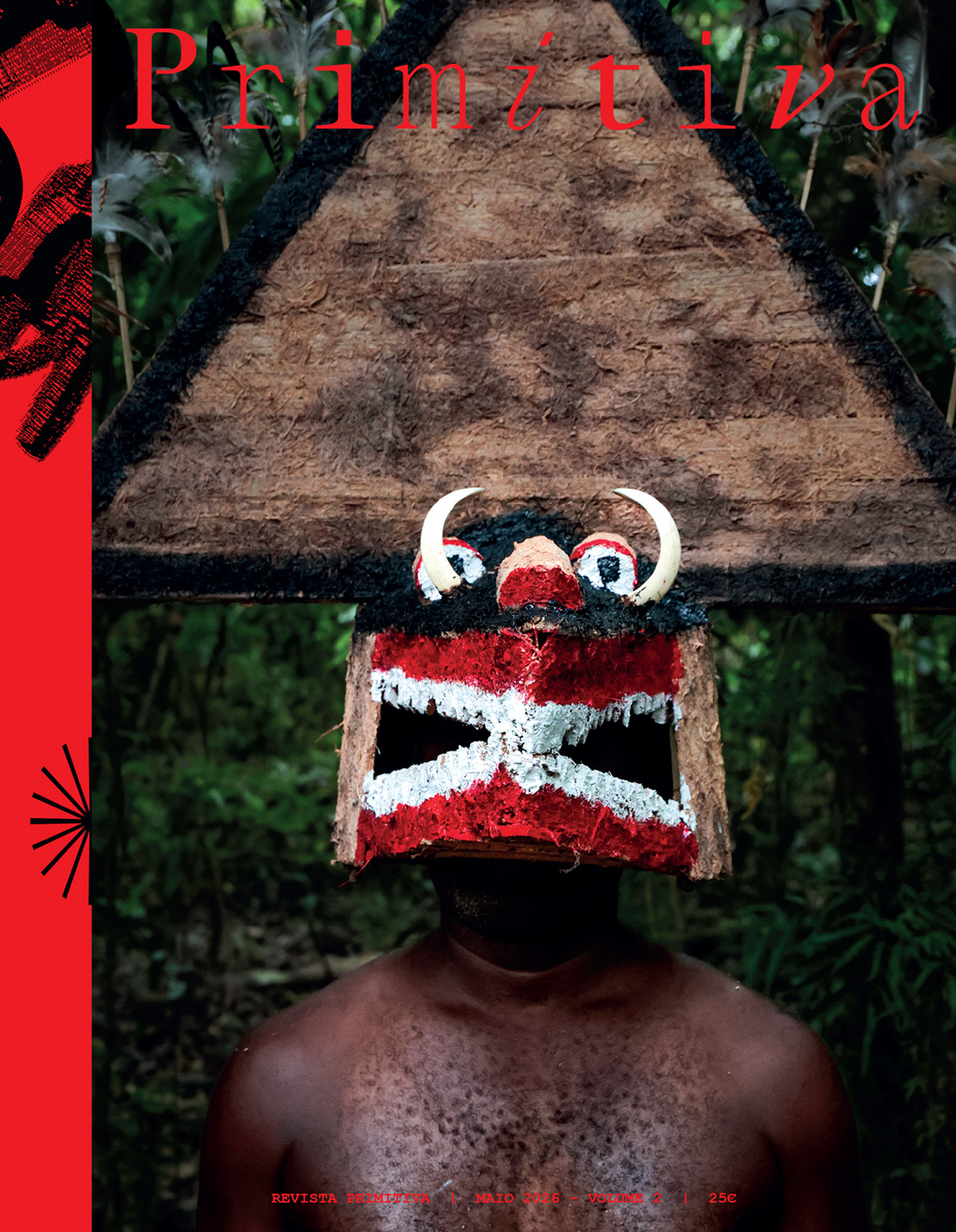
No universo Luvale, as máscaras não são adereços, representam espíritos ancestrais, ensinam regras, impõem disciplina, celebram a continuidade da comunidade. Manuel Correia aproximou-se deste universo sem pressa, voltou várias vezes, acompanhou processos, esperou pelos momentos certos. Luvale reúne esse trabalho paciente. O livro foi apresentado em dezembro e logo se esgotou.
Há uma frase que ficou suspensa no tempo, guardada num ficheiro digital entre milhares de fotografias e rascunhos: “Quanto mais avanço a caminho do final, mais percebo que deveria estar agora a começar.” Manuel Correia escreveu-a a 3 de agosto de 2025, quando fechava o texto que acompanha o seu último livro, Luvale. Dias depois, acabou por morrer em Moxico Leste, vítima de um enfarte fulminante, na véspera do regresso a Portugal.
A frase foi descoberta pela mulher, Maria Rufino, no silêncio abrupto que sucede à perda. Soa como um eco do perfeccionismo que o definia – mas também como uma espécie de pressentimento. O fotógrafo acreditava que o fim de uma viagem física era apenas o início da partilha. O que não podia prever era que essa partilha começaria sem ele.
Publicado em dezembro de 2025, Luvale logo se esgotou. Não é um epílogo melancólico; é uma afirmação luminosa.
Durante mais de uma década, Manuel Correia percorreu Angola movido por uma pergunta simples e persistente: como se organiza, resiste e se transforma o poder tradicional africano num país marcado por colonização, independência recente e conflitos prolongados?
Não procurava a guerra nem os seus despojos, procurava compreender. O poder tradicional foi a sua bússola. Em muitas zonas rurais de Angola, o soba continua a ser a autoridade reconhecida, mediador de conflitos, guardião de memória, elo entre o passado ritualizado e o presente em transformação. Essa coexistência entre estruturas ancestrais e o Estado moderno fascinava-o.
O povo luvale – concentrado sobretudo no Leste da província do Moxico, com presença transnacional na Zâmbia e na República Democrática do Congo – tornou-se o centro desse olhar. Originários da região dos Grandes Lagos Africanos, fixaram-se na bacia do Zambeze entre os séculos XVI e XVIII. A sua organização social, os seus rituais e a forte identidade cultural mantêm-se como pilares estruturantes da vida comunitária.
Foi em 2024, no X Festival do Povo Luvale, que Manuel Correia testemunhou a entronização da rainha Nhakatolo, Anabela Ngambo Kaumba. Era já a sua segunda incursão naquele território. Descreveu o momento como “um acontecimento único e marcante”. Mas percebeu que aquele não podia ser apenas um registo de cerimónia; era preciso voltar.
Com o apoio da Griner Engenharia SA, no contexto das comemorações dos 50 anos da independência de Angola, regressou em 2025. Não queria fotografar apenas o ritual, queria permanecer, queria escutar.
No texto que acompanha o livro, Laurinda Alves fala da “incomparável humanidade” que se sente em cada fotografia – e se pressente no homem por detrás da câmara. O título escolhido, Jila Imwe – “O Mesmo Caminho”, em língua luvale – traduz essa intenção ética. Manuel Correia não se colocava como observador distante. Procurava percorrer, a passos lentos e por “vias precárias ou mesmo intransitáveis”, a mesma rota de vida das pessoas que fotografava.
As notas revelam o quotidiano da viagem – estradas difíceis, calor intenso, longas horas de espera, a “tentação de ceder ao cansaço”, a “forte saudade da família” – mas também a hospitalidade, a partilha, os convívios que o impediam de “desesperar”. Agradece aos guias locais, Alex Chisola e Salvador Cacoma, e ao amigo em Luanda, Alexandre Costa Lopes, que o ajudavam a “discernir decisões”. O fotógrafo não romantiza o percurso – expõe também a vulnerabilidade. Luvale não é um livro de acontecimentos extraordinários, é um livro de ritmo.
Manuel Correia recusa separar o sagrado do profano, o trabalho da festa. Documenta com igual atenção os sistemas de pesca, caça e cultivo; o comércio ambulante; o trabalho dos costureiros, cesteiros e ferreiros. Descreve estas atividades como um “saber-fazer simples e eficaz”, transmitido “de geração em geração, secularmente, sem mediação”.
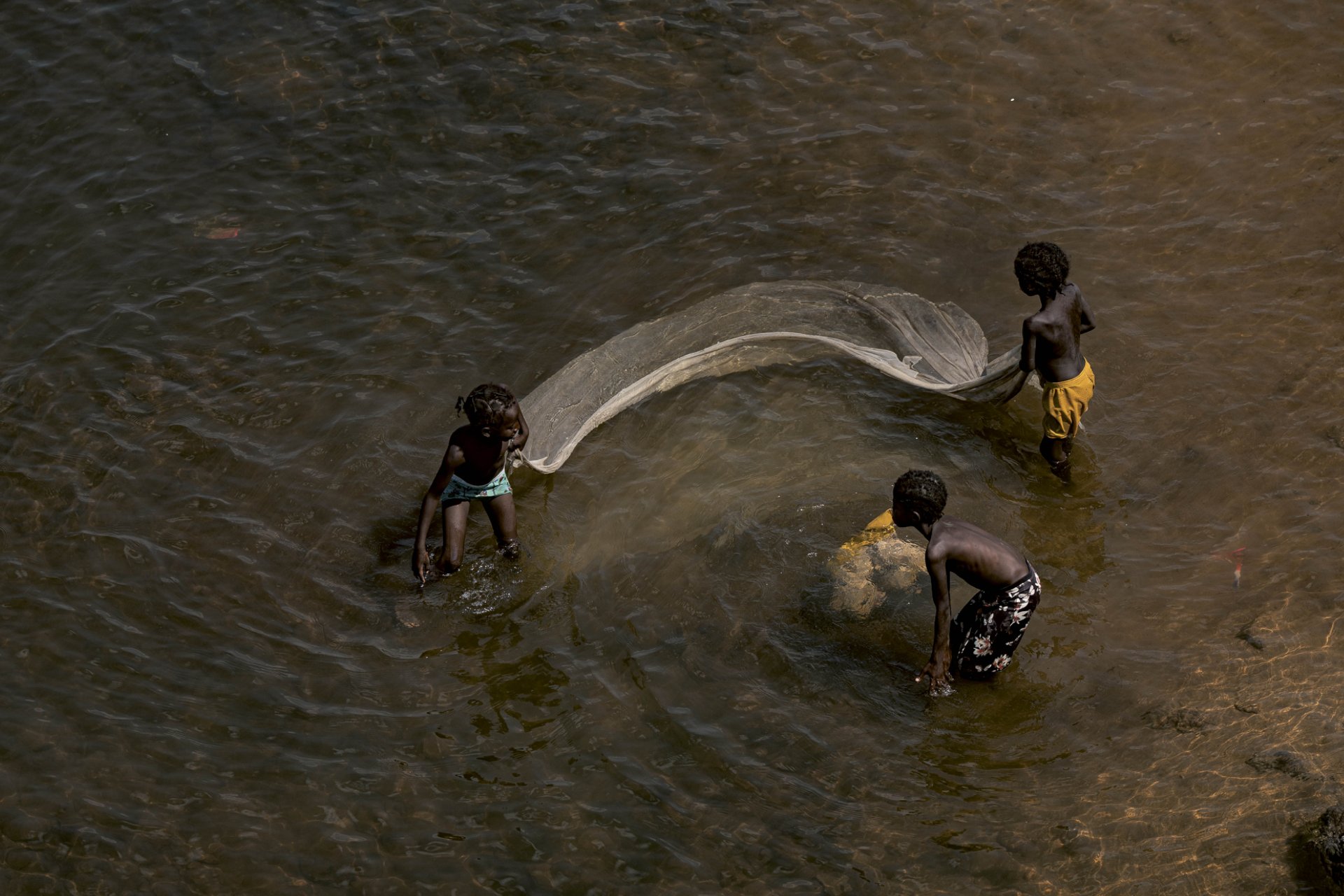
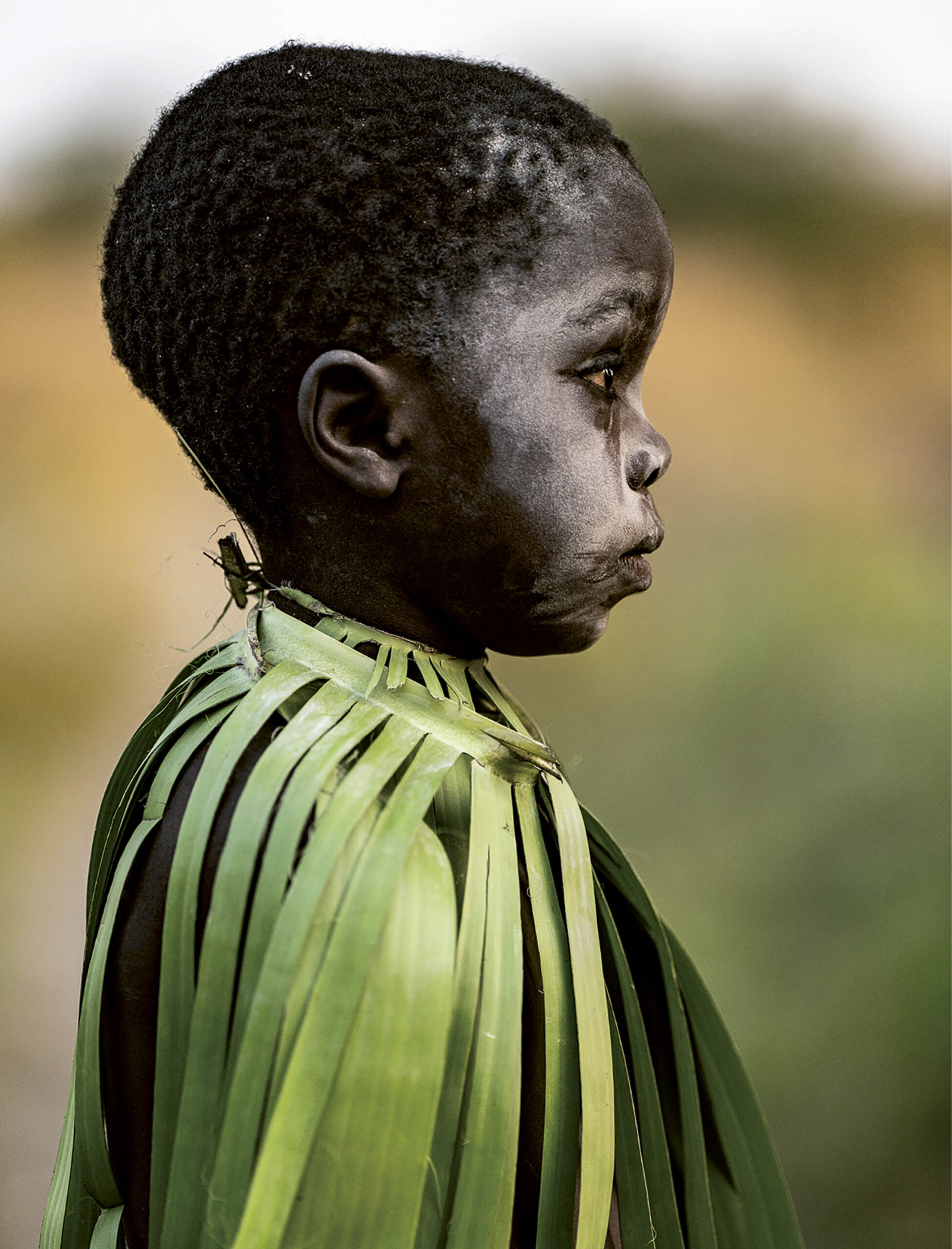
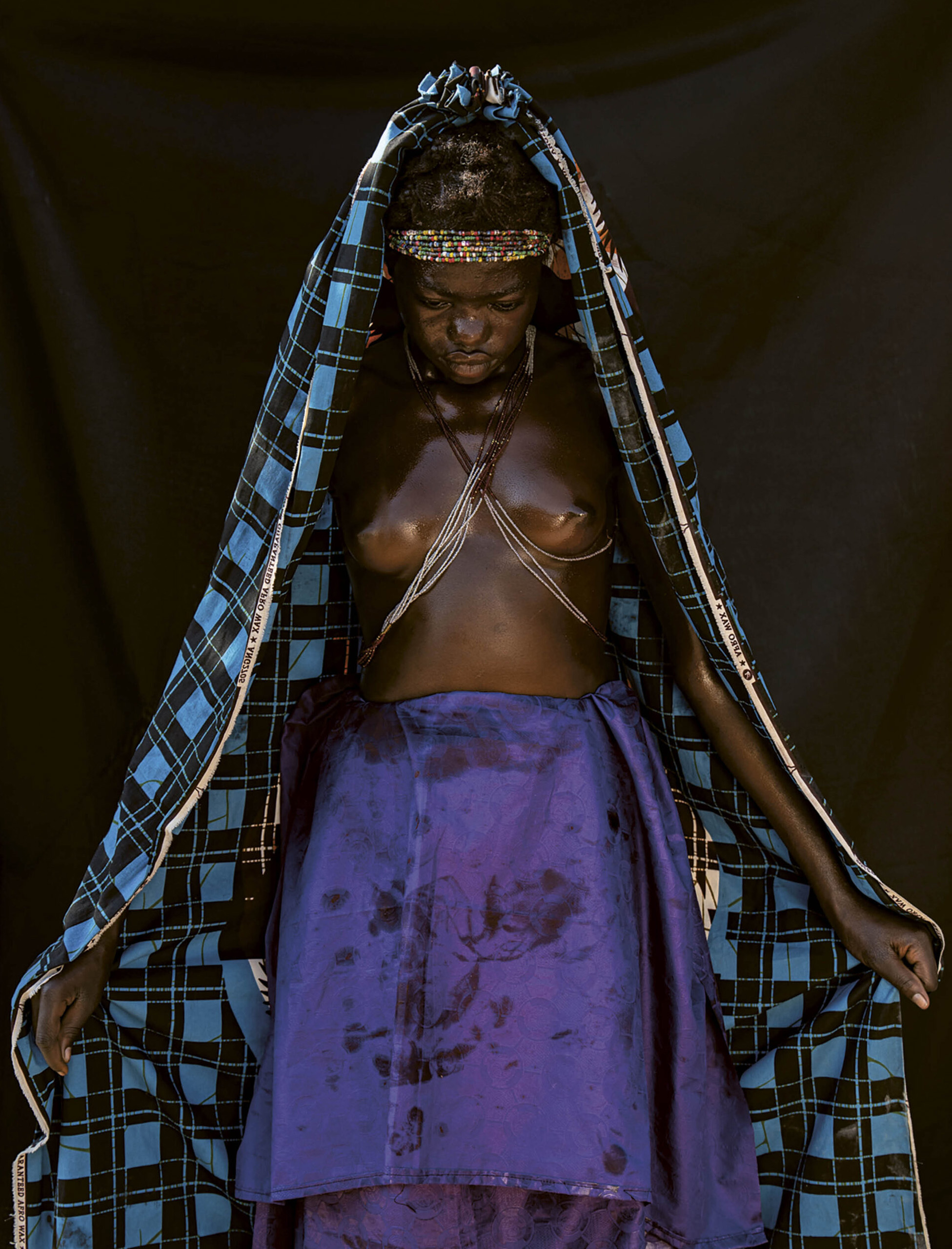
O quotidiano surge como estrutura invisível da identidade. Há dignidade no gesto repetido, no objeto moldado à mão, na economia de subsistência que se sustenta na cooperação, mas há também a explosão da celebração.
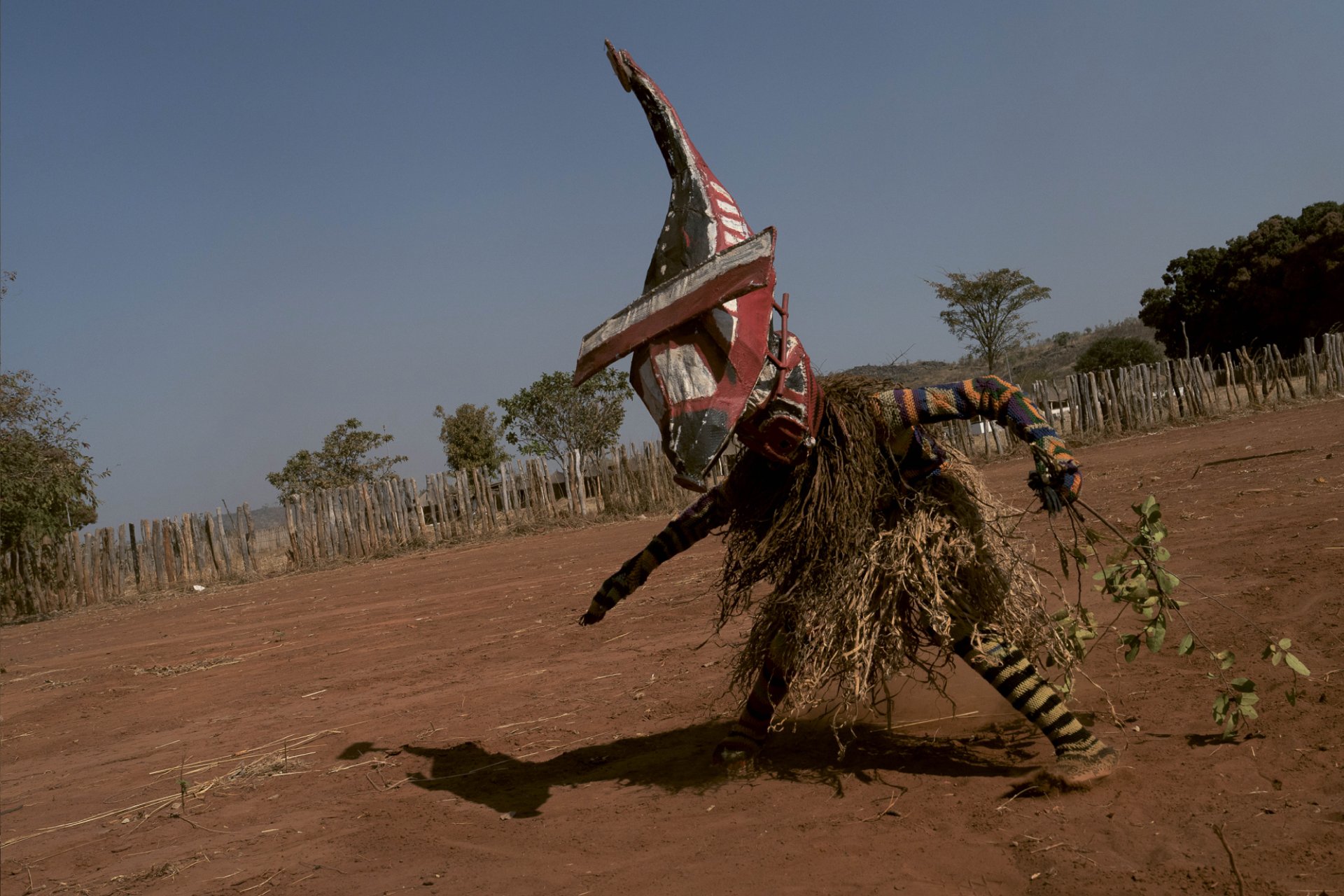
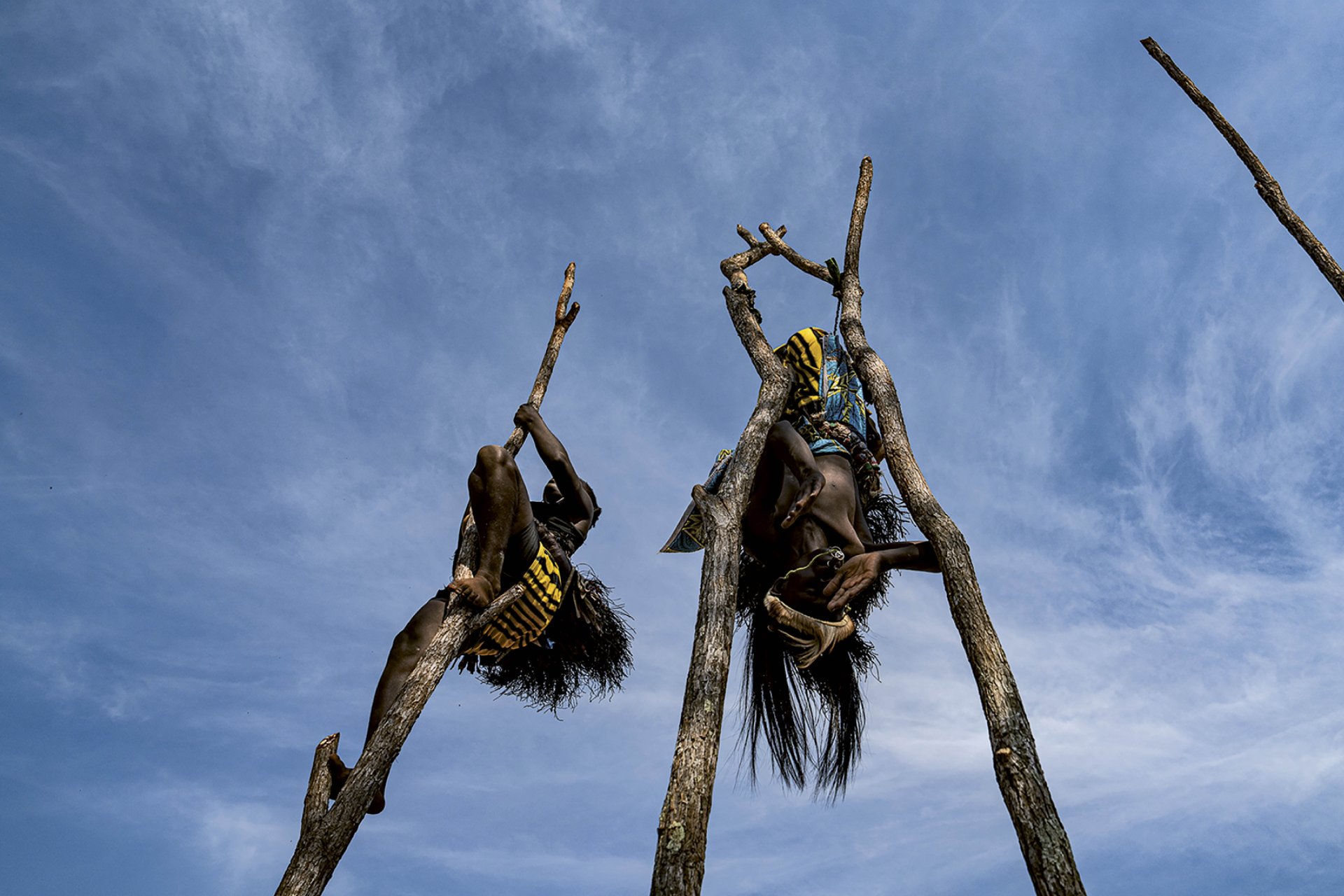
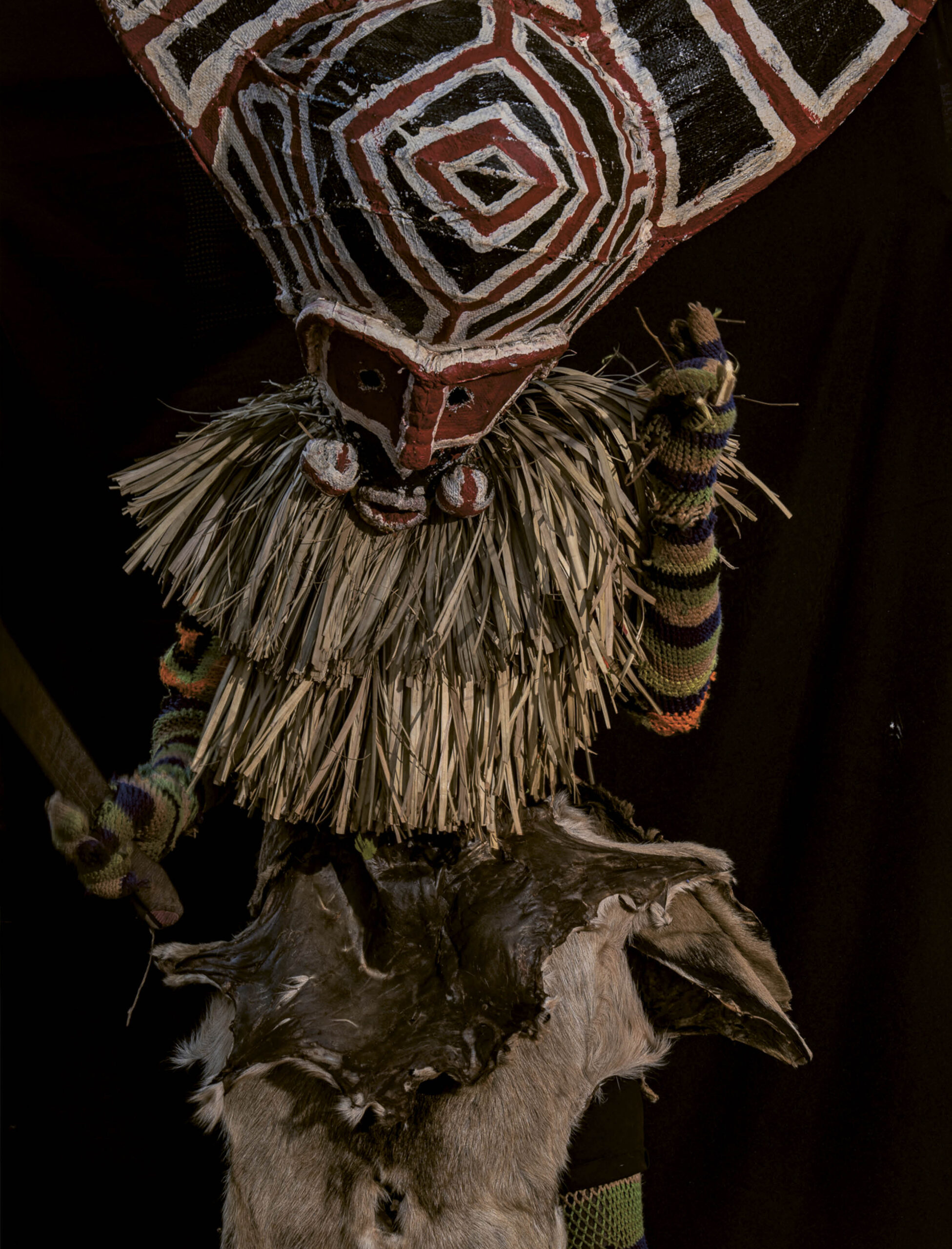
A dança makahiya atravessa o livro como um pulso vibrante. “Em qualquer lugar, as danças tradicionais irrompem espontaneamente e mobilizam centenas de pessoas”, escreveu. As figuras mascaradas – os mukishis, reconhecidos pela UNESCO como Património Cultural Imaterial da Humanidade em 2008 – emergem como mediadores simbólicos entre mundos.
As imagens captam o movimento da ráfia colorida, o peso escultórico das máscaras e a tensão muscular dos corpos. Não há encenação para a câmara, há envolvimento.
“Julgo ter compreendido cedo que tudo – o ócio e os ofícios, os movimentos diários e as grandes cerimónias – possui uma distinta marca identitária neste povo”, escreveu, ambicionando que o projeto não se confinasse a um só tema. O livro confirma essa ambição: a festa não eclipsa o trabalho; o ritual não anula o quotidiano.
Manuel Correia não se identificava com a estética da ruína ou da denúncia crua que domina parte da fotografia contemporânea. “Era a antítese disso”, diz Maria Rufino. “Em tudo, via a beleza. Só fotografava a beleza.” Essa opção não significa ignorar a complexidade ou a precariedade, significa escolher o ângulo da dignidade.
Antes de fotografar, preocupava-se com as pessoas. Levava roupa, medicamentos, óculos. “Melhorava a vida das pessoas um bocadinho que fosse”, recorda Maria. Queria que estivessem confortáveis, que se sentissem respeitadas, criava relações de afeto por onde passava.
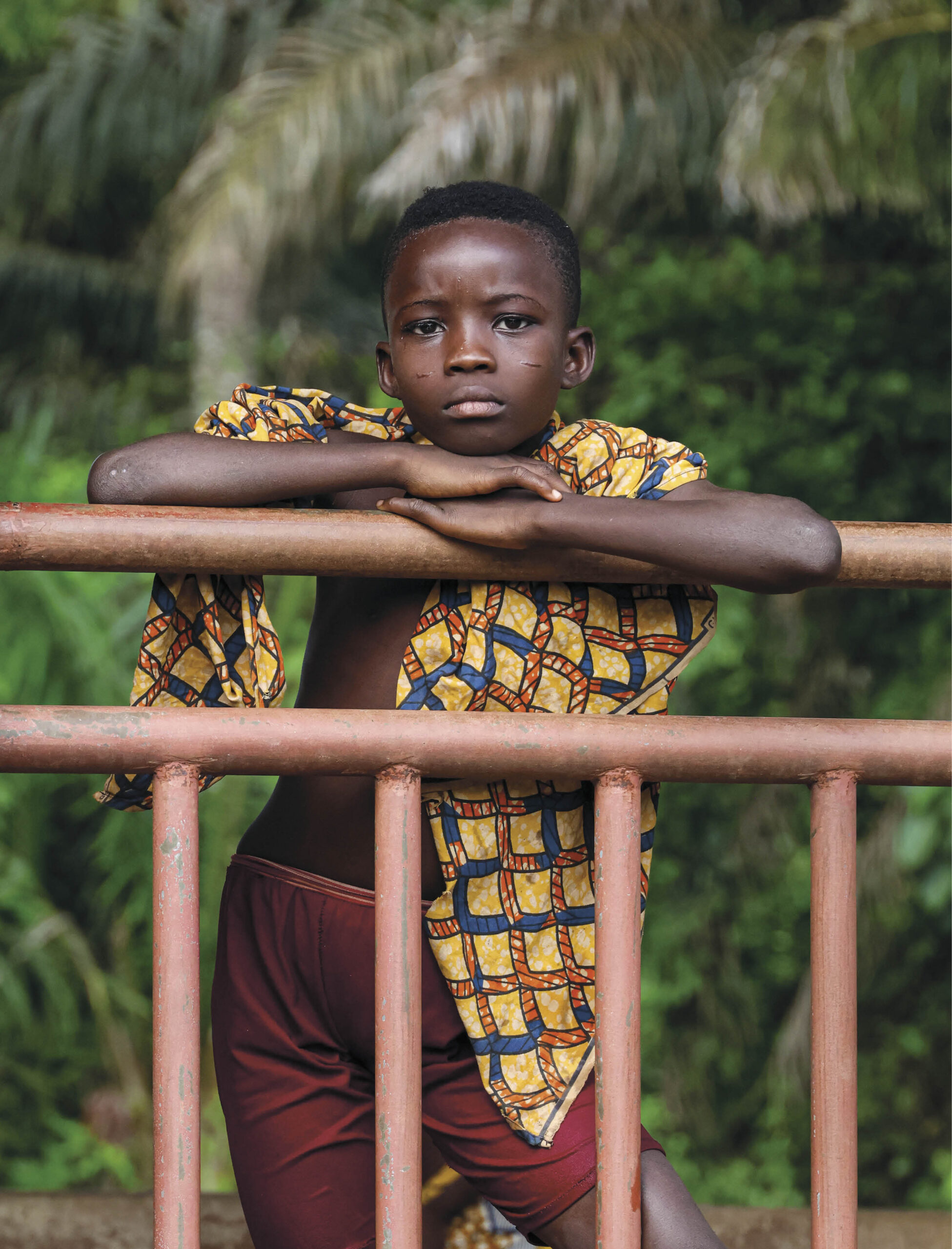
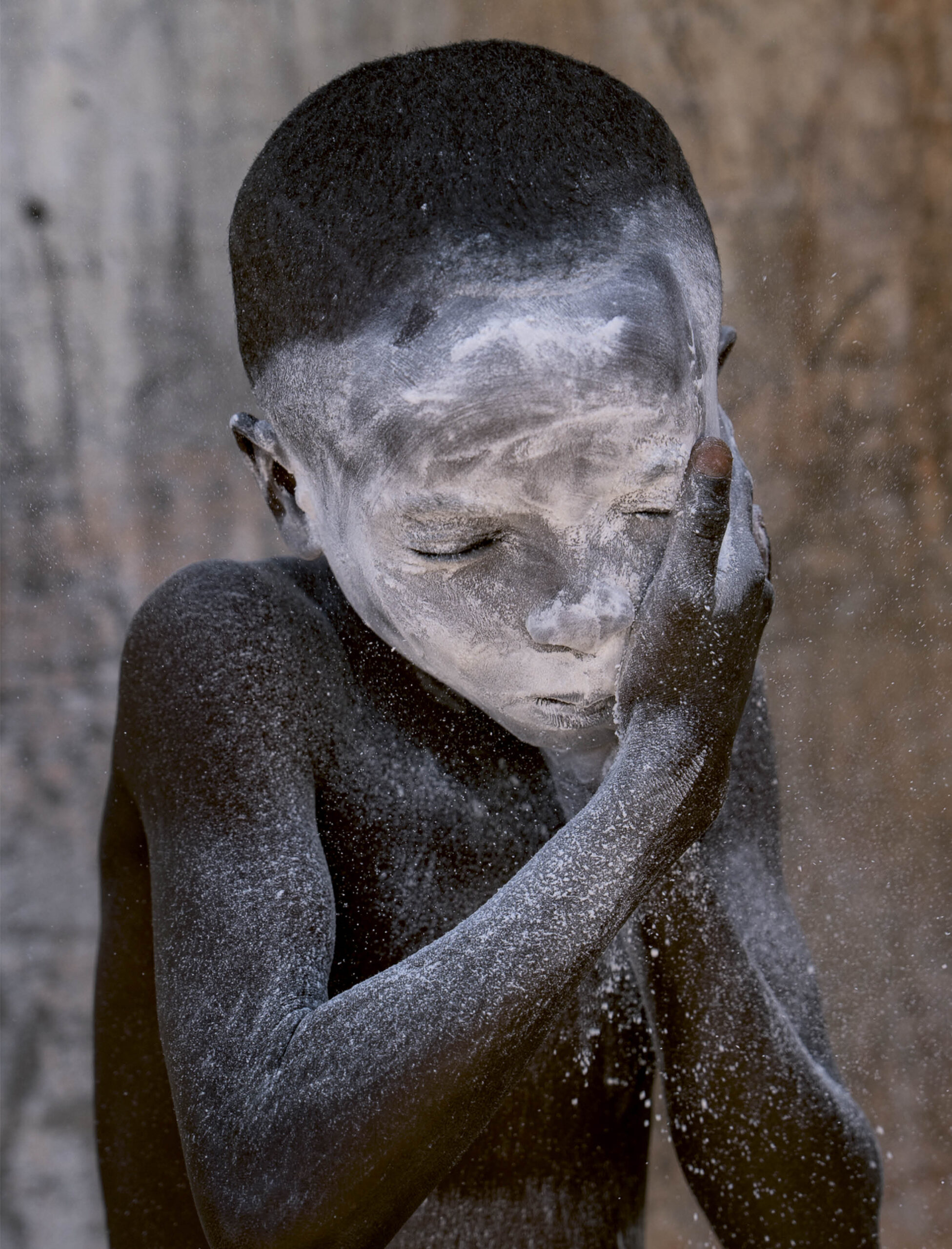
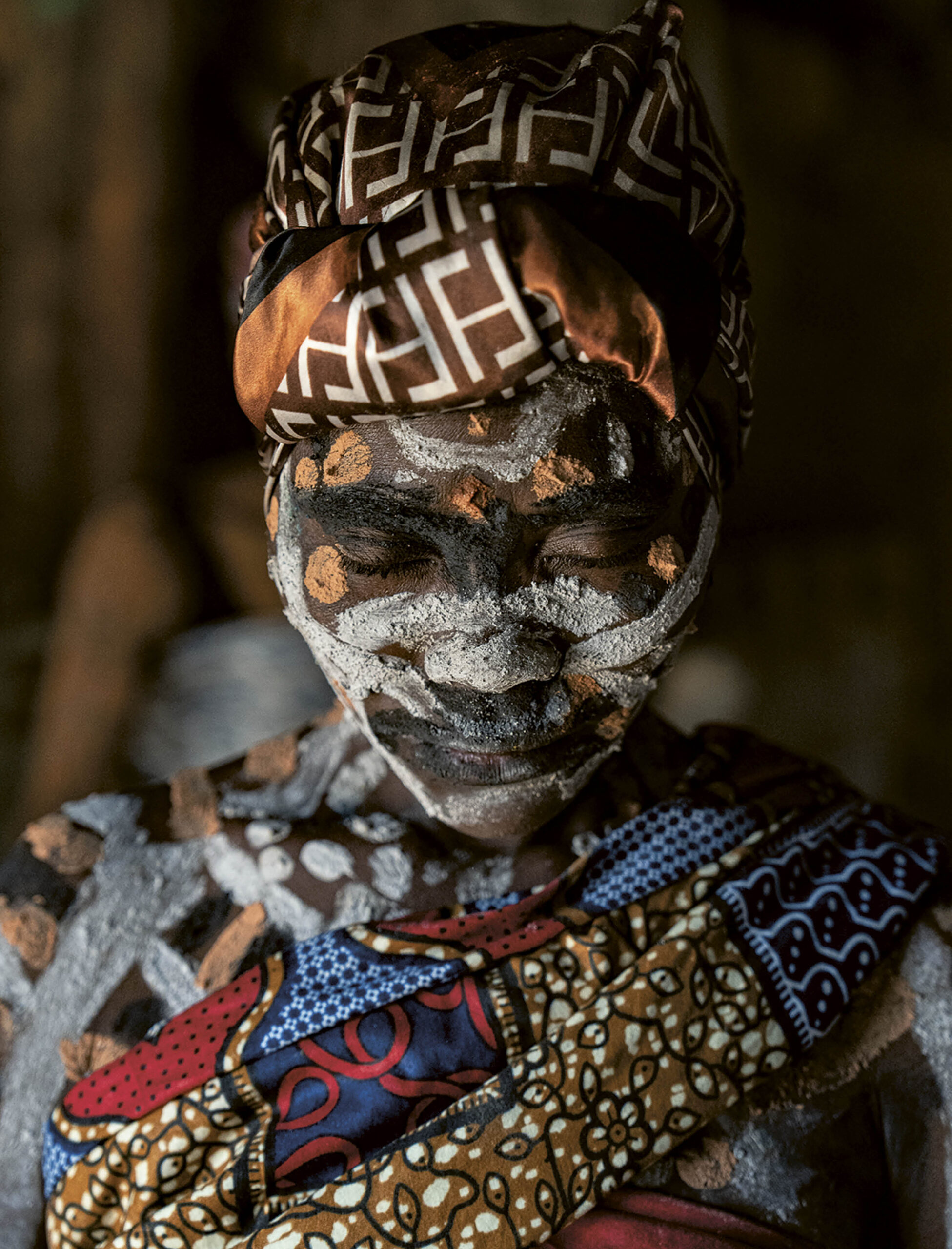
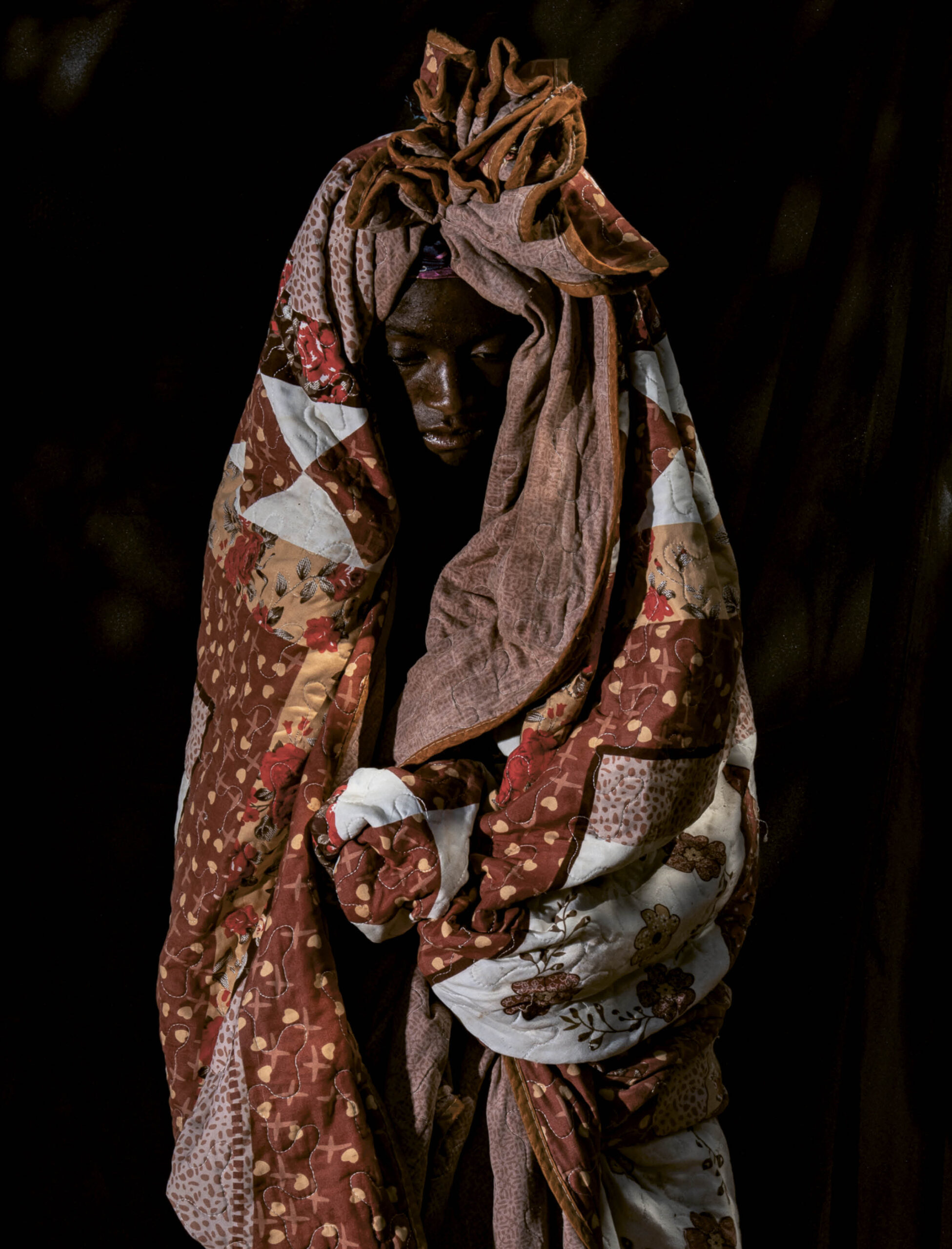
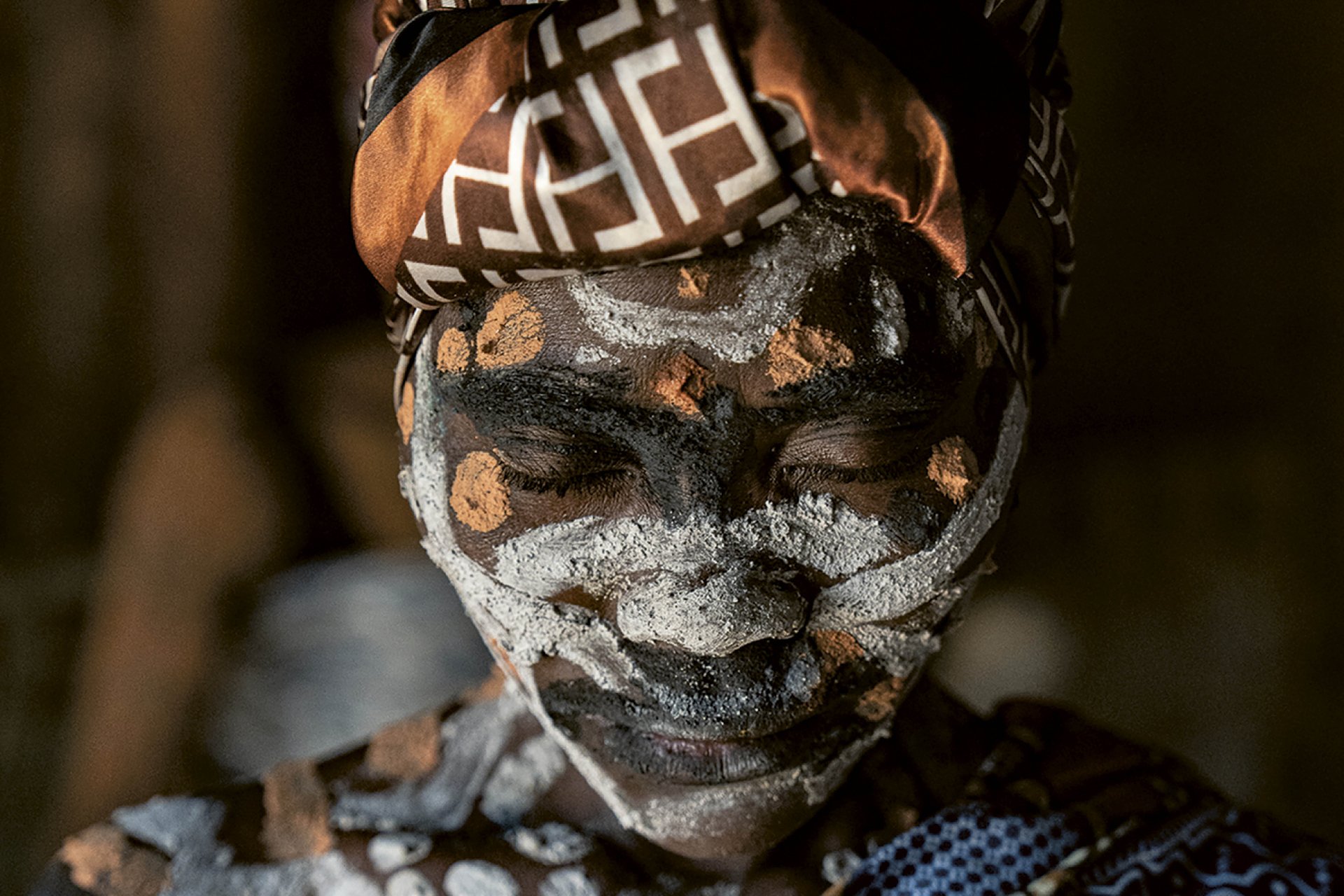
As suas fotografias não são um instantâneo exótico, mas uma imersão respeitosa. Mostram a majestade dos rituais de entronização, mas também a espontaneidade dos sorrisos, a cumplicidade num olhar partilhado, o orgulho no porte de um traje tradicional. Correia fotografava a alegria como um facto cultural e político, um ato de resistência e continuidade. “Ele nunca foi o protagonista. Nunca”, sublinha Maria. A sua câmara era uma ponte, não um escudo.
O livro Luvale é, assim, o testamento visual de um homem que acreditava que a beleza constrói, que a dignidade é um direito de todos perante a lente, e que a verdadeira documentação capta tanto o trabalho como a festa. Através das suas imagens, o povo luvale não é apresentado como um relicário, mas como uma cultura viva, na qual o ofício dá sentido e a celebração dá cor à existência.
Nos seus textos, descreve a “tranquilidade espontânea” das aldeias, o “rebuliço jovial” das crianças, os mais velhos “ajustados ao seu estatuto de respeito e sabedoria”. “Do pouco que há, tudo se partilha, com alegria”, anotou. A frase funciona como síntese do livro: em Luvale, a alegria não é ingenuidade, é permanência cultural, é resistência.
Maria Rufino assumiu a edição do livro poucas semanas depois da morte do marido, acompanhada do amigo de sempre de Manuel Correia, Xavier Antunes, também ele um experiente fotógrafo. “Sinto uma injustiça enorme por o Manel não estar aqui para ver o fruto de tanto trabalho”, diz. Mas transformou a dor em compromisso, não apenas contratual – moral. “Fazer aquilo que ele gostaria que fosse feito.”
Na última linha do ensaio, o fotógrafo expressa o desejo de que as imagens “valorizem a complexidade deste povo que vive entre o local e o transnacional, entre o passado ritualizado e o presente em constante progresso”. Ao fazê-lo, valorizou também a complexidade da condição humana. O livro tornou-se, assim, duplamente significativo: como culminar de um percurso e como início de um legado.
O projeto maior de Manuel Correia – um levantamento de 11 anos sobre o poder tradicional angolano – permanece por editar. Um “trabalho titânico”, nas palavras de Maria. Mas Luvale está concluído, está inteiro. E o livro sobre o poder tradicional também vai estar: “Até ao fim deste ano de 2026”, promete Maria Rufino. O que já não pode fazer – e sabia que Manuel Correia o desejava – é avançar com um projeto fotográfico na Zâmbia, uma encomenda que recebeu da rainha daquele país. “Infelizmente, esse projeto ficou por iniciar, por fazer. Esse e todos os muitos planos que tínhamos em comum e que andávamos a preparar”, constata.
A frase inicial deixa então de soar a despedida. Com Luvale, o fim transformou-se em começo. O olhar de Manuel Correia – que sempre procurou a luz nos outros – inicia agora a sua viagem mais longa: a de permanecer nas imagens, na memória e no caminho partilhado. Jila Imwe: o mesmo caminho.