Ragnar Axelsson: Olhos no Ártico
Ragnar Axelsson é um dos mais persistentes e apaixonados fotógrafos documentais do nosso tempo. Islandês, piloto, contador de histórias visuais e cronista do grande Norte, dedicou mais de quatro décadas a fotografar a vida nas regiões mais inóspitas do planeta: o Ártico, a Gronelândia, a Sibéria.
O que te atraiu para a fotografia, e para o Norte e os seus povos?
Começou quando ainda era muito jovem. Na Islândia, as crianças eram enviadas para quintas durante o Verão, para crescerem e aprenderem. Eu também passei uns seis ou oito Verões assim. Algumas das minhas melhores fotografias dessa época – eu devia ter cerca de dez anos – foram das quintas e das pessoas nos seus ambientes. Desde então, já pensava no futuro, perguntando-me: “Como será daqui a 50 ou 100 anos?” Refletia muito sobre isso, sobre como o planeta mudaria. Sempre pensei dessa forma.
E o Ártico, como surge?
Ficava fascinado com aquelas fotografias incríveis, com o trabalho dos grandes fotógrafos. A partir daí, não houve volta a dar. Li livros muito curiosos sobre o Ártico, sobre exploradores que partiam em busca de um continente no Pólo Norte, viajando anos a fio em condições geladas, e isso entusiasmava-me profundamente. Foi então que conheci os inuits – que grandes heróis! – e aí, finalmente, tudo começou.
Depois surgiu uma luta interior: queria ser piloto, fotógrafo, ou os dois? Acabei por ser os dois. Posso pilotar, tirar fotografias do meu avião, visitar lugares inacessíveis… e adoro isso. Quando terminei o curso de Pilotagem, não havia trabalho para pilotos, por isso tornei-me fotógrafo de jornal. Cada dia era uma aventura diferente, divertida. Despedi-me do jornal quando percebi que era urgente fotografar e documentar a vida no Ártico. Tudo estava a mudar depressa de mais, e eu precisava de registar isso.
Que sinais viste dessa velocidade?
O abandono de aldeias e pequenas vilas, especialmente na Gronelândia e na Sibéria. Já havia 14 aldeias completamente desertas, e senti que era fundamental documentar isso. Os glaciares estão a derreter, acontecem muitas mudanças, sobretudo no Ártico — é lá que tudo começa. É como o frigorífico do planeta. E está a aquecer. Mas não estou a pregar nada, nem sou eu quem vai explicar isso. Deixo esse trabalho para os cientistas. O meu papel é outro: sou como um cãozinho a ladrar…
A chamar a atenção, a alertar para o perigo?
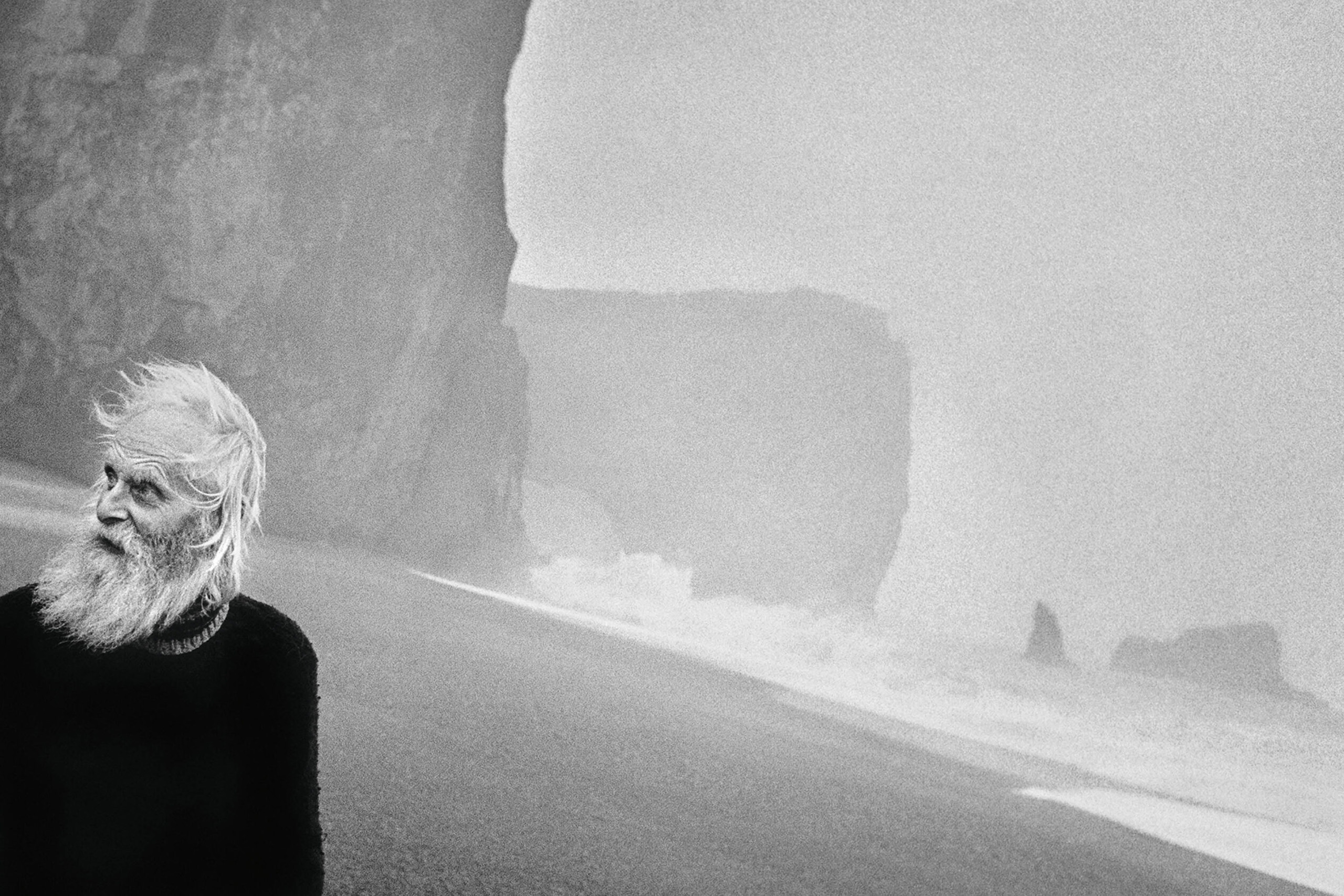
O que faço é fotografar as mudanças na vida do Ártico, as pessoas, a forma como vivem. As comunidades de caçadores estão a desaparecer. O mesmo acontece na Sibéria. A tundra está a descongelar. Era um terreno plano – agora há buracos por todo o lado. Os nénets, os criadores de renas… o futuro deles é incerto. Quando essas coisas acontecem, tudo muda. Para mim, este papel – o de documentar isso – é muito importante.
A Islândia é a tua casa, mas também é o teu tema. Como lidas com essa proximidade e, ao mesmo tempo, manténs uma distância documental?
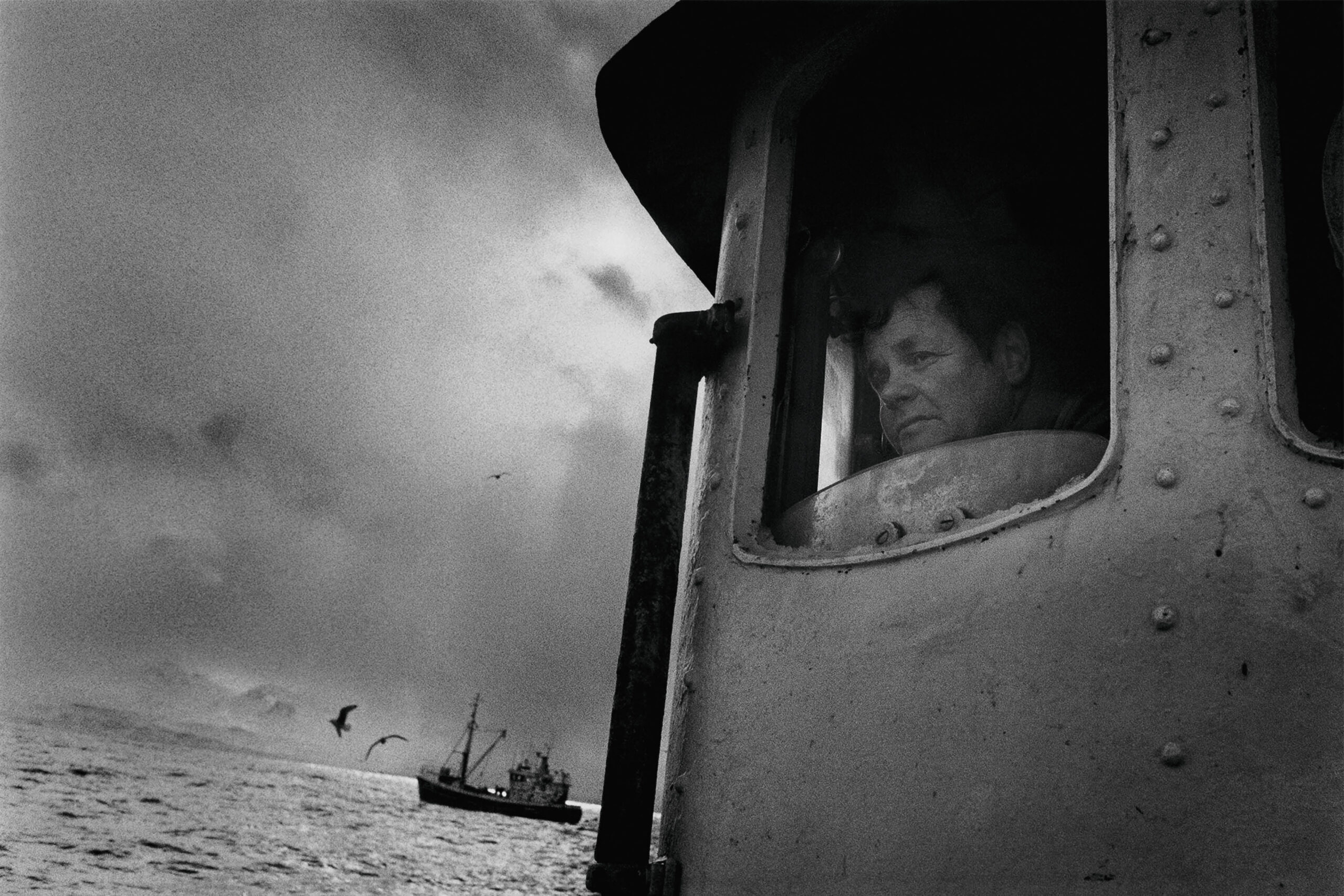
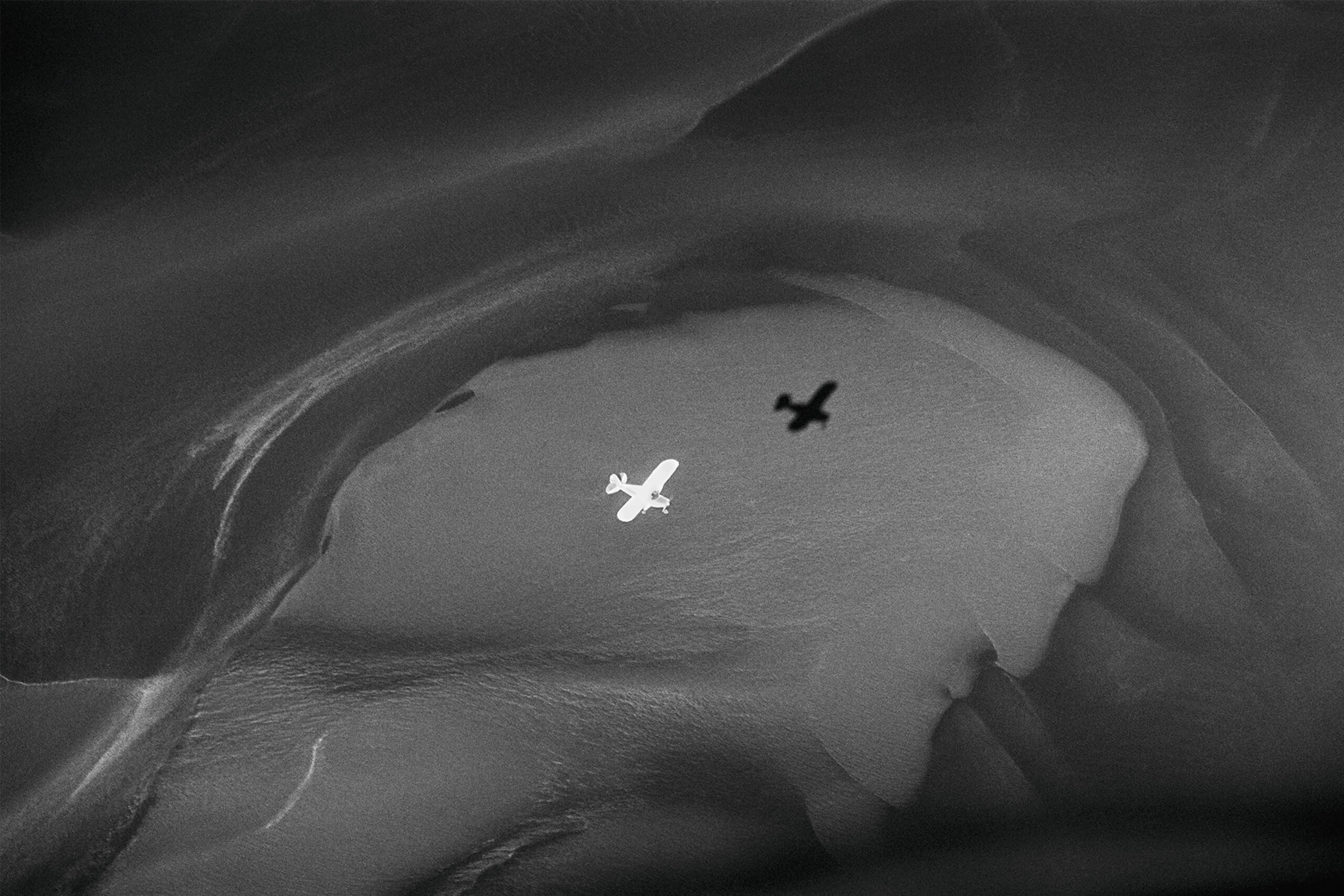
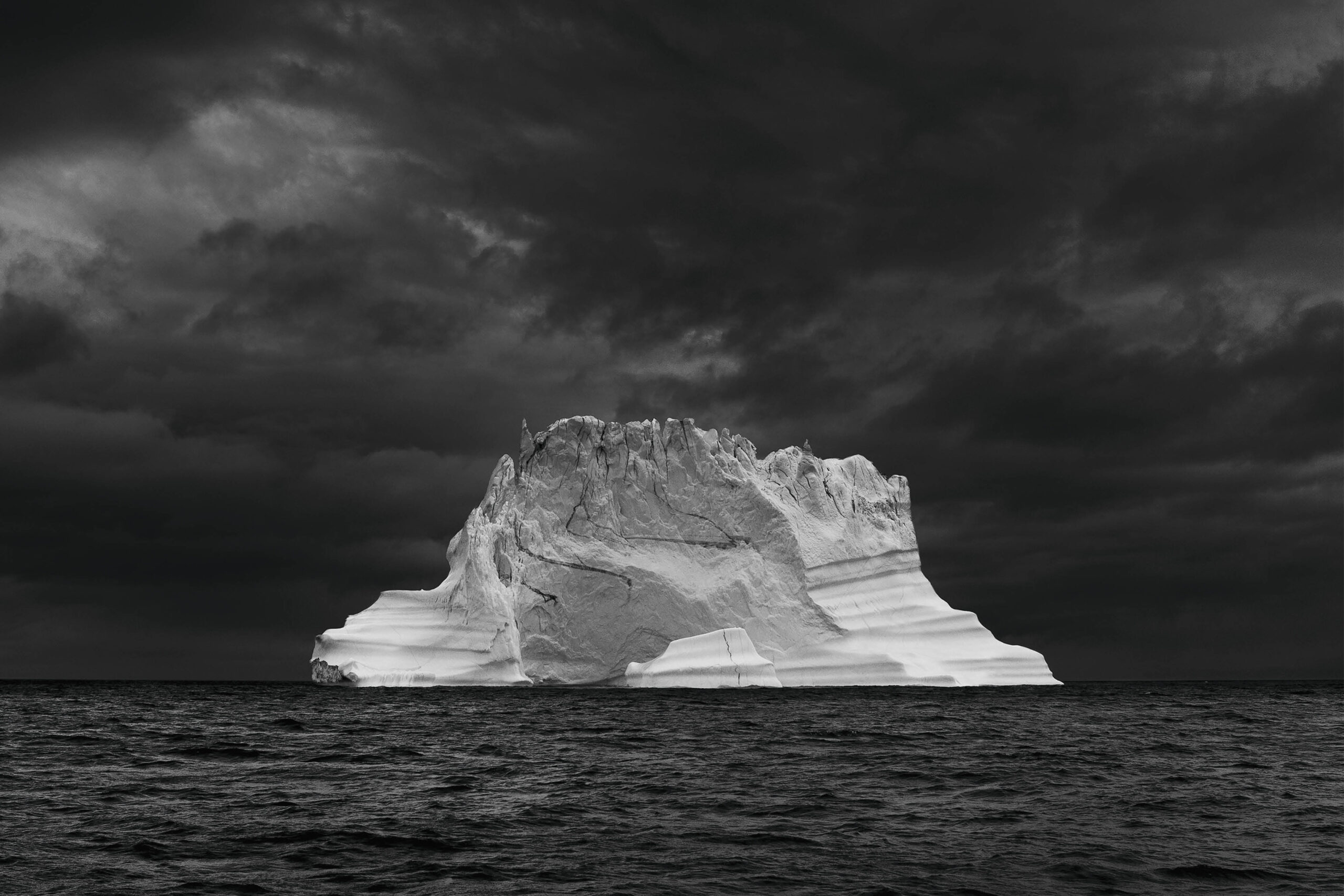
Às vezes, sinto-me um pouco como o Robinson Crusoé numa ilha. A única pessoa com quem ele podia falar na altura era o “Sexta-feira” – seja lá como se chamasse. Mas ele não tinha qualquer interesse em fotografia. Sempre estive meio sozinho. Quando trabalhava no jornal, fui enviado para África e percebi que todos os fotógrafos do mundo estavam lá a tirar as mesmas imagens. Decidi, então, ir para os lugares frios, para onde quase ninguém se dirigia na altura. Hoje, toda a gente vai, andam num bote à volta de icebergs, a fotografá-los. É bonito, e está tudo bem com isso. Mas eu concentro-me nas pessoas e nos seus ambientes.
O que fazes para evitar romantizar essas paisagens?
Estou na maior e mais bela galeria do mundo, rodeado pelos icebergs mais impressionantes. E eu também fotografo essa beleza, mas procuro mostrá-la através das pessoas e do ambiente que as rodeia. Tenho acompanhado a comunidade de caçadores, que está em declínio. Quando cheguei, havia 60 caçadores; hoje são apenas 10, distribuídos por três aldeias.
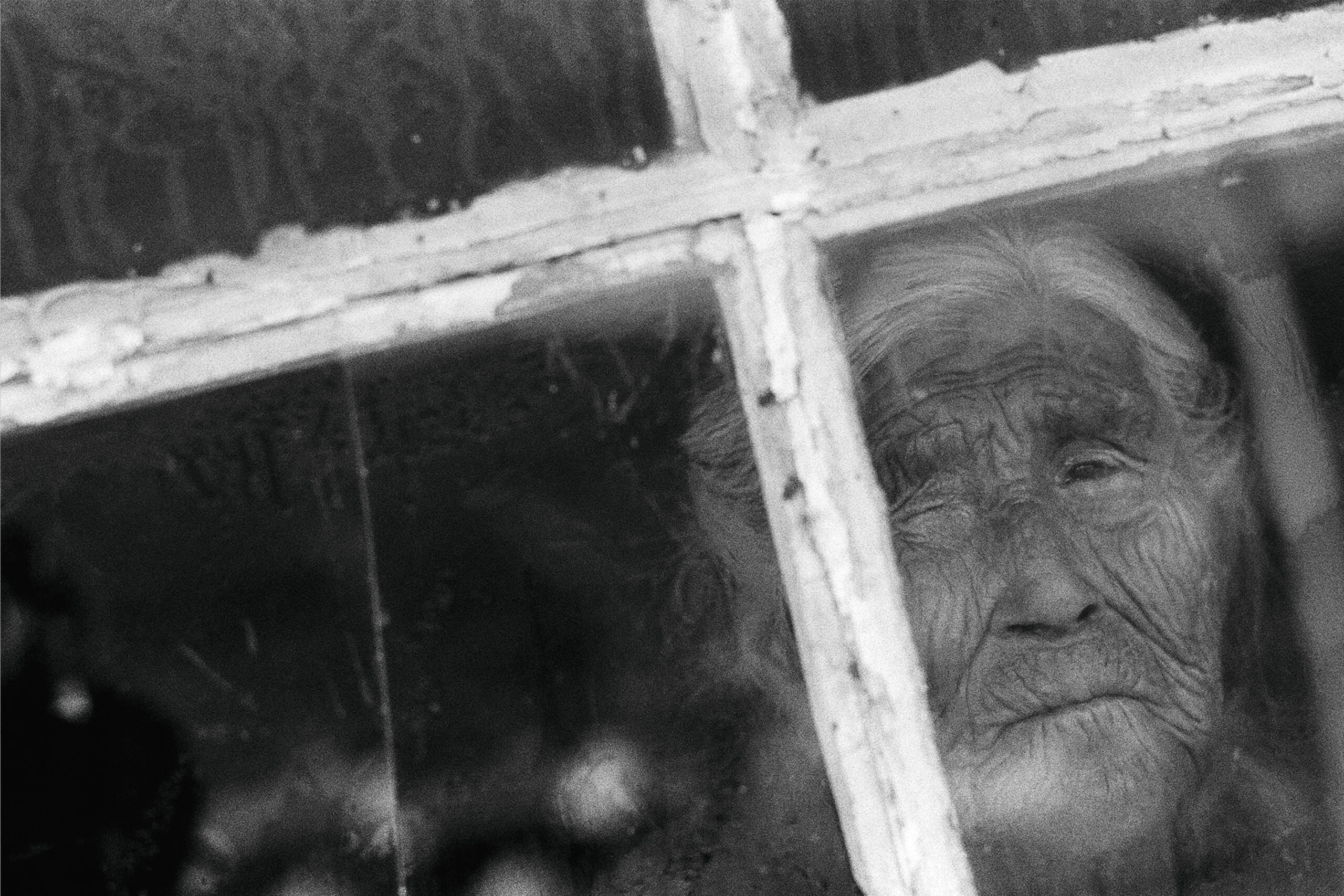
Fotografei o último homem a viver numa aldeia chamada Cape Hope, Cabo da Esperança. Chamava-se Emil Jens. Eu, o meu amigo Hjalmar e mais um caçador atravessámos as montanhas, fomos até à aldeia e levámo-lo de volta – ele ia para o hospital, estava doente e sairia da aldeia. Era o último homem ali. Quando olhou para trás, para a aldeia, disse algo em gronelandês. Perguntei ao Hjalmar: “O que é que ele disse?” E ele respondeu: “Já não há esperança no Cabo da Esperança...” Foi nesse instante que captei a imagem. É um momento importante – as últimas palavras de um homem, o último a abandonar a sua aldeia.
Podemos dizer que as alterações climáticas, que estão na base do teu trabalho, também moldaram as tuas escolhas fotográficas e as tuas prioridades ao longo dos anos?
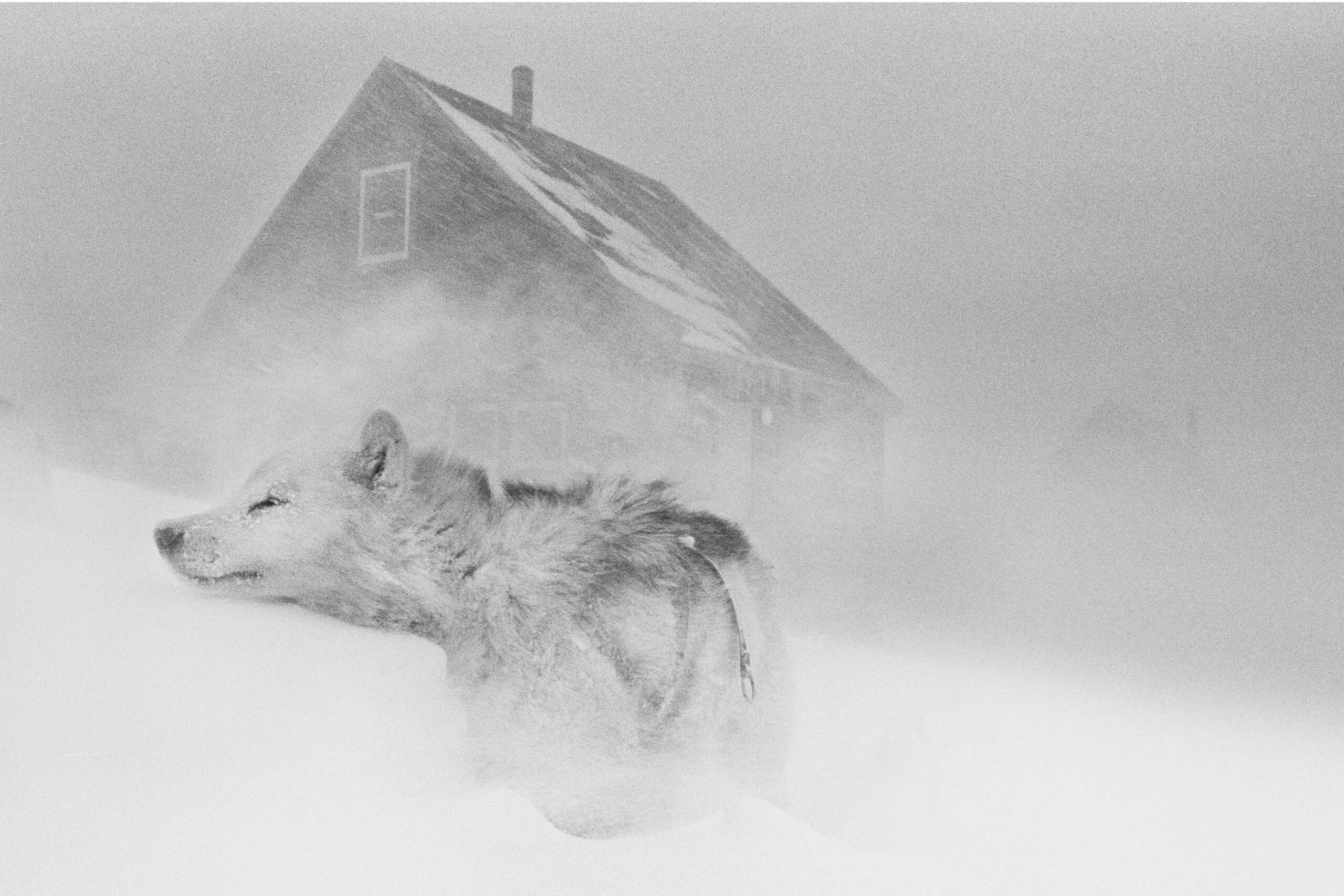
Sim. Acompanharam-me. Há muito a acontecer e muito por fazer. E eu gosto mesmo de fotografar no frio, apesar de ser extremamente difícil. Já fotografei em zonas de guerra — nos Bálticos, quando se disparava nas ruas, com mortos à vista. Eu estava lá a fotografar, e só senti medo depois. Mas isto –fotografar no Ártico – é cem vezes mais difícil. Lutamos contra o frio, contra o ambiente. Quando se fotografa a menos 48 ou 50 graus, não se pode cometer erros. Já congelei muitas vezes, e as mãos ainda doem quando penso nisso.
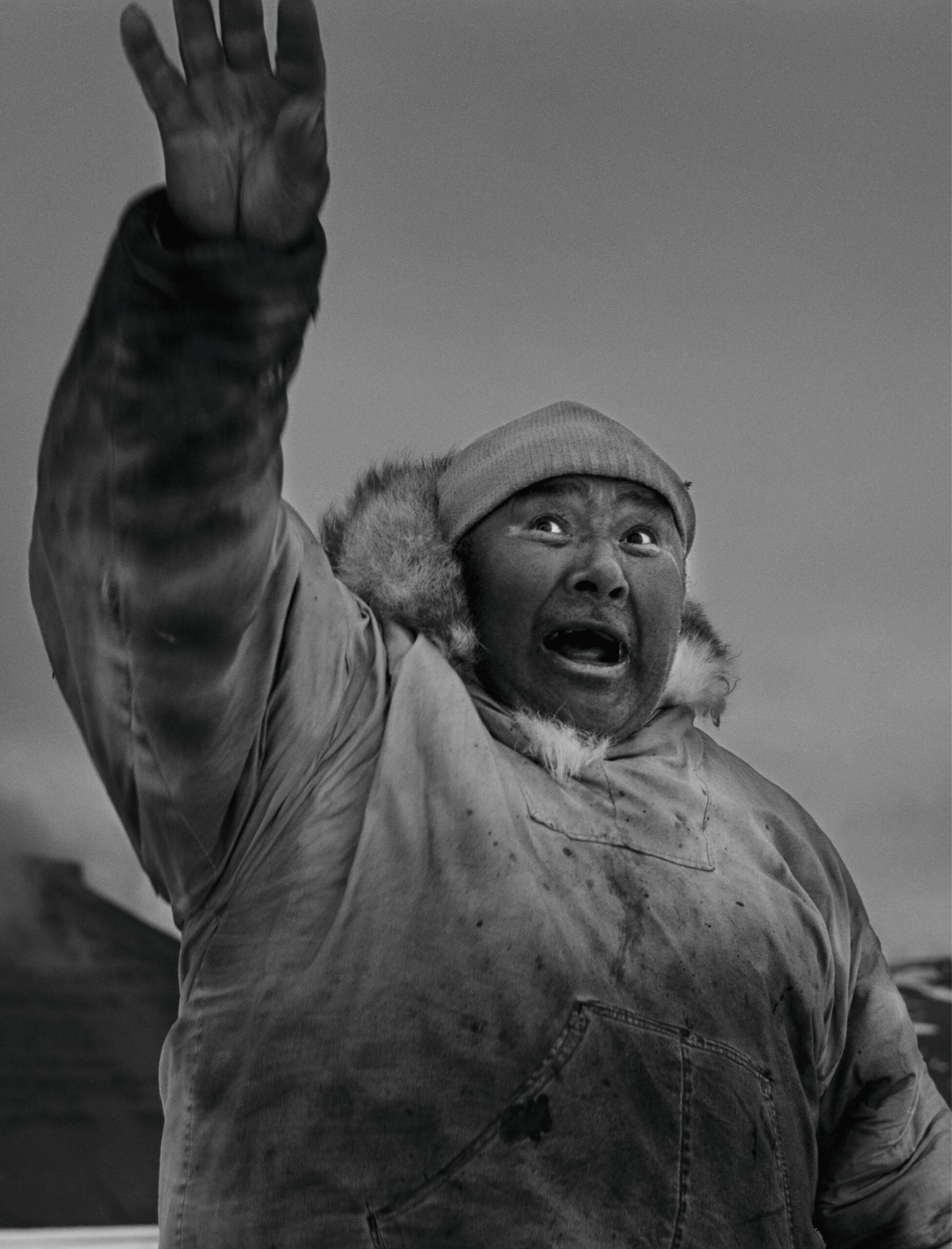
Há uns anos, fotografei um homem em Thule, na Gronelândia. Tirei as luvas durante dez minutos apenas para capturar aquele momento. Adoro essa fotografia, mas também a detesto quando a vejo. É uma imagem poderosa. Olho para ela e digo: “Ah, aí estás tu! Odeio-te, mas também gosto de ti.” Porque dói. Mas valeu a pena. Não se pode falhar.
Que histórias contas no livro The Hunter from Ittoqqortoormiit ?
Esse trabalho retrata o meu amigo Hjelmer Hammeken, provavelmente o homem com o recorde mundial de caça ao urso-polar: apanhou 326 ursos. Segui-o e fotografei-o ao longo de 35 anos. Quando fui pela primeira vez a Ittoqqortoormiit, numa região remota da Gronelândia, havia três pequenas aldeias com cerca de 650 pessoas. Era uma das zonas mais isoladas do planeta. A aldeia mais próxima ficava a 800 quilómetros, e as duas aldeias menores já foram abandonadas; na última vivem agora apenas 325 pessoas.
O Hjelmer escreveu-me um e-mail há uns anos, dizendo que o gelo marinho já não era seguro e que não podiam chegar à outra aldeia. Escreveu: “Tenho saudades da velha Gronelândia.” Sãoessas histórias que me fizeram querer dar-lhes voz no mundo. Porque são, na verdade, um pouco ignorados. Muitas coisas acontecem lá sem que ninguém saiba. Não sei se aquela aldeia vai sobreviver. É insustentável. Fica demasiado longe de tudo, e só há dois navios por ano a levar mantimentos.
O que é que estas pessoas te ensinaram?
Ensinaram-me a respeitar a natureza, a fazer parte dela. E também a ser humilde. É isso que acho belo neles. São tão simpáticos e gentis, na maioria!... Descobri que todas estas pessoas querem ser amigas e perguntam umas pelas outras. Há oito países no Ártico, e agora estão todos a lutar entre si. Acho que os políticos têm de se acalmar e começar a dialogar. Não se pode ignorar a Rússia, por exemplo. É o maior país do Ártico. Seria extremamente estúpidofazê-lo. E, depois, estaremos todos em apuros, porque o mundo inteiro vai acabar por se virar para lá. Não é à toa que os Estados Unidos disseram que queriam comprar a Gronelândia.
Por causa das matérias-primas?
A Gronelândia tem tudo. Tudo o que se pode encontrar no planeta – ouro, diamantes, petróleo, todos os minerais – pode encontrar-se na Gronelândia, debaixo do gelo. A rocha mais antiga do planeta está lá, com 3,8 mil milhões de anos.
Já viste o teu trabalho ter impacto directo nas políticas, ou na perceção pública sobre este tema?
Pode ser que, para algumas pessoas, sim. Estamos também a fazer um filme sobre isto, a acompanhar o livro The Hunter fromIttoqqortoormiit. Começámos a filmar mais tarde, mas é bom vê-lo a falar. Pode ser que alguém o oiça. Mas não sei se dá para falar com políticos. Não sei mesmo. Alguns nem sabem do que estão a falar…
Sentes que está a construir um arquivo visual para o futuro?
Espero que sim. Porque há lugares que já não existem como os fotografei. Isso é História. E aquilo que disse antes – que me sentia como o Robinson Crusoé no mundo da fotografia –continua a ser verdade. Pensavam: “Quem é este tipo, vindo daquela ilha?” Mas não me importo. Se não vêem o que estamos a fazer, o problema é deles. Sei que muitos fotógrafos seguiram para a Gronelândia depois do que eu fiz; alguns até me disseram isso diretamente.
Quando fui lá pela primeira vez, quase não havia fotógrafos. Estive com os caçadores no gelo, a caçar narvais, com roupas de pele e em caiaques – no estilo tradicional. Isso está a desaparecer. Ainda se vê no Norte da Gronelândia, com caiaques verdadeiros e roupas de pele de urso-polar. Mas no Leste da Gronelândia já usam outras roupas – não é a mesma coisa. É como estar a montar uma peça de teatro com os atores vestidos com figurinos errados.
Porquê fotografar a preto e branco?
O meu pai era fotógrafo amador e incentivou-me a fotografar. Eu estava sempre com ele na câmara escura, quando revelava as fotografias, e apaixonei-me por aquele ambiente. Para mim, uma fotografia é muito mais forte a preto e branco. Não há distraçõesda cor. Sei que o mundo é a cores, mas consegue-se criar atmosfera numa fotografia com o burning e o dodging. Passei provavelmente cerca de 15.000 horas na câmara-escura, por isso consigo trabalhar uma imagem à minha maneira. Às vezes demoro imenso tempo até conseguir imprimir uma fotografia exatamente como quero.
Hoje em dia trabalho também com digital, usando tanto filme como câmaras digitais. Nas digitais tento trabalhar como se estivesse na câmara escura. Num trabalho documental, não se pode manipular ou adicionar nada. Mas em preto e branco posso fazer burning e dodging, e faço o mesmo no computador.
O digital faz perder alguma coisa? Ou ganha-se mais do que se perde?
Divirto-me muito com o filme. Quando regresso com 100 rolos, é como se fosse Natal. Ao revelá-los, é como abrir presentes: vamos ver se as fotografias ficaram bem. Agora vê-se logo no visor, mas tento não olhar para as imagens na câmara. Se falhei, falhei. Mas com digital temos muito mais fotografias num cartão do que num rolo. Há algo de especial no filme – é como fazer um disco em vinil em vez de um CD. Mas gosto dos dois.
O que é que a fotografia te tirou? E o que te deu em troca?
É uma boa pergunta. A fotografia é a minha vida. Adoro-a, respeito-a. Admiro muitos fotógrafos em todo o mundo. A minha mentora foi Mary Ellen Mark, fotógrafa americana. A paixão dela era imensa. Trabalhou quase até aos últimos dias de vida – morreu em 2015 – e tinha uma energia que eu não tenho. Eu sou muito ativo, mas ela estava noutro nível. E Eugene Smith, também americano… Há tantos grandes fotógrafos que admiro... Para mim, são como pintores, e acredito que no futuro serão ainda mais respeitados.
Às vezes, penso que o mundo da arte coloca a fotografia em caixinhas, enquanto o documentário não sabe bem onde se encaixa. Mas, se pensarmos bem, Van Gogh, por exemplo, não era também uma espécie de pintor documental? E hoje é considerado um dos maiores artistas do mundo. É algo em que as pessoas deviam refletir. Alguns fotógrafos estão a fazer trabalhos incríveis, que vão perdurar. Mas hoje é mais difícil captar a atenção. Quando os Beatles e os Rolling Stones se tornaram famosos, havia cerca de 3000 milhões de pessoas no planeta. Hoje somos cerca de 8000 milhões. É muito mais difícil destacar-se no meio de tanta gente.
A fotografia também teve o seu preço: vou muito longe para conseguir uma imagem e já me pus em perigo muitas vezes. O problema é que ainda estou em boa forma: tenho 67 anos e sinto-me com 21. Mas já congelei muitas vezes; os dedos doem-me… muitos dos meus dedos dos pés ficaram congelados. Mas faz parte. Sem isso, este trabalho não seria possível.
Partilha uma lição que tenhas guardado para a vida...
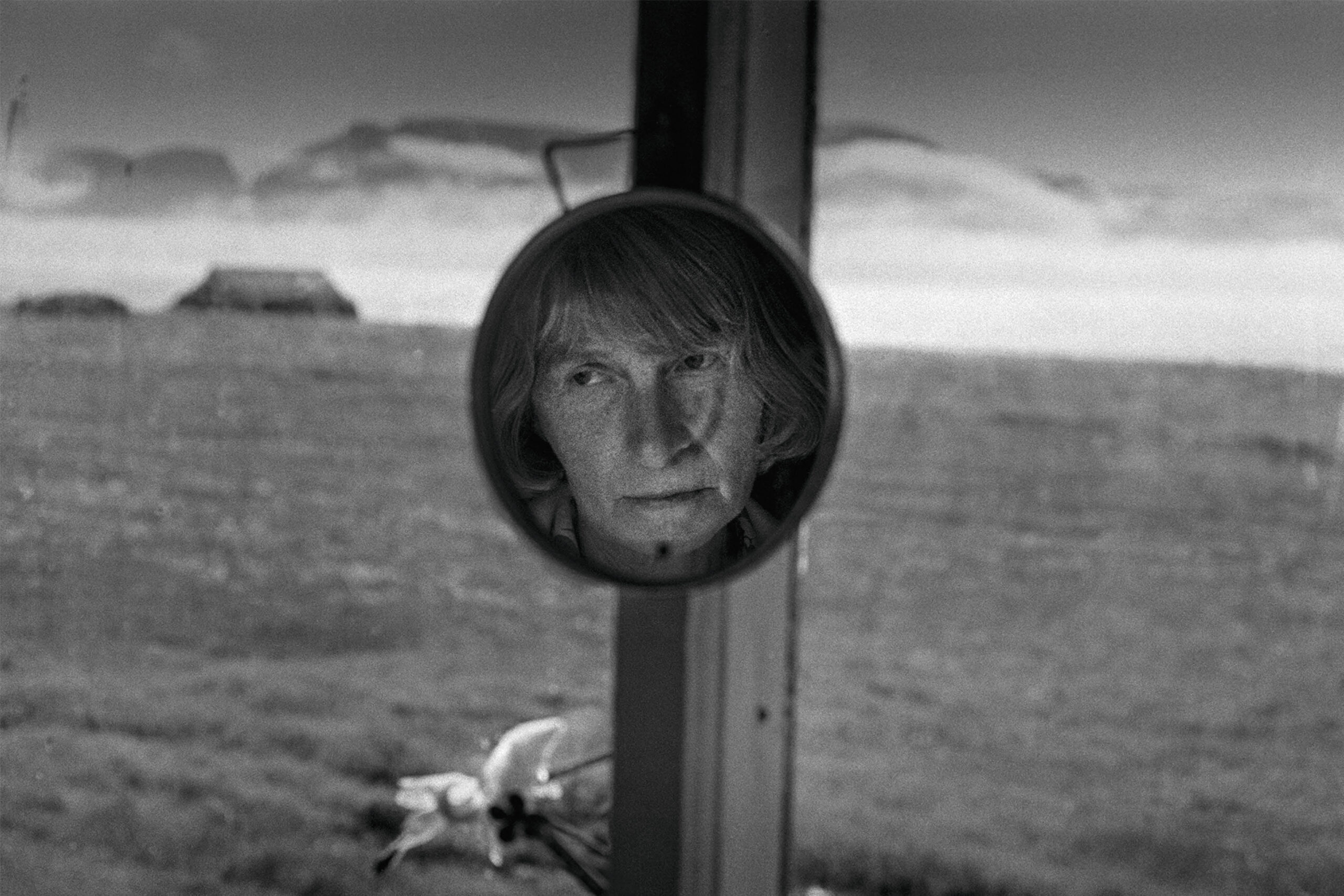
Foi-me dada pelo meu editor, quando comecei a trabalhar no jornal. Era um homem muito inteligente. Um dia disse-me: “Vou dar-te um espelho. Deves espelhar o mundo, não a ti próprio.” Mas algo mudou nos media, alguém virou o espelho ao contrário. Hoje, parte da fotografia tornou-se isto: raparigas e rapazes a abanar o rabo à frente de uma cascata para tirar uma selfie. Para mim, isso é óptimo para um álbum de família, mas não tem nada a ver com documentar a história do planeta. Para mim, esse é o papel do fotógrafo: documentar. É isso que a fotografia deve fazer. E o mundo da arte também devia perceber que a fotografia tem de ser uma voz para o mundo. Pode ser fotografia de rua, de paisagem, o que for, mas tem de dizer algo. Não pode ser apenas uma imagem bonita. Há fotografias que mudaram o mundo. Como a da menina a fugir de uma bomba atómica, ou Tomoko in theBath, de Eugene Smith, que levou à redução da poluição das águas no Japão.
Há imagens que provocam mudanças. E eu espero mesmo que algumas das minhas consigam abrir os olhos de alguém, mostrar a vida no Ártico, dar voz àquelas pessoas. É isso que tento fazer: espelhar o mundo, não a mim próprio. Ao longo dos anos, tenho pouquíssimas fotografias minhas, porque isto não é sobre mim, ésobre o que faço. E se uma única fotografia conseguir tocar alguém, inspirar acção ou gerar consciência, então todo o esforço valeu a pena.