Pedalar o mundo, abraçar a humanidade
Há viagens que se medem em quilómetros e outras em vidas transformadas. Esta junta ambas. A pedalar pela imensa Madagáscar, um paquistanês encontrou-se, mesmo no fim de poeirenta estrada: inspirou quem o segue online e deu vida a um paupérrimo hospital, transformando um local de sofrimento em símbolo de esperança para toda uma comunidade. Kamran Ali, um homem comum que personifica o verdadeiro significado de viajar.
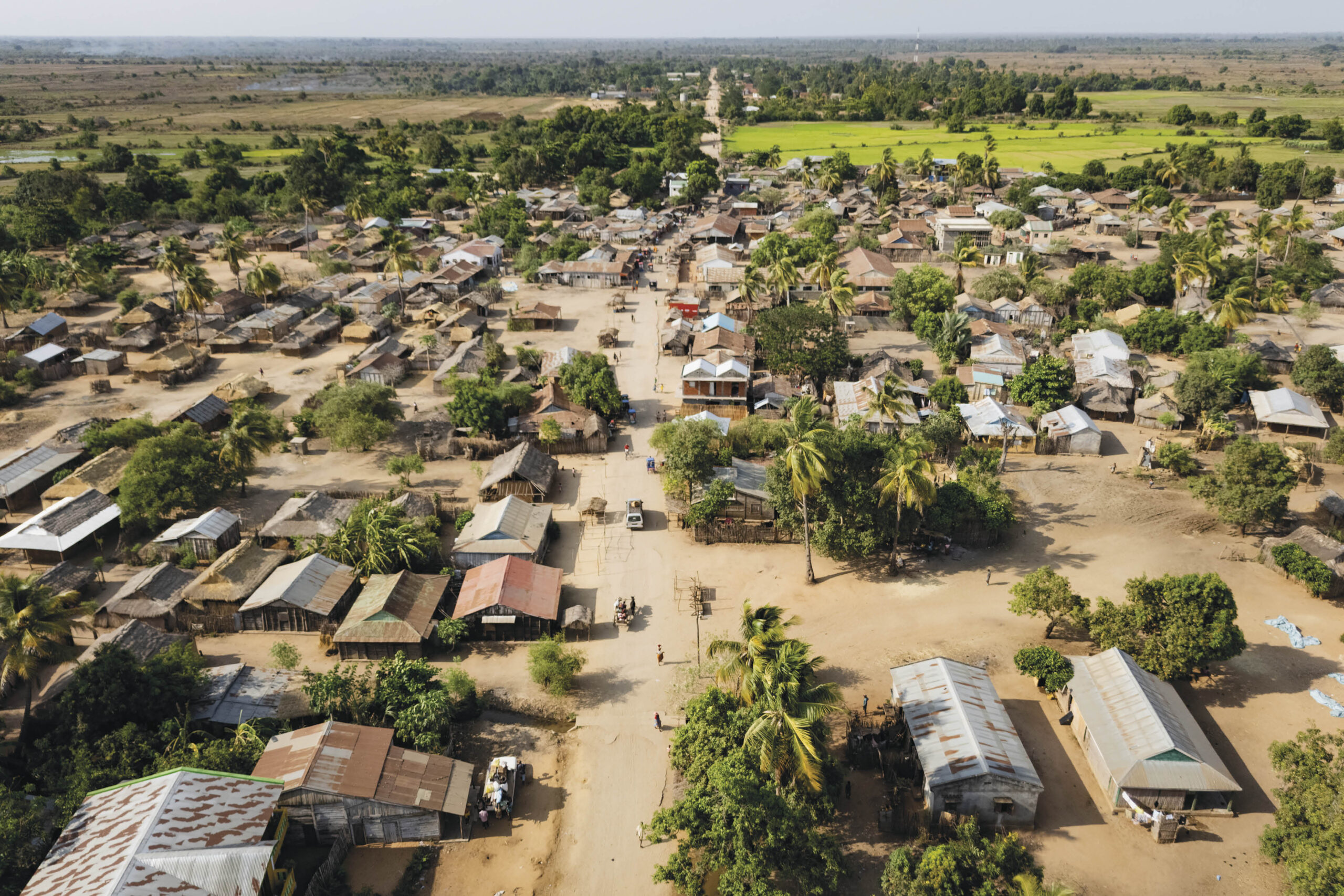
A poeirenta Ankilivalo não vem nos roteiros e dificilmente encontramos esta aldeia no mapa da imensa Madagáscar. É muito remota e de complicado acesso. A espécie de estrada de terra batida é tortuosa, sobretudo na época das chuvas, simplesmente intransitável. Por tempo indeterminado.
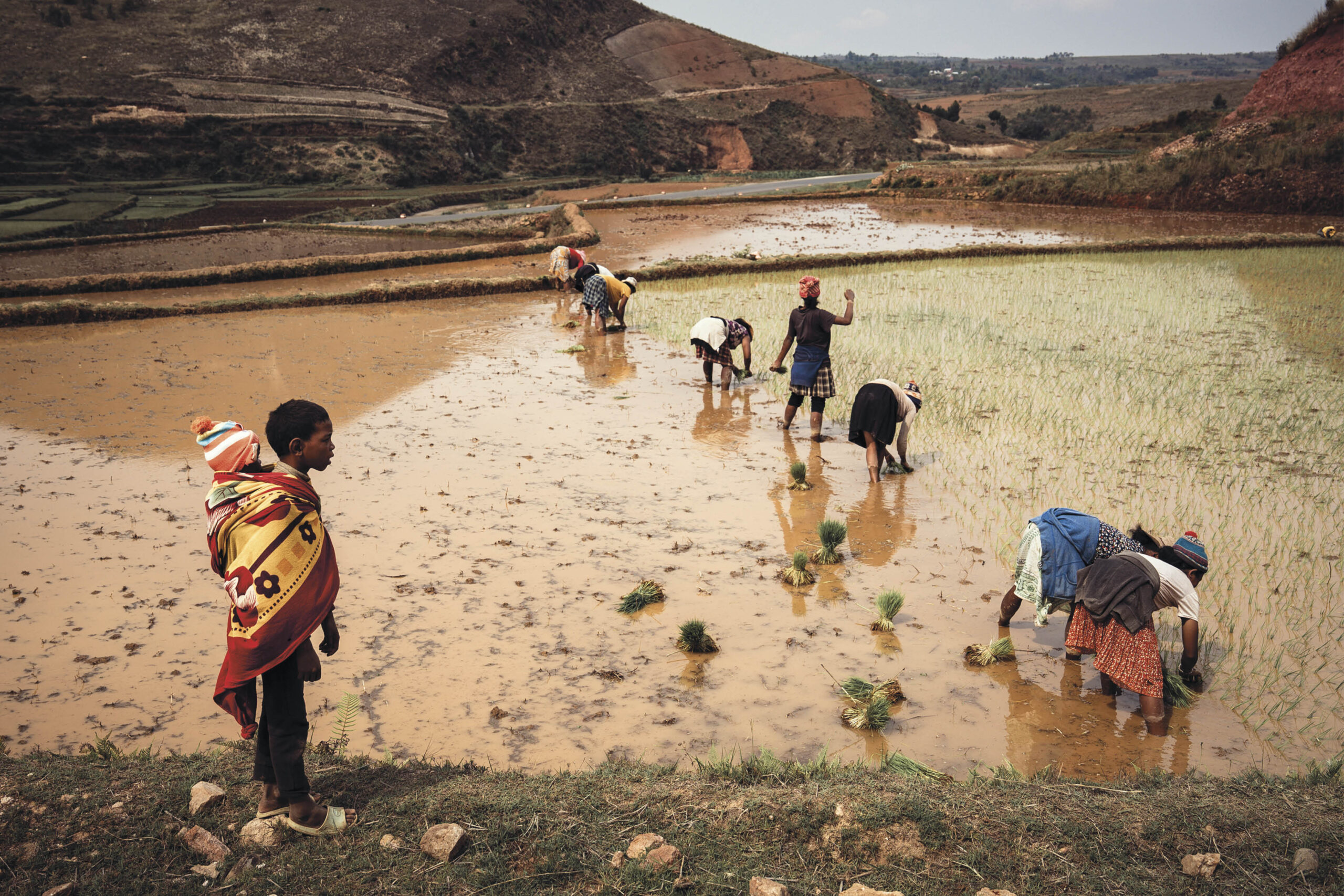
O profundo isolamento da região permite-lhe uma única benesse, a de ter um pequeno e modesto hospital, ao qual acede gente de toda a região. Amiúde, chegando aqui após vários dias de viagem, a pé. Nos casos mais graves, em carroça puxada por carro de bois. É o exemplo perfeito da ruralidade de um dos mais pobres países do mundo, no qual 80% da população vive com menos de dois euros por dia.
Há anos que o coração de Kamran deixou um estilo de vida convencional. Escolheu explorar o mundo, de bicicleta, e alimentar-se dos milhares de sorrisos que a sua empatia também vai provocando nas largas dezenas de países que percorreu.
O seu derradeiro sonho: atravessar África, percorrer parte dos seus 54 países. Viveu imenso para contar nas deambulações que o levaram ao extremo Sul, à mítica Cidade do Cabo. Quando tem que pensar no que vem a seguir, aceita o repto de vários compatriotas para os visitar em Madagáscar. A gigante ilha vermelha está há longo tempo nos seus desejos. Programa ficar somente duas semanas. Delonga-se por muitas mais. Afinal, no seu Paquistão, não tem quem o espere…
Chamar hospital a uma precária infraestrutura com quatro débeis paredes é algo exagerado. Sem mencionar o seu periclitante telhado, com abafadas placas de zinco, ou todo o escasso recheio do decrépito edifício.
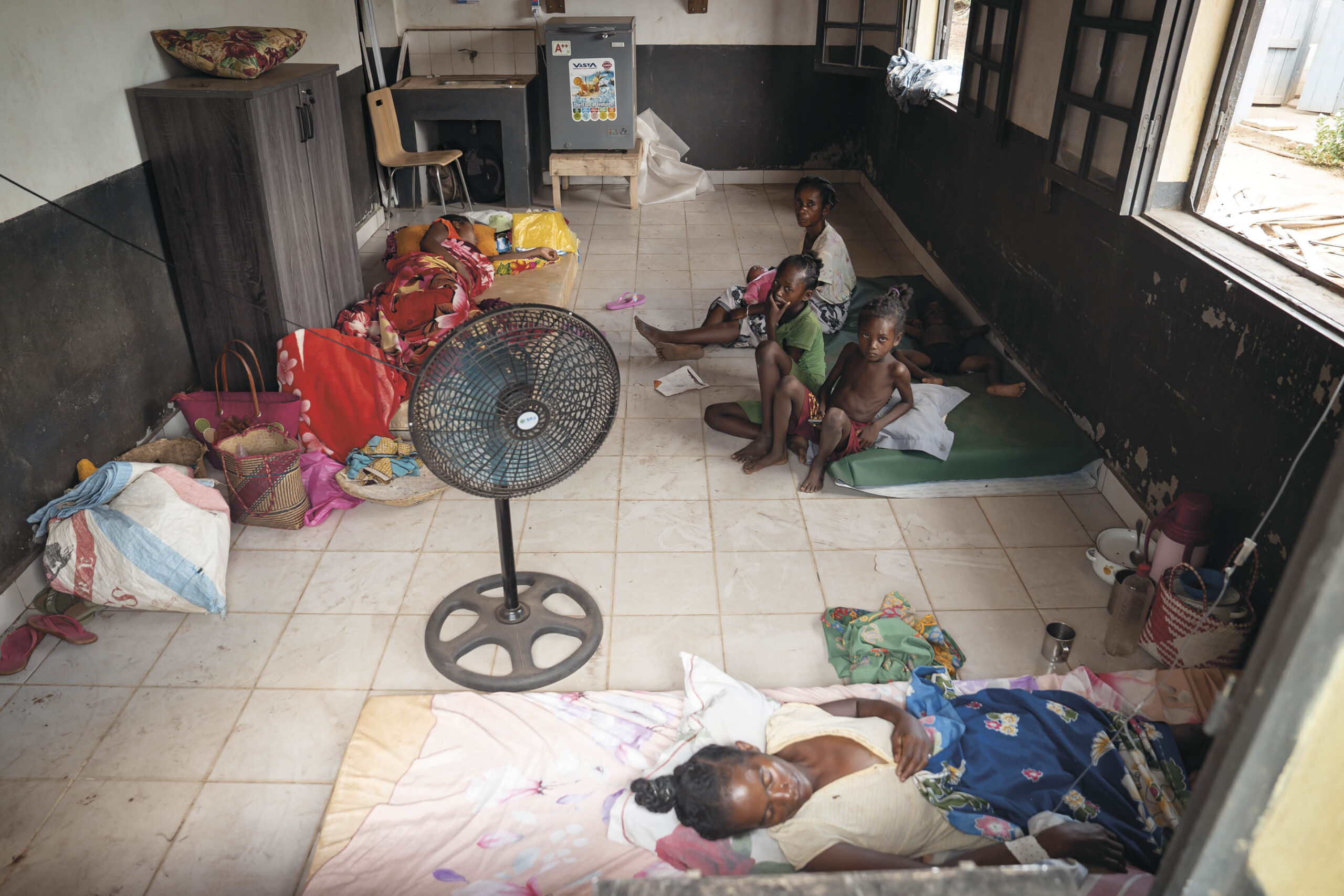
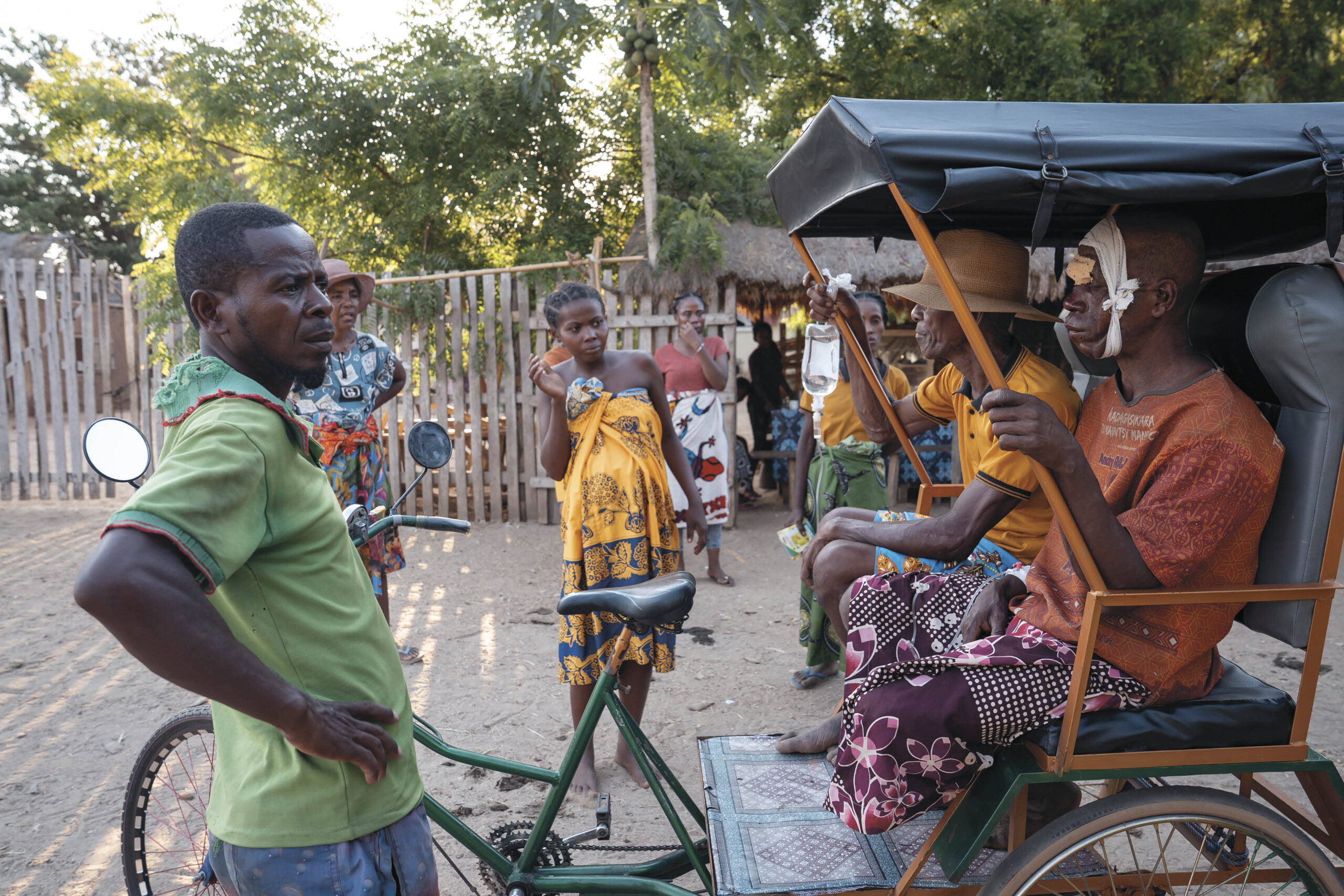
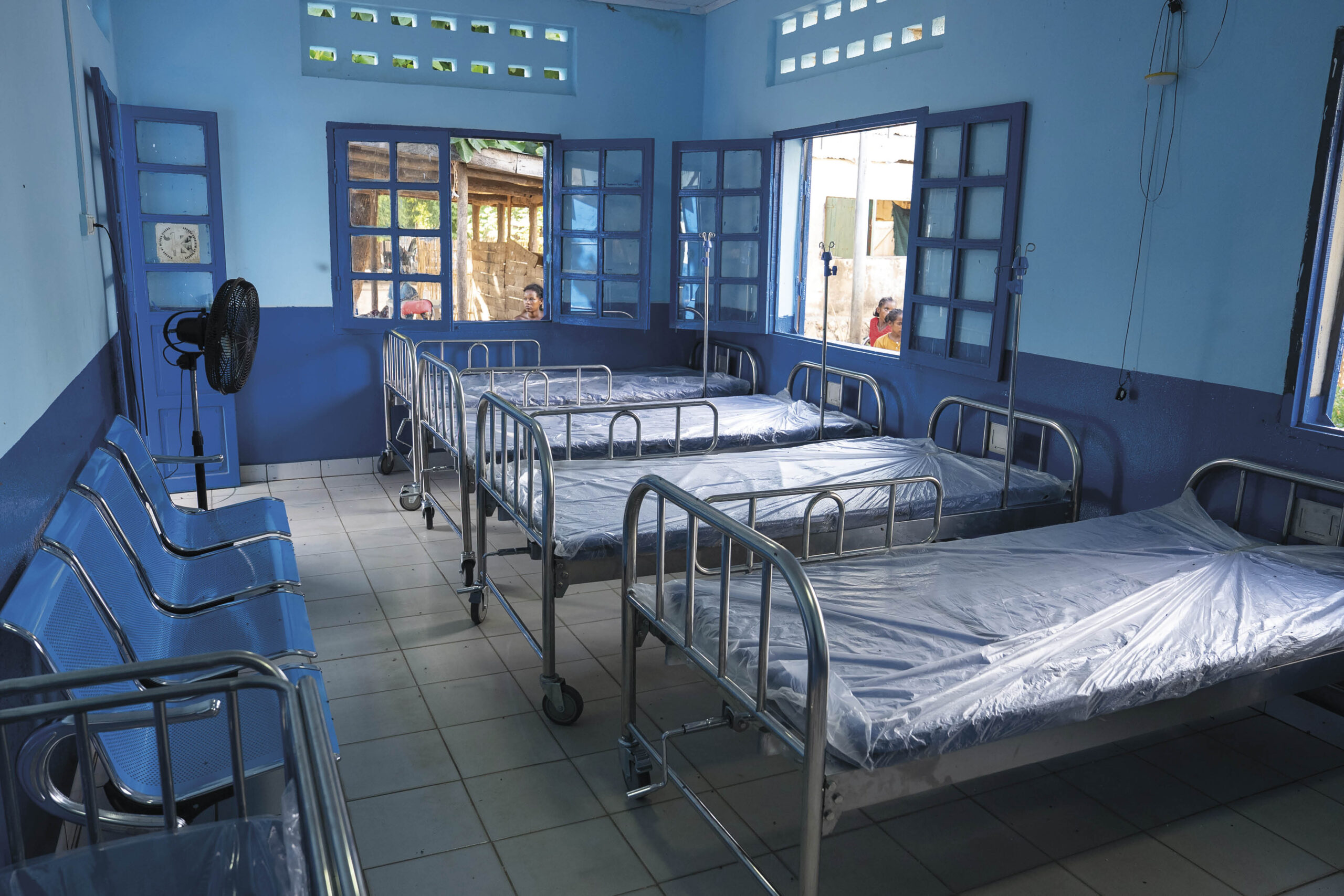
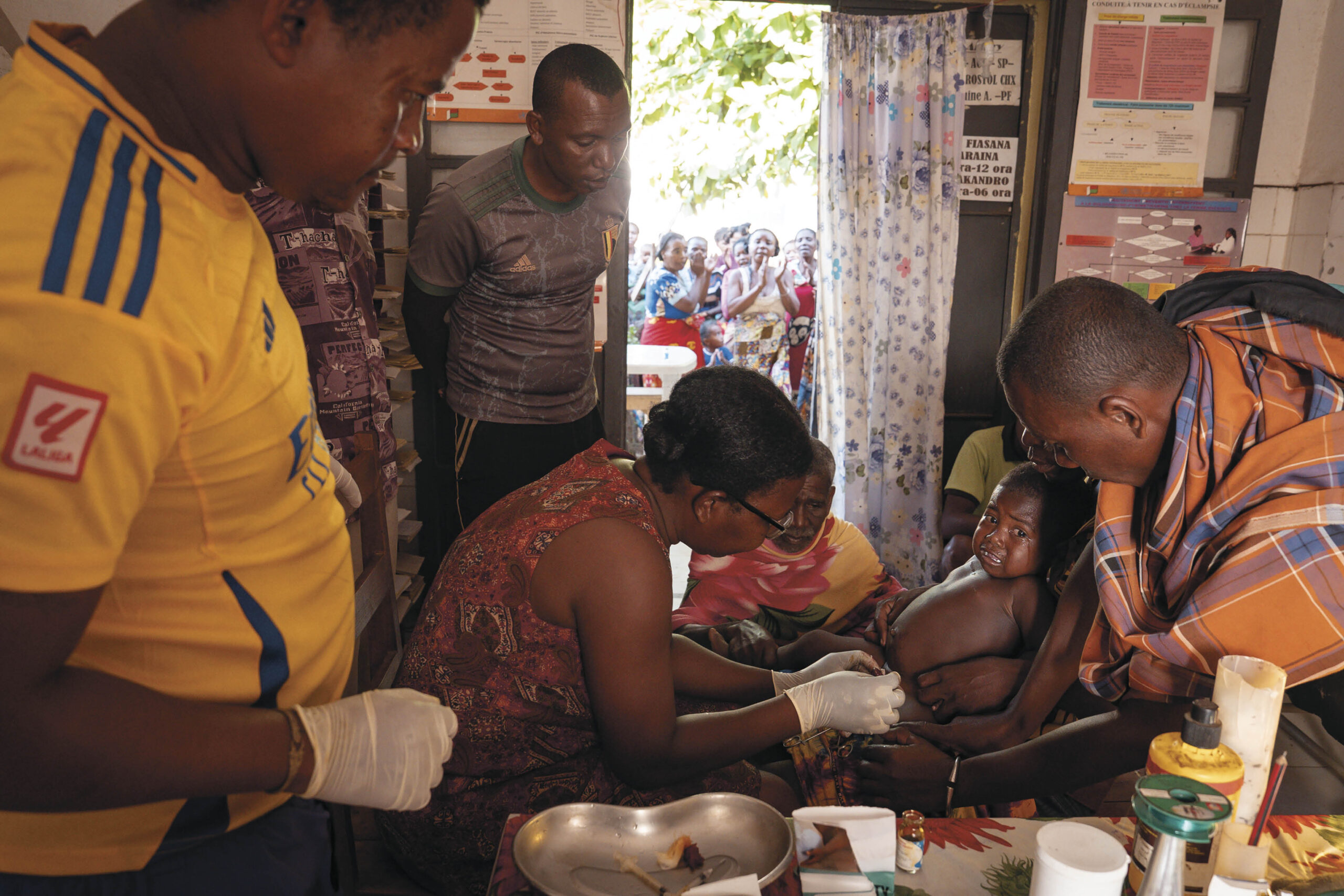
O calor é amiúde tão sufocante que se sofre mais internado do que no exterior. As temperaturas superam, regularmente, os 40 ºC, não há brisa atenuante e a humidade tem fama de ser elevada. Um inferno com meras seis camas, regularmente para mais de 50 internados, todas sem colchão. A de parto tem somente molas e estrutura de metal, simples ferro enferrujado. Não há eletricidade, nem ventoinha. Não estranha que muitas grávidas dêem à luz no chão, numa esteira debaixo de uma frondosa árvore, com melhores condições. Os pacientes dormem no chão ou ao relento… com sorte, podem ser deslocados para uma escola. Identicamente sem a dignidade mínima, sobretudo após ter sido afetada por um ciclone.
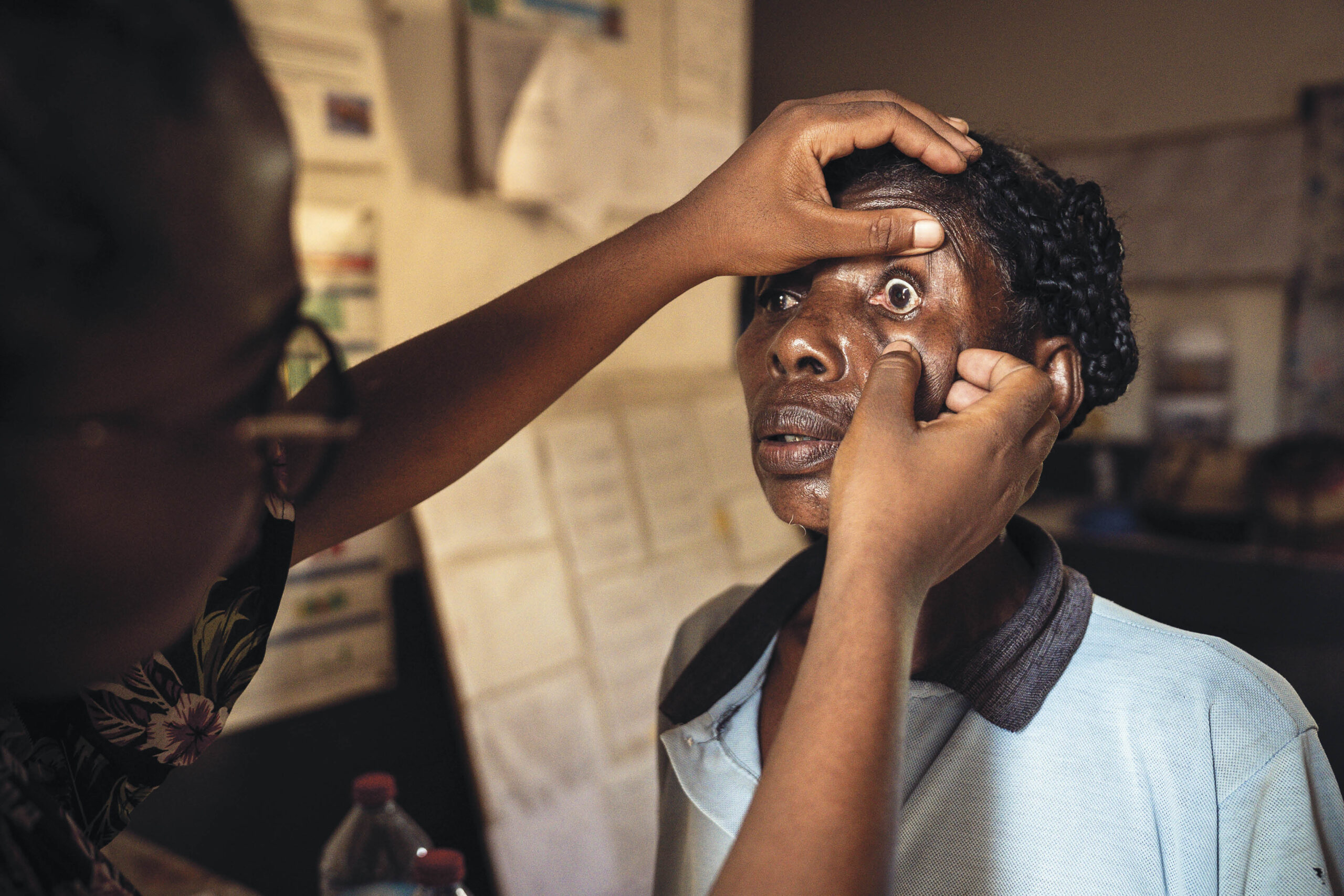
Rahaingomalala é médica. Na verdade, uma Humanitária — com um H tão grande quanto as necessidades desta nação. Estudou oito eternos anos na universidade para o privilégio de receber perto de 200 euros por mês. Com direito a casa, claro. Um luxuoso cubículo de seis metros quadrados, sem luz ou ventoinha ou qualquer móvel. Não tem cama, mesinha de cabeceira ou algo que lhe dê algum conforto. Dormindo numa esteira que apenas cobre o chão.
É a única médica na região. Disponível 24 sobre 24 horas. Sem dias de repouso, muito menos férias, luxo inexistente por estas latitudes. Na prática, uma vida plenamente dedicada a uma causa bem superior.
Na Noruega, o rácio é de um médico por cada 200 habitantes. Em Madagáscar, um para 5000. Neste caso, Rahaingomalala tem a seu cargo oficiais 27.000 pessoas, boa parte a viver (muito) abaixo do limiar da pobreza.
Kamran deixou a capital Antananarivo e está há 11 poeirentos dias a pedalar, uns 750 quilómetros até que o corpo exige descanso suplementar. Rahaingomalala está em Morondava, a cuidar de assuntos burocráticos do seu ofício.
O acaso junta-os num restaurante. Perceberão que falar com estranhos pode virar a nossa vida do avesso. Kamran é desafiado a visitar o hospital. Ouve o contexto e não consegue ficar indiferente.
“Diz-me que as pessoas nem dinheiro têm para comprar um paracetamol. Que pedem empréstimos a amigos e vizinhos para obter um simples par de comprimidos”, ilustra.
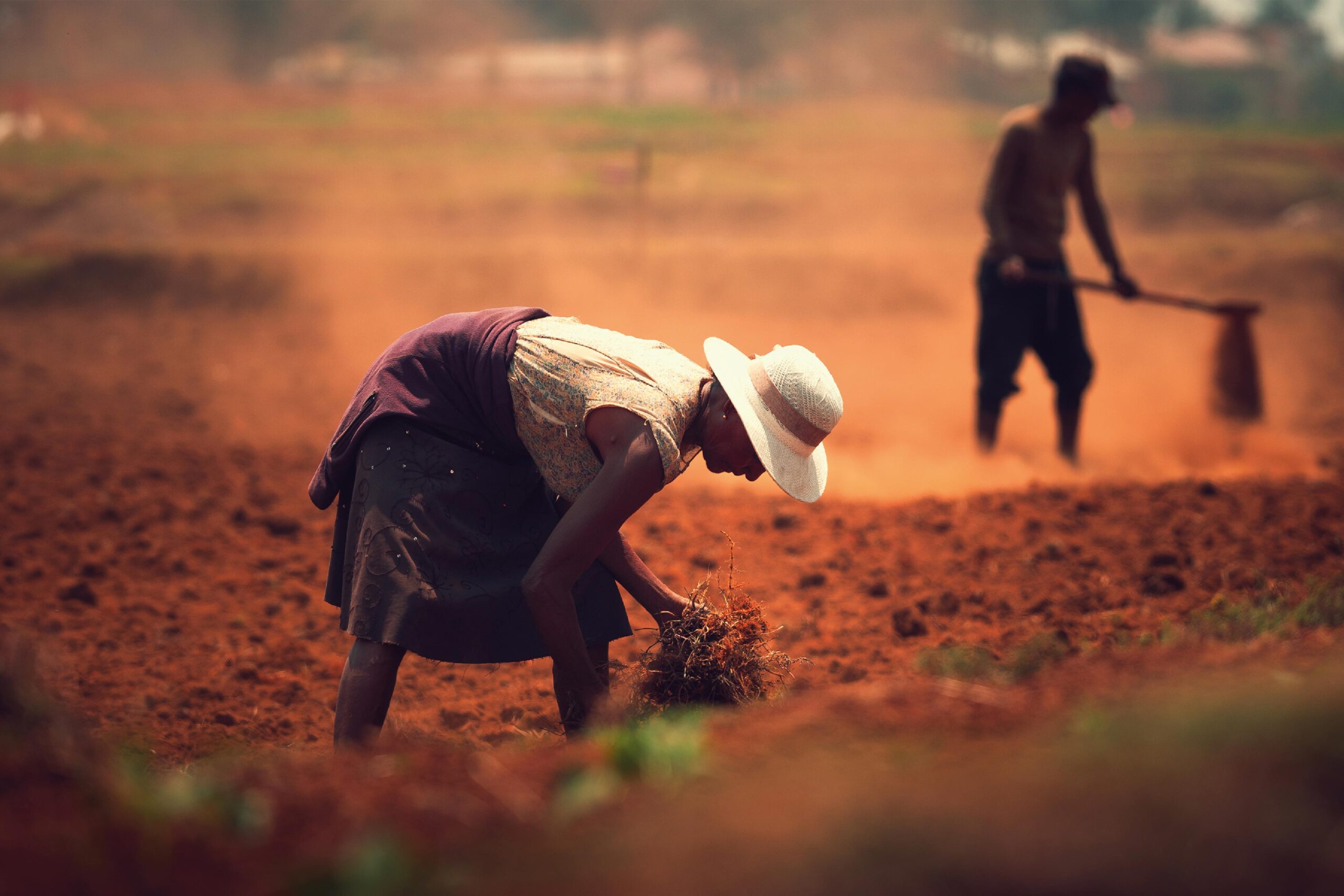
Da carteira que não está farta retira 50 euros para levar alguns medicamentos. A saúde é gratuita, a cura não. E, na verdade, estamos num mundo onde o conceito de dinheiro não é valorizado: os locais cultivam a terra e trocam os bens e produtos.
Quando chega a Ankilivalo, província de Mahabo, Kamran depara-se com uma realidade ainda mais dura do que a bem difícil que imaginara. Uma das primeiras, deparar-se com adultos e crianças a comer arroz cozido.
Uma das mães subnutridas não consegue produzir leite. O seu bebé recém-nascido não para de chorar e de perder peso dia após dia. Sem uma bomba de sucção para o peito, a solução é adaptar uma seringa para tentar extrair do seu seco peito umas míseras gotas de leite para alimentar o bebé. Não está a resultar. “Sem leite artificial, morreria. Se eu não tivesse tomado essa decisão rápida, também. A família não tinha dinheiro para comprar leite. A verdade é que no dia seguinte o bebé já sorria e dava pontapés”.
Alegria por pequena vitória, rapidamente abafada pela corrosiva sensação de impotência. É no Instagram, onde tem cerca de 200 mil seguidores, que este errante paquistanês desabafa, partilhando um story sobre a experiência.
“Não pedi absolutamente nada a ninguém. Não criei qualquer campanha. Simplesmente, as pessoas começaram a contactar-me e a dizer que gostariam de contribuir, de ajudar. Do nada, começaram a enviar-me dinheiro”, conta.
Rapidamente, juntam-se 400 euros, transformados imediatamente em mais medicamentos. O acompanhamento da ação nas redes motiva cada vez mais seguidores a contribuir. Cinco, dez, 20, 100 ou 200 euros.
“A torrente de donativos não parava e aí comecei a pensar. ‘Ok, porque não comprar alguns colchões, para melhorar o conforto e dignidade dos pacientes?’”. Em dias, surgem colchões, almofadas e lençóis.
Ao ritmo que a conta cresce, aumentam também as áreas de ajuda para a comunidade, nomeadamente produtos alimentares. Além de não terem comida, os doentes são, invariavelmente, acompanhados por familiares ou amigos, igualmente sem meios para refeições. É assim que chegam dois enormes sacos de arroz, feijão, óleo de cozinha, ovos, sal… tudo o que ajude a mitigar as condições. Para as mulheres grávidas ou que deram à luz, habitualmente mal nutridas, acrescenta-se o leite em pó.
O bolo continua a crescer e chega o dia em que a opção recai em painéis solares, luzes para todas as divisões e ventoinhas — um luxo nunca antes disponível. A luminosidade torna-se extensível ao espaço exterior, para beneficiar igualmente os pacientes e familiares destes aqui instalados. É adquirida ainda a primeira máquina de ultrassons de um hospital público em todo o distrito. O concentrador de oxigénio, o extrator, o nebulizador, todo o tipo de coisas.
“95 por cento do equipamento do hospital é novo”, regozija-se. Foram obtidos cintos de última geração e camas com colchões. E armários. E mesas. Uma cama para partos. Berços. Bancos para os utentes e familiares se sentarem. “Vi muita gente com vida sub-humana, como se fossem insetos. Testemunhei muitas situações de partir o coração, como mulheres grávidas em duro sofrimento e sem terem o que comer”, relata.
A viagem vai longa, a pele está ainda mais queimada pelo sol e as brancas ganham terreno na barba, um declínio físico antagónico à moral que o impele: “Com muitos donativos, de poucos euros até às centenas, conseguimos transformar este hospital, a ponto de dizerem que é o melhor do género em todo o Madagáscar”.
Quem não pode pagar a medicação, já há solução para ajudar. Foi ainda contratado um responsável para limpeza diária, o telhado substituído, paredes interiores e exteriores pintadas. Quando é necessário, há um fundo para apoiar quem precisa de um tratamento mais específico na capital.
Com o renovado projeto de saúde a ser otimizado e o dinheiro que continua a chegar, ultrapassando já os 30 mil euros, surge a ideia de adquirir uma carrinha e adaptá-la para um hospital móvel, como vira no Lesoto. Motorista, enfermagem, medicina e algum equipamento. Vacinas e medicação.
A generosidade deste muçulmano em terra de católicos atinge novas proporções quando agora aposta na escola, pagando salários aos docentes que muitas vezes não os recebem. “Há sempre alunos sem capacidade para pagar a propina, de 60 cêntimos. Ou porque a família é pobre, ou porque as colheitas não correram bem ou estão atrasadas…”.
De uma assentada, paga um mês aos dez professores da escola — um investimento de 200 euros…
“Muitas pessoas nunca serão o que poderiam ser. Também há muitos génios em Madagáscar, mas provavelmente nunca foram à escola. Ou podem ter morrido na infância. Talvez estivessem tão mal nutridos que tivessem um crescimento atrofiado… Se as crianças não forem saudáveis, não podem ir aprender, pelo que o seu futuro está condenado. E os adultos só podem tomar conta da família se tiverem saúde, se não morrerem”.
Todo o trabalho humanitário só faz sentido quando se promove o desenvolvimento da comunidade, para que as pingas da ajuda não se evaporem no imenso deserto da profunda carência.
“Também estamos a pensar em adquirir um pequeno trator, já que aqui o trabalho é unicamente manual. Esse investimento pode ser fundamental, ter impacto significativo na saúde económica da comunidade”, afiança, já focado num ideal mais amplo, de contribuir para toda uma pequena sociedade em modo metamorfose.
Relata que apesar das extremas dificuldades, as pessoas persistem no sorriso, não se queixam, fazem o seu melhor e são extremamente solidárias, atitudes que “transformaram” a sua alma.
Os desafios de Kamran não terminam por aqui, pois este é um trabalho constante e promete manter-se dedicado para todo o sempre.
“O mais incrível é que, efetivamente, um único indivíduo pode realmente fazer a diferença. Quando dizemos que é difícil mudar o mundo e que estamos sozinhos, a verdade é que tudo depende de nós, da nossa convicção em alterar isso. Nascer em Madagáscar é, a todos os níveis, injusto. Só quero contribuir para dar mais luz à existência daqueles com os quais me cruzo”, afiança.
Não entende quem viaja sem se envolver com as comunidades e lugares. Quem não vê o outro e se foca somente no seu umbigo. Não se conforma com egocentrismos acima dos valores do humanismo. E com o lamento sem ação.
“Também comecei a andar pelo mundo apenas por mim, para mim. Provar que era capaz de uma série de coisas. Entretanto, as aventuras sucedem-se, crescemos e a viagem torna-se num exercício espiritual. A certa altura da vida somos impelidos a pensar. E a ter empatia pelas comunidades que visitamos, pelas pessoas que vamos encontrando na estrada. Isso obriga-nos a fazer, a agir pelos outros, termos a capacidade de fazermos um pouco a diferença”, conta. E acrescenta: “Quando, através das redes sociais, temos a possibilidade de levar a nossa voz aos quatro cantos do mundo, devemos fazer-nos ouvir. Usar as nossas plataformas para dar, não exclusivamente para receber”.
Lembra que África é crua, porém resiliente. Com milhões a viver abaixo do limiar da pobreza, ainda assim a sorrir-nos. E compara essa realidade com a dos “desnecessários” luxos ocidentais, sem nos trazer a devida leveza de espírito, sentido de vida.
“Sinto-me profundamente pesaroso quando as pessoas gastam a sua energia em meras coisas fúteis – isso é mais uma doença ou um vírus – quando poderiam construir algo de bom, do pouco fazer magia, transformar este mundo num lugar melhor. E isto é válido para toda a gente. Como é triste ver quem viaja a fazer coisas só porque outros o fizeram antes… ou pela suposta presunção de serem os primeiros a fazê-lo. Também consigo ficar em bons hotéis, ser pago para uma viagem de luxo e limitar-me a publicar uma foto com um cocktail na mão e uma legenda agradável… mas não desejo uma vida tão fútil, vazia de significado a esse ponto”.
Há dias, Kamran contactou-nos, eufórico, porque encontrou o lugar para erigir um novo hospital, que será impulsionado pela sua comunidade online, igualmente em zona rural carenciada, a uns cem quilómetros de Ankilivalo.
Kamran tem deixado “suor, sangue e muitas lágrimas” em Madagáscar, sendo, também por isso, um exemplo a replicar em qualquer cultura ou latitude do planeta. E só pensamos em como o podemos apoiar na sua missão de contribuir para um mundo melhor. E agradecer-lhe um milhão de vezes pela inspiração.
“Vemos o mundo, desfrutamos do mundo, mas não viajámos verdadeiramente se nesse longo caminho não mudarmos o nosso coração. Estaremos a fazer turismo, nunca a viagem”. Kamran, o homem comum que nos mostra o verdadeiro significado de viajar.