Génesis ou a volta ao mundo em rascunhos de luz
Se “não existe uma forma correta de viajar”, Andrei Polessi segue por esse mundo fora sem ensaio, errando e aprendendo. Rascunho, dizemos nós, cúmplices, também é um livro de fotografia.
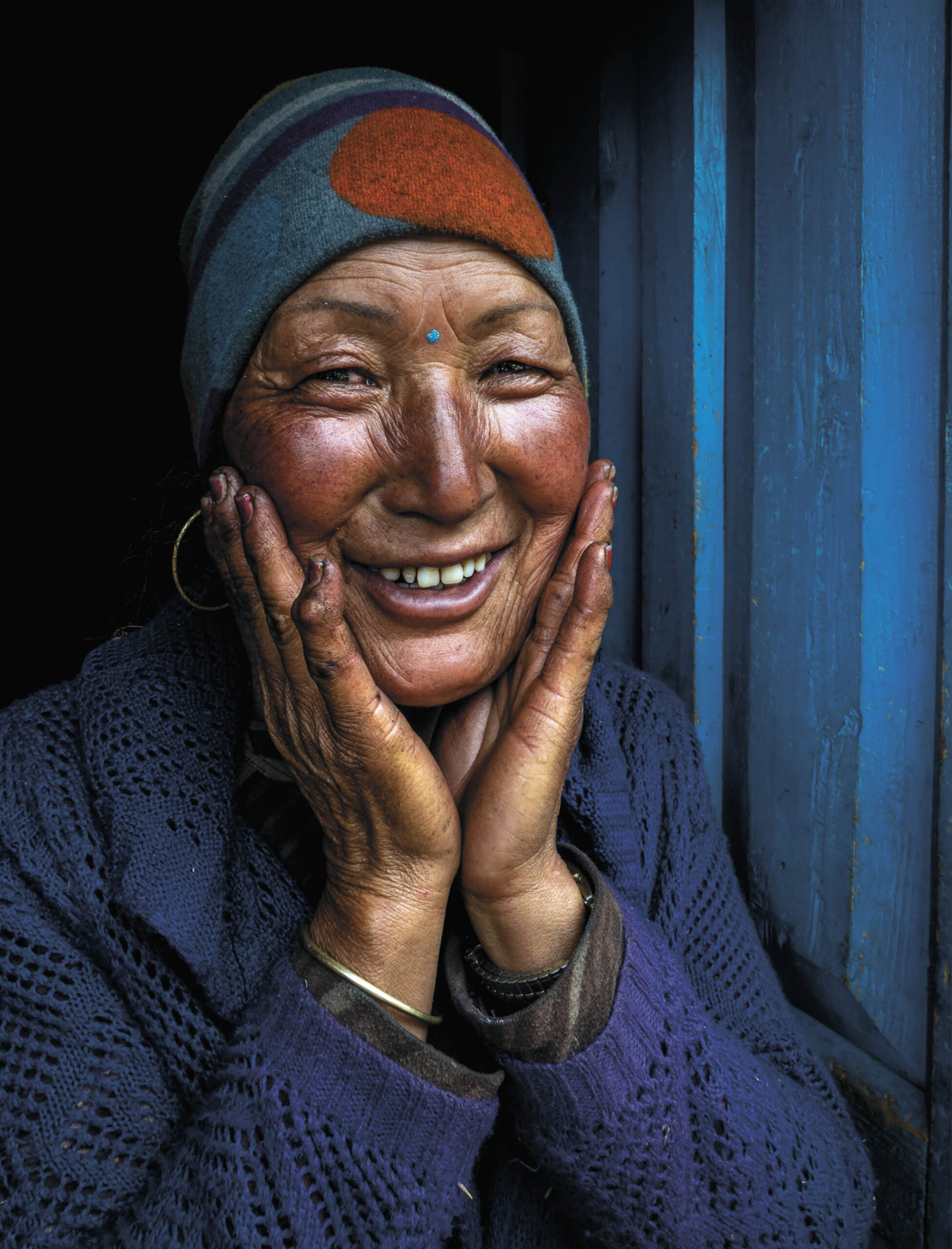
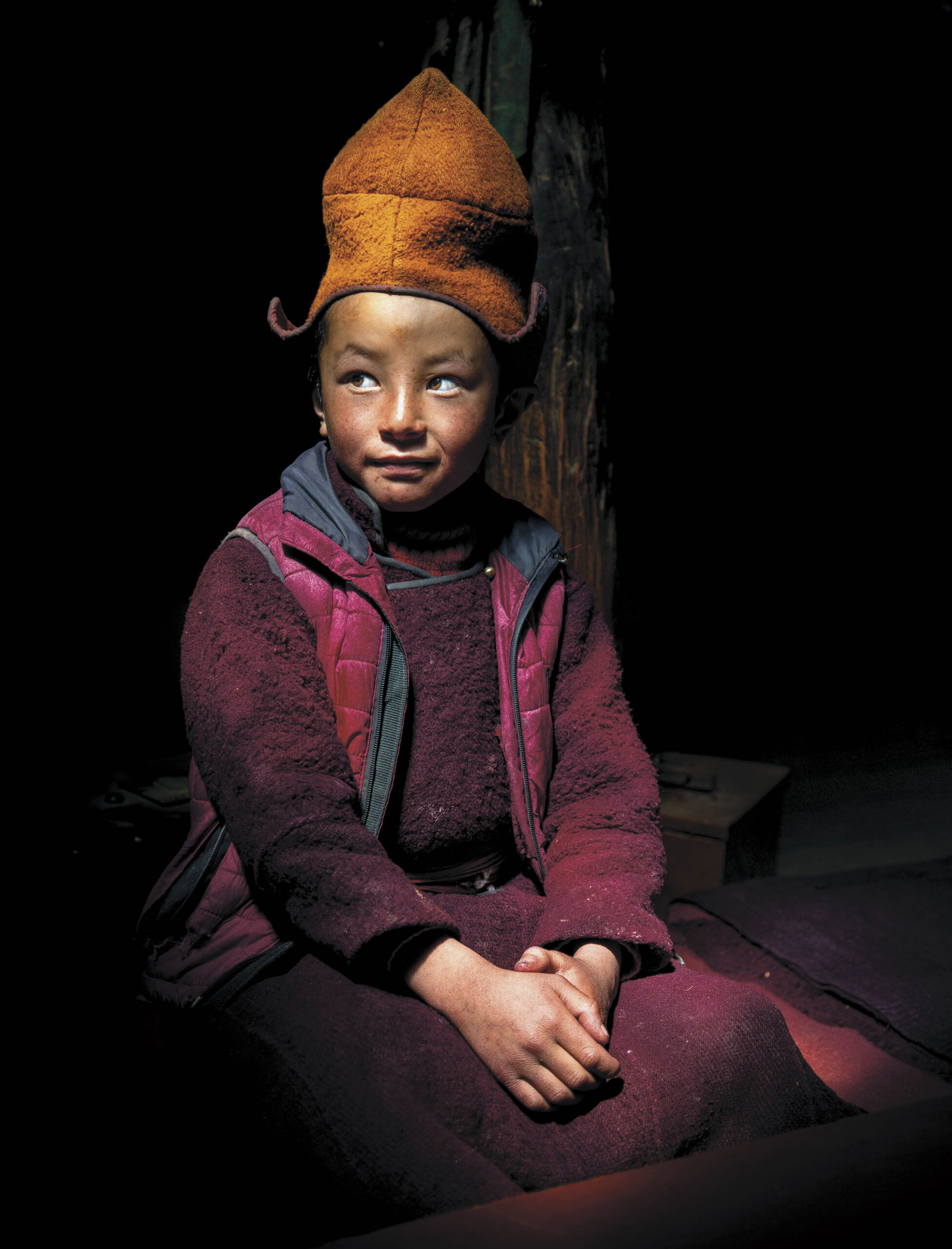
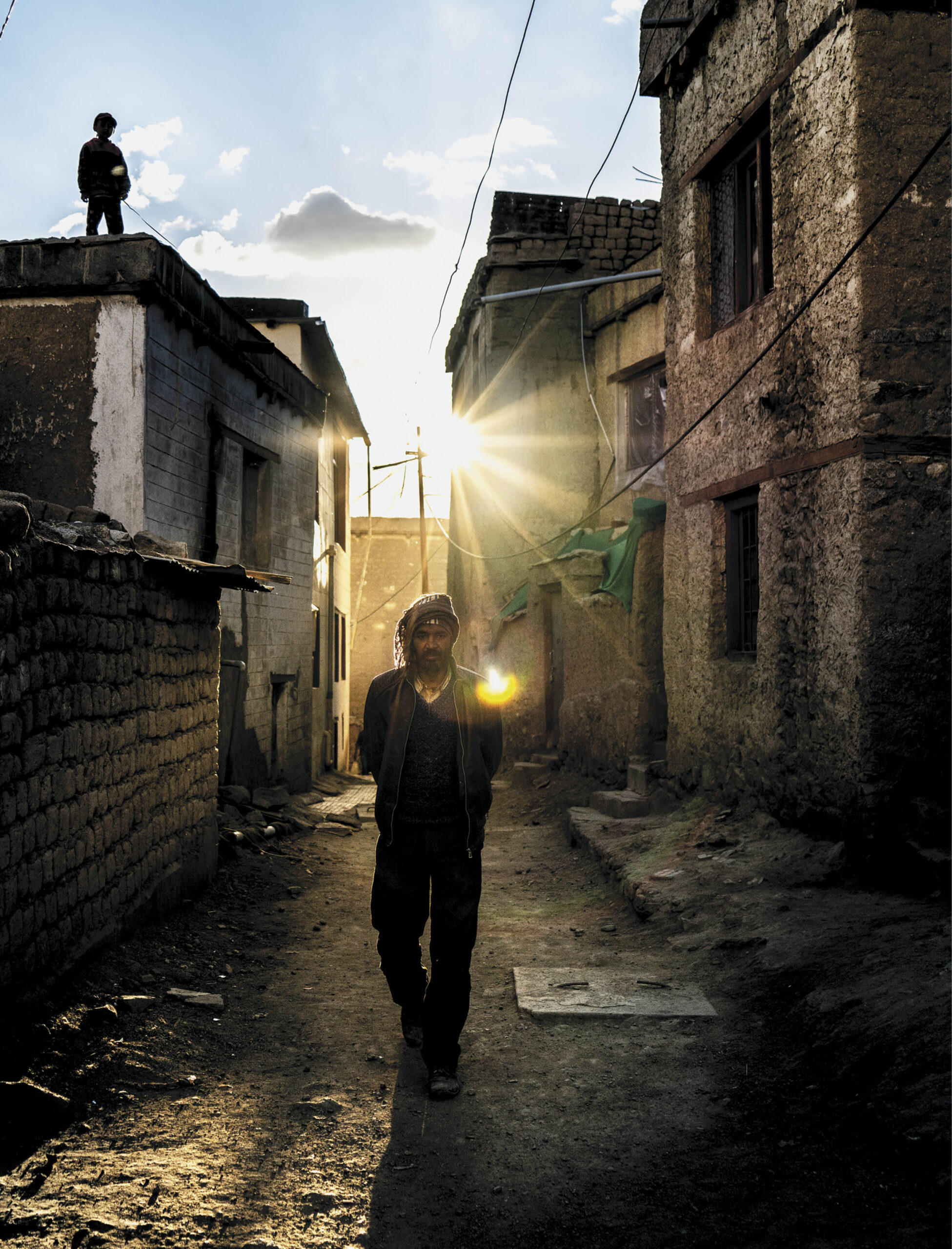
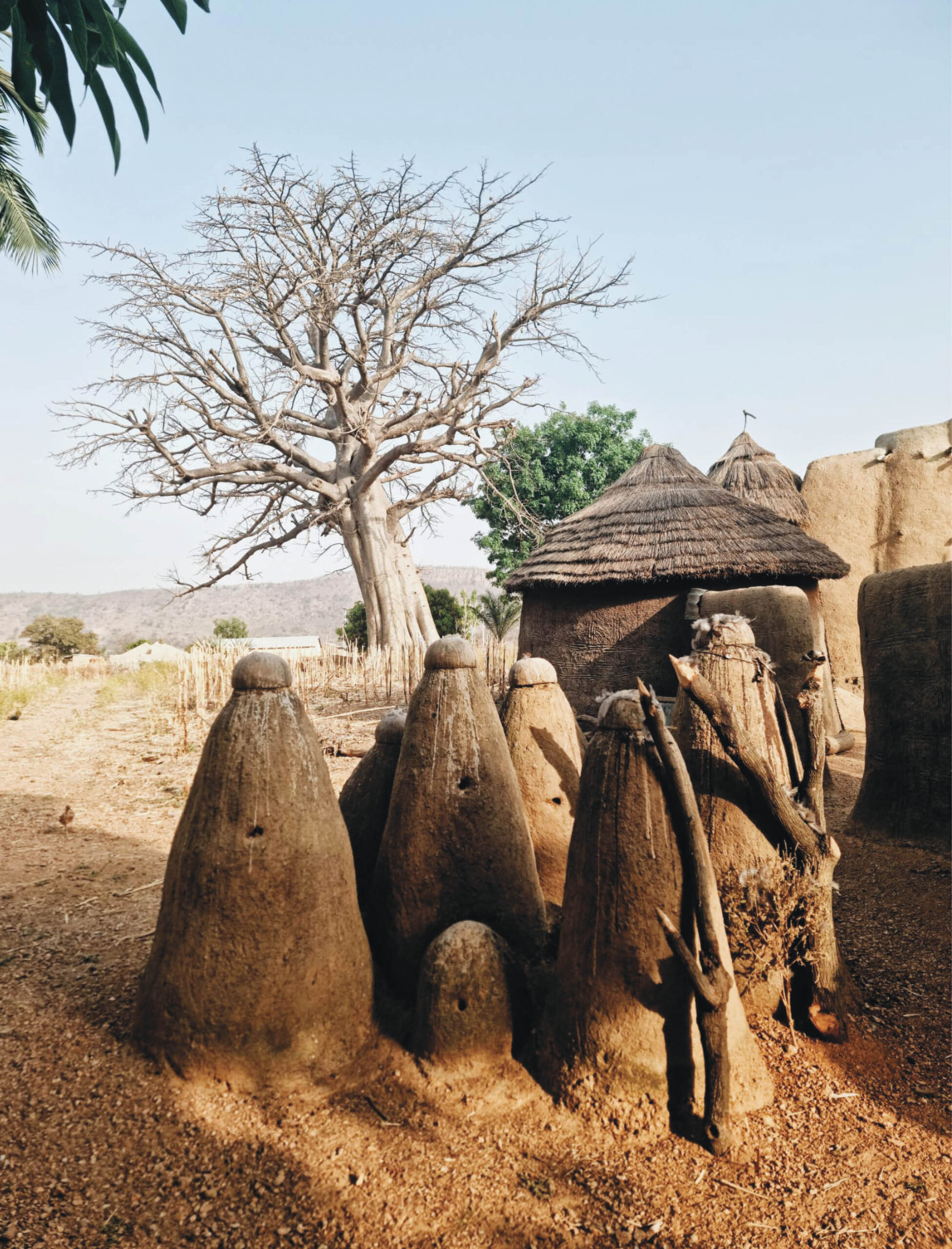
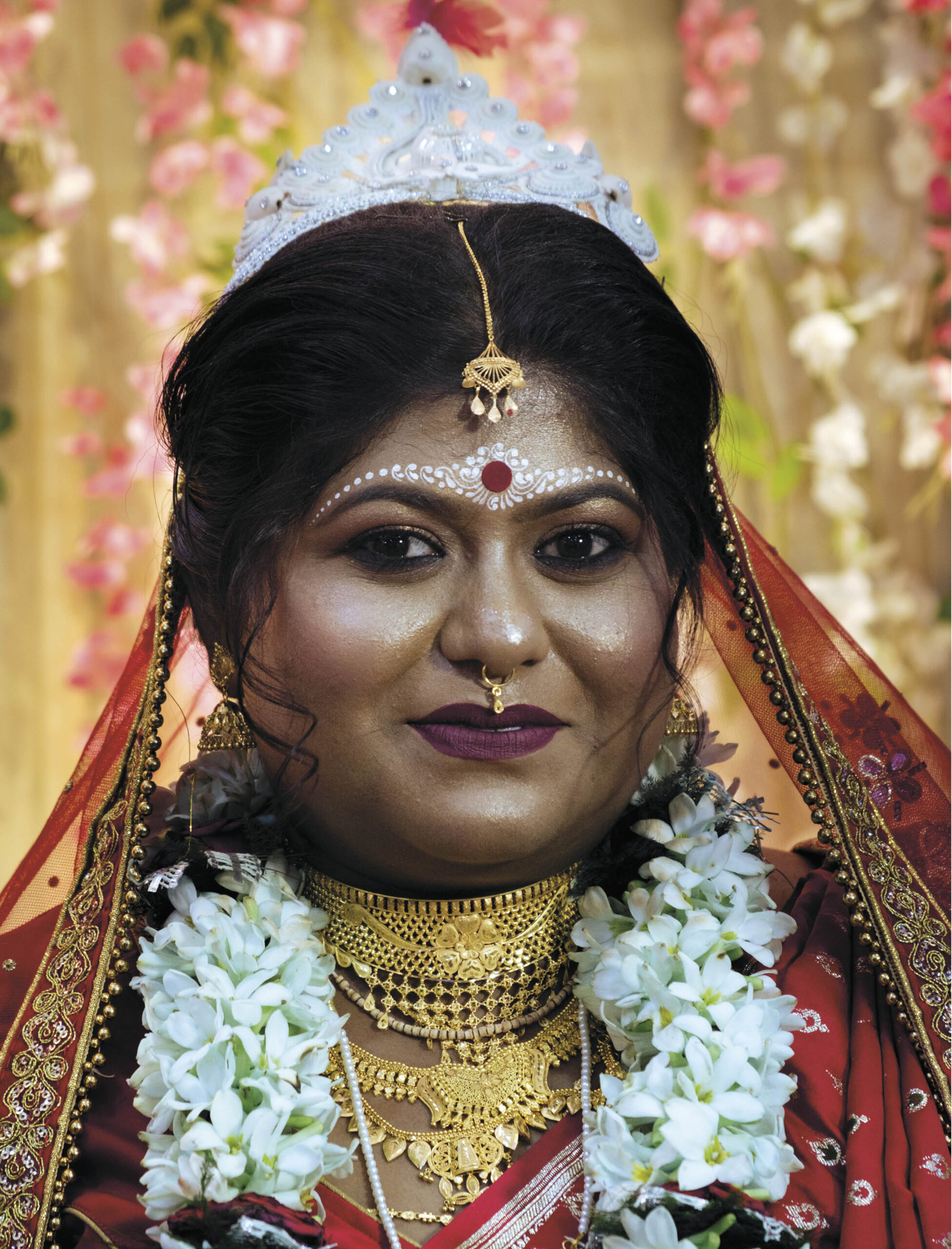
Somos todos construídos de rabiscos, de gatafunhos e de rasuras. Uma viagem é como um traço feito a lápis que pode ser safado ou refeito, um risco num diário, feito de desvios e de experiências que se sobrepõem, camada após camada. Tudo são pontos que reinventam a nossa história. “Rascunhando”, perdendo-se e encontrando-se, Andrei Polessi, desassossegado, assume as suas rasuras — que nenhum texto nasce pronto — e nelas encontra o lado mais autêntico do nosso mundo, “muito maior do que aquilo que podemos imaginar”, na forma de “paisagens humanas”. “São as pessoas que me dão perspectiva, que me alcançam qualquer horizonte”. Rascunho é “um atlas feito de indivíduos, muito mais do que de lugares”, um livro de perguntas que também é de fotografia.
“A minha vida em 240 páginas”, resume o fotógrafo e escritor — que não é nem uma coisa nem outra — e artista, “inconsequente e curioso”, “atrevido por julgar relevante usar tanto papel e tinta”, que um dia decidiu “ir atrás desse mundo” que nos escapa e que desde então vive com mais “mais incertezas e mais dúvidas”. “Viver é isso, é seguir sem ensaio, errando e aprendendo.”
Rascunho é uma cartografia traçada por pessoas que Polessi encontra no caminho, nos quatros cantos de um mundo, que, diz, “não é dos espertos, é dos despertos”. “Viajar é conhecer-se. Talvez esse distanciamento do nosso dia-a-dia seja a coisa mais importante na viagem. Uma viagem de descoberta pode ser feita em qualquer lugar, no trânsito, numa esquina. Não precisamos ir longe. O que importa é que a viagem nos tire as referências cómodas, de segurança, que constroem aquilo que somos. E que nos dispa. E que nós nos tornemos naquilo que somos de facto. Acho muito interessante quando não temos uma torneira que abrimos e sai água. Isso é um passo que relativiza tudo. Na viagem existe esse encontro com a nossa verdade”.
“O que me move é o não saber”, escreve. Entramos na máquina do tempo para conhecer Andrei, natural de Itatiba, São Paulo, Brasil, visionário e inovador que foi vingando nas áreas em que foi mergulhando, ora na área da publicidade, ora no design gráfico sujo e riscado, perfeito na sua imperfeição, e que sempre manteve a fotografia como paixão paralela. A última fotografia do compêndio que agora lança é precisamente uma foto que tirou numa viagem a Roma (1991) que fez com os pais quando tinha 17 anos, e que considera ser uma peça do mesmo puzzle, dessa “pilha de sedimentos” que vai guardando em rolos de filme e em discos externos num resgate sem fim.
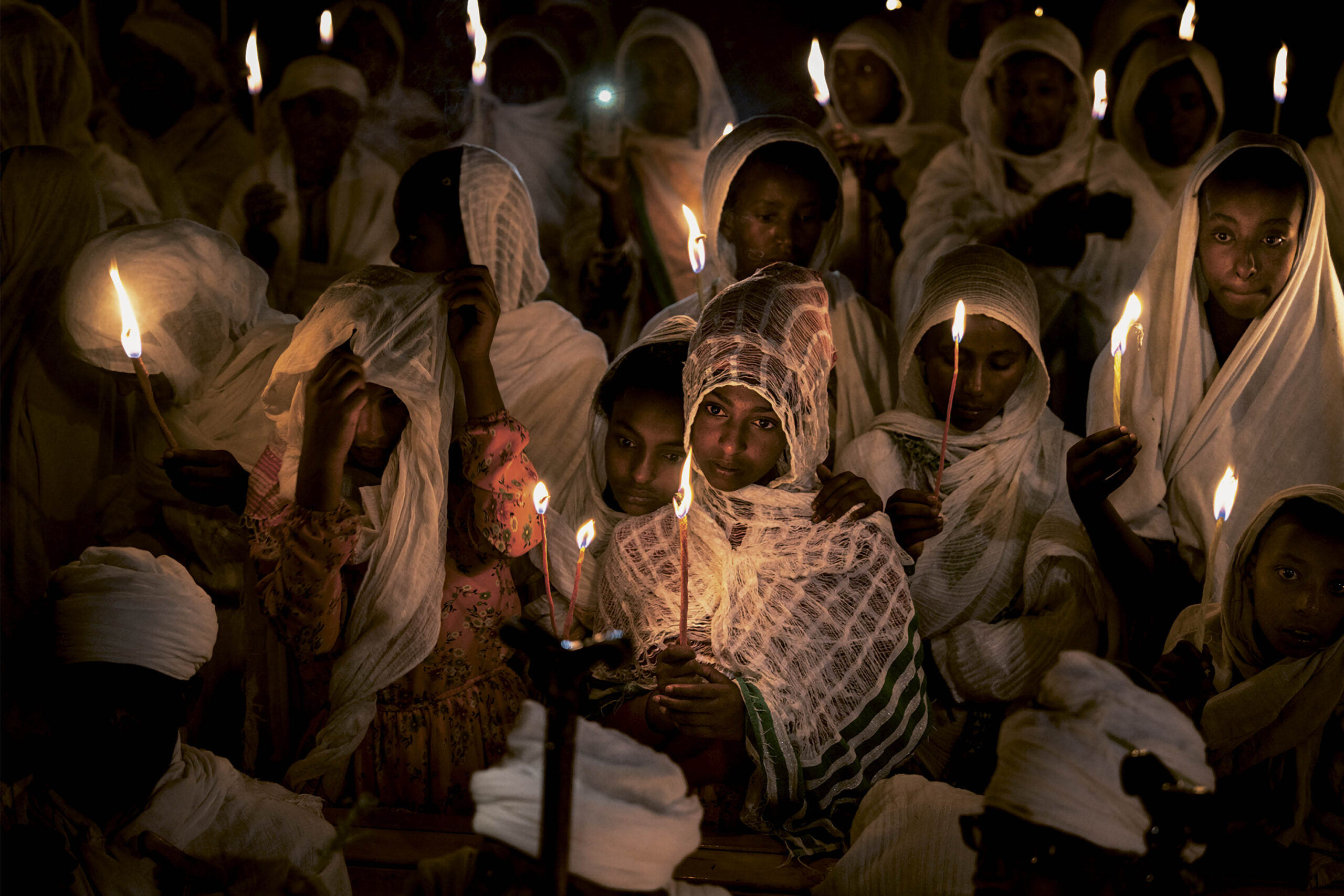
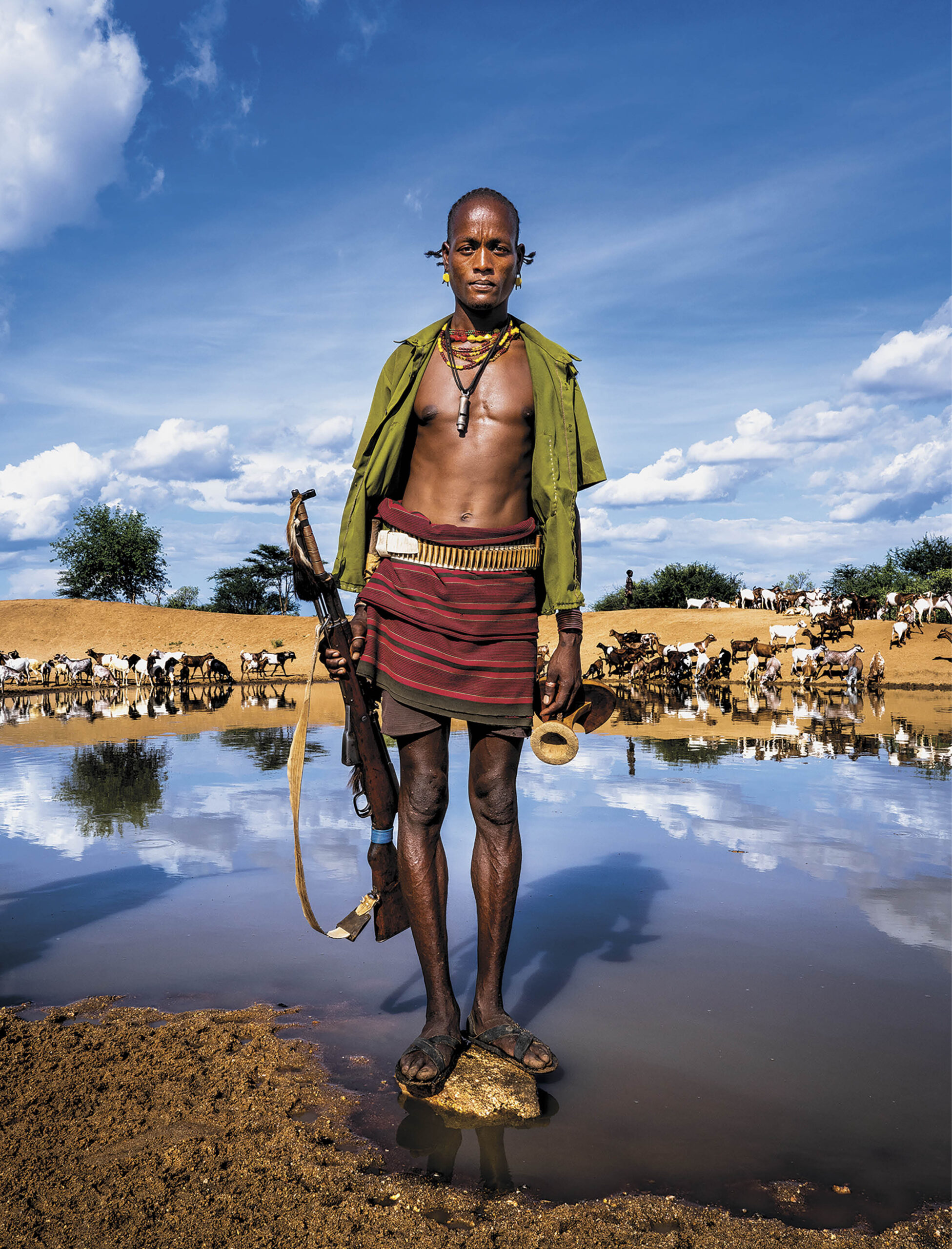
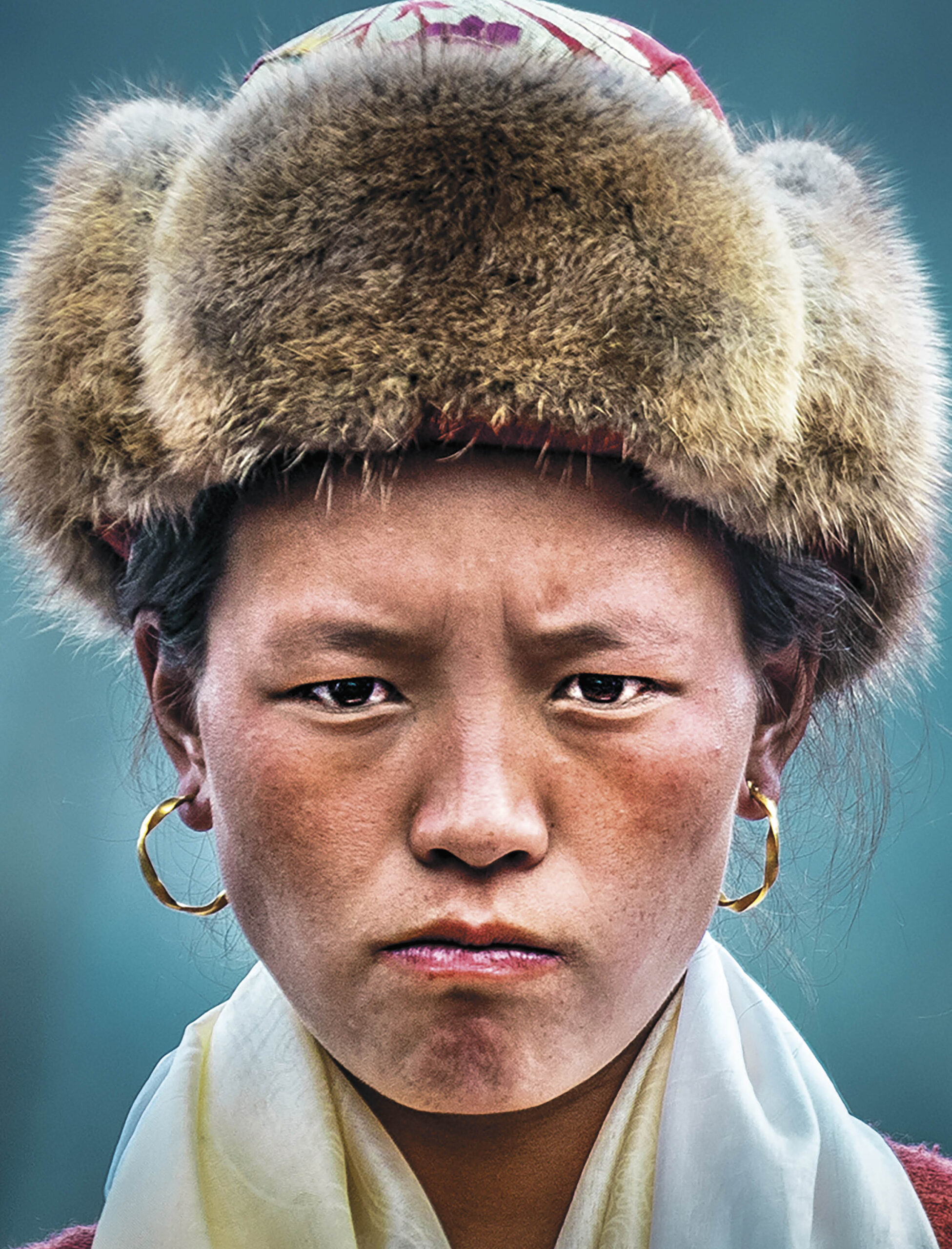
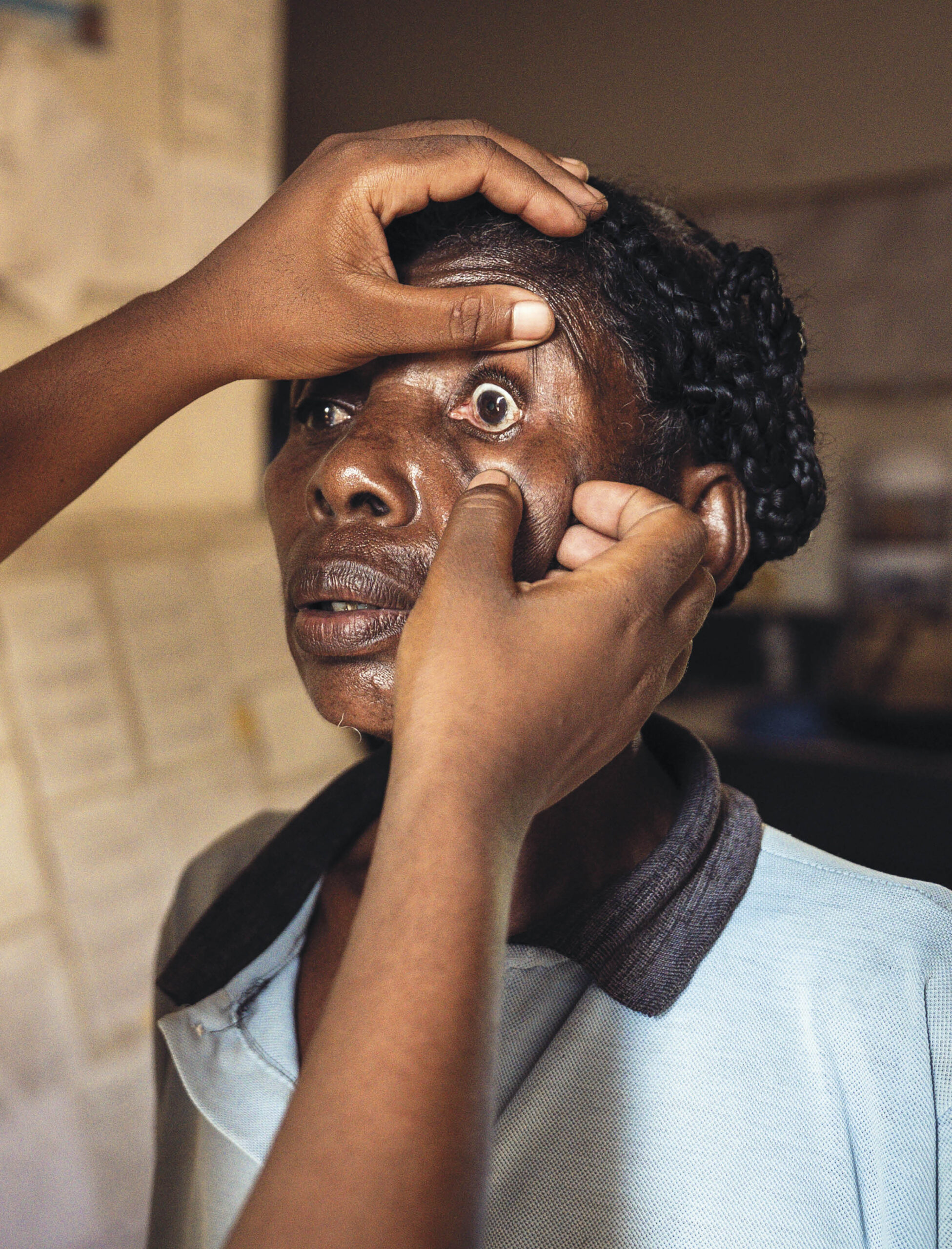
Entre as suas vidas, pode dizer-se que a metamorfose se deu quando perdeu a hipótese de ver crescer duas filhas por culpa de um parto prematuro (“isso tira-nos o chão”) e no instante em que se perguntou “‘o que eu estou a fazer da minha vida hoje contribui de alguma forma para que o mundo seja um lugar melhor?’”. “A resposta foi não e isso deixou-me muito preocupado.” Depois, veio o reverso da moeda. Em 2014, Andrei recebeu o amor de duas meninas (adotadas). E no ano seguinte, foi fatidicamente o terremoto que destruiu parte da Índia e do Nepal que lhe deu um propósito. Pegou num punhado de fotos que tinha feito em 2007 e transformou-as num livro, cuja receita das vendas reverteu não só para a construção de uma escola no Nepal como também para o apoio a algumas comunidades desfavorecidas no Brasil — e consequente fundação do Instituto Dharma, uma equipa de voluntários profissionais médicos e não médicos que hoje se dedicam a levar atendimento básico de saúde a comunidades isoladas em diversas partes do Brasil e do mundo. ”Vivemos numa bolha de privilégios e de chances que a maioria das pessoas nunca vão ter. Então eu acho que temos a obrigação de fazer a nossa parte. Pensar em nós próprios e pensar nos nossos filhos e nos nossos amigos é um horizonte muito curto perante as possibilidades que temos de transformação. Como escreveu Chico Xavier [autor, filantropo], ‘não é possível fazer um novo começo, mas é sempre possível fazer um novo fim’.”
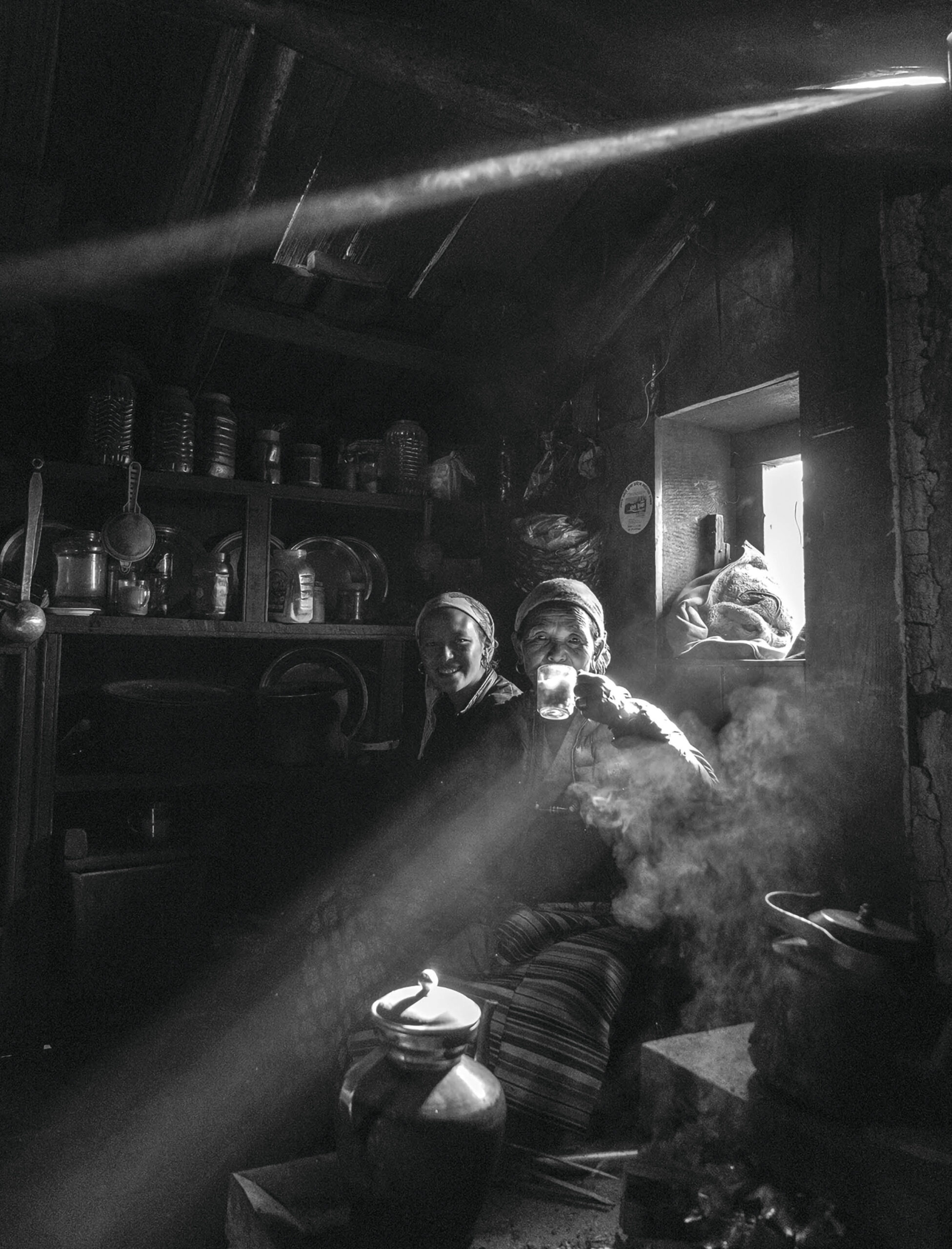
Andrei Polessi começou como líder de viagens mais ou menos por essa altura. Traçava rotas humanitárias, levando médicos a lugares “remotos, excepcionais e maravilhosos”. Às vezes ficava semanas numa aldeia. Muitas vezes as portas das casas abriam-se para as pessoas serem atendidas. “Era um contato muito profundo”, recorda. “Tinha hipótese de conhecer o dia a dia das pessoas, de partilhar uma refeição com elas. A liberdade de entrar no quarto de alguém é uma intimidade muito grande. Isso mostrou-me como é importante fazer um mergulho um pouco mais profundo.”
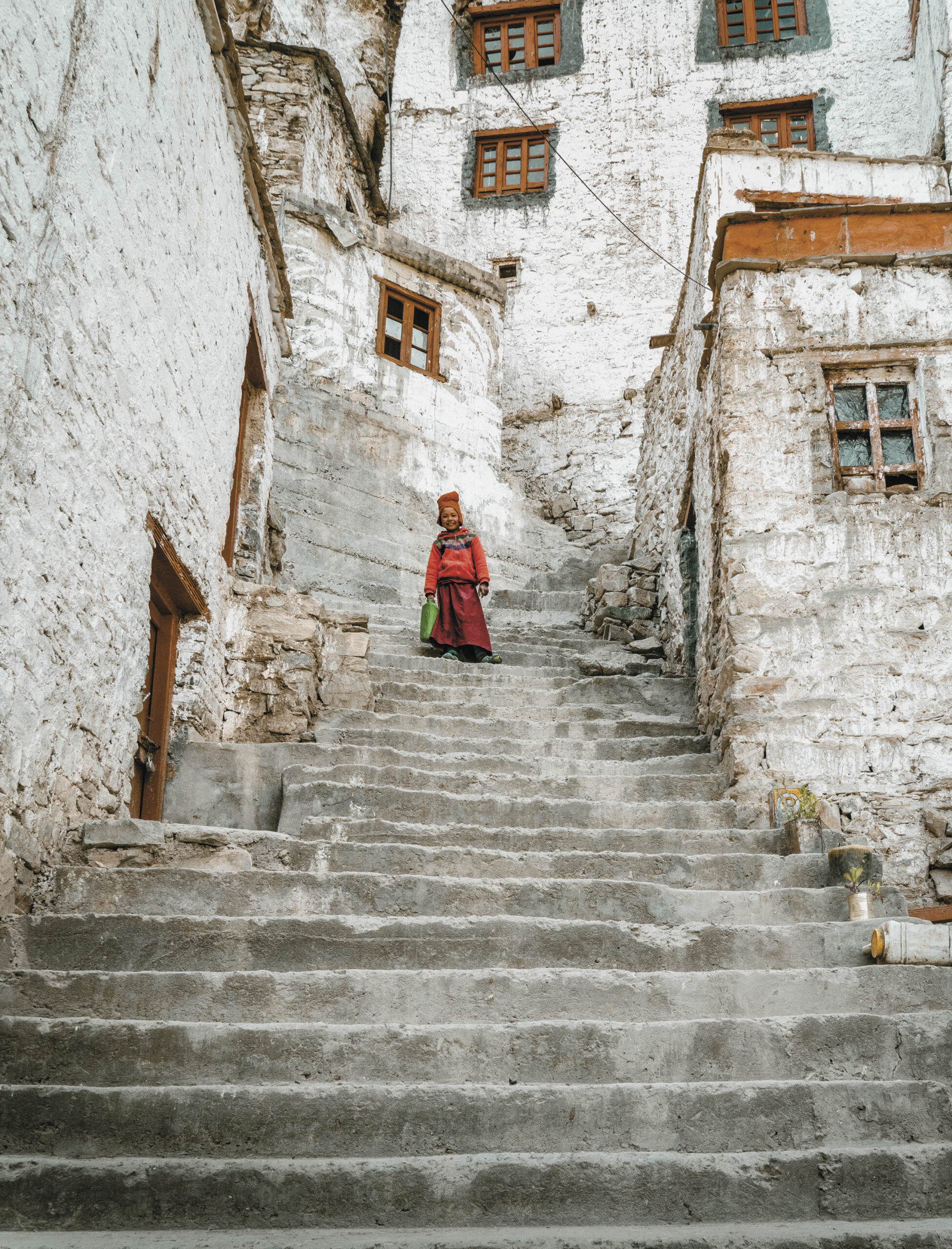
É esse tipo de experiência que propõe nas viagens que organiza. E foi uma dessas trocas culturais — em Ladaque, na Índia — que abalou muito das crenças deste agnóstico. “Sabes que o universo em que vivemos venera uma pessoa, Jesus, e de repente percebes que aquelas pessoas do outro lado do mundo não sabem minimamente quem ele é. Então, entendo que estou a viver numa ilusão. Acho que foi aí que comecei a perceber que o mundo não é como nós imaginamos. Acho que essa é a dimensão que viajar nos mostra que não somos o centro do universo, que essa é uma ilusão ridícula e pequena.”
A máquina fotográfica era a “ferramenta” que lhe permitia “contar histórias que não eram contadas” e “alavancar” as ações do Instituto Dharma, medalhas humanitárias atrás de medalhas humanitárias. Mas esse utensílio não deixou nunca de ser “uma afronta, uma arma, uma agressão” para as pessoas que lhe abriam a porta de casa e com ele partilhavam uma refeição. “Em primeiro lugar a humanidade, certo? Eu ainda sou um fotógrafo que se sente tremendamente incomodado em invadir a privacidade alheia. Ainda perco a maioria das minhas fotos pelo idealismo de querer conhecer a pessoa.”
“Acho que não existe uma forma correta de viajar”, vai dizendo enquanto calcorreia caminhos. Andrei Polessi, “inquieto, persistente, inconformado”, que é “contra quem dita regras”, quem diz ser mais viajante e menos turista, quem quer “tomar o poder da verdade e da razão”. “Cada um escolhe como quer viajar.”
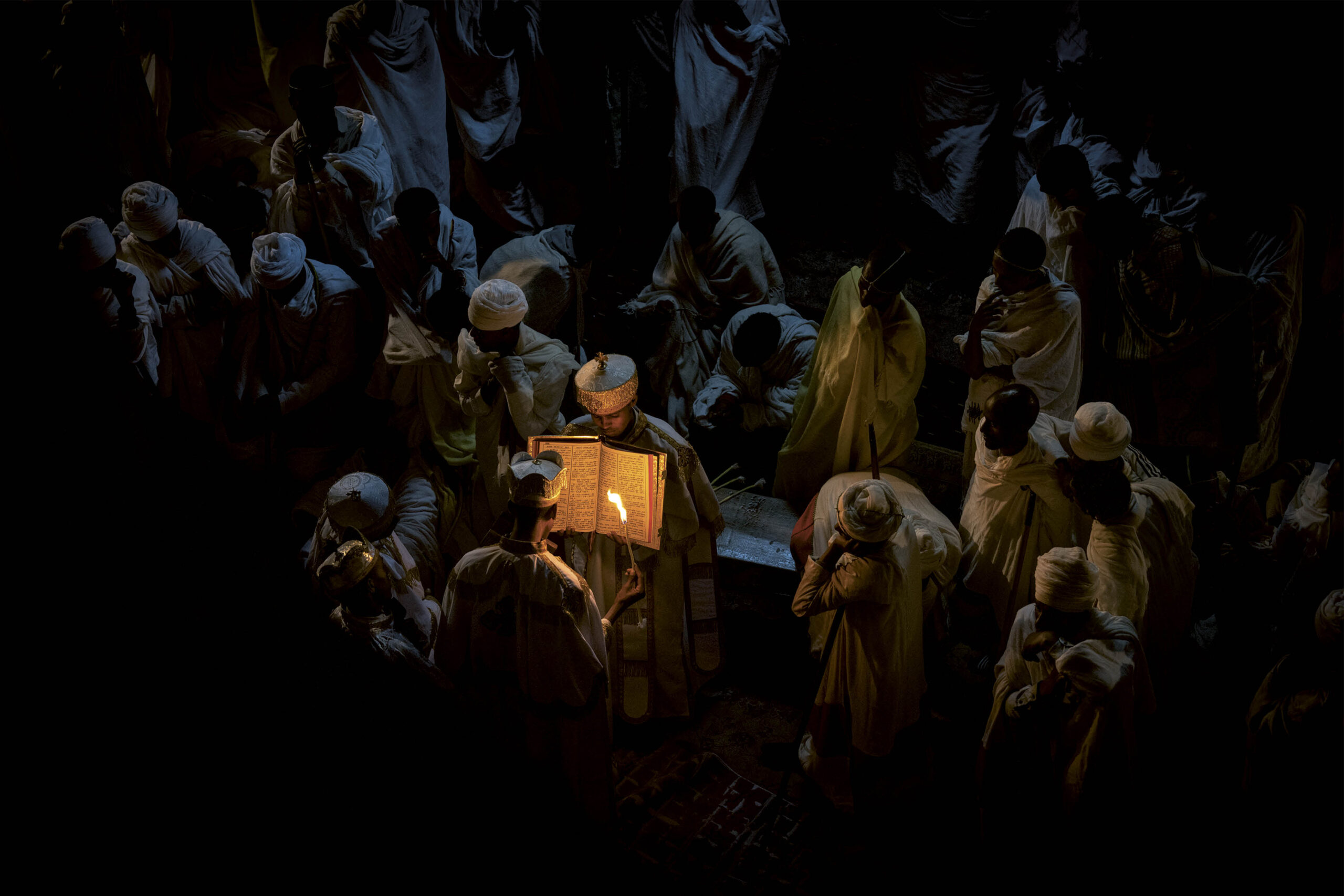
O próprio consegue extrair mais quando não tem um roteiro estabelecido. “Eu estou sempre perdido. Já me perdi em medinas, já me perdi em Varanasi, em Lalibela…” Vai “rascunhando” sem a certeza daquilo que vai construindo. Rascunho não nasceu com um tema, mas com “um volume de imagens que estava a transbordar.” Queria publicar. Tinha que publicar. E percebi que nada era formatado, que tudo era um rascunho. Esse é um bom tema, essa incerteza, essa dúvida, e esse não saber que, aliás, não me abandonará tão cedo.”
Polessi — e o seu Rascunho — é feito de literatura (“ela constrói-me”), de trocas culturais disciplinadas e apegadas (“temos que ter noção que algumas das nossas ações, não muito éticas por falta de esclarecimento, podem comprometer esses lugares”), de pessoas sábias (“O meu avô, que lutou a vida toda, nunca teve estudos, fazia cestos e trabalhou numa tinturaria. E era uma das pessoas mais sábias que eu conheci. Tenho sentido falta de falar com pessoas mais velhas. Faz-me muita falta”) e de um sentido que não se explica e que só apuramos com muito vento na cara, estrada e silêncio. Polessi cita o Livro do Desassossego. “O que vemos, não é o que vemos, senão o que somos”. Aceitar os gatafunhos é abraçar a própria condição humana — frágil, mutável e profundamente poética. Se somos feitos de rascunhos, a nossa essência está no movimento, na procura e na viagem.