Entre castelos tatas e as estrelas: imersão na secular cultura batamariba
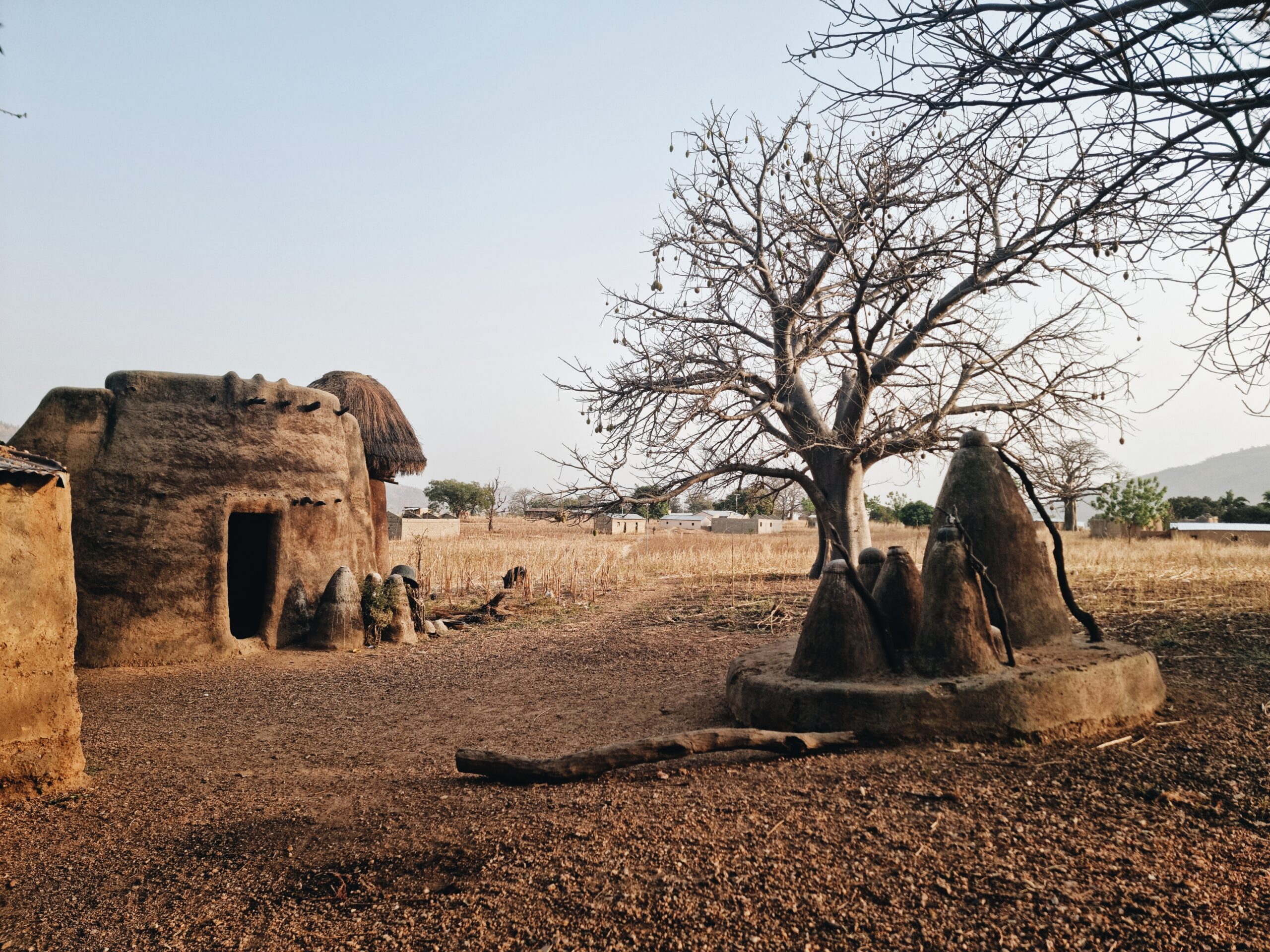
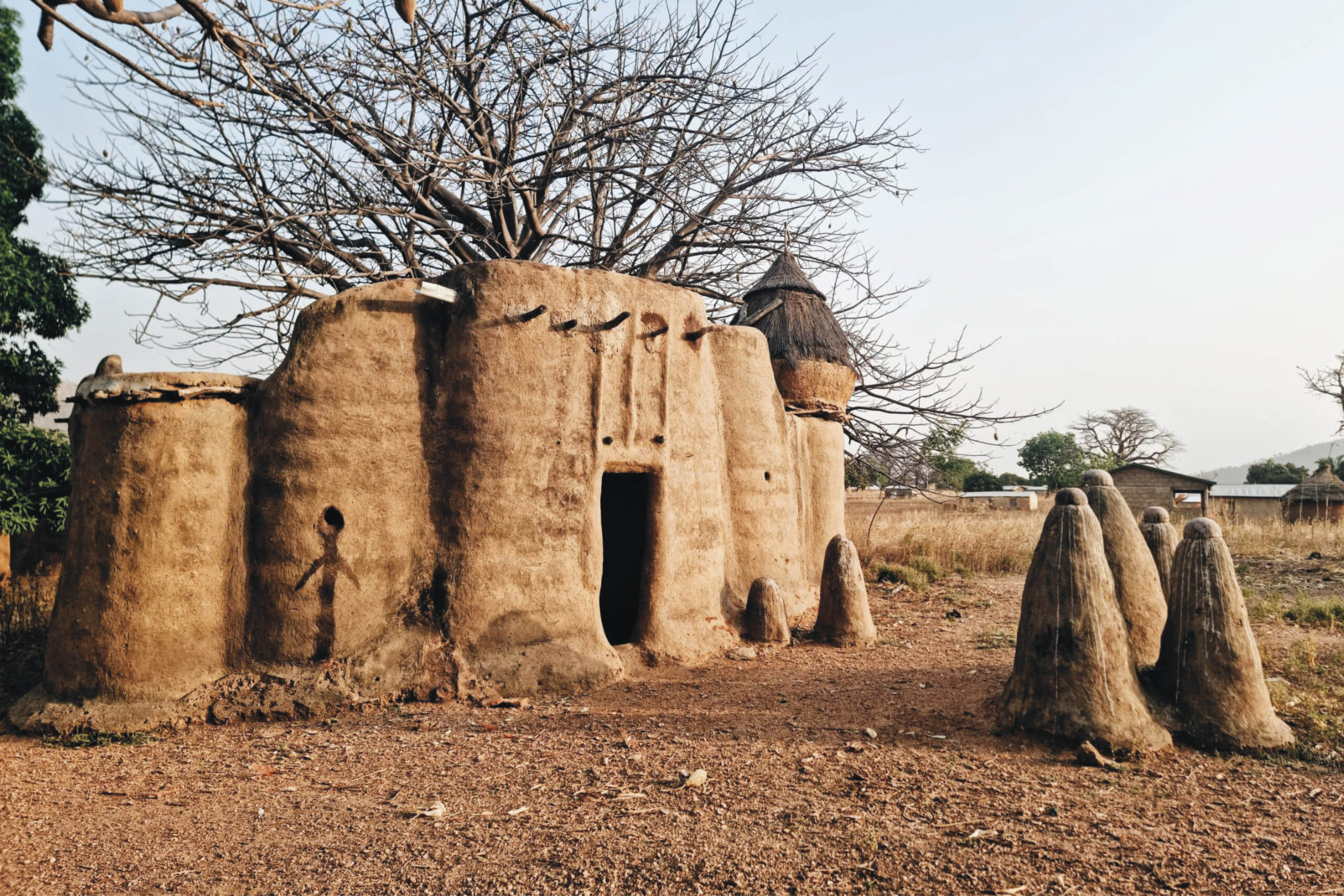
No coração de Koutammakou, entre o Togo e o Benim, as tatas sombas recortam a paisagem, erguendo-se como fortalezas de barro e palha, guardando séculos de história(s). Mais do que casas, são expressão da identidade batamariba: espaços onde arquitetura, espiritualidade e vida comunitária se entrelaçam, preservando rituais e tradições que vão resistindo à pressa da vida moderna…
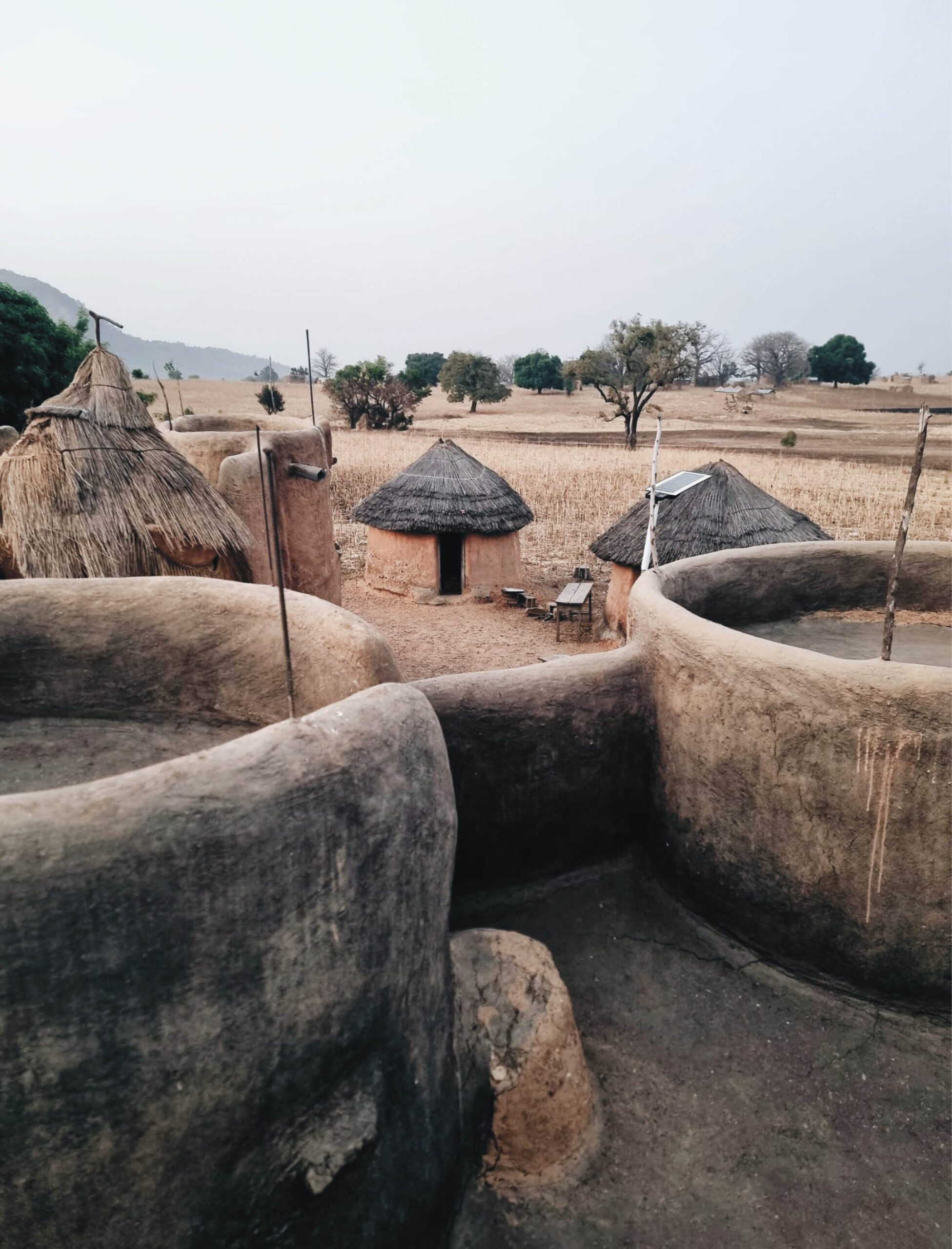
Ao anoitecer, a região de Koutammakou presenteia-nos comestrelas bem reluzentes. Este mundo está revestido de um negro espesso, quente, hoje adornado por uma serpenteante linha alaranjada que sobressai no horizonte. Uns agricultores fazem uma queimada. A lua cheia vem precisamente dali, trajando os tons de quem traz consigo o fogo que desliza encosta abaixo. Apenas eu, sombras de castelos imaginados e a natureza, somente percetível no som de animais, domésticos e outros indecifráveis…
Durmo ao relento numa torre, uma espécie de concha num terraço de uma tata (uma casa–fortaleza, também conhecida como uma tata somba ou uma takienta), típica do Togo e do Benim, declarada Património Mundial da UNESCO, em 2004.
Está calor e deito-me como vim ao mundo, sobre um colchão mal-amanhado, ainda assim confortável, envolto por uma desgastada rede mosquiteira, a romancear a minha ligação pura a um secular e distante modo de vida. Mal durmo. Não quero perder um minuto desta experiência.
Despertarei ao som de galos emproados, desgarrados cães a latir e silhuetas de pessoas em comunicação serena. A uns 30 metros, no exterior de outra tata, uma mãe cuida do pequeno-almoço (papa de milho enriquecida com outros cereais) numa fogueira, o pai, em tronco nu, lava-se com um pouco de água, e as crianças, de aspeto pouco cuidado, já exibem a energia típica das suas idades. Há animais domésticos à solta, com pequenas cabras a devorar tudo o que lhes é permitido. Um diário ritual sem urgência, imutável.
Com uma arquitetura que faz lembrar pequenos castelos e com paredes espessas, as tatas são estruturas circulares ou retangularesde dois andares, construídas com materiais naturais (barro, palha, estrume de vaca e madeira) que combinam funções defensivas, habitacionais e espirituais. A única entrada é estreita e baixa, para condicionar eventuais intrusos e, assim, aumentar a capacidade de segurança dos residentes. E costuma estar voltada para o oeste, protegendo contraventos e, sobretudo, os espíritos malignos. No piso térreo, estábulo para animais, celeiro e cozinha. No nível superior, os quartos (acessíveis por escadas e com entradas minúsculas) e terraço aberto usado para secar alimentos ou vigiar os arredores.
Estas encantadoras construções surgiram como resposta a ameaças históricas, nomeadamente conflitos entre clãs, ataques de caçadores de escravos e a necessidade de proteger famílias e mantimentos. Paralelamente, representam a integração entre humanos, natureza e cosmo. A casa simboliza a união de deuses, ancestrais e vivos: o terraço alude ao céu, o andar intermédio, à terra e o inferior, ao submundo.
A importância das tatas e desta forma de existência do povo batamariba (também conhecido por tamari, otamari e somba, no Benim, e taberma, no Togo), que persiste, deriva do seu exemplo excecional de adaptação humana ao meio ambiente. A preservação da Paisagem Cultural de Koutammakou defendida pela UNESCO abrange outros grupos vizinhos nas duas nações.
O meu primeiro contacto com este património universal aconteceuem Natitingou, no interior do Benim, no seu museu regional. Na verdade, é o único sítio onde realmente encontro informaçãoescrita, fotográfica e em maquetas. Neste país célebre pelo vudu e pelo Reino de Daomé, com ligação histórica aos portugueses, experimentar as tatas favorece uma economia sustentável, já que as comunidades oferecem visitas guiadas por moradores locais e estadas. Ainda assim, prefiro conhecer melhor os batamaribas em vivência mais genuína, rude e imersiva no Togo, no seu profundo interior, onde a ausência de um turismo organizado não facilita a vida ao estrangeiro.
Descobrir uma estada na Tata Chez Emilienne não é difícil, ao contrário de estabelecer comunicação célere e eficaz. Mesmo sem resposta, avanço para a fronteira. Negoceio um zémidjans (“leva-me depressa”), que é uma moto-táxi, a forma mais rápida de fazer esses 50 quilómetros de boa estrada até Boukoumbé. Largam-me no centro urbano, pois um grupo de jovens habitantes reserva-se o exclusivo direito de me levar de moto ao posto fronteiriço.
Quando a missão parece completa, a guarda manda-me de volta ao povoado para cuidar da papelada da emigração na esquadra da polícia, onde encontro parte dos agentes a dormir. Não sofrerei com a espera, curta, e regresso ao mesmo posto no qual as autoridades obrigam os motociclistas a levar-me à primeira aldeia do Togo: caminhar ao sol com o peso da mochila em caminho poeirento não é bom cartão de visita.
Nadoba não é grande, contudo tem uma feira vibrante, um labirinto a fervilhar de vida. Parece que os aldeãos de toda a região convergiram aqui. Com bancas encaixadas num imenso puzzle, vou escorrendo pelo exíguo espaço por onde as pessoas circulam, numa amálgama pouco aconselhável a quem é pouco dado ao toque. Não é o caso. O burburinho é o habitual destes espaços e o olhar deleita-se com este festival de cor, nos trajes femininos e no que se vende, literalmente tudo.
Percebo rapidamente que a fotografia é tema que exige extrema sensibilidade. Julgo encontrar uma mina de ouro quando, no caos da multidão, uma jovem acede ao meu pedido de a retratar. Nesses escassos segundos, presenteia-me apenas com uma expressão serena, sem sorrir. Tem o rosto marcado com cicatrizes que identificam a sua etnia, um vestido colorido, um colar e uma espécie de véu azul com vários motivos estéticos, do qual sai um lenço amarelo rendilhado com flores. Brincos pingam-lhe das orelhas. Está acompanhada de outras duas raparigas de feições e vestes igualmente impactantes. Em novo delicado improviso, tento a minha sorte, que me é negada pela mãe, que as afasta de mim.
Enquanto aguardo por novidades de Emilienne, refugio-me do calor e pó numa esplanada com música. Não sou de cerveja, mas é a única bebida que vejo nas mesas, incluindo de mulheres, raramente presentes nestes espaços públicos, em pura descontração.
A fortuna acompanha-me. Ao acaso, encontro o “Rei“. Em carne e osso. “Dos reinos do Togo e do Benim”, reforça. Poderia ser uma honra, não fosse mera fantasia de quem esta manhã já se “hidratou” para além da conta. Todo ele é pompa na sua pose. Tem uma túnica que lhe cobre o corpo e ostenta uma foice pendurada ao ombro, pela lâmina. Efetivamente, o chapéu é de realeza, ornamentado com búzios e quatro cornos – dois para a frente e outros tantos para trás – que parecem de antílope. Quatro grandes colares de missangas e um mais curto. Dois anéis de dimensões épicas, um com caveira e outro em forma de rosto humano. E um enorme corno pelo qual bebe a cevada fermentada.
A cada pergunta que lhe atiro sobre o seu reino, as suas honrarias e magnificente vida, responde que precisa de um copo para cada resposta. Por gentileza, ofereço a primeira cerveja. Por princípio, ficamo-nos por ali.
O minúsculo museu, réplica de uma tata onde posso compreender mais profundamente a cultura e comprar o obrigatório bilhete para explorar a região, está encerrado. “Nem sempre está aberto. É algo aleatório, pois é raro aparecerem turistas. Depende do empregado ao serviço. Por vezes, encontra-o no bar ao lado”, dizem-me.
No estabelecimento indicado, não encontro o responsável e rapidamente percebo que não deveria estar ali. Os agentes da ordem bebem a inevitável cerveja e também tocam, de forma indevida, nas funcionárias, que, indefesas, vão respondendo com sorrisos às travessuras de quem é lei, aos ímpetos de quem ataca dignidades, em vez de as defender. Os senhores fardados não apreciam a minha presença e só parecem esperar por um olhar ou gesto de reprovação como pretexto para o mostrarem.
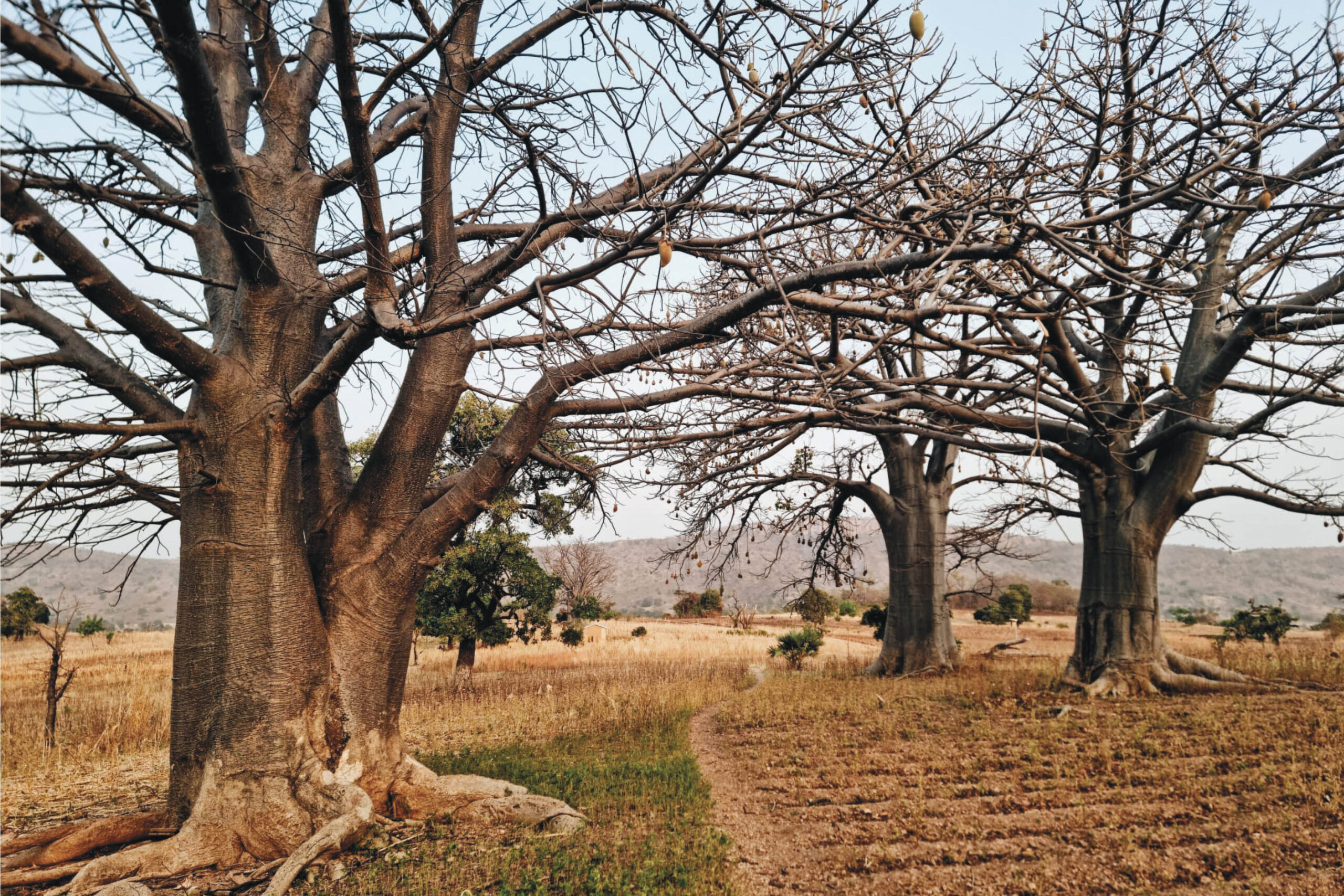
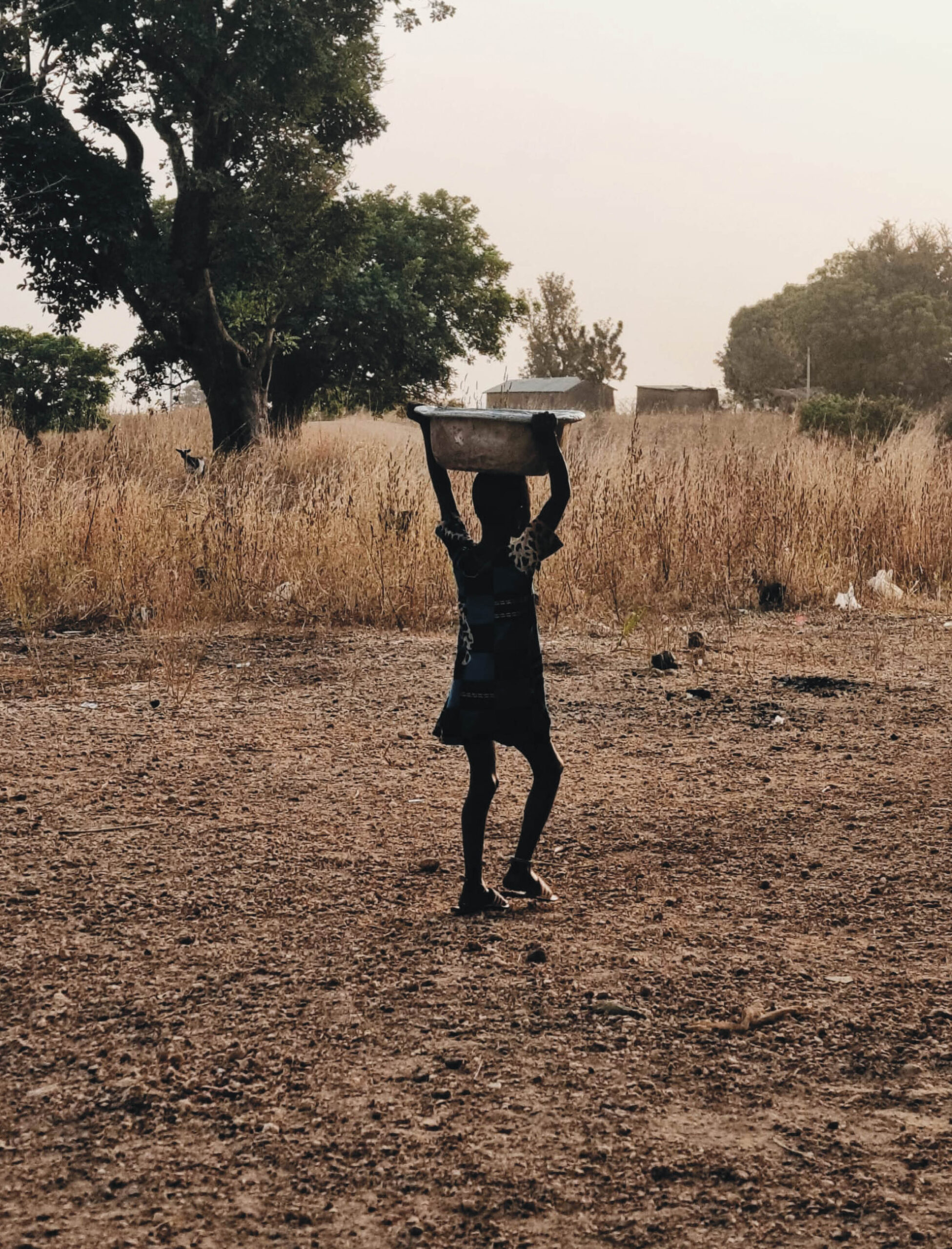
Salvo por Emilienne – horas depois do previsto, finalmente encontramo-nos. A decidida idosa (terá uns 60 anos de idade, porém, aparenta mais) traz consigo os motociclistas que nos vão levar em estrada de terra ao seu modesto projeto. Muitas casas típicas, pequenos palmos de cultivo e bastantes árvores fortes. Fardos de palha para o gado, muitas vezes à solta pela planície, e alguns grãos a secar ao sol. Aqui e ali, crianças caminham com bacias de água à cabeça. É uma refrescante serenidade mergulhar neste estilo de vida realmente simples.
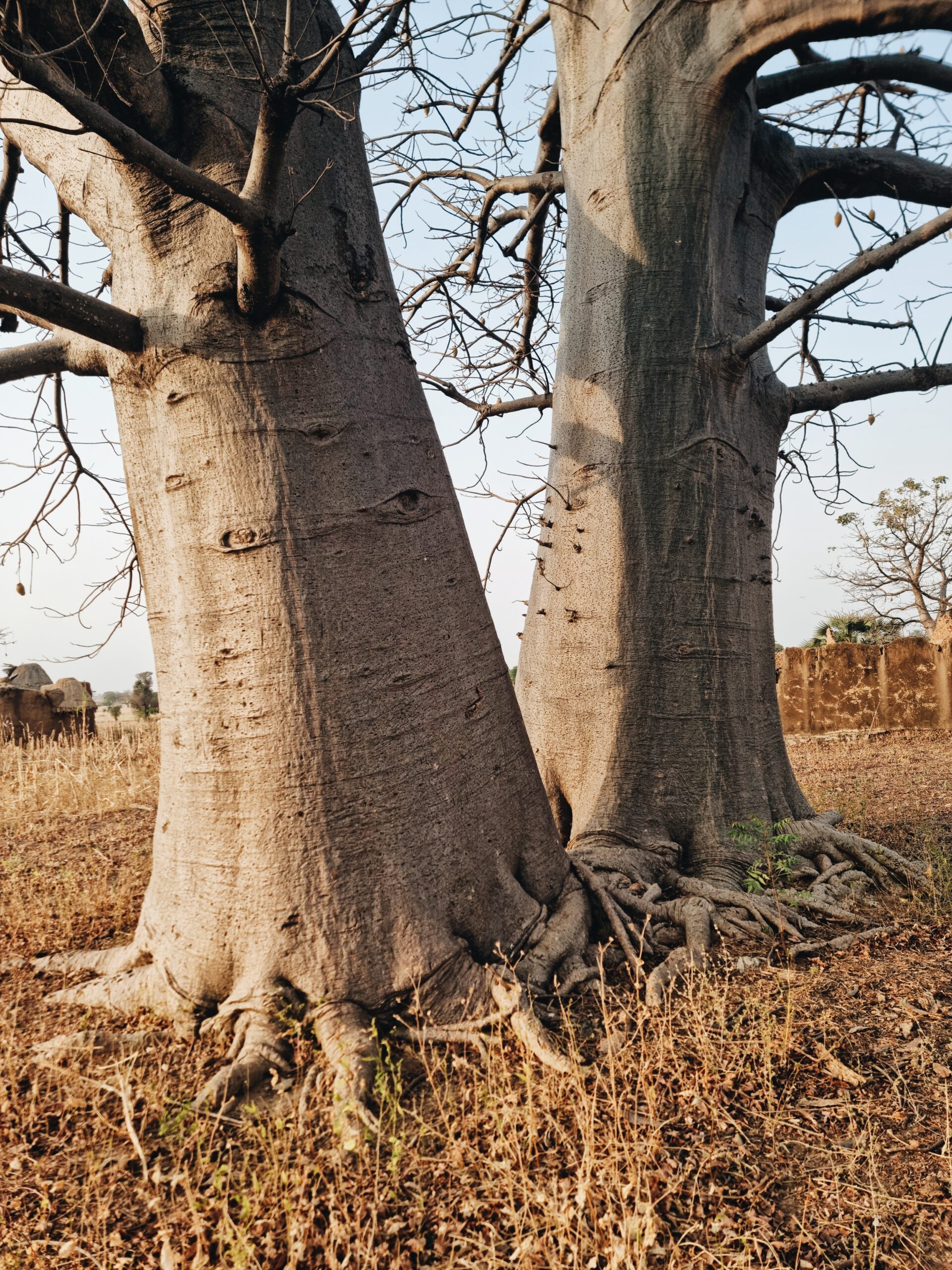
A minha anfitriã não é o melhor exemplo de simpatia e, pelo jantar, cobra-me bem acima do razoável, mesmo sendo eu ocidental, por estar no meio do nada e não ter um lugar alternativopara comer. De imediato, Emilienne quer negociar passeios e atividades para os dias seguintes, atirando igualmente para cifras típicas de outras latitudes. Sinto na pele advertências que lera de que no Togo estas visitas mais genuínas, não-regulamentadas, desembocam, amiúde, em negociações mais agressivas. Digo-lhe que decido na manhã seguinte, algo que não lhe agrada nem faz questão de disfarçar. Sem problema. Até onde a vista alcança, vejo tatas semeadas na sedutora paisagem que posso explorar por mim.
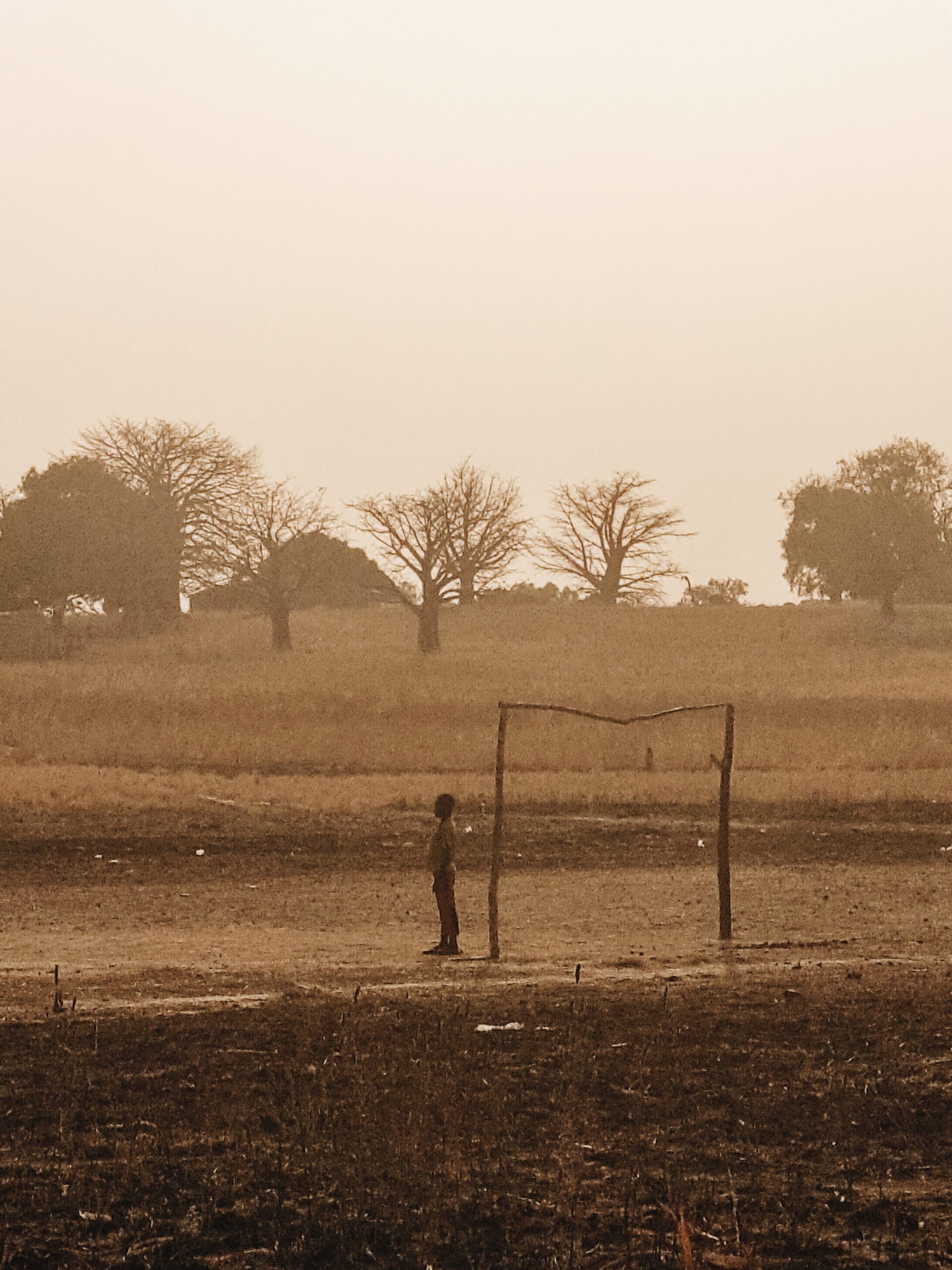
Esta forma de viver mal evoluiu nos últimos séculos. Num mundo de humildes pastores e agricultores, não encontro tecnologia. Deambulo até me deparar com um poço e toda uma vida à sua volta. Lançam o balde ao distante fundo e depois há uma manivela que adultos e crianças vão movendo, para que a vida brote do interior da terra. De imediato, a água segue em bacias para todos os pontos cardeais, para os afazeres diários de cada família. Alguma poeira ao longe indicia um improvisado campo de futebol onde trapos fazem de bola.
Sempre que me aproximo para estabelecer contacto, raramente as reações são convidativas. Não hostis, mas claramente a fazer-me sentir um corpo estranho, que aquele não é o meu lugar. Não os posso recriminar. Sou ruído num cenário que transparece harmonia. E os europeus não deixaram propriamente boas memórias históricas em África. Os que atualmente por cá aparecem vêm em grupos turísticos organizados que escassa ou nula riqueza deixam na comunidade, também por isso mais desconfiada e hostil ao negócio.
Os batamaribas preservam um quotidiano profundamente enraizado nas tradições. Vivem em extensos compostos familiares isolados, mantendo uma identidade marcada por elaboradas escarificações corporais que revelam tribo, estatuto social e história pessoal.
A sua organização social baseia-se em clãs, com uma forte ligação espiritual à terra. Entre os ritos de passagem destaca-se a obrigação, para os jovens, de erguer a sua própria tata antes do casamento, escolhendo o local através do lançamento simbólicode uma flecha.
As crenças animistas estão sempre presentes: sacrifícios e altares com fetiches – como crânios de animais – para rituais ligados à fertilidade, proteção e iniciação da idade adulta, e padrões gravados nas paredes das casas que ecoam as marcas corporais do povo.
A migração dos jovens para as cidades e o inerente abandono das suas tradições, o uso de materiais modernos em novas habitações de cimento, com telhados de zinco, e mudanças socioeconómicas ditadas pela globalização estão a contribuir para a erosão deste estilo de vida. O surgimento de pequenos projetos de turismo comunitário tem ajudado a preservá-lo.
A resistente cultura da tata é testemunho da resiliência africana, integrando arquitetura, espiritualidade e vida comunitária. A sua preservação depende do frágil equilíbrio entre modernidade e tradição. Sem dúvida, um sério desafio pela frente. Quanto a mim, vou entregar-me a um novo pôr do Sol num palco praticamente imutável há vários séculos…