Fotografar o Iraque que o mundo não vê
Começou como terapia, será sempre uma forma de arte: Abbas Raad usa a fotografia como ferramenta para restaurar a verdade e para promover o diálogo entre grupos religiosos. “O cenário iraquiano está a evoluir, mas ainda enfrenta grandes desafios.”
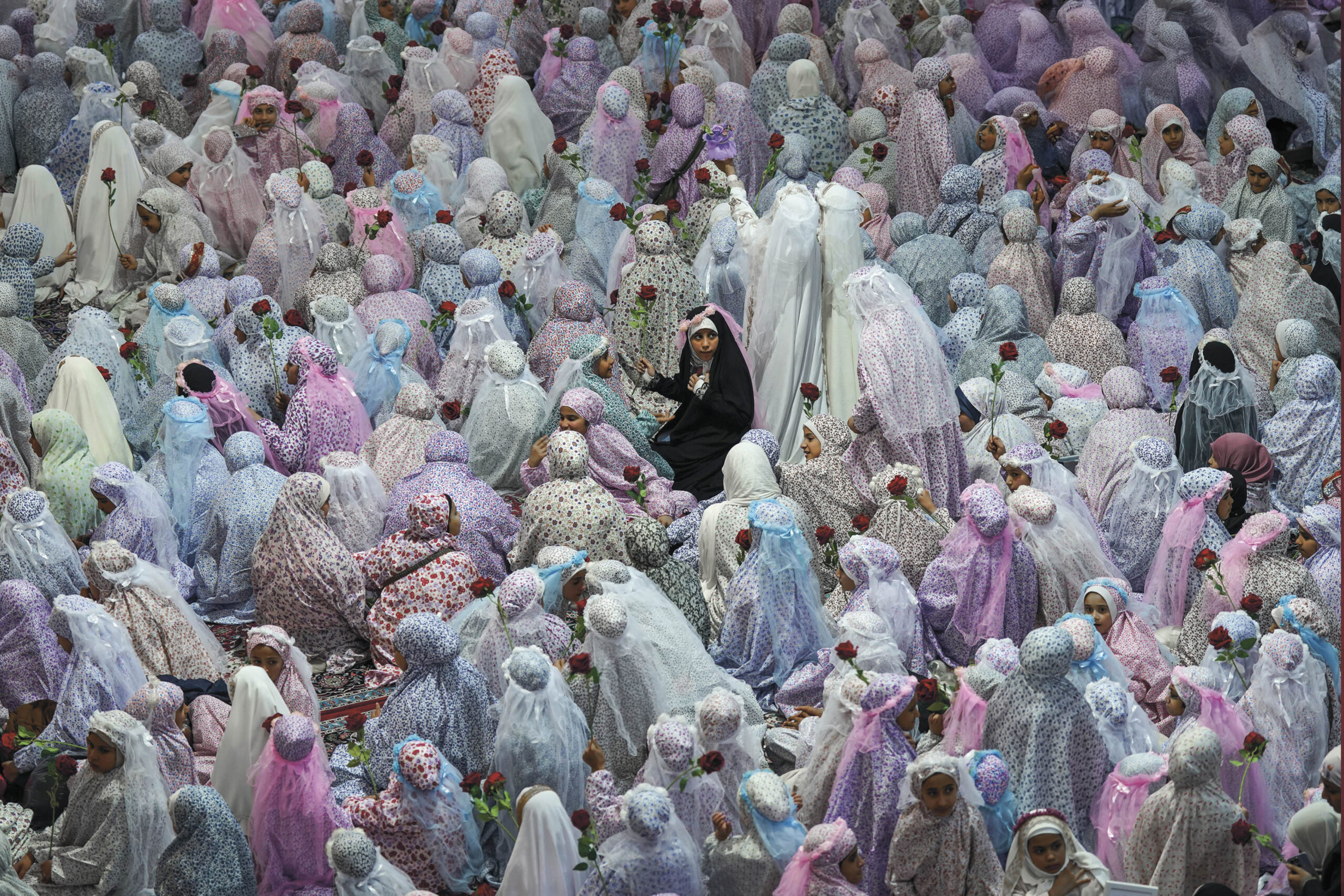
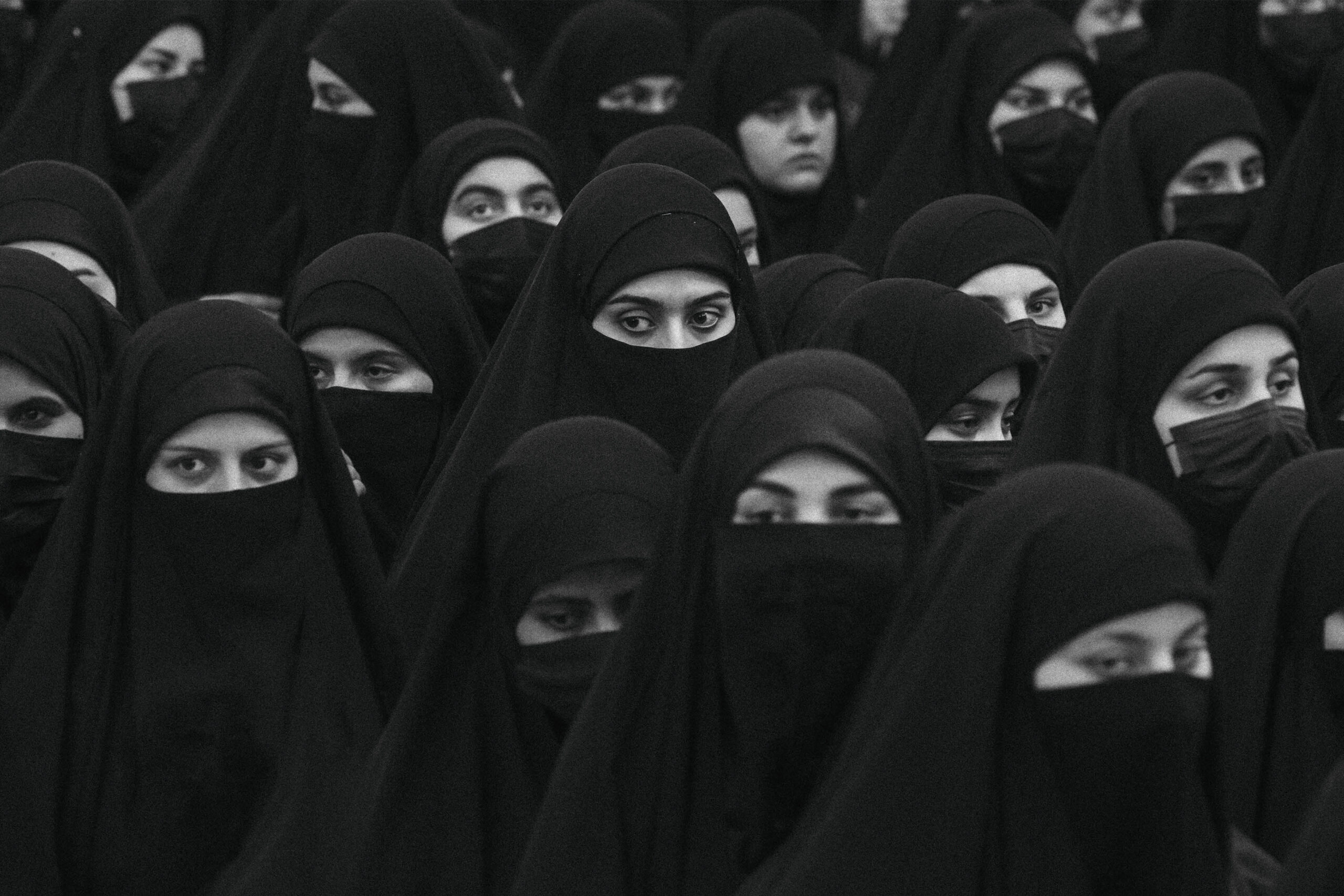
Durante quatro décadas, o Iraque foi esculpido a golpes: a guerra com o Irão nos anos 80, a invasão do Kuwait e o embargo nos anos 90, a ocupação norte-americana em 2003 e o Estado Islâmico em 2014. Cada episódio trouxe destruição, mas também o sequestro da própria imagem do país, das suas tradições e ambições.
Enquanto o Ocidente ainda vê o Iraque através do filtro da guerra e do extremismo, artistas como Abbas Raad vão reescrevendo a narrativa. O Iraque não está apenas a ser reconstruído, está a ser recontado. A fotografia, garante o fotógrafo de 34 anos, é uma ferramenta para “restaurar a verdade”. Nas redes sociais e além, há uma nova geração de criativos que desafia a islamofobia galopante com a verdade – que ajuda toda uma sociedade a sarar da deturpação grosseira do Ocidente.
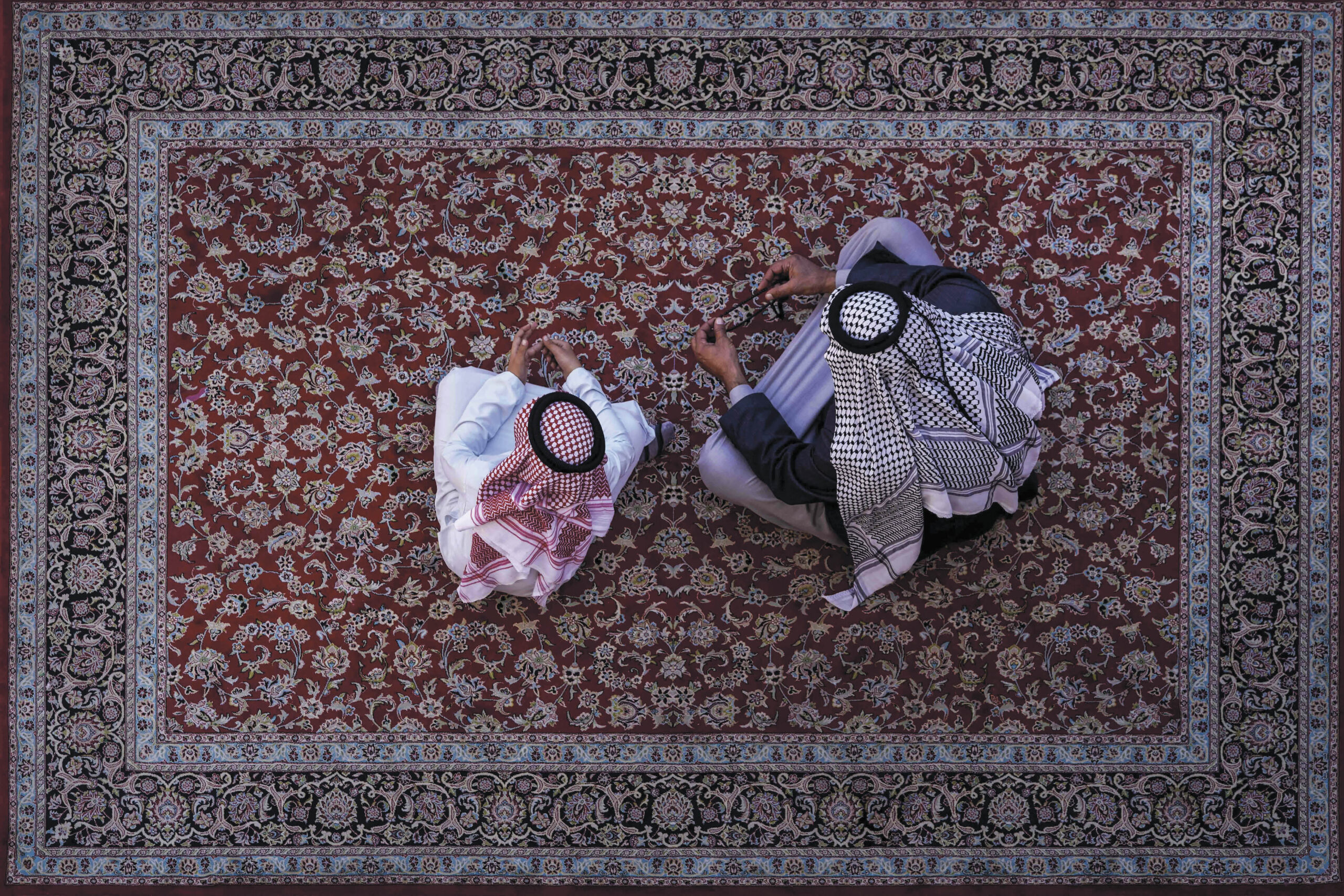
Iraque: o tempo tem distorcido a narrativa. A fotografia contribui para restaurar a verdade?
A fotografia não é apenas um meio de congelar momentos, mas uma ferramenta para restaurar a verdade ou, pelo menos, oferecer uma visão imparcial dos acontecimentos. Com o passar do tempo, as narrativas históricas são distorcidas, intencionalmente ou não, devido a interpretações diferentes ou à falta de documentos precisos. É aqui que a imagem entra em cena: ela tem um poder documental que vai além das palavras, pois captura a realidade como ela é, sem distorções ou manipulações. Eu tento apresentar fotos que trazem a verdade no seu cerne ou, pelo menos, abrem espaço para uma releitura da história longe de manipulações narrativas. Talvez uma foto não possa ser completamente neutra, mas oferece uma dimensão visual que ajuda a construir uma compreensão mais profunda do que realmente aconteceu.
Como decidiste usar a fotografia como ferramenta?
Comecei a fotografar em 2012, aprendendo com amigos e sites após abandonar os estudos devido a circunstâncias difíceis que enfrentei. Isso levou-me a um certo isolamento psicológico, e a única terapia foi a máquina fotográfica. O principal motivo que me levava a sair para fotografar era escapar ao sofrimento psicológico causado pelo abandono dos estudos.
Quais são os maiores desafios ao fotografar a religião?
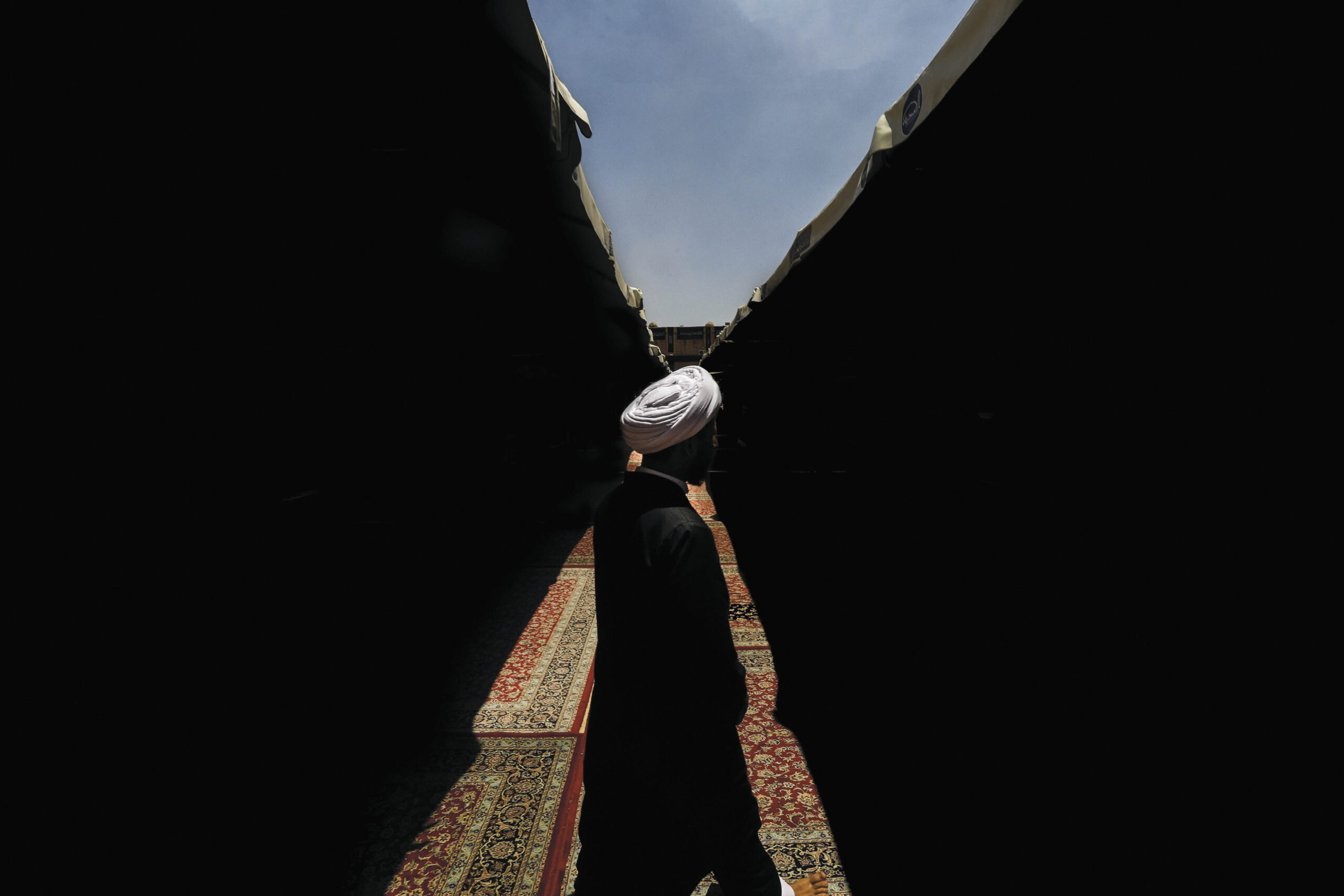
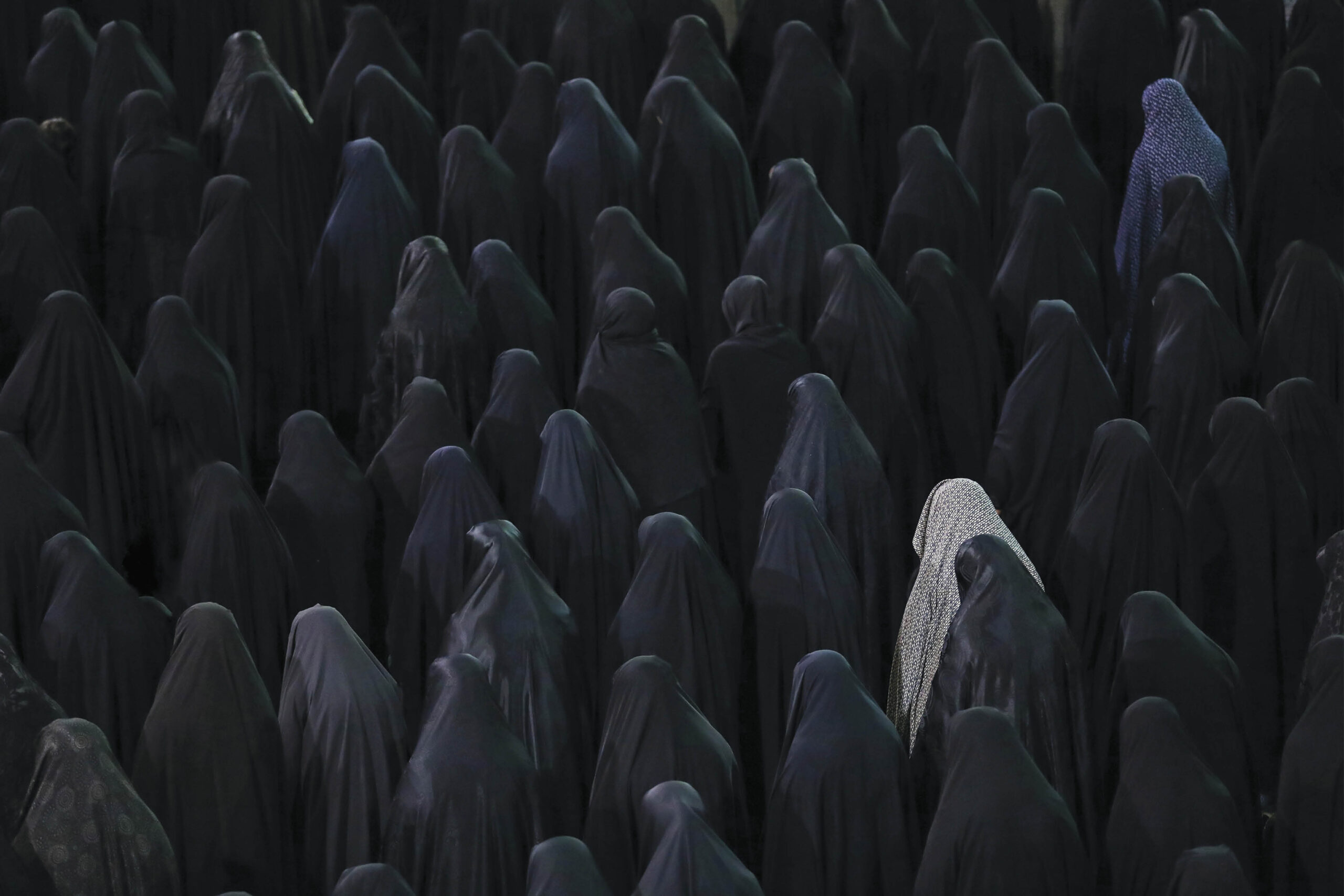
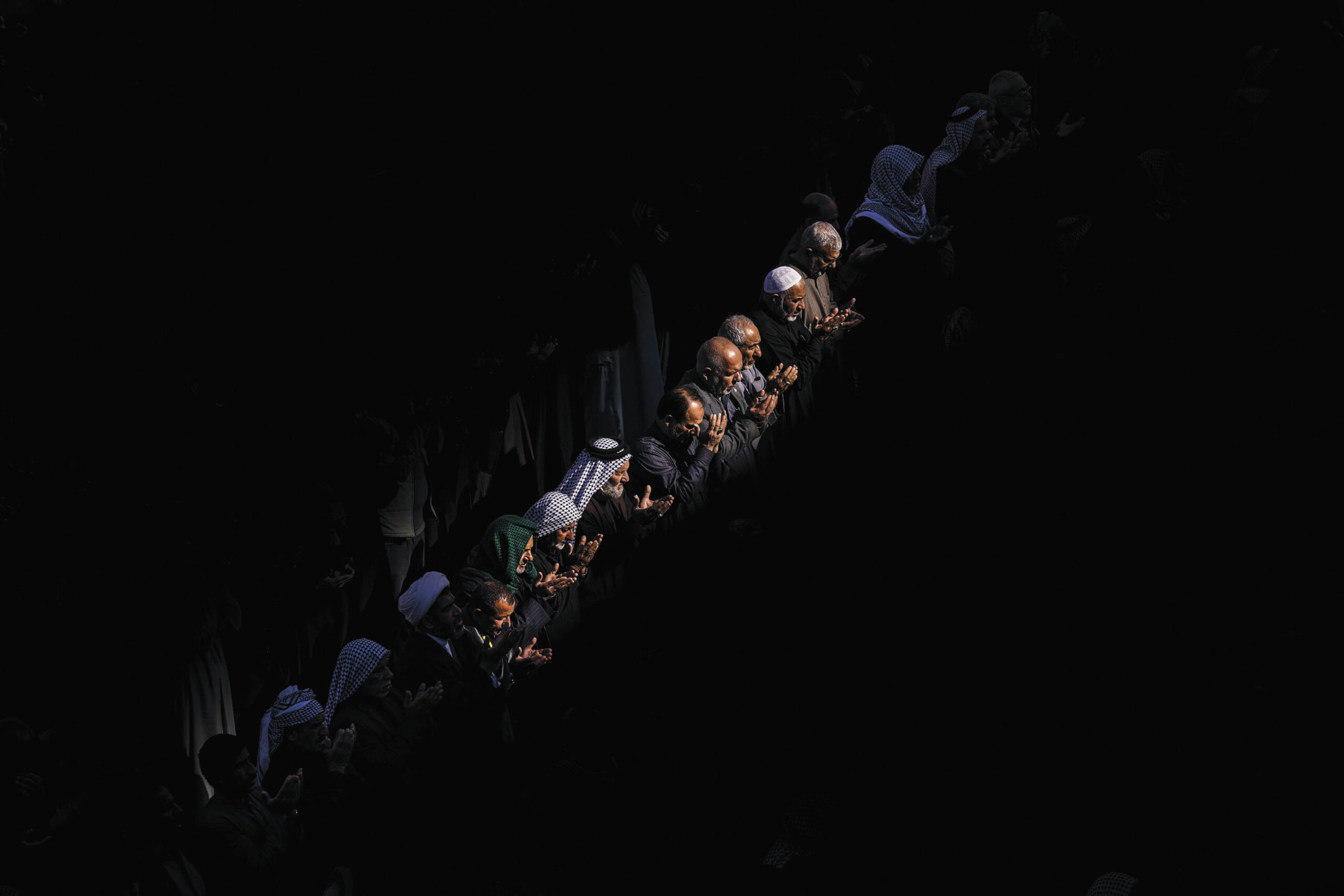
Um dos maiores desafios é respeitar a sacralidade do momento. Quando as pessoas estão em estado de adoração, estão num mundo próprio de ligação espiritual com Deus. Como fotógrafo, tento transmitir essas sensações e emoções sem interromper ou afetar esses momentos. O desafio está em equilibrar a captura de uma imagem que reflita o ambiente espiritual sem interferir na experiência da pessoa. Às vezes, a solução é fotografar à distância ou esperar por momentos que capturem a essência sem causar distração.
Como é que equilibras sensibilidade cultural/religiosa e expressão artística?
Esse equilíbrio é o desafio central no meu trabalho. Acredito que a arte deve ser capaz de inovar e exprimir-se de formas não-tradicionais, mas sem perder o respeito pelos contextos culturais e religiosos. Lido com isso pesquisando profundamente os temas que fotografo, entendendo as suas dimensões religiosas e sociais e procurando ângulos artísticos que destacam a sua essência sem conflitos. Às vezes, a inovação está em como apresentar a imagem, não em ultrapassar limites. A mudança nem sempre significa confronto, mas pode ser uma redescoberta da beleza de formas novas e culturalmente alinhadas.
A fotografia pode promover o diálogo entre grupos religiosos diferentes?
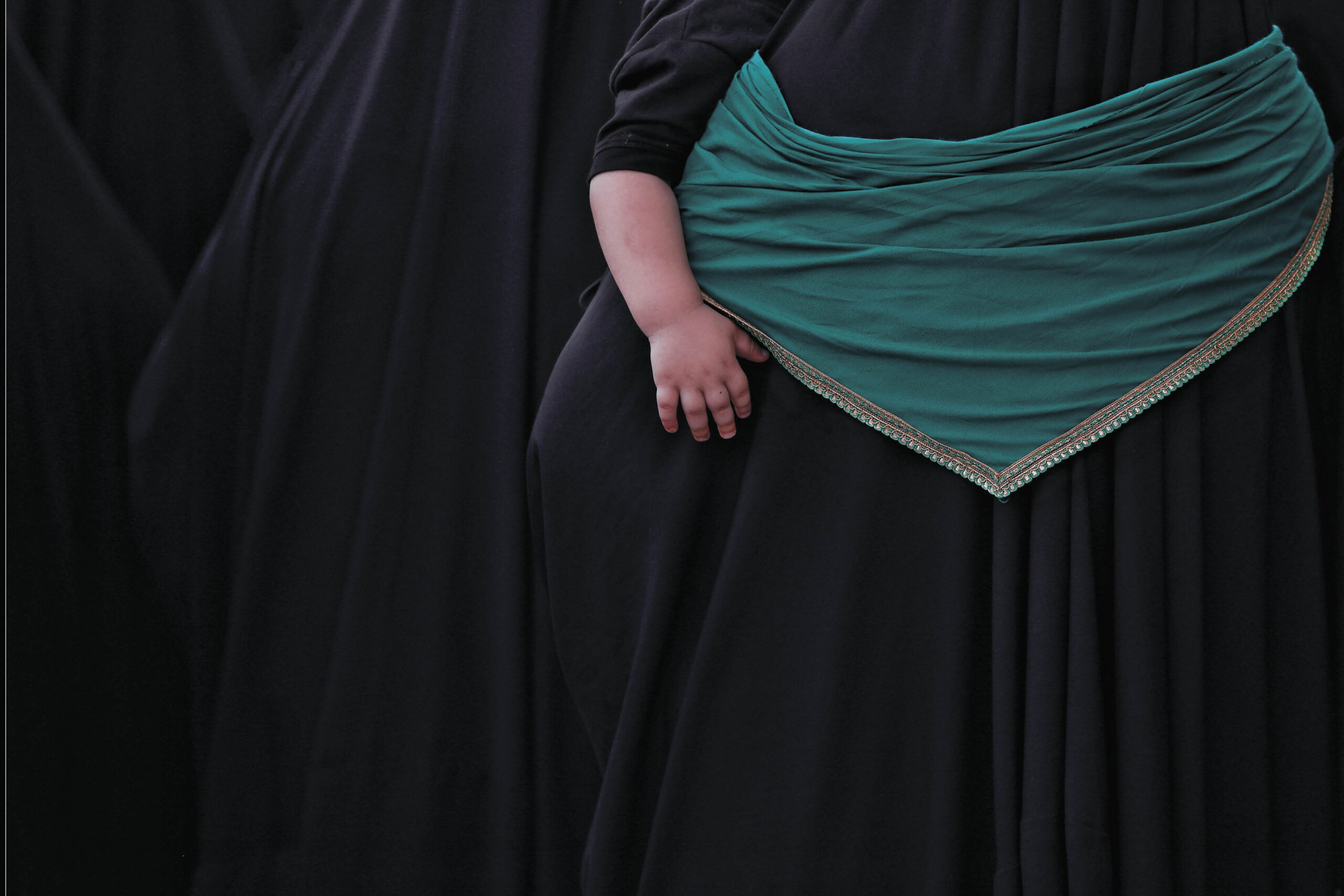
Certamente! A fotografia pode ser uma ferramenta poderosa para promover o diálogo entre grupos religiosos. Transcende barreiras linguísticas e culturais, apresentando momentos humanos genuínos com os quais todos se podem identificar, independentemente das suas origens. Quando fotografo rituais religiosos, concentro-me no aspeto humano, nas emoções, na fé, e em práticas que exprimem a necessidade de ligação com algo maior. Esse tipo de fotografia ajuda a criar compreensão mútua, reduz estereótipos e abre espaço para diálogos baseados em empatia, não em preconceitos.
Como é que a tua fé influencia o teu trabalho?
A minha fé não define o meu trabalho, mas direciona-o para um entendimento mais profundo da experiência espiritual humana. Vejo a fotografia como uma ferramenta para explorar os significados e emoções das práticas religiosas, independentemente das minhas crenças pessoais. O mais importante é abordar o tema com humildade e respeito, documentando momentos religiosos com uma mente aberta que permite aos outros ver o mundo sob novas perspectivas. No fim, a fotografia é um meio para entender a experiência humana, e a fé – em qualquer forma – é parte fundamental dela.
Há algum momento que te marcou profundamente como fotógrafo?
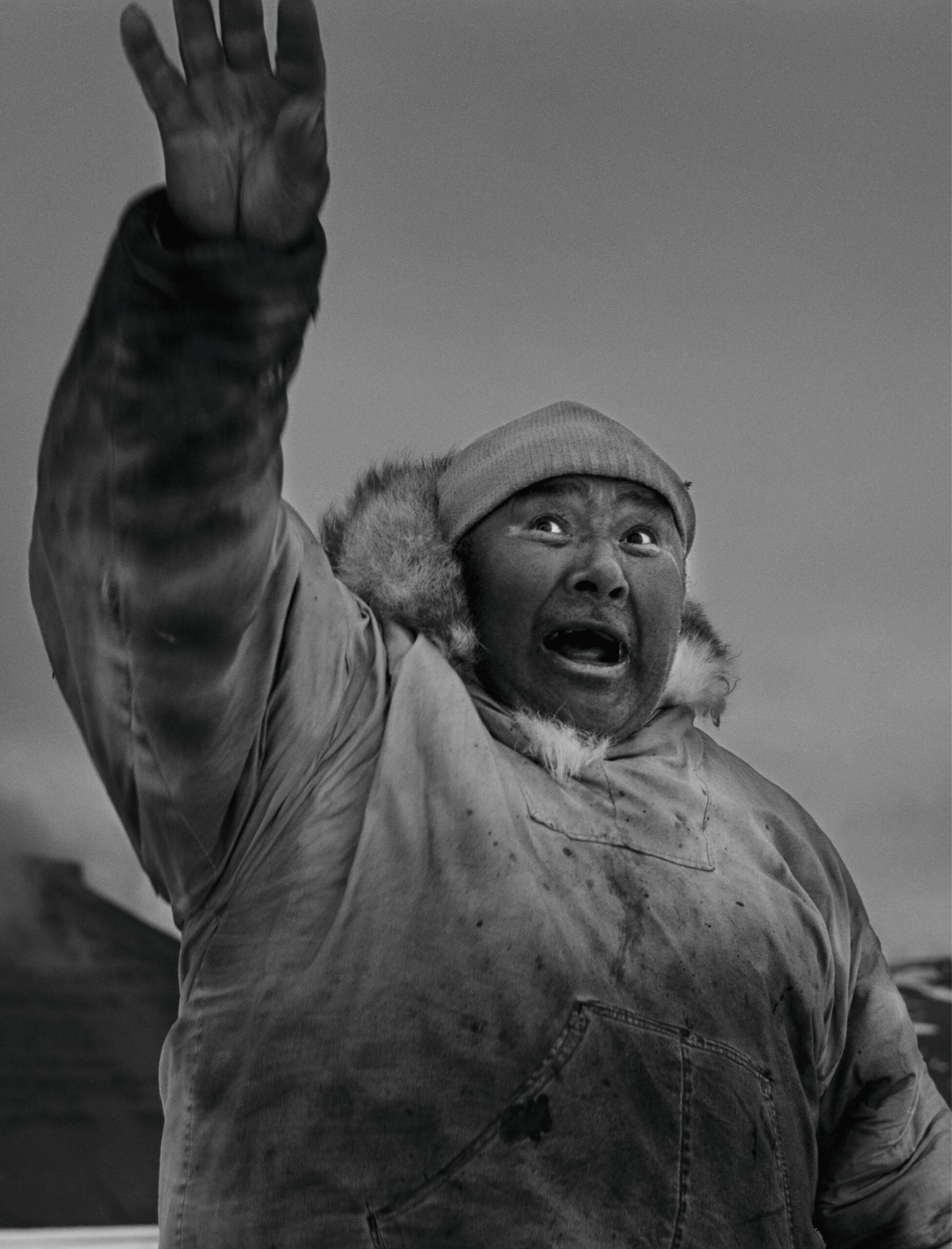
Sim, uma viagem para documentar uma comunidade noutro país. Vi-me num ambiente desconhecido e a conhecer pessoas e culturas através da minha objetiva. Foi um grande desafio, ensinou-me a ser mais aberto ao outro e a buscar histórias escondidas por trás de rostos e lugares. Senti o poder da fotografia em construir pontes entre culturas, e isso repercutiu-se profundamente no meu estilo fotográfico.
Como é que vês a cena fotográfica no Iraque hoje?
O cenário iraquiano está a evoluir, mas ainda enfrenta grandes desafios. Há muitos jovens com talento com visões artísticas profundas, procurando retratar a identidade iraquiana sob diferentes ângulos. Com as redes sociais, tornou-se mais fácil partilhar trabalhos e alcançar um público maior, mas isso também levou a um excesso de imagens que, por vezes, carecem de profundidade ou significado.