Rio Negro: Caminho enfeitiçado, destino comum
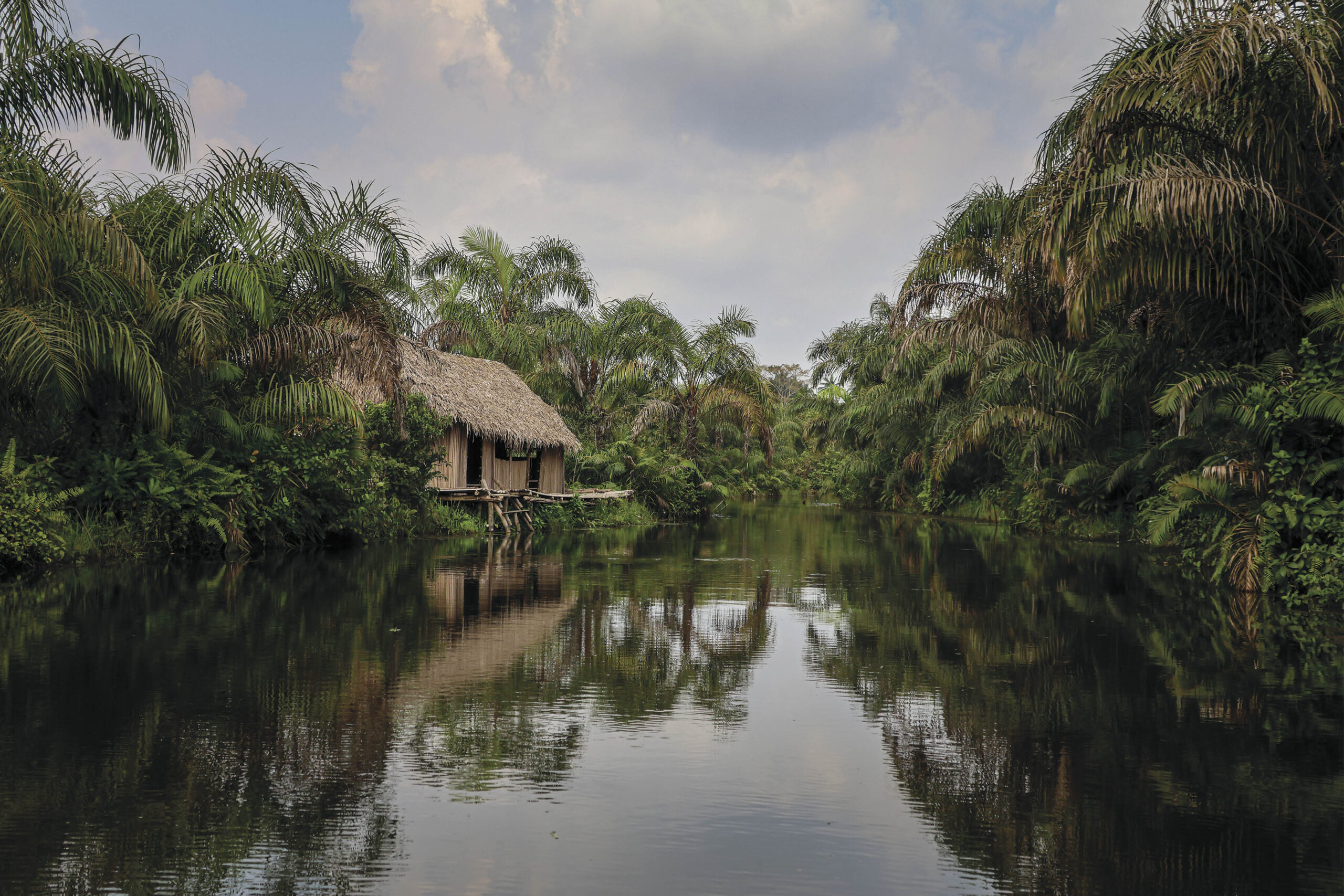
Entre Porto Novo e o coração do Benim, o rio Negro serpenteia discreto, mas vital. Mais do que água, é espírito e sustento: as suas margens guardam crenças, rituais e vidas que se entrelaçam com a corrente, lembrando-nos de que, aqui, o respeito pelos invisíveis é tão real como o quotidiano.
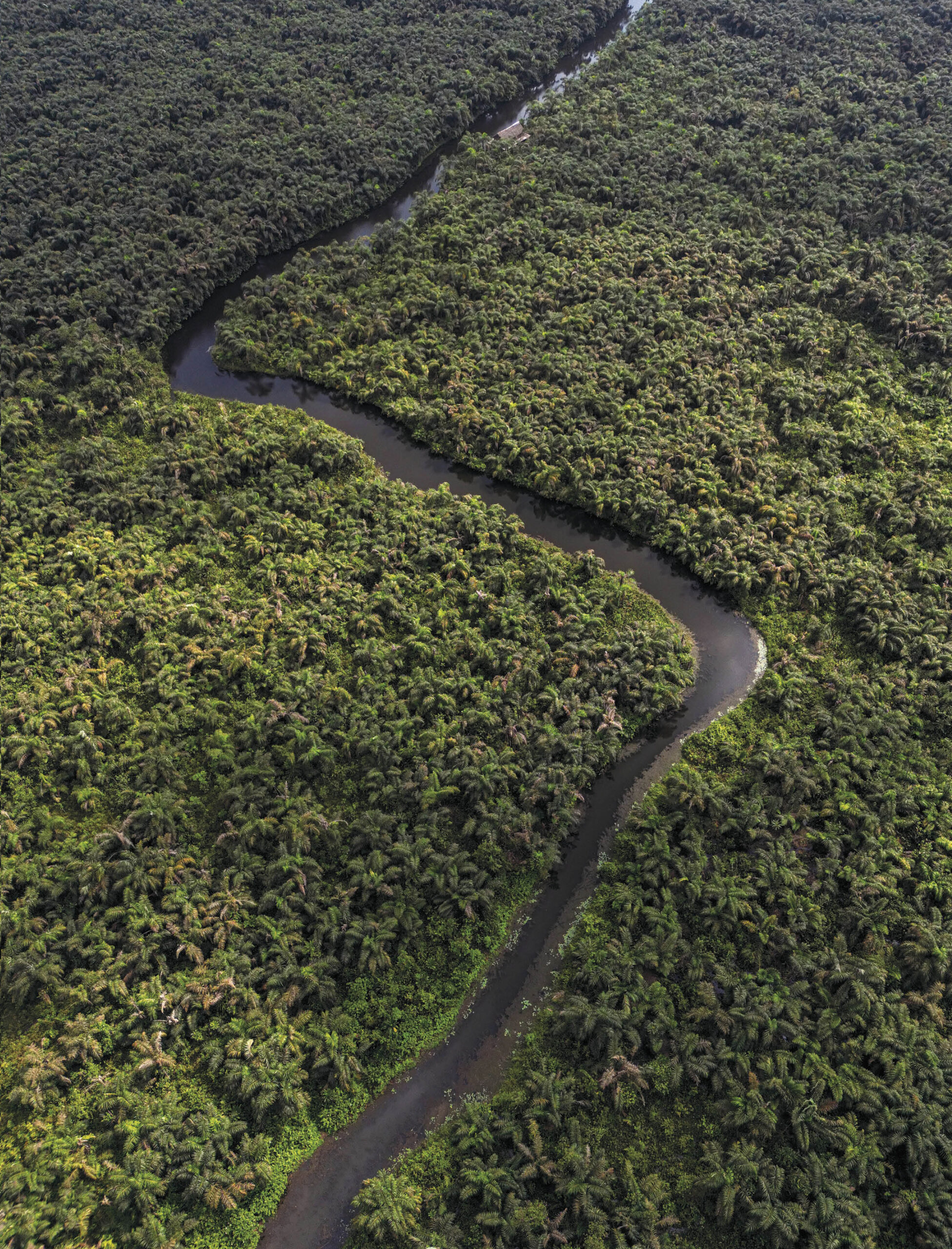
O rio Negro surge no fim de uma estrada poeirenta que sai do Norte da capital do Benim, Porto Novo. Surge escondido, sinuoso e aparentemente pouco relevante. Se chegámos até aqui pela estrada de terra batida, já fazemos parte da sua maré de influência, relativamente pequena: este curso de água é a linha vital da população que vive no extremo oposto ao seu início.
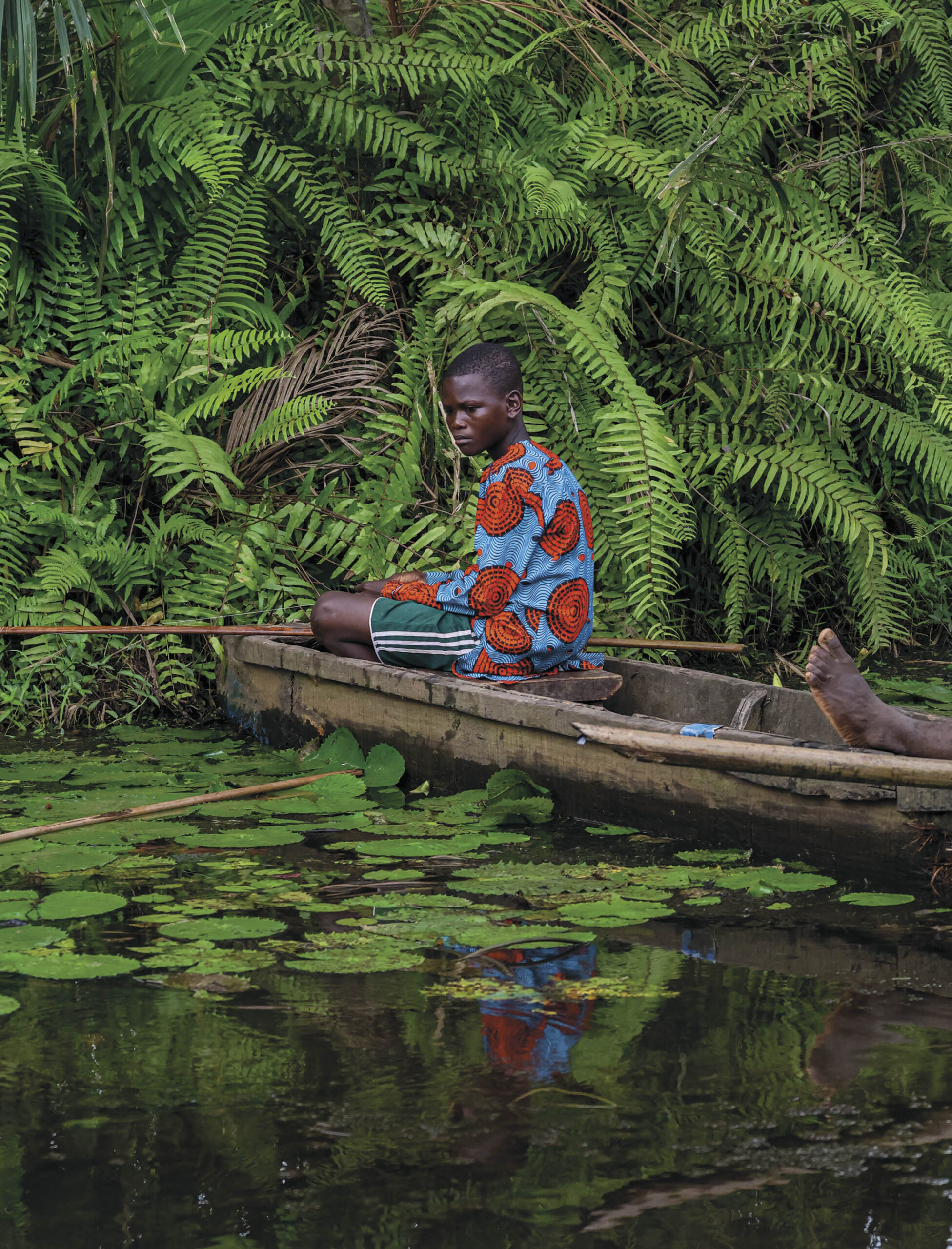
Deste lado, num pontão quase improvisado, não fosse a estrutura em alvenaria sem quaisquer sinais de que aqui existe uma espécie de terminal fluvial, flutua meia dúzia de canoas feitas à mão, com a madeira das árvores que enchem de verde a paisagem. Nelas, ao sabor de nada – a vegetação densa torna o rio impenetrável ao vento e a ondulação é inexistente –, os habitantes da vila que fica no outro lado lançam linhas, à espera de peixe.
Mas estas águas são mais do que aparentam: são a origem espiritual destas populações. Por evolução histórica, regra social e obediência natural aos elementos, o culto de idiossincrasias animistas conferiu ao rio um poder oculto, sob o qual se regem as famílias da região. Ao longo das margens, em contraste com as folhas deslumbrantes de plantas autóctones que nunca murcham,vemos bandeiras brancas, que, na tradição do vudu, sinalizam um ritual ou espírito.
Quem é de cá conta que no rio Negro habitam espíritos que o controlam, responsáveis por garantir o equilíbrio, providenciar alimento e proteção. É na presença dessas mesmas bandeiras que somos relembrados de que a importância deste lugar se estende muito para lá dos seus elementos físicos.
Diz-se que quem visita deve pedir permissão aos espíritos residentes para entrar neste ecossistema, seja para pescar, seja paratirar uma simples fotografia. Contam-se histórias de forasteiros que desrespeitaram as entidades residentes: alguns, ao lançar uma cana de pesca à água, viram as horas passar sem que nenhum peixe lhes mordesse o anzol; outros, como eu, ao explorarem com a sua máquina fotográfica, viram-na deixar de funcionar, sem aparente explicação: cartões de memória apagados misteriosamente, fotografias queimadas.
A crença popular é rainha e comanda o quotidiano, ao mesmo tempo que permite à comunidade proteger-se de interferências externas por sua própria determinação. A história da região, comperíodos de perseguição desde tempos pré–coloniais, levou populações inteiras a isolar-se e a procurar ferramentas de autossuficiência. Aqui, esse efeito da História perdura. É gratificante poder explorar um espaço protegido desta forma, quando resulta de uma curiosidade mútua e resultante de um interesse genuíno bilateral.
A cor da água é realmente negra. A explicação científica reside no tipo de sedimento do fundo, mas é muito mais encantador navegar com a explicação cultural em mente, aquela que dita que a entidade que habita o rio decidiu permitir a nossa viagem.
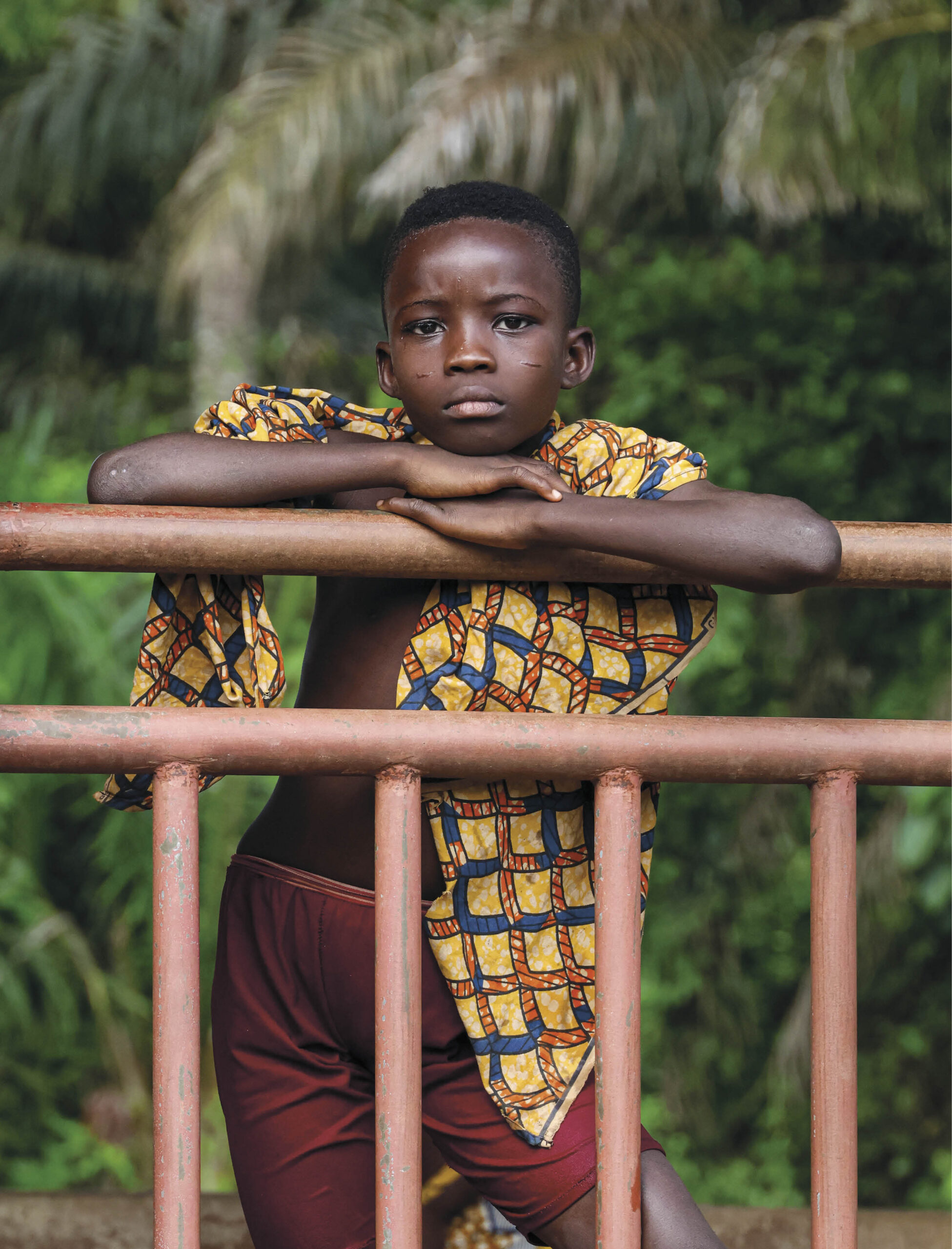
Ao chegar ao pontão, na outra ponta, é como se tivéssemosatravessado um portal: não que a paisagem seja muito diferente, mas porque se abre ante os nossos olhos um desenrolar de uma comunidade viva. As crianças correm entre as casas feitas de lama e palha, à procura de um ponto de observação seguro de onde possam admirar o estranho que acabou de chegar.
Os adultos oferecem vinho de palma, batem a farinha de mandioca e preparam ratos-comuns-africanos, também conhecidos como ratos-de-natal (Mastomys natalenses, uma espécie de roedor considerada carne do mato) para jantar.
Aqui estamos como em muitos outros lugares do mundo, de África. Não existe muito, mas está cá tudo. É inevitável pensar em quantos lugares semelhantes existirão para além deste, em que é preciso respeitar uma entidade que não nos é familiar nem faz parte da nossa estrutura de crenças para que lhe possamos aceder. Serão muitos mais do que imaginamos, com toda a certeza de quem está no meio desta normalidade rural tão comum em tanto lado.
O rio Negro é de onde vem a água para este mesmo jantar, para a fermentação do vinho de palma. É também de onde vêm as crenças de quem mora aqui, aonde vão para pedir bênçãos, prosperidade e ajuda quando aquilo que está ao seu alcance parece falhar. No grande prisma das coisas, só estamos aqui porque algo nos permitiu a entrada; na esfera humana, estamos aqui porque alguém nos trouxe cá e nos recebeu, como sempre, bem.