In the land of the Brave, Terceira reigns supreme
More than 800 elite athletes tackled the Azores Bravos Trail on the rugged island of Terceira, immersing themselves in the volcanic landscapes, traditions, and spirit of Terceira. More than just a race, it was a journey of self-discovery.
“A hundred kilometers isn’t the same as 100 meters! There are days when I don’t even cover that distance in this van!…” José Drumond spent a few years working the land and the rest of his life driving a taxi. No matter how many times he circles his island, Terceira will still have a circumference of 90 kilometers. “You’ve got to have guts!…”
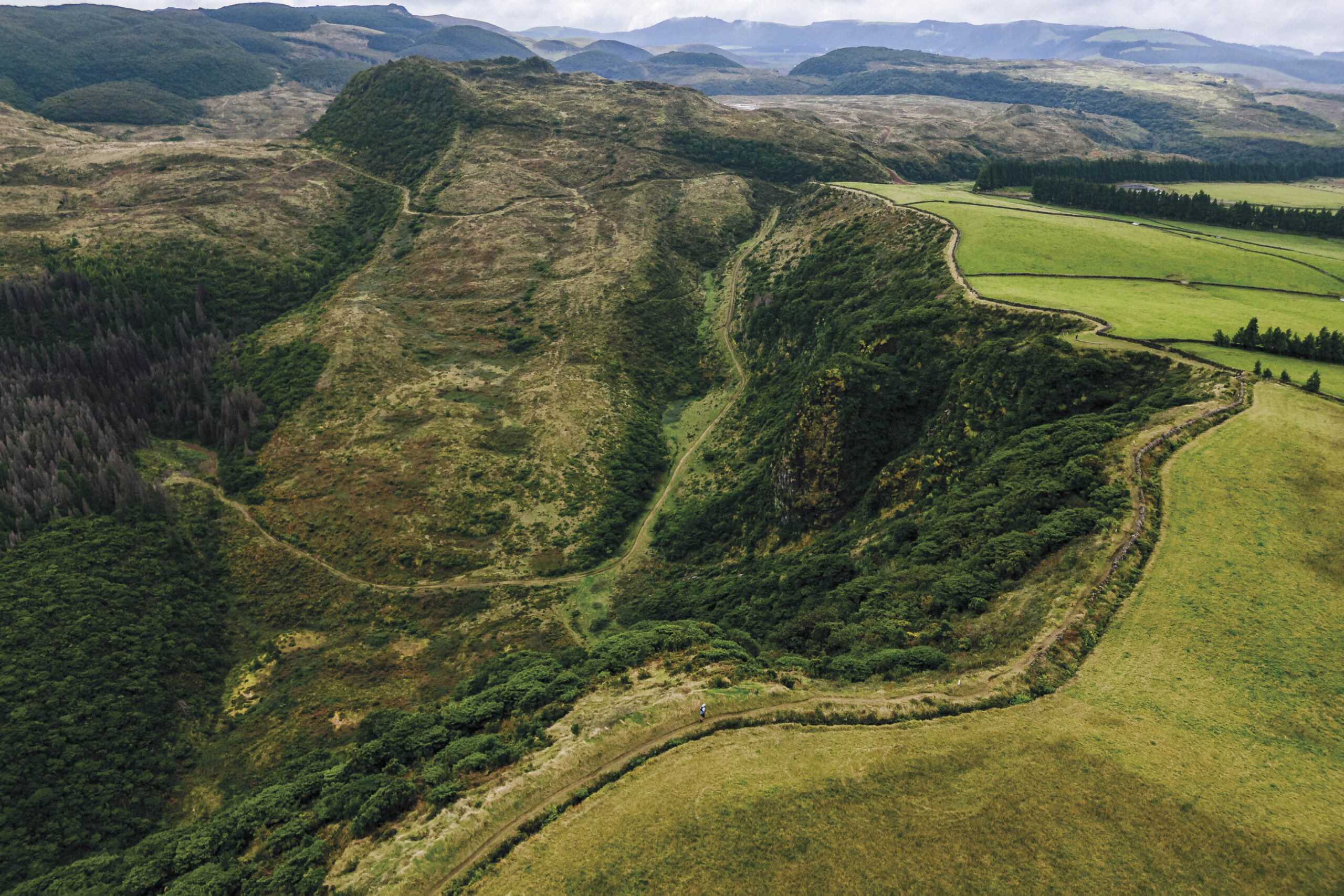
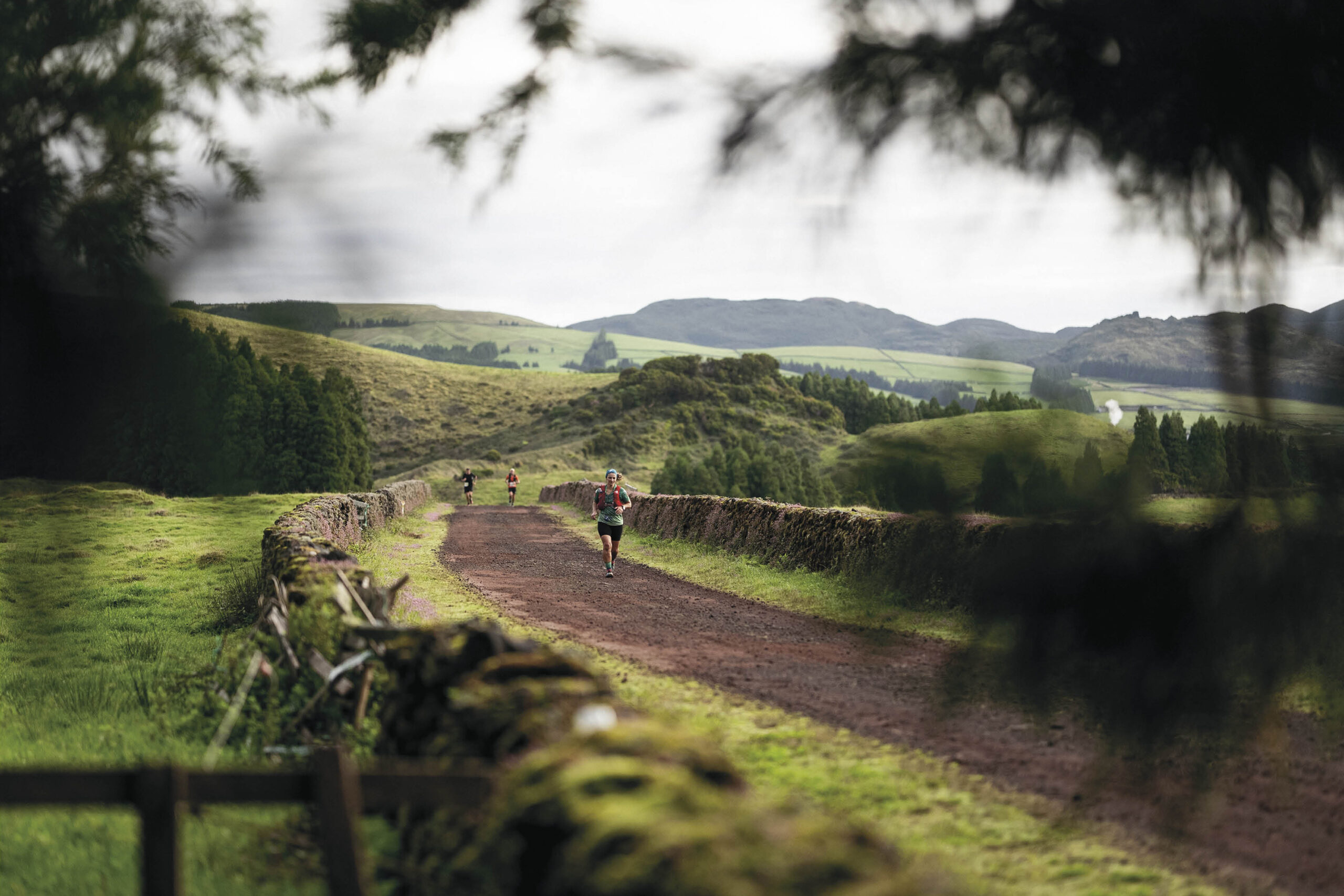
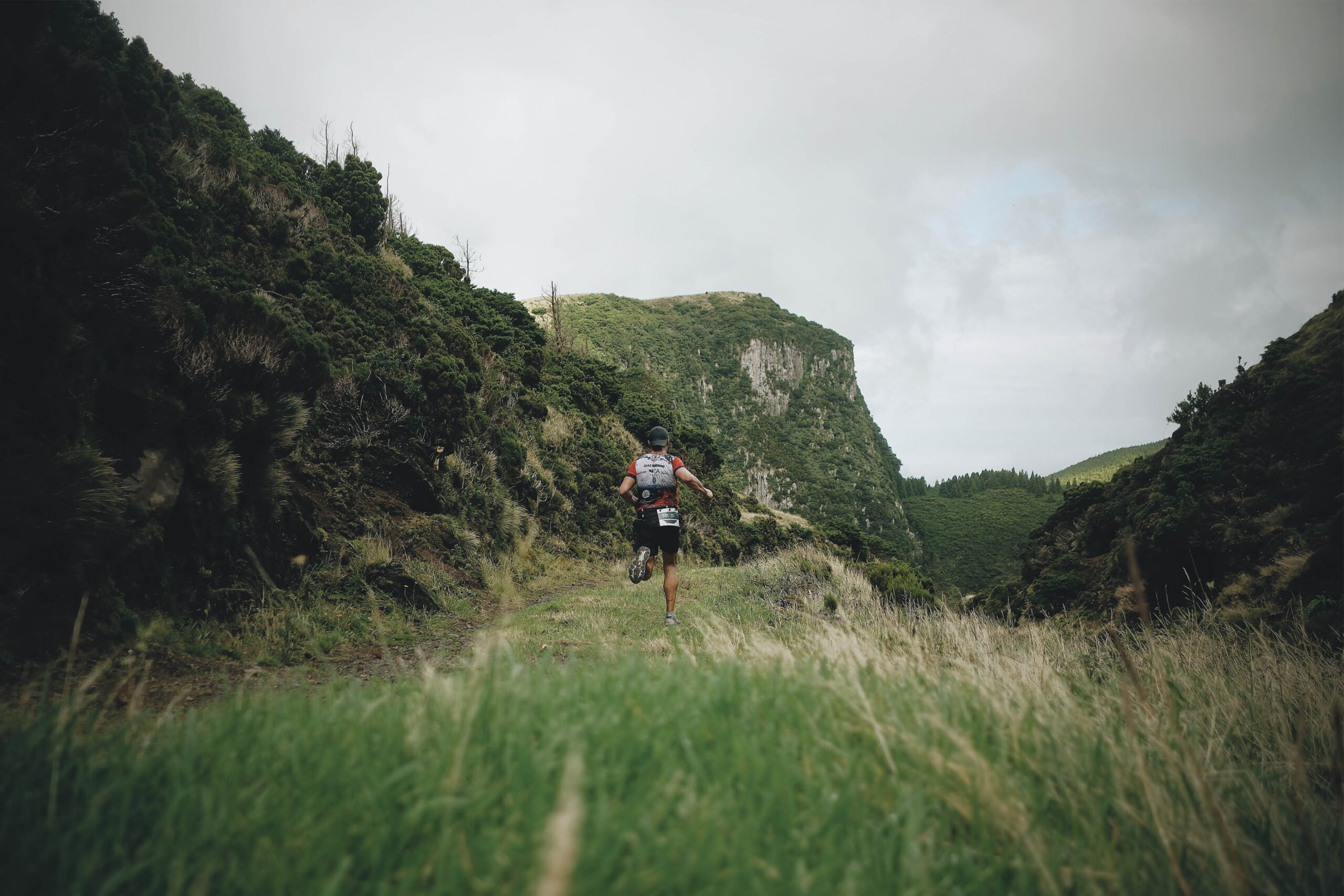
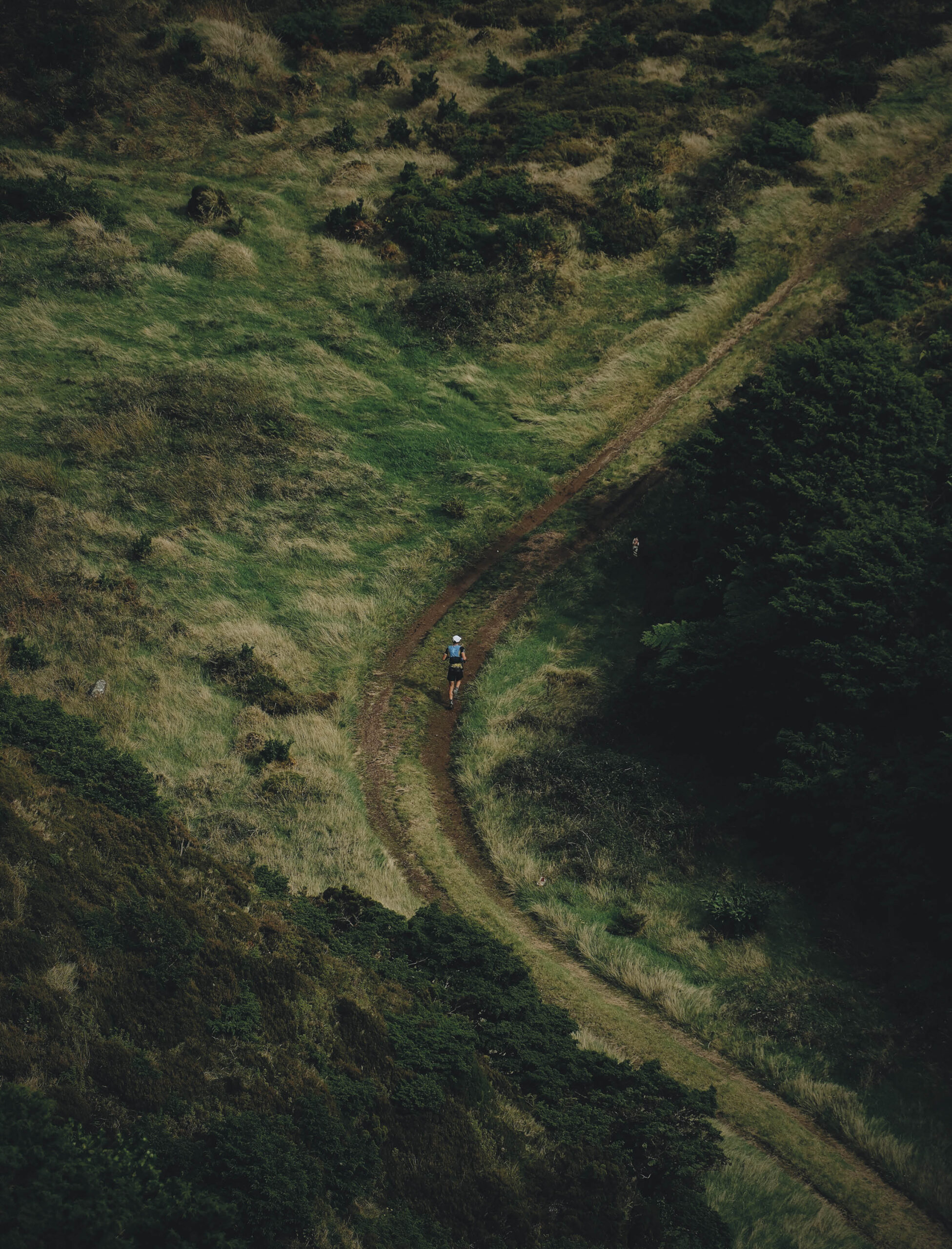
It takes courage for someone, at midnight, to follow the rocket’s trail and spend more than half a day running 100 kilometers, winding through the wildest and most serene island of the Azores, treading on moss and cobblestone streets, tufts of soft grass, muddy ditches and rugged rocks, facing the wind and the shifting weather on the hilltops, with the scent of fresh figs and cow dung, with the island’s green seeping into your eyes and the red of the earth and the voices heard in the distance — for on this island, there are no secrets.
With a fiery spirit and a garden-like charm, Terceira is at the mercy of super-athletes—men and women, tall and short, young and old—who have left home to run with no end in sight, with legs of iron and hearts of cotton — for life is like a box of chocolates. The island is for those who dare. Strength in the muscles, courage in the heart. Steep climbs, healing views, no audience, no spotlights. More than 800 people set out on this Azores Bravos Trail (AzBT) —they crossedthe finish line a little more human.
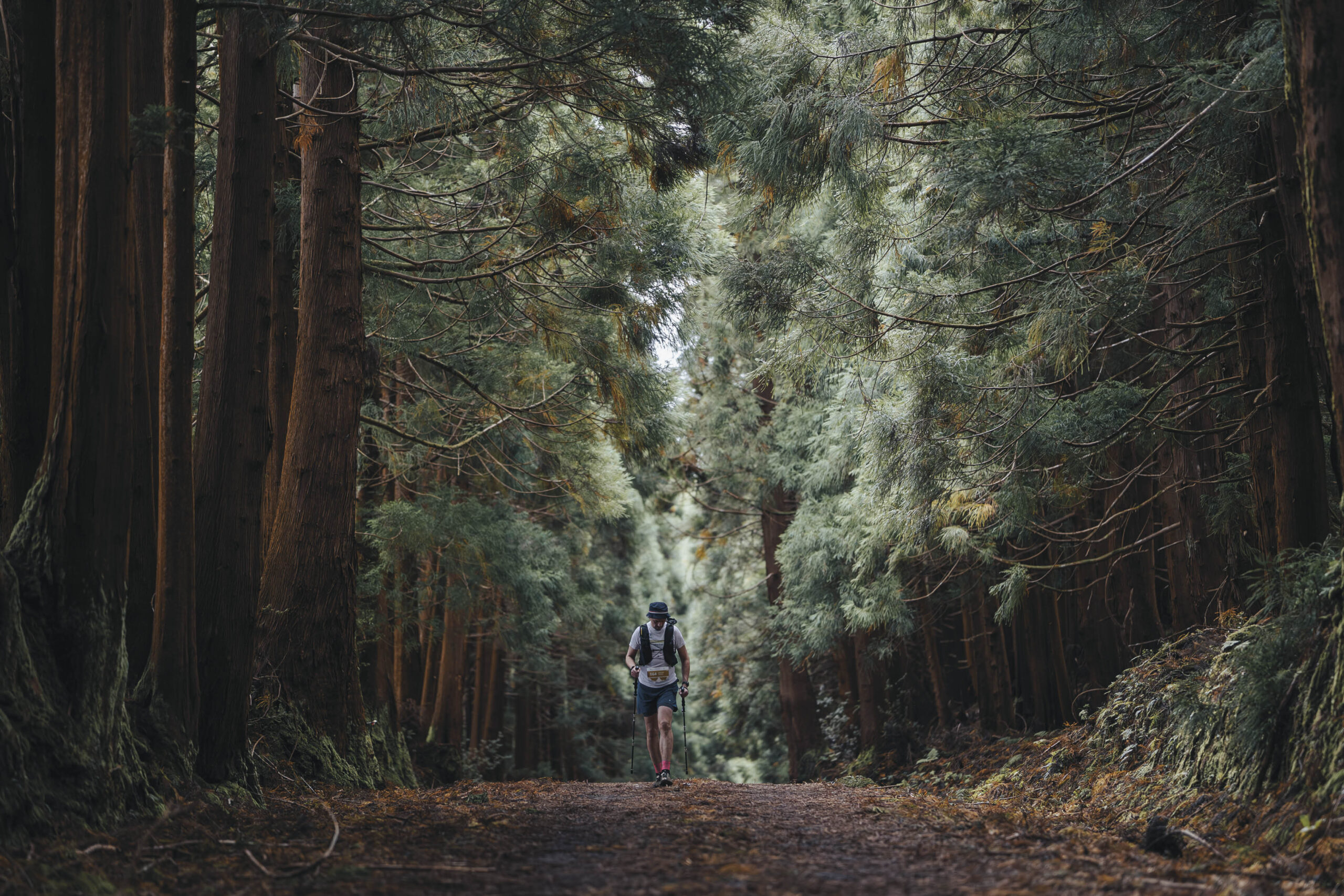
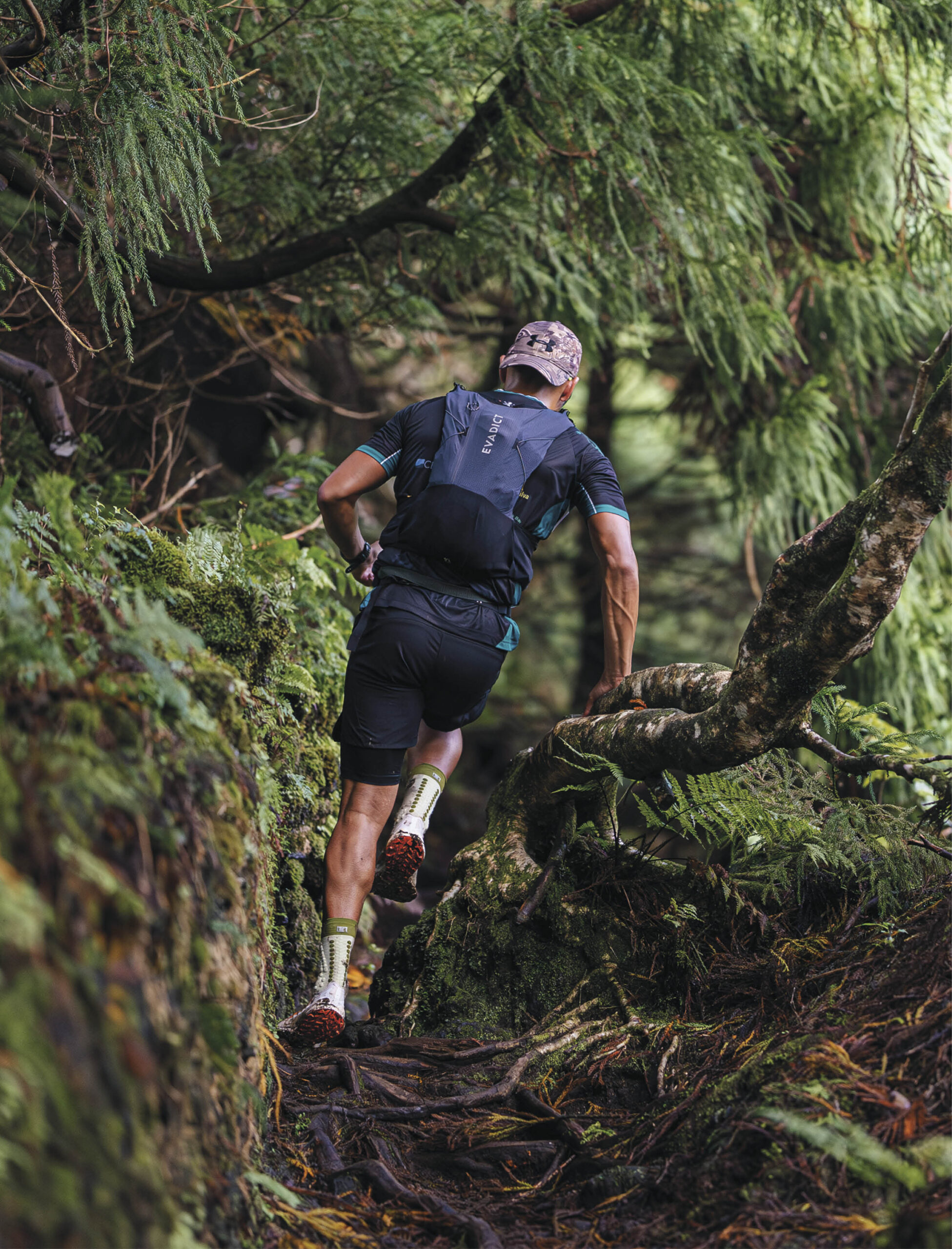
“Personal growth,” replies Márcia Pavão, with the whole night ahead of her to run and think about work, family, and life. “I think, ‘What am I doing here?!’” she smiles. “It’s a sport,” sums up Bruno Matos, race director, “but it’s more than just a sport.” There are woods and forests, gigantic tunnels of cryptomeria trees, cliffs, and dormant volcanoes — Rocha do Chambre, Algar do Carvão, Mistérios Negros, Furnas do Enxofre, Angra do Heroísmo. “Every kilometer is a tribute to the beauty of Terceira Island,” says Bruno. Among the four distances (100, 65, 35, and 15 kilometers), 250 local participants are taking part. “Many are passing through these places for the first time…”
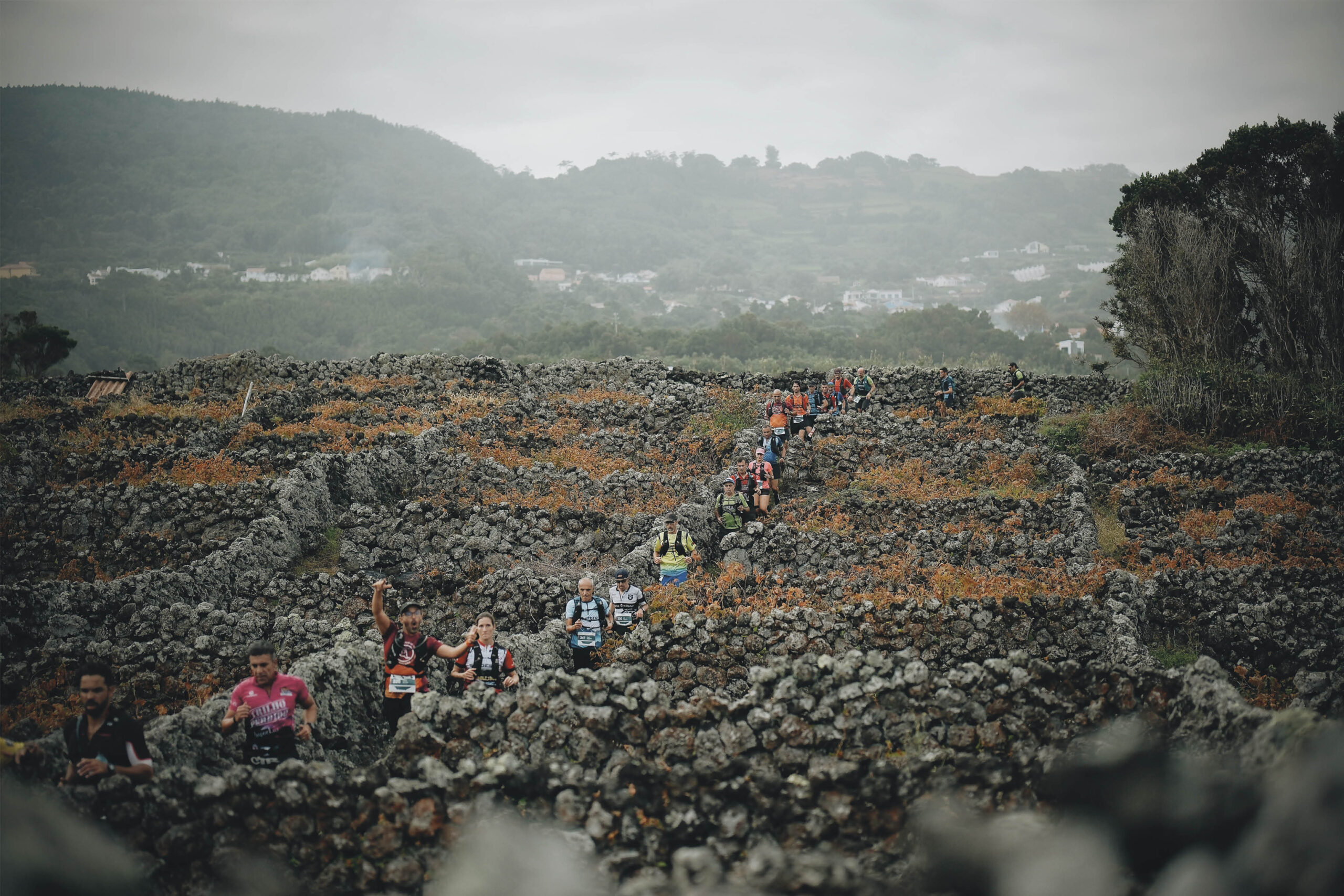
Bravos is also a tribute to the bravery of the people of Terceira, to the legend of Brianda, who, at the Battle of Salga, set the bulls loose against the thousand Spaniards who, on July 25, 1581, landed in Salga Bay; to the people who turn the alleys into celebrations and who weave language with geography. “No one gets lost here. You can always see the sea.” Between José Machado and the alleys lies a labyrinth of small enclosures, which contain low-growing vines scorched by the sea air. “There’s very little vineyard work because it yields absolutely nothing. Just for the fun of it…” Verdelho, the only traditional grape variety of the Azores, “is disappearing.” The sea is to blame—“on days of high tide, I wipe the windowpane with a steak and it gets seasoned”—and those who forget the basaltic lava soil that resembles broken cookies and pieces of stale bread and that cuts the skin of those who pass by in a hurry.
The term “biscoitos” was borrowed to describe a natural feature that, in turn, became the name of a planted seaside area. “Verdelho is a fantastic thing,” adds Telmo Costa, in the midst of the Vinho-de-Cheiro harvest, commonly known as Isabel. “People want things transformed, and we lose sight of what’s essential. These vineyards belonged to my godfather, who spent his whole life as a winemaker; today that’s unthinkable…”
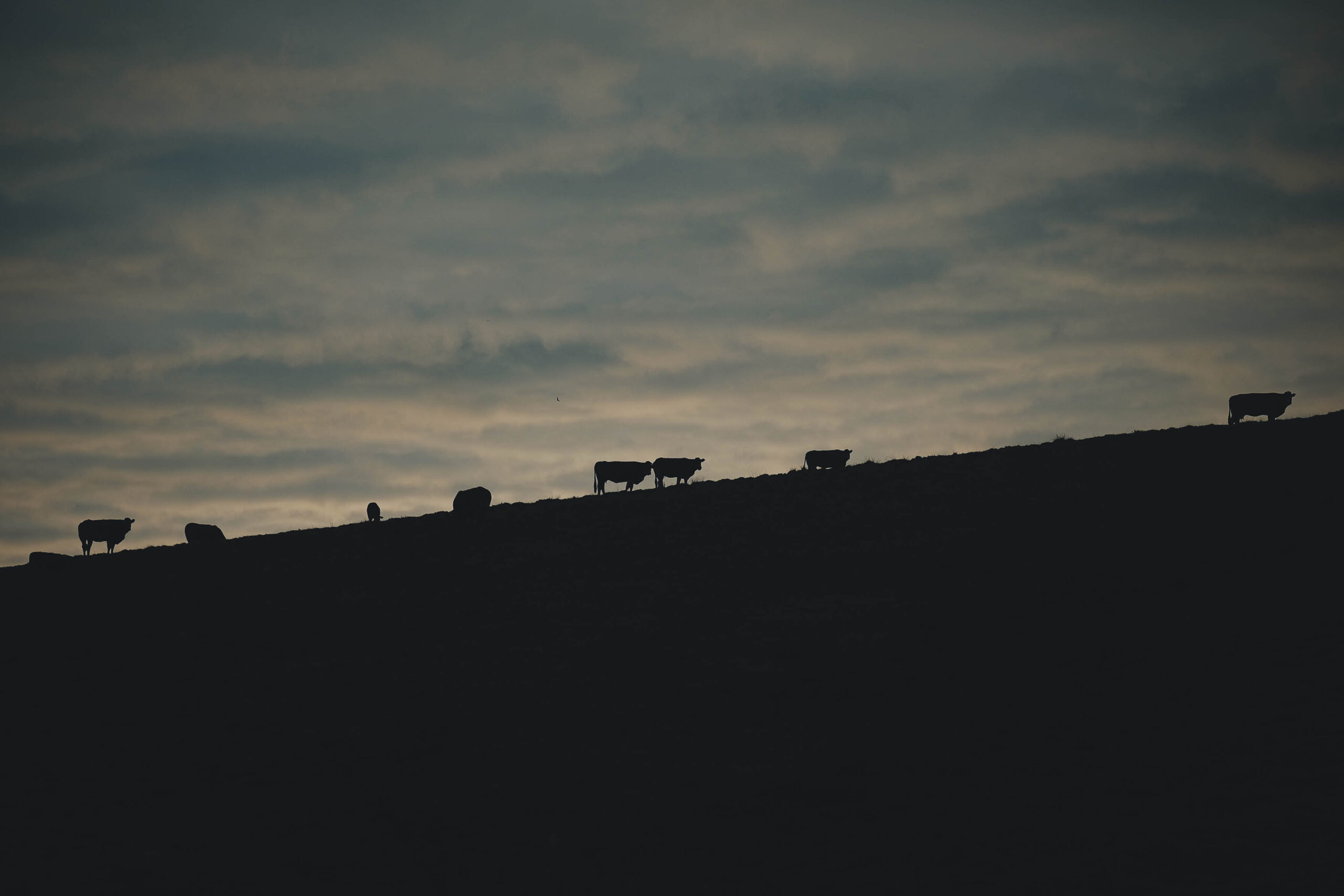
In this, there’s a trail race that’s both lost—and won—across the island. There are cows of every color taking precedence, tourists searching for landmarks on the map of an island going through growing pains, Hugo milking the goats, and festive alleyways filled with bulls tied up because they’re fierce.
Support for the Azores Bravos Trail