Matthieu Paley e os dez mandamentos do storytelling
Há quem vá a lugares extraordinários na esperança de regressar com fotografias extraordinárias. Matthieu Paley vai a lugares extraordinários, tira fotografias extraordinárias – e nem sempre regressa: ele fica, ele volta, ele aprende a língua, ele conquista a confiança, ele torna-se o tipo de pessoa que é convidada a regressar para o casamento, a próxima migração, o inverno rigoroso.
Há mais de duas décadas que viaja pela Ásia Central e por algumas das comunidades mais isoladas do planeta. O seu trabalho para a National Geographic caracteriza-se pela recusa em comprometer as histórias que conta e por um compromisso total com as pessoas que fotografa.
Conversámos longamente com Matthieu sobre a sua jornada e a sua abordagem à narrativa. A partir dessa conversa, destilámos algo semelhante a um manifesto. Chamemos-lhe Os Dez Mandamentos do Storytelling, dez ingredientes essenciais que, para Matthieu Paley, transformam um registo numa história inesquecível.
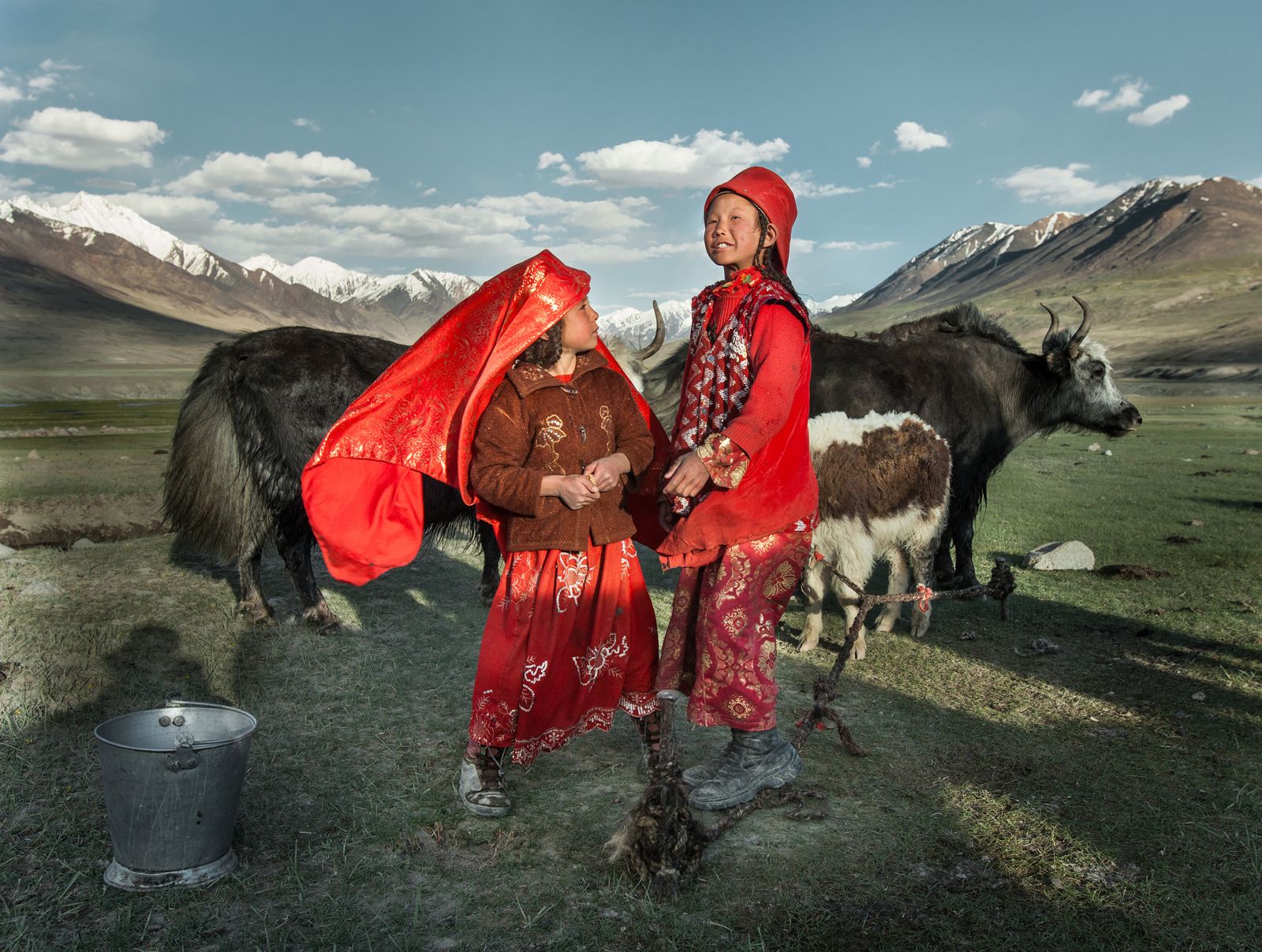
1. Contar histórias exige lentidão
Não se consegue contar uma grande história à pressa. A lentidão não é um obstáculo – é um ingrediente essencial. Pode ser imposta pelo terreno, pela distância, pelo facto de tudo ter de ser feito a pé. Ou pode ser uma escolha deliberada: abrandar para que a história se revele ao seu próprio ritmo. A pressa é inimiga da profundidade. Às vezes, lentidão significa uma década de idas e vindas…
2. Entra na piscina – não fiques atrás do vidro.
O fotógrafo que não compreende a língua, que não estabelece ligação, que observa de fora, estará a fotografar através de um aquário. Não queres isso. Entra na piscina com toda a gente e brinca. A experiência vivida é tão importante como a imagem captada. Se a experiência for profunda e comovente para ti, e se conseguires exprimir isso com as tuas imagens, comoverás os outros.
3. A curiosidade é a tua luz.
Na fotografia, a luz é tudo; na narrativa, a curiosidade é tudo. Sê incansavelmente curioso. Pergunta sempre. Aprofunda-te. Quando uma resposta te surpreender, é aí que deves prestar atenção: pode ser o início de uma história. A curiosidade não é apenas uma ferramenta – é a tua orientação, a tua bússola.
4. A imagem não deve dar respostas, deve suscitar perguntas.
O trabalho do contador de histórias não é fechar portas, é abri-las. Uma imagem que oferece uma conclusão imediata é uma imagem que se esgota a si própria. Uma imagem que levanta questões, que convida a querer saber mais, a ler a legenda – essa é uma imagem que permanece, cria mistério, brinca com o irreal, deixa espaço para a interpretação.
5. A complexidade é tua aliada.
Lugares, culturas, pessoas – tudo tem várias camadas. O atalho tornará tudo simples, dramático e fácil de consumir, mas a tua função é resistir ao atalho, destacar a complexidade, mostrar as camadas, quebrar estereótipos. Uma grande história é aquela que surpreende, que obriga a repensar o que se pensava saber.
6. Conquista a confiança antes de pegar na câmara.
Grande parte do trabalho acontece antes mesmo de tirares a câmara da tua bolsa. A forma como te mexes, como usas os olhos, como manténs a câmara guardada nos primeiros dias, como fazes conversa fiada, como tentas falar a língua – tudo isto constrói ou destrói a confiança. As pessoas percebem quando a tua motivação é verdadeira, não as podes enganar. E, se tentares, elas vão perceber.
7. Merece as imagens que crias.
Não roubes; não chegues, captes e saias como se nada tivesse acontecido. Faz o teu trabalho de casa, apaixona-te pelo lugar, aprende a língua, volta. Quando, finalmente, entrares no espaço das pessoas, fá-lo com a confiança de quem merece estar ali. É saber que investiste o suficiente para que essas imagens não sejam um roubo, mas uma troca.
8. Sê palhaço, deixa alegria garantida.
Podes nunca mais voltar a ver aquelas pessoas, podes nunca lhes levar uma fotografia impressa, mas há uma coisa que podes sempre deixar para trás: um momento de alegria. Sê pateta, mas com respeito! Conta piadas, ri-te. Se partires e a memória que ficar for “aquele tipo era divertido, rimos tanto” – isso já é um legado. É garantido, não depende de publicações, de revistas, de nada. Depende apenas de ti.
9. Trata a imagem com ajuda, esquece a emoção do momento da captação.
O tratamento da imagem não é um ato de violência nem de amor – é um ato de dedicação, e é essencial ter outros olhos para ajudar, porque eles não sentem a emoção que sentiste quando carregaste no obturador, não sabem quanto essa imagem te custou, e, por isso, conseguem ver o que realmente funciona. Aprende a deixar ir, as tuas imagens não são os teus filhos, fazem parte de uma história maior.
10. Encontra uma história que te mantenha acordado à noite.
Não escolhas a fotografia para te tornares famoso, para viajar ou para trabalhar numa revista. Escolhe-a porque há histórias que precisam de ser contadas – e que te perseguem até lhes dares voz. Isso pode demorar dez, 15, 20 anos. Não importa. O que importa é que acredites que, mesmo que não encontres o que foste procurar, algo igualmente poderoso te espera. Há sempre alguém com quem te ligares; todos têm algo de mágico, isso é garantido.