Só o deserto liberta os Tuaregue
Nos confins da Argélia, perto da Líbia e do Níger, há um Saara que não se resume a um infinito vazio desértico, antes a um milenar oásis cultural dos homens azuis, os tuaregues – um povo de estrutura tribal sem nação, mas refém de uma geopolítica colonialista que silenciou as suas rotas de caravanas e empurrou nómadas para guias turísticos. Em Djanet, luta-se pela preservação das tradições imemoriais, olha-se de soslaio para a modernidade e ainda se sonha com uma vida plena, em liberdade, de volta ao deserto.
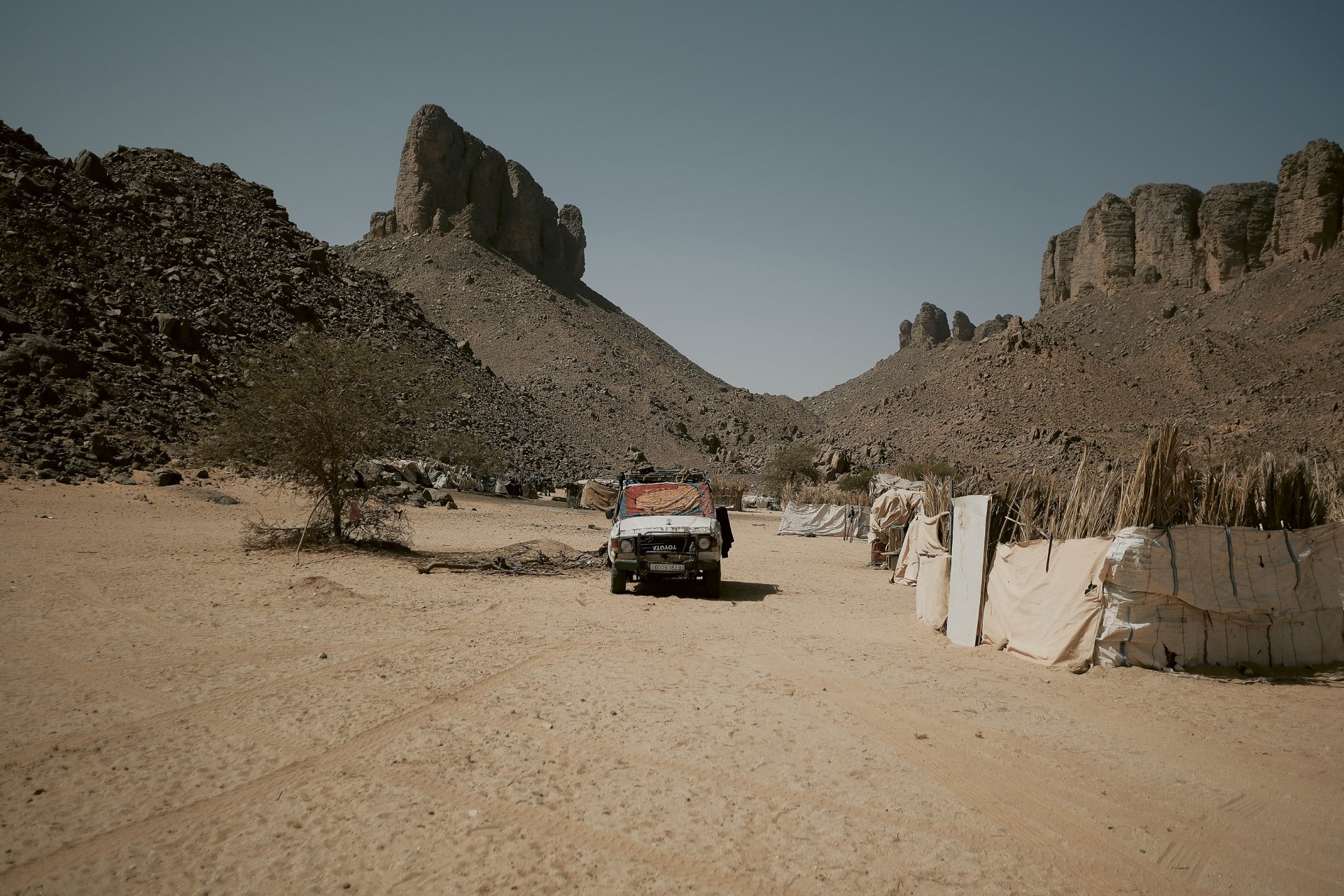
A aldeia que se espraia no vale ao fundo da falésia dramática da qual o admiramos já não tem vida humana. Consecutivos anos de seca tornaram os solos estéreis e obrigaram os tuaregues a partir. Os temíveis piratas do deserto foram expulsos por uma terra que se recusava a alimentar os seus filhos. Prometeram voltar com a água – não aconteceu. Uns persistem na existência nómada de pastorícia e comércio, outros cederam à confortável “prisão” da cidade.
O sol inclina-se sobre o vale de Idaren, pintando as imponentes encostas que o ladeiam em tons ocres. As cores quentes e o calor cedem abruptamente ao frio gélido que se instala com a noite, enquanto o céu nos presenteia com um vasto oceano de estrelas. É hora de escutar o silêncio.
“O primeiro chá é amargo como a morte, o segundo forte como a vida, o terceiro doce como o amor”, brinda Hamid Hafach, ajeitando o seu tagelmust (turbante azul), seguindo o ritual de hospitalidade atay, profundamente enraizado na sociedade nómada. Traja de azul-índigo, por aqui a cor mais nobre.
O fumegante chá de hortelã-pimenta fresca e o crepitar do fogo que nos aquece alimentam horas de conversa neste extremo sul da Argélia, o maior país africano, no Parque Nacional do Tassili n’Ajjer, reconhecido pela UNESCO como um dos maiores museus a céu aberto do mundo. Desvenda-nos uma cultura milenar cuja preservação tem sido desafiada pelas pressões do século XXI.
“Imuhagh ou imazighen (os homens livres) são termos mais adequados para aqueles a quem vocês chamam tuaregues (tawariq, em árabe), pois há quem traduza a palavra como abandonados por Deus”, sentencia Hamid. Na verdade, este povo em liberdade só conhece as fronteiras impostas pelos europeus, uma vez que não tem país (está espalhado sobretudo pela Argélia, Líbia, Mali, Burkina Faso, Níger e Mauritânia, agrupado em quatro grandes regiões, cada uma com o seu rei, ainda respeitado e com representação institucional), nem, idealmente, casa com paredes, já que, para um nómada, o infinito céu azul é o teto da sua tenda.
“As fronteiras são linhas que os europeus desenharam na areia com réguas, sem nunca terem posto os pés aqui. Para nós, o deserto não tem alfândegas”, sentencia o senhor Aksil, imazighen de Tamanrasset (um dos quatro reinos deste povo), referindo-se à Conferência de Berlim (1884-1885) e aos acordos subsequentes, nos quais as potências do Velho Continente se banquetearam a dividir a África entre si sem considerar as realidades etnográficas, culturais ou geográficas locais. Por isso, muitas fronteiras no Saara e Sahel são meras linhas retas no mapa, como se apenas demarcassem o vazio. Desconhecem a sabedoria milenar nómada que nos diz que enquanto houver quem saiba ler o vento, o deserto continuará a falar.
“O Saara é um oceano de areia e nós somos os seus marinheiros. Durante séculos, os nossos camelos ligaram o Mediterrâneo à África negra, transportando sal, tâmaras, ouro e histórias. O meu avô ia de Tombuctu (Mali) ao Sul da Líbia sem precisar de passaporte. Hoje, se eu seguir os passos dele, sou um contrabandista. A pergunta não é como lidamos com as fronteiras, mas como é que as fronteiras deixaram de lidar connosco…”, complementa o sexagenário Aksil.
A tradicional visão colonial insinua que o deserto é somente um imenso vazio. Para os tuaregues, o Saara é o palco de circulação ancestral, cultura nómada e seculares redes de comércio transaariano. As fronteiras são obviamente alienígenas à população local, existindo unicamente para benefício externo ou controlo, ignorando a identidade e o modo de vida daqueles que habitam o deserto. O colonialismo separou famílias por vários países, erguendo-lhes muros.
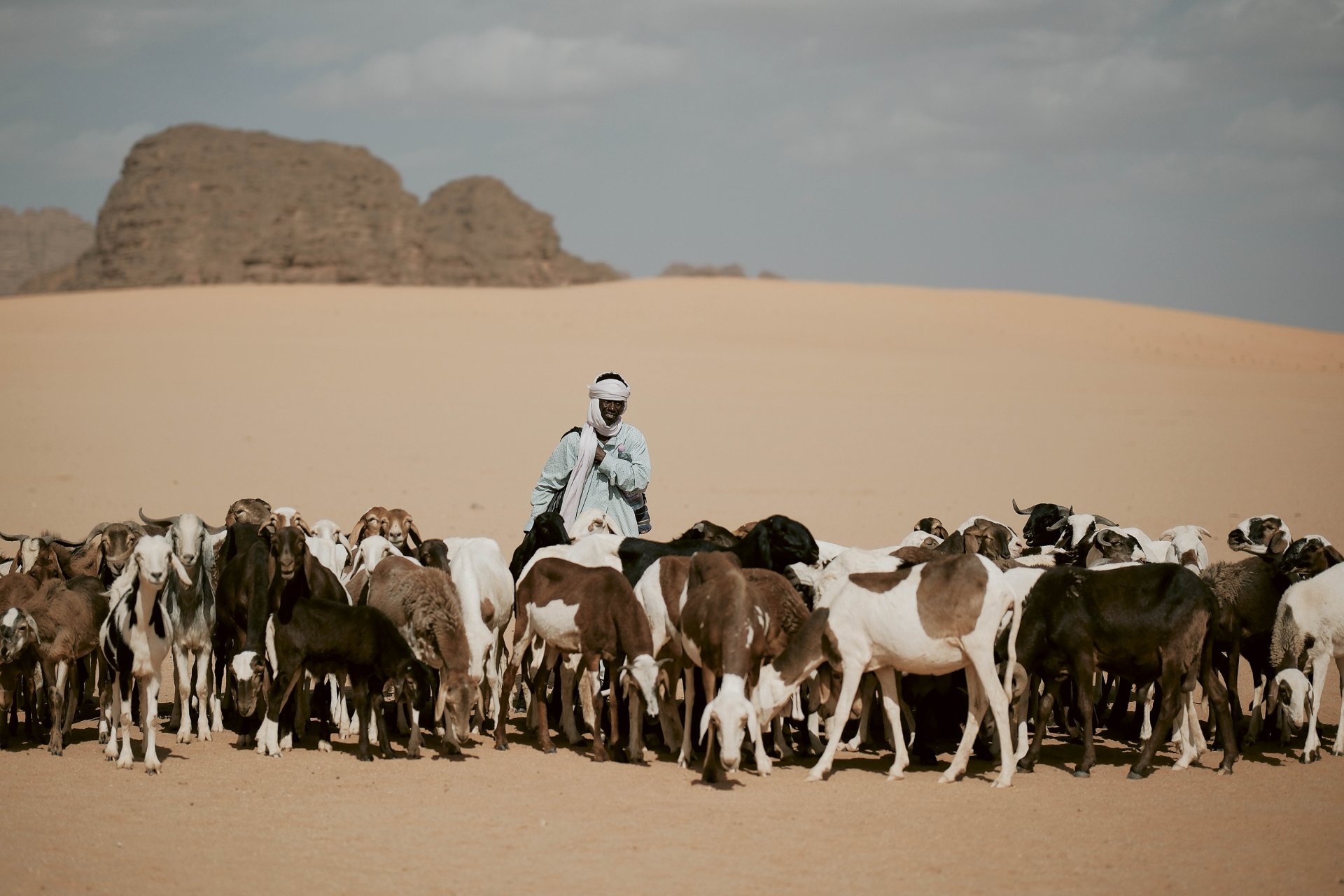
Aqui, dromedários e cabras simbolizam riqueza, que deambula livremente pela inóspita paisagem. Tatuagens no pescoço dos animais de bossa única indicam a que tribo pertencem, evitando-se disputas.
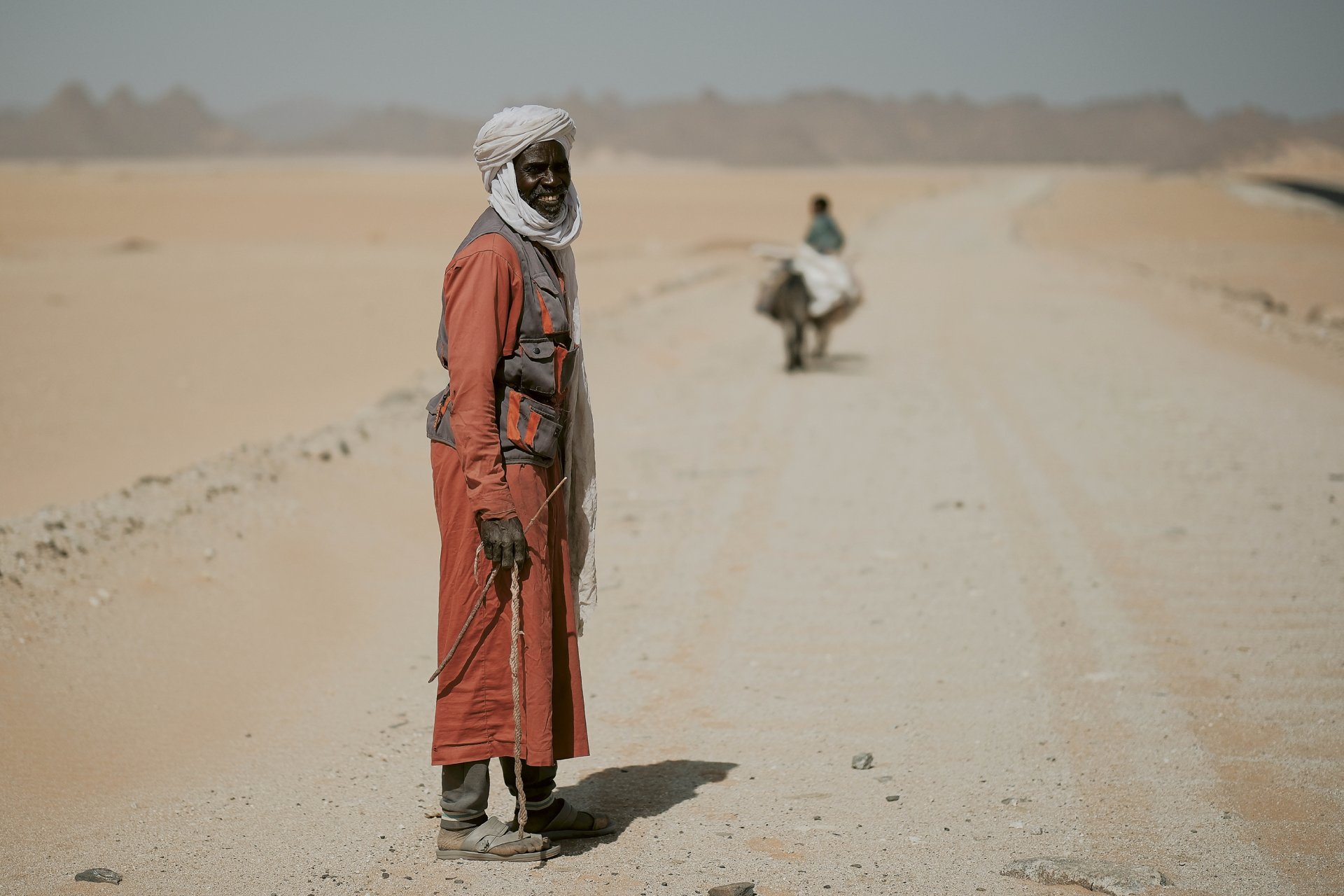
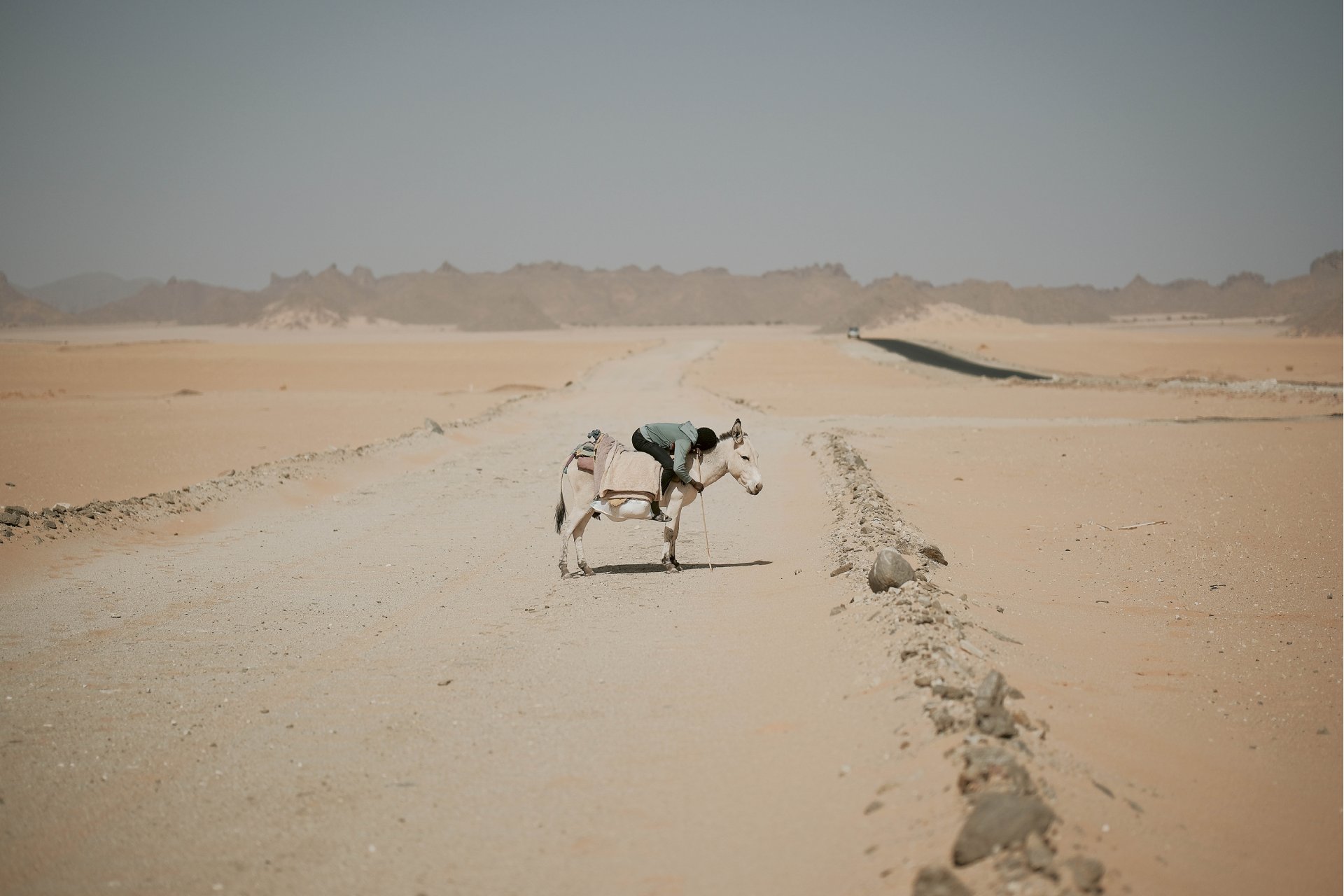
Seguimos há horas em cenário desértico até que no monocromático horizonte se começam a destacar as silhuetas de um homem e do seu filho pré-adolescente, montados num dos dois burritos do pequeno grupo. Vagueiam em busca dos dromedários que têm sob sua responsabilidade. Imagino Ibrahim completamente perdido, mas nada disso: o meu olhar é que é inculto e destreinado, já que não faltam modos de ler as paisagens. Para ele, estrelas, rastos, dunas, sol, vento, sombra… tudo são instrumentos da sua bússola mental. O deserto está repleto de sinais e caminhos, só ao alcance de olhos que veem.
Ibrahim procura reunir uns quantos dromedários para levar ao mercado da poeirenta Djanet. Este imazighen vive num dos poucos acampamentos nómadas que encontramos. Estima-se que a população tuaregue atinja os quatro milhões; porém, na Argélia, são cerca de 150 mil e apenas uns 10 por cento mantêm a tradição de viver livres, sem se render à natureza agreste nem se deixar seduzir pelo conforto. Antes de se despedir, agarra numa tábua, esquecida no deserto, que servirá para atiçar o lume do almoço.
“Só os fracos ficam na cidade”, recorda-nos, repetidamente, Hamid, assumindo que o bem-estar de Djanet é uma espécie de rendição. “As casas são os túmulos dos vivos”, reforça, numa crítica aos “escravos” apanhados pelo sedentarismo e presos em areias movediças. No seu caso, divide os dias entre a comodidade da urbe e a paixão pelo deserto. Para os tuaregues, “a liberdade só existe sob um céu aberto”.
No passado, o tempo media-se em estações e as notícias chegavam ao ritmo das caravanas, uma vez por mês. Um casamento ou a morte de alguém poderia levar meses a saber-se. Hoje, os pastores têm telemóveis. O simpático Ibrahim já deve estar a par do preço dos animais no mercado de Djanet antes de lá chegar. Contudo, também saberá que há uma seca no Níger e guerra no Mali. A tecnologia encolheu o deserto e aumentou as preocupações.
Inquietação é algo que não sentimos quando a estrada desagua na pequena aldeia de Ihrir. A água que falta à paisagem jorra aqui, em abundância, das profundezas do Saara. Do nada, entre penhascos e solo árido, um oásis exuberante, com fontes naturais transformadas em piscinas que rejuvenescem, que nos renovam a energia. Ninguém notará se usufruirmos deste éden de biodiversidade como nos primórdios da Terra.
Os homens de azul amam a liberdade, mas muitos acabaram na cidade, “aprisionados” em casas de blocos de cimento, deixando os privilégios de uma existência nómada para se dedicarem ao turismo, como guias, artesãos, condutores, cozinheiros… deixando Djanet praticamente deserta durante o dia.
O mercado é calmo, pelo que uma fotografia urbana revela bastantes jovens em idade escolar, munidos de telemóvel. Aprendem o árabe, o francês e, desde 2021, o tifinagh, um sistema de escrita ancestral de origem berbere – milenar, com formas geométricas que remetem para uma simbologia arcaica, preservada nas rochas do Saara – que as gerações mais velhas insistem em ensinar à noite, à volta do lume.
Mas não é apenas a língua que se quer manter viva, fazendo-se o mesmo com as tradições e a dotação da habilidade de se poder continuar a viver em liberdade, no deserto – sempre o deserto. As famílias instruem os mais jovens na leitura das estrelas, a interpretar a direção dos ventos e os distintos significados das sombras, no verão e no inverno; a seguir rastos, a encontrar água e o melhor refúgio; a perderem apenas o rasto da idade – que muitos deixam de anotar.
A tecnologia pode falhar, a capacidade de sobreviver no deserto, não, nem o asshak, palavra sagrada que representa um código de honra, mais respeitado pelos tuaregues do que as próprias leis, um conceito que não tem tradução perfeitamente definida, mas que mistura dignidade, ética, moral, coragem, hospitalidade, resistência, reserva, o valor da palavra dada. Sem asshak, somos homens sem alma, pessoas que a comunidade naturalmente rejeita.
Os berberes tuaregues e os árabes têm-se misturado e constituído família. Também por isso, anciãos e líderes religiosos continuam a ter peso importante nas decisões: enquanto imãs e sábios islâmicos, têm um papel central na mediação social.
A sociedade tuaregue divide-se tradicionalmente em grupos, ou seja, líderes, guerreiros e trabalhadores; porém, há uma classe especial, a dos poetas, fiéis mensageiros da história, cultura e integridade deste povo, depositários da tradição e narrativa oral. São os guardiões de uma memória que tem igualmente expressão na música, como os populares Tinariwen, banda originária do Mali, mas que foi fundada na argelina Tamanrasset, onde voltou a sediar-se, enquanto refugiada, estatuto que já teve também na Líbia. Levam ao mundo esta singular identidade coletiva, habitualmente cantada por mulheres.
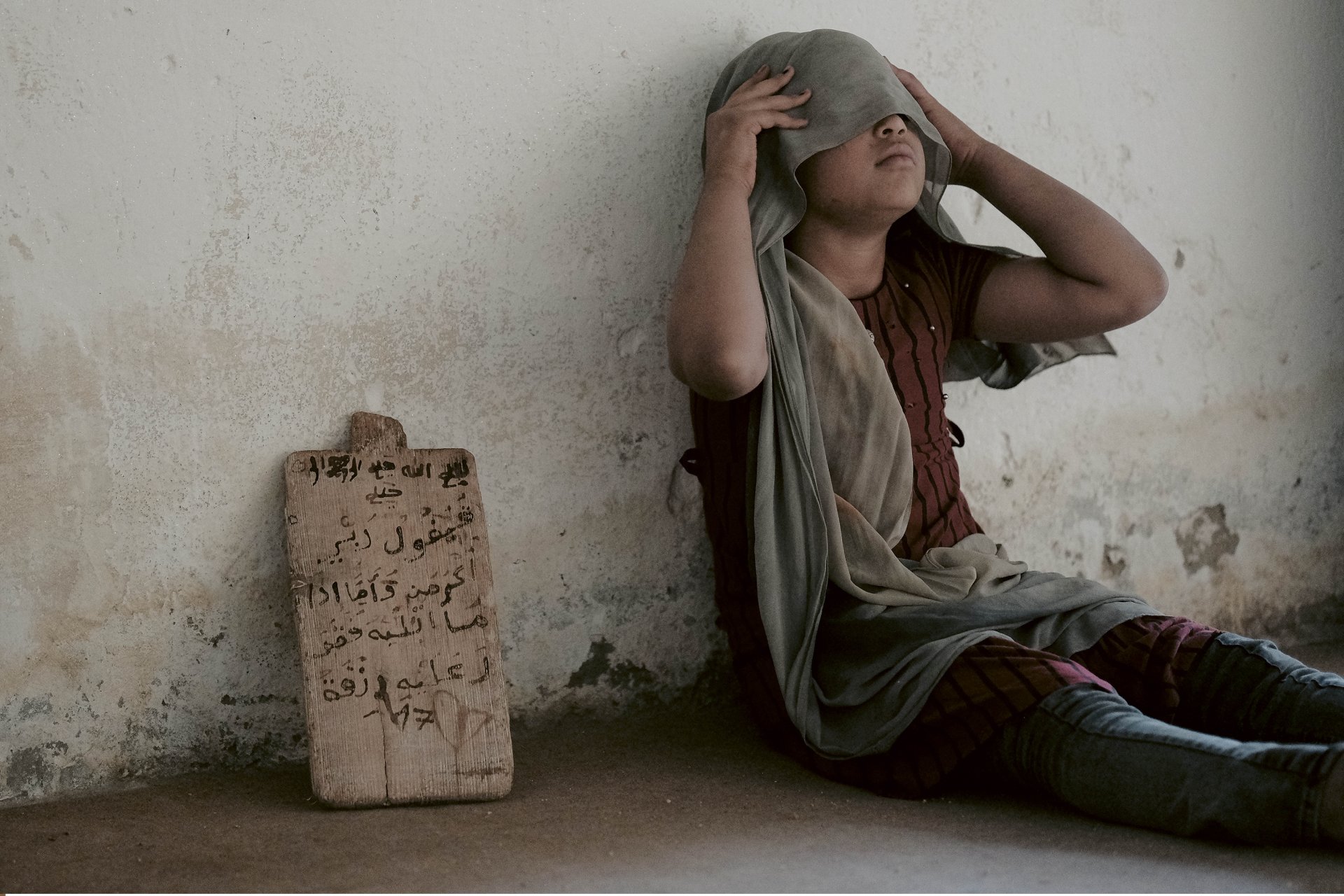
O dia vai longo quando o xeque Salem acede a que testemunhemos o seu ofício na madrassa (escola corânica), onde uma dezena de miúdos, até aos 12 anos (a partir desta idade, rapazes e raparigas são separados nas salas de aula) complementa a sua formação, após o ensino regular. Numa sala simples e despida de decoração, somente com tapetes no chão, seguram velhas tábuas de madeira com mensagens do islão. A tinta da escrita é feita com resina de acácia, cinza e mel, mais um ritual de ligação com a natureza. Aqui aprende-se que Deus criou a caneta para incentivar o conhecimento, a ciência e a educação, ferramentas divinas. O xeque Salem é um dos líderes religiosos que se deslocam ao deserto para ensinar comunidades nómadas, nas quais ainda se fazem juras pelo leite e pela chuva.
Cedo, os miúdos ficam a saber que o Saara foi verde (na verdade, há um imenso oceano sob o deserto, sendo que, nesta região, escavar 15 a 20 metros permite encontrar água). Já teve elefantes, girafas, hipopótamos… retratados em pinturas rupestres, algumas datadas de 9000 anos a.C., exibindo cenas da vida pastoril, selvagem e figuras humanas. Os imuhagh são os guardiões desse museu que conta a história do mundo, nas dunas do Tadrart Vermelho ou nas pinturas de Sefar.
O desejo de conhecer os misteriosos tuaregues, bem como a vontade de aventura, tem levado a um acrescido interesse internacional. Quem vive do turismo, agradece; contudo, há quem seja mais cauteloso quanto ao impacto social e o compare ao fogo: “Se for bem vigiado, aquece-te. Se se espalhar, queima-te a tenda.” É mais avisado educar quem vem de fora. Não estamos num parque de diversões, num lugar para levar pedras de recordação, deixar lixo ou incomodar animais com os motores.
No mundo dito civilizado, fontes decorativas desperdiçam água. No deserto, os nómadas podem ter de caminhar mais de dez quilómetros sob um sol inclemente para encher um mero odre. No dito Primeiro Mundo, valoriza-se a luxúria e sobra vaidade, ligadas, amiúde, a insatisfação e depressões. O relógio escraviza-nos com as horas, enquanto nestas areias o tempo nos diz simplesmente quando devemos deliciar-nos com o pôr do sol.
“Quero que, um dia, os meus netos saibam ler um mapa de estrelas; que os homens continuem a usar o véu, não por vergonha, antes por respeito; que uma rapariga possa recusar um casamento se não quiser, como sempre foi tradição entre nós; que o tagelmust nunca seja apenas uma peça de museu; e que saibam fazer o nosso chá. Quero que os meus descendentes sejam como a palmeira: raízes fundas na terra, mas com os olhos no céu. Que o deserto seque as ervas, não os princípios”, ouço de Aksil.
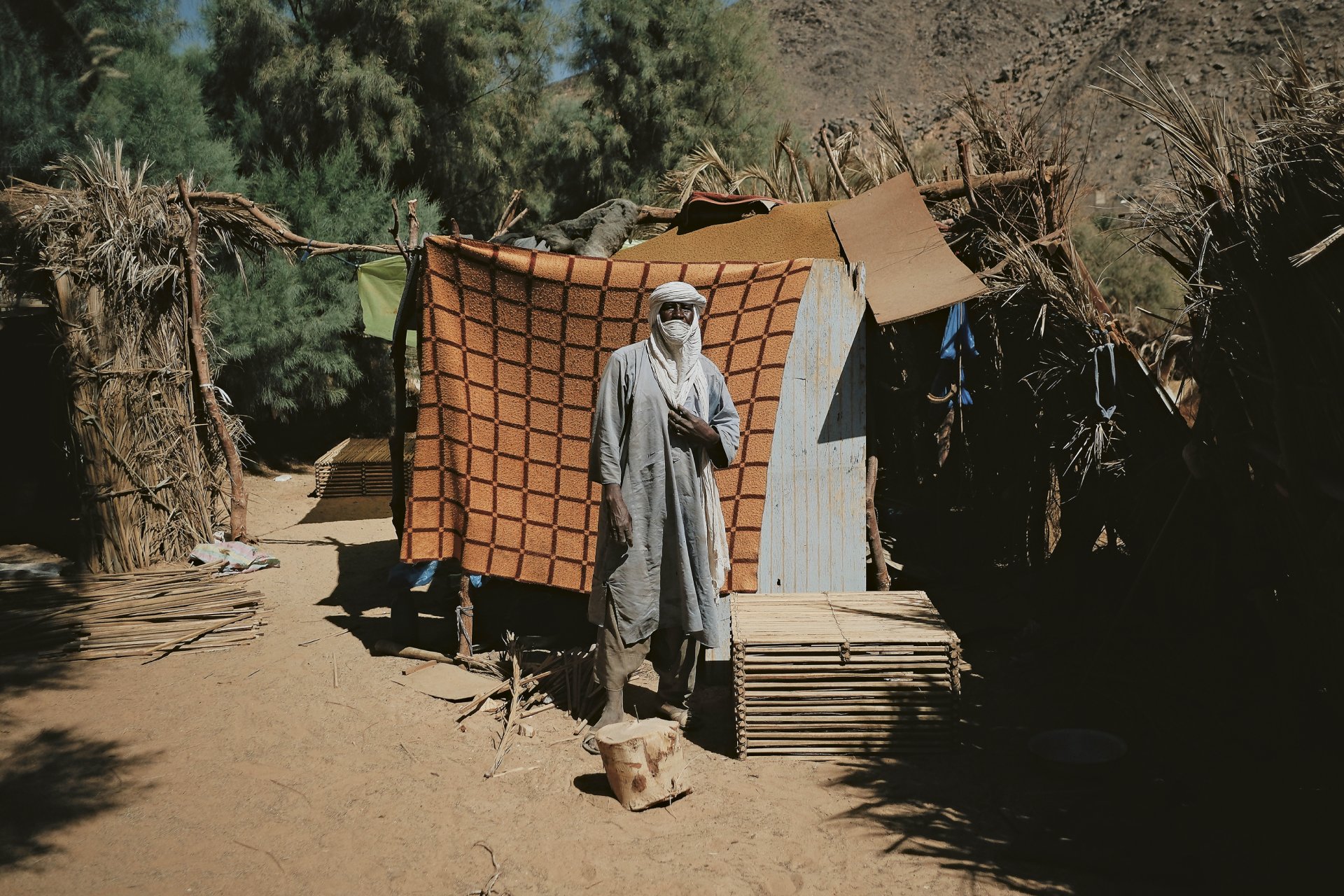
O bom Jibril montou tenda nos arredores de Djanet, em pleno oásis onde se plantam frutas e legumes variados, sobretudo tâmaras, uma das maiores riquezas, um mar de verde rodeado por encostas secas e poeirentas. Este carpinteiro faz camas, bancos e cadeiras: “As palmeiras dão-nos tudo, basta saber o que fazer com elas.” Pele de vaca e de dromedário é também matéria-prima do seu ofício.
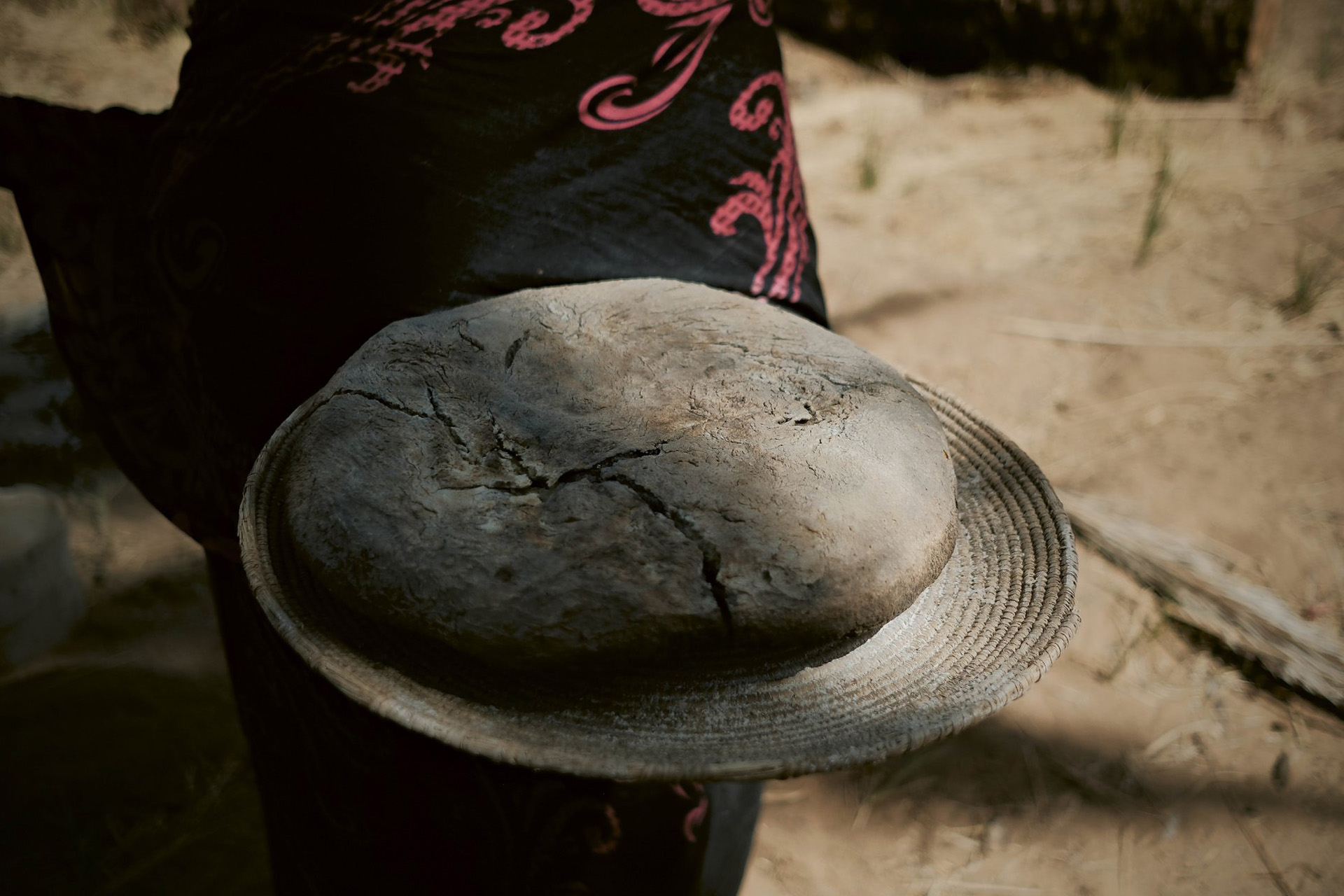
Arte é algo que sobra igualmente a Lady Korama Zamaki, sua vizinha e mãe do nosso motorista, que está a ultimar um pão de areia, uma união entre o homem e o território – literalmente, cozido sob o sol, o solo e as brasas – e um icónico manjar habitualmente acompanhado de carne, mais um pretexto para convívio numa sociedade que fomenta visitas frequentes a familiares e amigos.
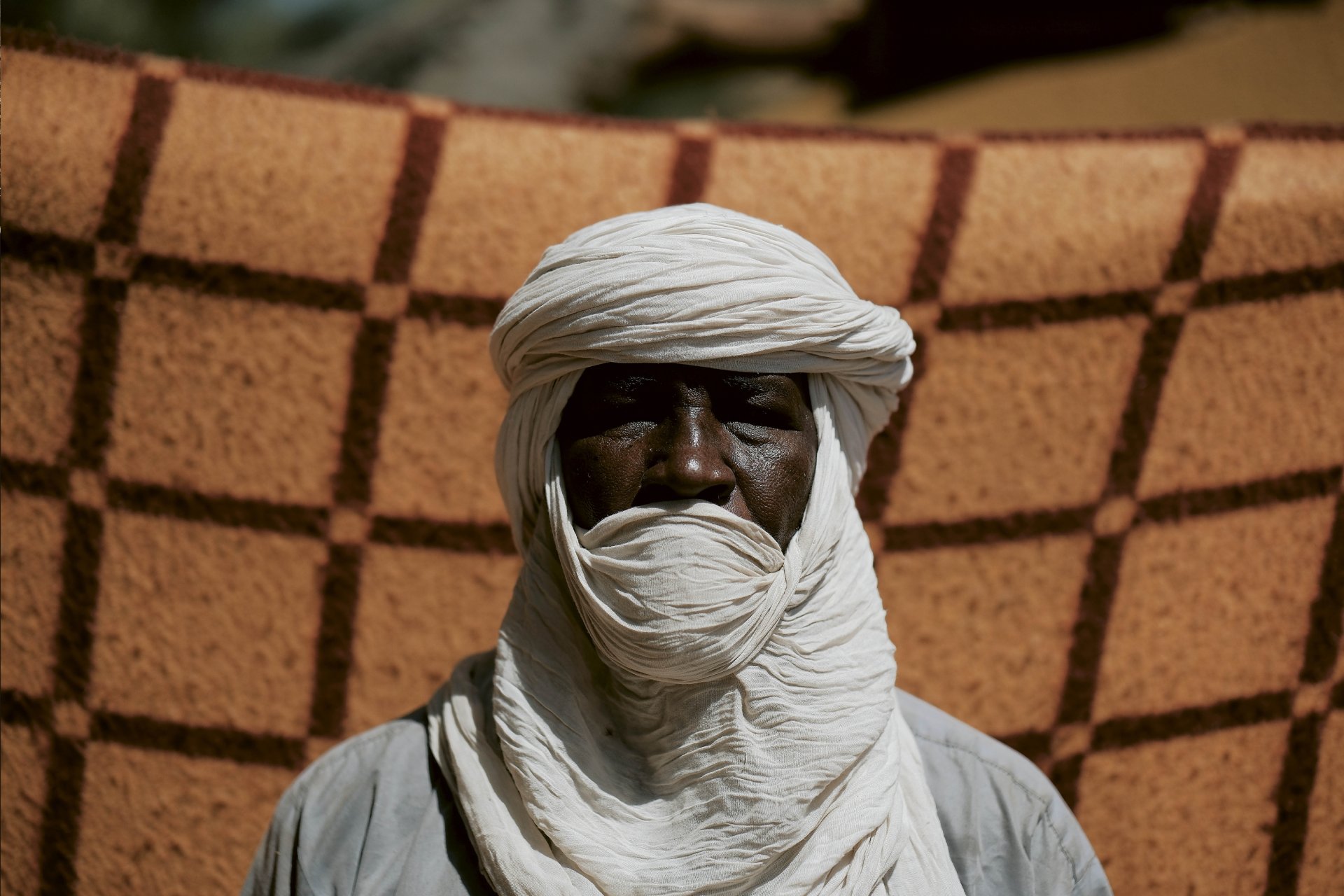
No islão dos tuaregues, a mulher (tamat) tem o rosto descoberto e não se limita a cuidar da casa, pois assume o papel de guardiã da linhagem, é proprietária das tendas e responsável da gestão económica e da memória coletiva. Ao invés, os homens ocultam a face com o tagelmust, o véu azul-índigo que serve de proteção moral e física, espantando os maus espíritos e protegendo do sol e areias do deserto. Nestes dias, Hamid encontrou o tio, de cujo rosto já não tem memória. “É especial e desejo que seja apenas a minha mulher a conhecer as minhas feições”, justifica. Pode ter até quatro esposas, porém o seu amor uniu-o, toda uma vida, a uma só.
Seja para explorar o planalto do Tassili n’Ajjer, as paisagens lunares ou a arte rupestre do Tadrart Vermelho, caminhar por desfiladeiros escondidos, explorar oásis, dunas e desfiladeiros profundos, deambular por um ksar (aldeia fortificada tradicional), acampar num bivaque ou saborear um jantar típico, é importante não olvidar a sabedoria popular: “Bebe o teu chá devagar; a pressa é o chicote do diabo.”
Para usufruir desta remota região, precisamos mais de humildade do que de mapas. O Saara dos homens azuis convida-nos a enterrar preconceitos e a viajar lentamente, a sentarmo-nos e escutar a natureza, a partilhar um chá em silêncio. O deserto não se conquista, entende-se; e respeita-se. Aqui, a liberdade não tem fronteiras, é simplesmente uma cama de areia e um teto de estrelas…
“Se queres conhecer o deserto, deves primeiro aprender a ouvir o que o silêncio tem para dizer” – provérbio tuaregue.
Com o apoio de Voyageurs Déserts du Monde